Sagar Telrandhe is a Construction Engineer with a B.Tech in Construction Engineering & Management. Passionate about infrastructure development, project planning, and sustainable construction, he specializes in modern construction techniques, project execution, and quality management, contributing to efficient and innovative building.
View all posts by Sagar Telrandhe
Concrete is a key material in modern building projects due to its strength, longevity, and multiple applications. However, in order for concrete to be of high-quality, there must be adequate attention...
The way we build structures has changed dramatically over the years, with improvements in technology and tools. Builders have developed new strategies to help complete their projects more quickly with...
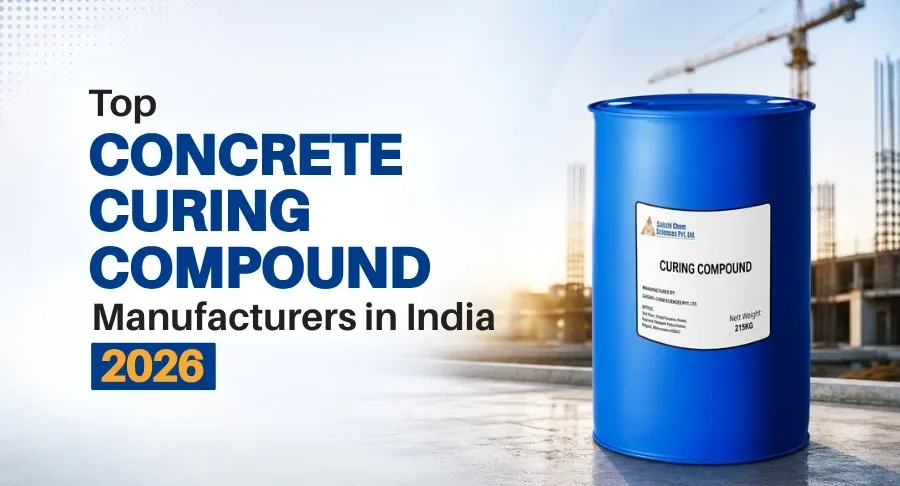
Concrete is a widely used material in the construction industry worldwide. The performance of the concrete will depend on how well it has been cured. If the concrete is not cured correctly, it may dev...
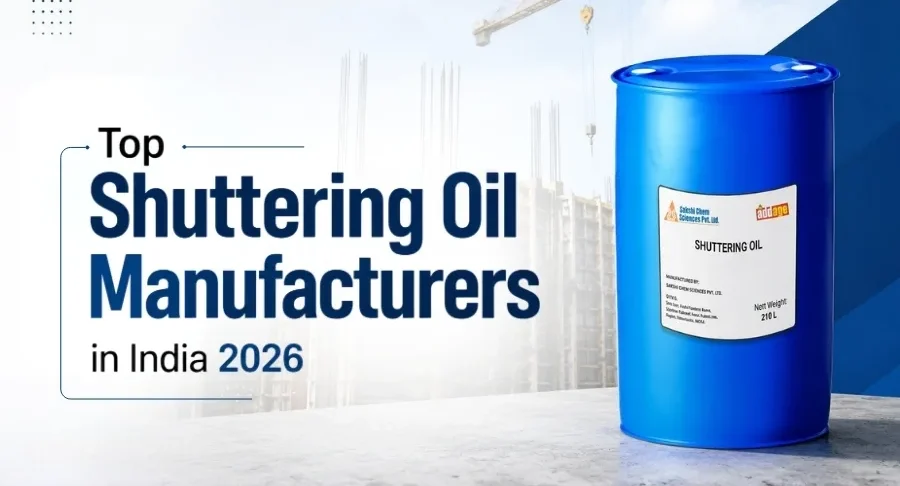
The significance of Shuttering Oil in present-day construction cannot be overstated, as it enables easy removal of formwork, enhances the surface quality of concrete, and helps prevent or mitigate dam...
The Indian construction industry has been experiencing explosive growth due to rapid urbanization, smart city development, modernization of current infrastructure, development of industry and governme...
Most individuals associate construction with concrete or steel or the finished structure, whereas one of the most critical aspects of construction that determines a building's strength and quality occ...
In completely renovating how you apply tile grout to your project, Epoxy grouts have become the standard in many types of current construction projects that require a highly durable, stain-resistant,...
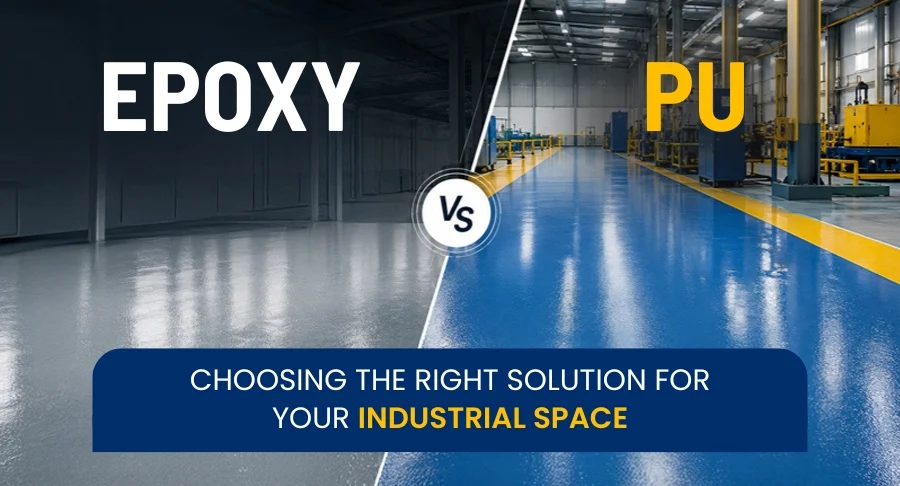
Picking the ideal flooring system for an industrial facility is one of the most important decisions made by business owners. The choice must support heavy foot and vehicle traffic, heavy machinery loa...
Rain is a difficult element for construction workers and contractors to deal with due to its unpredictable nature. The sky can start clear, and within hours, it may rain heavily. So contractors an...
In today’s world of manufacturing and other industries, one of the most widespread and versatile additives available is sodium carboxymethyl cellulose (CMC). This cellulose derivative is used fo...
From a materials perspective, modern construction materials must offer builders & manufacturers much more than simply strength. They are looking for materials with minimal water absorption or wate...
Construction materials today must afford builders a product with strength, durability, flexibility, and stability that lasts for an extended period of time. A major additive used in dry mixes toda...
A detailed in industry data from the Global Cement and Concrete Association (GCCA), concrete is one of the most widespread construction materials due to its strength, durability, and versatility....
Introduction As the demand for materials that have a balance of strength, flexibility, efficiency, and are environmentally sustainable continues to grow, Polyvinyl Alcohol has been steadily emergin...
Introduction The textile industry is constantly evolving, and its rapid-fire pace means there is no room for error or delays. Today’s looms run at unbelievably fast speeds. Simply having one...
Introduction With today's advances in construction technology and techniques, there is no doubt about the importance of having durable structures. Structures must now be able to meet the rigour...
Introduction One of the most embarrassing and expensive problems faced by builders today is the loss of concrete. Many things can be leaking, from damp basements to a faulty water tank or podium sl...
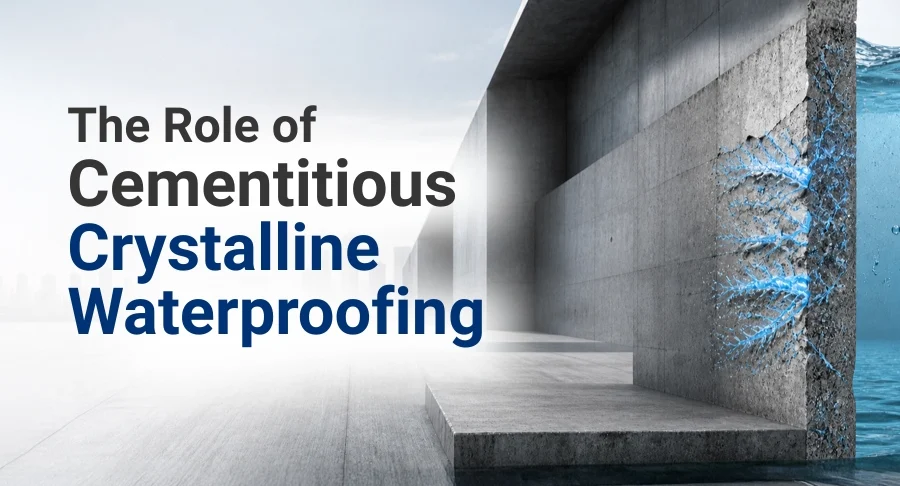
Introduction Concrete is a popular material used in construction due to its strength and durability. However, one limitation that is less obvious is that concrete is a porous material, and therefor...
Introduction Cracks in plastered walls can be one of the greatest frustrations in building construction. After the plaster has been applied, it may appear to be smooth and perfect, but cracks will...
Introduction: Why Purchasing HPMC for Tile Adhesive Matters More Than You Think? Traditional cement mortar has been replaced with tile adhesives today as the material of choice for attaching tiles...
Introduction The final finish of the external envelope of a commercial building will almost always have greater importance, or at least equal importance, than the strength of the actual structural...
Introduction Material performance no longer relies solely on strength; today's industries expect materials to possess a number of other features such as consistent performance, flexibility/adaptabi...
I. Introduction In modern construction, performance is not determined solely based on strength, but also the material’s behaviour during the application process, the duration of the material’s...
I. Introduction The Materials Development Industry is going through major changes as the demand for materials that are versatile, demonstrate strong performance, and exhibit sustainable attributes...
Introduction Concrete pumping seems easy at first glance; however, there is a higher chance for things to go out of control if they go wrong. An obstruction in the pipe being used may cause the who...
I. Introduction Smooth and level flooring is no longer an option; it is a requirement in today’s building practices. Whether the installation of flooring will be for residential purposes, commerc...
I. Introduction Concrete has advanced drastically beyond the original definitions, as it was once developed for just basic forms of construction. Presently, concrete is expected to perform under in...
Introduction There has been steady improvement within the ceramic industry over time, with a greater emphasis on precision and performance than ever before. One important aspect of the cerami...
Introduction Ultra-High Performance Concrete (UHPC) is altering the future of what modern building materials can do. The compressive strength of UHPC should surpass that of traditional materials, w...
Introduction Performance expectations of building products in today’s construction industry have evolved from just basic strength; modern buildings require products that also perform according to...