

Introduction
Concretes depend not only on the quality of cement and aggregates but also, to a large extent, on the application of useful construction chemicals. When time matters, or the hydration progresses slowly owing to the situation, the use of accelerating admixtures is crucial for achieving early initiation of setting and hardening without compromising quality.
With the help of accelerating admixtures, it becomes possible to make improvements in the process, from the manufacture of precast concrete to under cold conditions. At the same time, it is important to select the right accelerating agent because different mixtures can have an influence on the life of a construction and the use of reinforcement bars.
Table of Contents
Sakshi Chem Sciences Pvt. Ltd. is famous for the manufacture of reliable chemical solutions in the field of construction. The admixture produced by the company is based on the best scientific research combined with high technology and strict control of quality.
The blog is going to clarify the principles of work of such admixtures and compare chloride-based accelerators and non-chloride ones.
What Are Accelerating Admixtures?
Accelerating admixtures refer to a series of chemicals that help accelerate the process of hydration of cement and thus speed up the setting of concrete and the development of early strengths of concrete compared to ordinary concrete.
Generally, concrete requires time in order to undergo hydration and acquire strength prior to formwork removal and the beginning of loading. By speeding up the water evaporation process, accelerating admixtures reduce the setting time, thus paving the way for a faster construction process, which is very important for projects with limited time for completion or in low-temperature conditions.
Apart from speeding up the setting time, accelerating admixtures possess several other advantages:
- Early strength development.
- Fast formwork removal.
- Higher productivity of construction processes.
- Better properties of concrete in cold weather.
- Reduced risks of damaging the structure due to freezing of the mixture.
It should be mentioned that if the recommended amount of the products is observed, then not only does the construction process take place faster, but also the quality level of construction works is not decreased.
Chloride-Based vs Non-Chloride Accelerators
The accelerating additives can generally be divided into two groups according to their chemistry: chloride and non-chloride accelerators.
Understanding the distinction is important because it enables contractors and engineers to make the right choice for their projects.
Chloride accelerators
Calcium Chloride is one of the oldest and one of the most efficient accelerating additives in concrete that increases the rate of cement hydration and thus accelerates setting and early strength gain.
Owing to its efficiency and affordability, Calcium Chloride has always been used in cases when reinforcement corrosion is not a problem.
Unfortunately, chloride ions may cause the corrosion of the embedded steel reinforcement, making Calcium Chloride unacceptable for most prestressed and reinforced concrete products. This is why the use of Calcium Chloride is limited to either plain concrete or applications where steel corrosion is not an issue.
Benefits of Calcium Chloride
- Quick early strength gain.
- Faster setting rate.
- Enhanced cold-weather performance.
- Cost-effectiveness for suitable jobs.
Non-Chloride Accelerators
Non-chloride accelerators are designed especially for secured reinforced concrete applications.
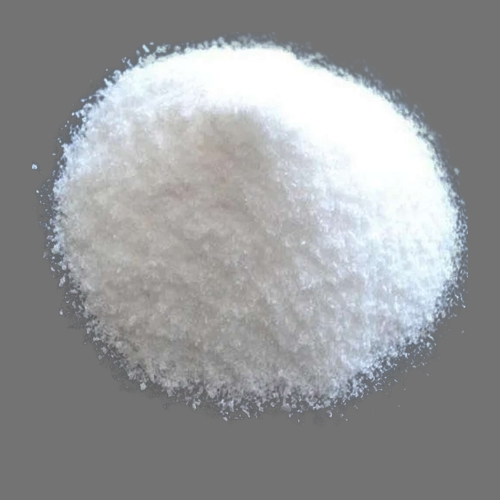
Among the various non-chloride accelerators available, Calcium Formate is one of the most common.
Because it does not contribute to reinforcement corrosion, Calcium Formate is commonly preferred for structural concrete, precast elements, repair mortars, and other reinforced applications where durability is a priority.
Advantages of Calcium Formate
- Faster strength development.
- Improved early-age performance.
- Suitable for reinforced concrete.
- Reduced corrosion risk.
- Better compatibility with modern concrete formulations.
Although non-chloride accelerators may involve a slightly higher material cost, they often provide better long-term value by protecting reinforcement and improving the durability of concrete structures.

Benefits of Accelerating Admixtures
When utilized effectively, Accelerating Admixtures will provide several crucial advantages in terms of performance other than just speeding up the setting process.
Enhanced Early Strength Growth
Accelerating admixtures accelerate the hydration of cement which makes it possible for the concrete to obtain the required strength much quicker. This means that formwork can be removed sooner, loads applied earlier, and productivity increased.
Better Performance under Cold Temperature Conditions
Cold temperatures retard the process of hydration. Accelerating admixtures counteract this problem by stimulating early strength gain, which reduces the probability of freezing at early stages of curing and allows observing construction schedules in winter.
Less Construction Time
Earlier setting and hardening mean shorter curing and waiting time and allow subsequent construction activities to be started earlier. This leads to a more efficient use of resources and timely completion of the projects.
Enhanced Durability
Accelerating admixtures contribute to a higher speed of hydration and the development of denser concrete at young ages, which helps reduce the permeability and improve resistance to water penetration.
Applications in Cold Weather and Precast Work
Accelerating Admixtures should be used in cases when the construction conditions demand quick setting and quick development of the concrete properties.
Cold Weather Concrete
The process of hydration of concrete becomes significantly slower in low temperatures. Hence, it makes the whole process longer and increases the risk of being influenced by freeze-thaw cycles in the curing process. To resolve this situation, the use of accelerator admixtures is crucial, as they help speed up the hydration process and allow concrete to set quickly, which gives the possibility to remove the formwork safely and to keep the construction pace.
Precast Concrete Production
To achieve the desired efficiency in the process of precast production, it is essential to decrease the time needed for manufacturing. Using accelerator admixtures will make it possible to reach the required concrete strength promptly, which will lead to decreased time needed for the production of precast elements and will not affect the quality of concrete structures ready for use.
Repairing and Maintenance
Repair mortars usually need to gain early strength to minimize downtime of the repaired building. Accelerating admixtures will be the solution for achieving the required speed of hydraulic properties development and the maximum efficiency in the process of making industrial pavements and working infrastructure.
Corrosion Risk Considerations for Reinforced Concrete
When it comes to choosing the right accelerator for reinforced concrete applications, the selection is crucial. While Calcium Chloride, an efficient accelerator, minimizes setting time, the chlorine ions derived from it make steel reinforcement more susceptible to corrosion. Therefore, it is rarely used in both prestressed and reinforced concrete. Calcium Formate, a type of non-chloride accelerator, is a preferred option as it hastens the setting process of concrete without including any chloride ions.
- Dosing guidelines are critical in achieving the desired results.
- Make sure to use the proper dosages as prescribed by the manufacturer.
- Carry out tests of concrete before putting it to practical application.
- Be careful not to use high doses.
- Make sure to check the compatibility with the other chemicals that are present in the mixture.

Why Choose Sakshi Chem Sciences?
With over 20 years of industry experience, Sakshi Chem Sciences Pvt. Ltd. manufactures high-quality construction chemicals backed by advanced R&D, modern manufacturing facilities, and stringent quality control. Our reliable admixture solutions help improve concrete performance while meeting international quality standards.
Final Thoughts
The use of accelerating admixtures means that you can minimize the time needed for setting and boost early strength. They are particularly useful in colder regions when precast concrete is produced or when construction must be completed quickly. Calcium Chloride is regarded as an accelerant primarily for non-reinforced structures; however, Calcium Formate is significantly safer as it reduces corrosion risks in reinforced concrete. By understanding which accelerator to select and using it according to the specified dosage, it’s possible to ensure good results.
FAQs
1. What is the purpose of accelerants?
Accelerating admixtures are substances that shorten setting time and increase the development of early strength in the concrete during construction processes.
2. How do Calcium Chloride and Calcium Formate differ from each other?
Calcium Chloride is considered to be a chlorinated accelerator, while Calcium Formate is known to be a safer non-chlorinated alternative for reinforced concrete.
3. Is it possible to use accelerants in relation to reinforced concrete?
Yes, non-chlorinated accelerants such as Calcium Formate are safe to use and do not lead to corrosion.
4. What is the importance of dosage?
Correct dosage is crucial for ensuring quick setting and strengthening of the concrete without compromising its quality.

Sagar Telrandhe is a Construction Engineer with a B.Tech in Construction Engineering & Management. Passionate about infrastructure development, project planning, and sustainable construction, he specializes in modern construction techniques, project execution, and quality management, contributing to efficient and innovative building.