

Construction materials today must afford builders a product with strength, durability, flexibility, and stability that lasts for an extended period of time.
A major additive used in dry mixes today is VAE Powder (also referred to as Redispersible Polymer Powder), which enhances the performance of construction materials.
Furthermore, VAE Powder plays a vital role in improving the construction industry’s overall quality by providing significant functionality to tile adhesives, wall putty, self levelling compounds, and repair mortars.
Table of Contents
Sakshi Chem Sciences Pvt. Ltd. provides innovative and dependable construction chemical products that are designed specifically to help builders and contractors create performance-oriented and durable buildings using new-age construction systems.
The objective of this guide is to provide you with complete background information regarding VAE Powder, including its properties, manufacturing process, applications, and benefits, as well as its significance and functionality in the construction field.
VAE Powder Defined Formula Definition:
VAE Powder = Vinyl Acetate Ethylene Powder
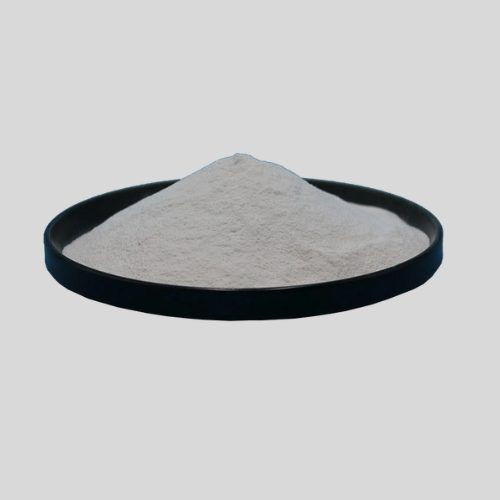
VAE Powder is a free-flowing white powder manufactured from vinyl acetate-ethylene Copolymer emulsions through a spray-drying process. When mixed in water, it will redisperse into a stable polymer emulsion and dry to form a flexible film.
The ability to dry to a flexible film has allowed VAE Powder to combine the benefits of a liquid polymer emulsion and the convenience of a dry powder system.
Because of its multifunctional properties, VAE powder is widely used in modern dry mix construction materials.
It Significantly Improves:
- Adhesion strength.
- Flexibility.
- Water resistance.
- Workability.
- Crack resistance.
- Durability.
Today, VAE powder has become a core ingredient in advanced building chemical formulations.
How Is Redispersible Polymer Powder Manufactured?
The redispersible polymer powder is produced by a series of highly controlled steps to guarantee quality and consistent performance.
1. Polymerisation Process
The polymerisation of the vinyl acetate and ethylene monomers produces a stable polymer emulsion with good adhesion and flexibility.
The composition of the polymer imparts the following properties: Adhesion performance, flexibility, water-resistant, and film-forming.
Various formulations produce different results depending on the use of the end product.
2. Spray Drying
After polymerisation, the liquid emulsion moves onto the spray-dried process. The emulsion is atomised into small droplets and dried in a drying chamber by passing hot air.
Spray drying is the most important process because it determines the following characteristics:
- Flowability.
- Storage stability.
- Redispersability in water, and
- Uniformity in the final product.
3. Stabilisation Process
In the stabilisation process, protective colloids (for example, polyvinyl alcohol) are added to enable the powder to redisperse in water. By using VAE powder and adding water at the job site, the user has a highly stable, easy-to-use addition to dry mix systems.
Key Properties of VAE Powder
The popularity of VAE Powder in construction comes from its excellent functional properties.
Excellent Redispersibility
Redispersible Polymer Powder can be re-dispersed rapidly into water, which enables manufacturers to create powdered dry mixes that function like a polymer-modified system after they have been mixed together.
Enhanced Flexibility & Crack Resistance
Cement-based materials have natural rigidity and are susceptible to cracking. The addition of VAE powdered polymers enables the mortar matrix to have elastic and flexible properties due to the formation of a network of elastic polymeric films within the mortar matrix.
Improved Water Resistance
Contemporary construction materials must resist water, rain, and other variable weather conditions. The addition of VAE powder will also increase the overall water resistance of the mortar system through reduced moisture penetration into the mortar system.
Improved Workability
Another benefit of Redispersible Polymer Powder is improved workability when mixing or applying.
The use of VAE powdered polymers will provide a mortar with a smoother consistency, allowing the installer to apply the mortar more easily and uniformly with a reduced open time and increased comfort when applying.
Applications of VAE Powder in Construction
Because of its versatility, VAE Powder is widely used in various construction systems.
Tile Adhesives
Tile making generally requires a Redispersible Polymer Powder (RPP). The RPP provides strong bond maintenance during installation, more flexible bonds, anti-slip characteristics and improved resistance to being submerged.
Tile adhesives using the VAE powder tend to have better bond prevention and therefore provide greater reliability in tile installation.
Wall Putty and Skim Coat
The VAE also acts to further smooth the surface of the wall during application of the wall putty, allowing for smoother finishes and increasing the bond to the substrate. The incorporation of the VAE powder into the putty and/or skim coat increases the cracking resistance of the finish as well.
Dry Mix Mortars
VAE powder provides several benefits for use in dry mix mortars. These benefits include increased mechanical strength, improved flexibility, and increased longevity of the mortar or finished product, due to increased water retention.
Self-Leveling Compounds
Self-leveling compounds require very good flowability and quality surface finishes. Using a VAE powder in the installation of the self-leveling compound improves the flow, quality of surface finish and the ability of the material to maintain adhesion to the substrate.
External Thermal Insulation Systems (ETICS)
The use of a Redispersible Polymer Powder in insulation systems enhances the thermal system’s dimensional ad stability while increasing the bond strength, flexibility, and weathering of the system.
The use of RPPs in insulation systems eliminates and/or reduces many of the challenges found when using liquid emulsified polymer.
Advantages of VAE Powder Over Liquid Emulsions
The popularity of the Redispersible Polymer Powder compared with liquid emulsions, is based on several practical advantages for manufacturers.
Easier Transportation and Storage
One of these is the ease with which Redispersible Polymer Powder can be transported and stored due to its lightweight. In addition, RPPs do not contain any water, so there is no risk of them freezing during transportation like the solid liquid emulsion polymers.
Longer Shelf Life
Properly stored VAE powder can maintain stability for several months without significant performance loss.
Better for Dry Mix Systems
Since modern construction increasingly uses dry mix technology, powder additives provide easier handling and better formulation consistency.
Reduced Logistics Cost
Powder materials generally require less storage space and lower transportation costs compared to liquid polymer systems.
Packaging and Storage of VAE Powder
It is important to have the correct storage procedures to keep the quality of a product high.
Standard Packaging
- Typically provided in 25kg moisture-proof bags.
- Storage Conditions.
- Stored in a cool, dry place.
- Not in direct sunlight.
- Protected from humidity/moisture.
Under optimal storage conditions, Redispersible Polymer Powder can retain its performance for a period of 6 to 12 months or longer.
Future Prospects for VAE Powder as a Construction Material
The growth of VAE Powder continues to increase because of the growing use of dry mix products used as construction materials globally.
Some of the leading sources of growth in demand include:
- Urbanization.
- The development of Infrastructure.
- Sustainability measures taken by the Construction Industry.
- The Growth of Prefabricated Construction.
- Growing demand for Mortars that are higher in performance than what is currently available.
With continued developments in construction technology, Redispersible Polymer Powders will remain a significant component of advanced construction material formulations.

Conclusion
VAE Powder has become one of the most important materials in modern construction chemistry. Its ability to improve adhesion, flexibility, water resistance, and durability makes it essential for high-performance dry mix systems.
From tile adhesives and wall putty to self-leveling compounds and insulation systems, Redispersible Polymer Powder plays a key role in improving construction quality and long-term structural performance.
By understanding its properties, applications, and benefits, manufacturers and contractors can produce stronger, more reliable, and more durable construction materials.
With trusted partners like Sakshi Chem Sciences Pvt. Ltd., businesses can access advanced construction chemical solutions designed to meet the growing demands of modern infrastructure and sustainable construction.
FAQ’s
What are the uses of VAE Powder?
VAE Powder is most commonly used in tile adhesive and dry mix mortars, wall putty and skim coats, and self-levelling compounds to enhance adhesive properties, flexibility of use, & durability/integrity.
Is VAE Powder a type of Redispersible Polymer Powder?
Yes, VAE powder is one of several types of Redispersible Polymer Powders found on the market today, made from Vinyl Acetate-Ethylene (VAE) copolymers.
What is the process of using VAE Powder?
When mixed with water, it re-disperses back into small polymer particles that dry and form flexible films, which in turn provide an adhesive bond and mechanical properties.
What are the benefits of Redispersible Polymer Powder?
Major benefits include:
Improved adhesion.
Better flexibility.
Crack resistance.
Water resistance.
Enhanced workability.
Increased durability.
What is the difference between VAE Powder and liquid emulsion?
VAE Powder is a dry form that can redisperse in water, while emulsions are liquid polymers. Powder systems offer easier storage, transportation, and compatibility with dry mix products.

Sagar Telrandhe is a Construction Engineer with a B.Tech in Construction Engineering & Management. Passionate about infrastructure development, project planning, and sustainable construction, he specializes in modern construction techniques, project execution, and quality management, contributing to efficient and innovative building.