
Introduction
The textile industry is constantly evolving, and its rapid-fire pace means there is no room for error or delays. Today’s looms run at unbelievably fast speeds.
Simply having one single broken yarn can cause a loom to stop, resulting in production downtime and poor-quality fabric. The solution to this dilemma has come in the form of PVA, used increasingly in Textile Applications (by manufacturers worldwide).
Table of Contents
PVA’s usage as a warp sizing agent is really nothing new to the industry, but what PVA has done is change the game for many manufacturers. By utilizing PVA in their warp sizing process, manufacturers can improve their yarns’ strength, decrease friction, and improve the overall performance of their weavings.
Additionally, PVA also offers manufacturers a protective barrier that allows their yarns and fibres to endure mechanical stress during weaving.
As an advanced chemical manufacturer, Sakshi Chem Sciences Pvt Ltd understands that the performance of materials in an industrial application is critical.
While construction chemicals may be what they are best known for, the company also has extensive experience in the formulation of advanced performance-driven additives, such as PVA, that support the textile industry.
What Is PVA And Why It Is Important To Textiles?
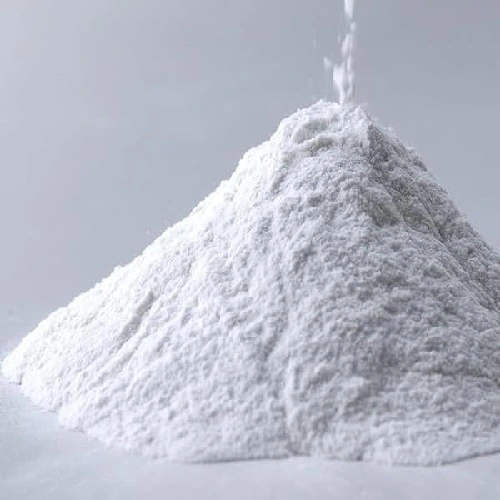
Polyvinyl Alcohol (PVA) is a polymer that comes from polyvinyl acetate and is produced as a white powder that dissolves readily in water and forms a very strong and flexible film when dry.
In Textile Applications, PVA is primarily used as a warp size for yarns prior to their being used in the weaving process to allow for increased strength and resistance. Additionally, PVA also allows for a much smoother yarn to be woven because of decreased friction when PVA is used as a warp size.
Key Functions of PVA in Textiles:
- Forms a protective film around the yarn.
- Improves tensile strength.
- Reduces friction between fibers and machine parts.
- Enhances flexibility under stress.
- Ensures smooth weaving operations.
Without proper sizing, yarns are exposed to high stress from heddles, reeds, and other loom components, leading to frequent breakage.
How PVA Reduces Yarn Breakage?
One of the greatest obstacles during the textile production process is yarn breakage. When this occurs, production will be halted, and operational costs will rise.
The Problem:
Yarns (the material that will become fabric) are subjected to;
- Constant tension.
- Abrasion from machine parts.
- Unpredictable directional changes due to rapid weaving speeds.
How Does Using PVA Resolve This Issue?
PVA Produces a Uniform Cohesive Film Over the Surface of Each Yarn.
Advantages of PVA Film Include;
- Reduced Surface Friction.
- Mechanical protection of the Fiber.
- Increased Yarn Tensile Strength.
- Maintained Elasticity of the Yarn.
Textile mills using PVA-based sizing systems reported having a 20% reduction in warp breakage. Streamlining productivity will directly correlate with how much less downtime textile mills will experience, making PVA In Textiles an excellent manufacturing alternative.
Film-Forming Properties: The Science Behind Performance
PVA’s Film-Forming Properties are the Product’s Strength:
1. Film cohesion with yarn fiber
PVA forms a strongly bonded layer over the fiber. This layer;
- Serves as a mechanical stress shield.
- Eliminates damage to the fiber.
- Maintains the overall integrity of the yarn.
When comparing PVA to traditional sizing agents based on starch theory, PVA’s opaque coating has far greater abrasion resistance.
2. The Balance Between Flexibility & Rigidity
One of PVA’s greatest attributes is its ability to achieve a perfect balance between flexibility & rigidity.
Too much rigidity will produce a cracked film under stress.
Too much flexibility will not offer sufficient protection.
PVA offers the perfect combination of giving yarns flexibility while preventing the separation of the yarns.
Result:
- Better resistance to loom stress.
- Reduced yarn snapping.
- Improved weaving efficiency.
This balance is crucial for high-speed looms where stress levels are much higher.
Optimizing PVA Selection for Best Results
Not all PVA grades perform the same. Selecting the right type is essential for minimizing breakage.
Alcoholysis Degree and Its Impact
The alcoholysis level determines how easily PVA dissolves and performs during desizing.
| Property | Low-Alcoholysis PVA | High-Alcoholysis PVA |
| Alcoholysis Range | 86–90% | 98–100% |
| Desizing Efficiency | High (cold water) | Moderate (requires hot water) |
| Residue Risk | Low | Higher |
Why It Matters:
- Low-alcoholysis PVA is easier to remove
- Reduces fabric defects
- Ensures smoother finishing
Polymerization Degree (DP)
The polymerization degree affects strength and flexibility.
| DP Range | Tensile Strength | Flexibility | Best Use |
| 1700–2000 | Moderate | High | Standard weaving |
| 2000–2400 | High | Moderate | High-stress applications |
Key Insight:
- Higher DP improves strength.
- Mid-range DP offers the best balance for most applications.
Choosing the right combination ensures optimal performance in PVA in Textile Applications.
Advanced PVA Variants for High-Speed Looms
As advancements in textiles lead to changes in the usage of sizing agents, so too do innovations in modified Polyvinyl Alcohol (PVA) solutions. The following two examples illustrate how recent enhancements in PVA technologies will benefit the textile industry.
Oxidized PVA provides:
- Improved biodegradability.
- Easier desizing at lower temperatures.
- Better compliance with environmental regulations.
Graft modified PVA provides:
- Higher elasticity.
- Increased adhesion.
- Better performance on high-speed shuttle looms.
The advanced variants provide:
- Reduction of warp stoppages by 15%–20%.
- Increased efficiency of production output.
- Reduced machine downtime.
They are particularly advantageous for modern automated weaving systems.
How PVA Improves Loom Productivity?
Loom performance can be impacted by reducing yarn breakage.
Getting the Benefits of Using PVA:
- Fewer machine stoppages.
- Increased output.
- Reduced maintenance.
- Improved fabric quality.
Even minor improvements in breakage will have a positive impact on the overall performance of a weaving facility. Therefore, using PVA in textile applications will be a critical factor in establishing a competitive edge.
Environmental and Sustainability Benefits:
Environmental responsibility is gaining in importance as a focal point of the textile industry.
Why PVA is an Excellent Choice for Textile Applications?
PVA is a non-toxic polymer, biodegradable, water-soluble (easily removable), and it reduces waste from chemicals. With all that PVA provides, PVA is a more environmentally sound alternative to traditional sizing agents, while still providing the same performance levels.

Conclusion
The importance of efficiency, durability, and consistency cannot be overstated in the textile industry. Yarn breaks increase production costs while also degrading the quality of the fabric produced.
Polyvinyl alcohol has been an extremely effective aid in textile applications because it:
- Provides added strength to the yarns.
- Lowers friction between yarns.
- Increases the flexibility of the yarns.
- Increases the efficiency of the looms.
Through the use of advanced formulations and commendable selection, Polyvinyl Alcohol can assist manufacturers with their operations, thereby producing better quality textile products.
When combined with computer expertise/friendliness from acknowledged companies (for example, Sakshi Chem Sciences Pvt. Ltd, Polyvinyl Alcohol can help manufacturers drive their performance and sustainability in the manufacture of textiles.
Frequently asked questions
1. What makes Polyvinyl Alcohol the preferred sizing agent for warp applications?
A textured film is created by the use of Polyvinyl Alcohol which creates a much stronger and more flexible bond to the yarn, thereby significantly reducing yarn breakage due to the high-speed weaving process.
2. How does Polyvinyl Alcohol compare to starch-based size agents?
Compared to starch-based size agents, Polyvinyl Alcohol provides much higher film strength, greater abrasion resistance, and increased flexibility, leading to fewer warp breaks through the weaving process and therefore better fabric quality.
3. What are the benefits of low-alcohol polyvinyl alcohols?
Low alcoholysis Polyvinyl Alcohol dissolves easily in cold water, thereby making the process of desizing more efficient, with a reduction in defects such as a blotchy dye.
4. What are modified PVA variants?
Modified PVA variants, such as oxidized and graft-modified types, are designed for high-speed weaving. They improve elasticity, adhesion, and performance under extreme conditions.
5. Can PVA improve loom productivity?
Yes, by reducing yarn breakage and minimizing downtime, PVA significantly enhances loom efficiency and overall production output.

Sagar Telrandhe is a Construction Engineer with a B.Tech in Construction Engineering & Management. Passionate about infrastructure development, project planning, and sustainable construction, he specializes in modern construction techniques, project execution, and quality management, contributing to efficient and innovative building.