
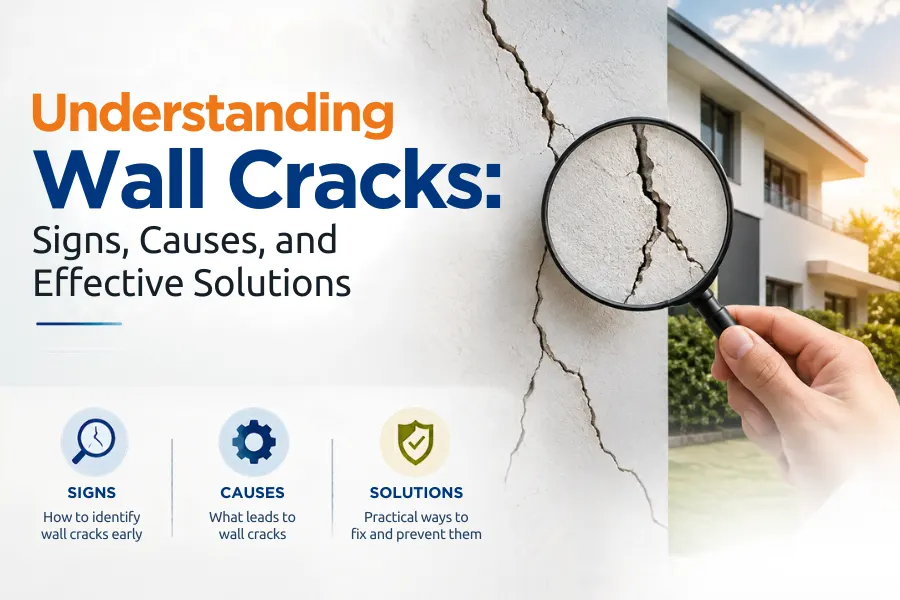
The presence of cracks in walls is a frequent occurrence in homes and commercial buildings. However, some cracks are harmless, whereas others may require serious attention. The development of certain cracks is caused by the process of drying of plaster, while others indicate foundation problems, moisture infiltration, and movement of the structure.
Table of Contents
Having knowledge of wall cracks can help you recognize signs of serious problems with your building and take appropriate measures to prevent damage to the structure. In this article, we will discuss the types of wall cracks, causes of their appearance, and suitable ways to repair them.
Why Do Wall Cracks Occur?
Multiple factors cause cracks in walls; therefore, it’s important to find the actual problem before conducting the renovations.
- Temperature and humidity variations: Periodic volume changes can create tension in both plaster and concrete.
- Improper construction technology: Poor curing, use of wrong materials, and inadequate surface preparation can lead to early cracking.
- Foundation movements: Foundation subsidence or its loading transformation can lead to crack emergence and widening.
- Water penetration: Water may compromise structural integrity and lead to deterioration.
Common Types of Wall Cracks and How to Fix Them
1. Fine Cracks in the Plaster Surface
Description: Fine cracks are cracks that appear in the plaster surface in a random manner.
Main cause: Usually, the cracks are caused by the contraction of the plaster as it dries and curing problems, but sometimes an impact of temperature changes could be a reason as well.
Best way of eliminating: You should first clean the problem area and get rid of any loose pieces of plaster before applying the wall-filling compound.
2. Vertical Cracking
Implications of the cracks: The vertical cracking of the plaster could indicate settlement, shrinkage of the material, or structural movement, which could be more alarming than it seems depending on the thickness of the vertical cracks.
Best way of eliminating: It is enough to examine the vertical cracks and monitor them. If the vertical crack keeps widening or newly appearing through the masonry wall, then seeking an expert’s opinion becomes necessary.
3. Horizontal Cracks
Why they’re important: Horizontal cracks indicate high levels of stress in retaining walls and basement walls when subjected to the pressure exerted by soil.
Suggested action: Covering the crack with filler is not a solution. If there is any bowing, displacement of the walls, or expansion of the cracks, it is advisable to arrange a structural inspection as a matter of urgency. Strengthening or specialized repairs may be required.
4. Diagonal Cracks Around Doors and Windows
Common reasons: Diagonal cracks are formed due to stress concentration in corners, foundation settlement, and uneven loads.
Suggested repair: To repair the crack, the loose material should be removed first and the crack examined. If the crack doesn’t stop developing and new cracks appear together with sticking doors and windows, the underlying cause of structural movement should be explored.
5. Wall Cracks Caused by Moisture
Identification: Damp patches, peeling paint, or efflorescence (white deposits of salts that appear as a result of evaporation) usually appear in conjunction with these cracks.
Common reasons: The root of the problem may lie in water penetrating through external walls, leaking pipes, a malfunctioning waterproofing system, or rising damp.
Effective solution: Identify and eliminate the moisture source first. Repair the crack using a compatible repair material, then apply an appropriate waterproofing system where necessary. Without addressing the cause, the crack may return.
How to Prevent Future Wall Cracks?
First, let’s talk about the measures that can avoid cracking and contribute to a building’s durability.
Follow the Proper Curing Methods
Adequate curing helps with the hydration of concrete and prevents cracks caused by shrinkage. It’s necessary to follow the prescribed curing practices for plaster or concrete while considering the local weather conditions.
Use an Integral Waterproofing Admixture
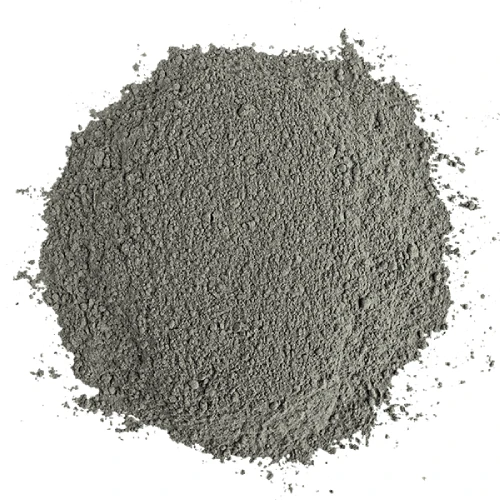
An integral waterproofing admixture is a type of admixture added to cement that helps control water penetration. When used appropriately according to the manufacturer’s recommendations, the admixture significantly increases moisture resistance.
However, it must be emphasized that the use of an Integral Waterproofing Admixture does not substitute for the use of proper curing practices, repair of any structural cracks, or installation of a waterproofing system where necessary.

Ensure Proper Drainage
Make sure that no water accumulates around the foundation and the walls of the building. The proper drainage system will make sure that moisture is kept out.
Regular Inspections
Make sure to observe for the occurrence of cracks in the walls regularly. Regular inspections will be helpful in identifying possible defects and avoiding more costly repair work later.
Why Choose Sakshi Chem Sciences?
Sakshi Chem Sciences Pvt. Ltd. is one of the prominent manufacturers, suppliers, and exporters of construction chemicals, enjoying a rich experience of two decades in the business.
The company has launched over 50 products in the category, which include concrete and cement additives, waterproofing systems, grouts, demoulding agents, and repair and rehabilitation products.
Having access to cutting-edge research and development procedures and technology-driven manufacturing processes, Sakshi has devoted its efforts to searching for and delivering the most efficient and cost-effective solutions ever by having a deep understanding of its clients’ needs.
Conclusion
Not every crack in the wall poses a threat, but neglecting a crack that keeps growing may lead to a worsening situation. Understanding Wall Cracks means getting familiar with their features, position, and possible causes prior to making a decision about how to repair them.
In order to preserve buildings from damage caused by moisture, it is necessary to use proper curing, adequate repair materials, as well as a good drainage system and Integral Waterproofing Admixture wherever necessary. In cases where cracks keep widening, returning, or signaling structural movement, consult specialists first.
FAQs
1. What are the most common causes of wall cracks?
Common causes include plaster shrinkage, temperature changes, poor curing, foundation settlement, structural movement, and moisture penetration.
2. Are all wall cracks dangerous?
No. Hairline cracks in plaster may be superficial, but widening horizontal or diagonal cracks, wall displacement, and recurring cracks may indicate more serious problems requiring professional assessment.
3. How can I repair hairline cracks in walls?
Clean the crack, remove loose material, and apply a suitable wall filler or repair mortar. Allow it to cure properly before repainting.
4. How does an Integral Waterproofing Admixture help prevent wall damage?
An Integral Waterproofing Admixture helps reduce water penetration in suitable cement-based mixes. It can improve moisture resistance but cannot independently prevent or repair every type of wall crack.
5. When should I consult a structural professional?
Seek professional advice if cracks widen over time, extend through masonry, appear with wall displacement, or occur alongside sticking doors and windows or other signs of structural movement.

Sagar Telrandhe is a Construction Engineer with a B.Tech in Construction Engineering & Management. Passionate about infrastructure development, project planning, and sustainable construction, he specializes in modern construction techniques, project execution, and quality management, contributing to efficient and innovative building.