Selecting the right kind of tiles for your project is merely one part of the task of laying a finished floor. The filling material used for the joints is equally important in taking the installation t...
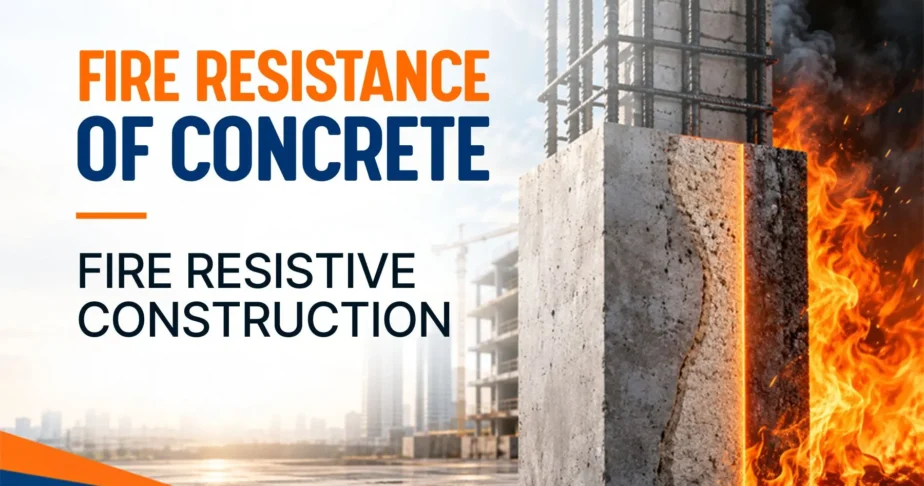
When designing any building, industrial plant, tunnel, or any other infrastructure project, fire safety must be taken into account. The behavior of materials when exposed to heat and fire has a direct...
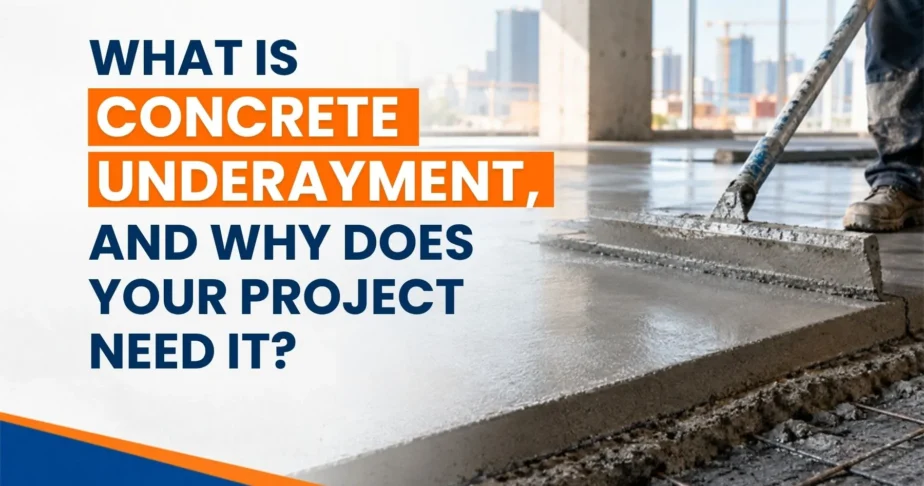
Before installing tiles, vinyl, carpet, or other types of flooring, it’s mandatory to have a flat floor. Concrete floors are not always flat, though. Minor dips, imperfections, cracks, and level dif...
Modern construction relies on constantly pushing the efficiency boundaries of construction materials, and Dry Mix Mortar fits the bill. Unlike the traditional mortar mixed at a construction site, dry...
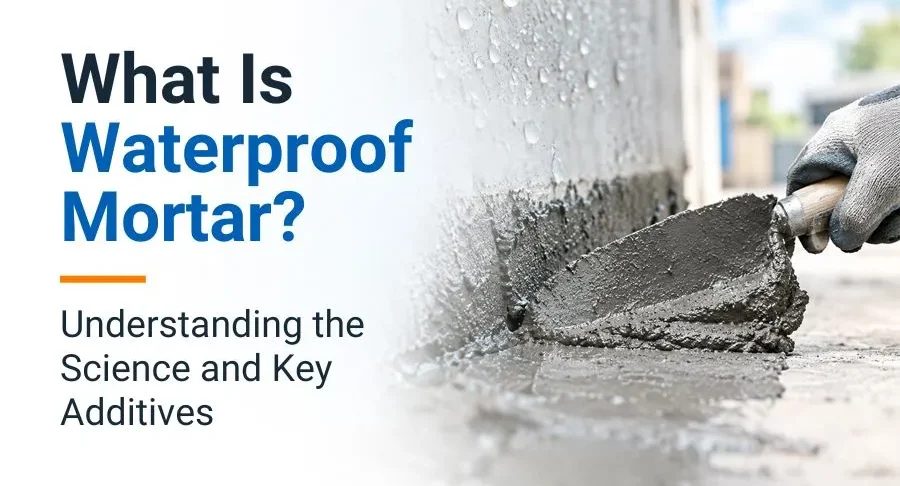
Water can penetrate through cracks, holes, seams, and poorly done joints or surfaces, which could make the construction products weak in their quality. Hence, waterproofing is important in such places...
Concrete and masonry structures are highly prone to water damage. Cement-based products, despite their strength and toughness, remain vulnerable when subjected to moisture. The material has pores, mic...
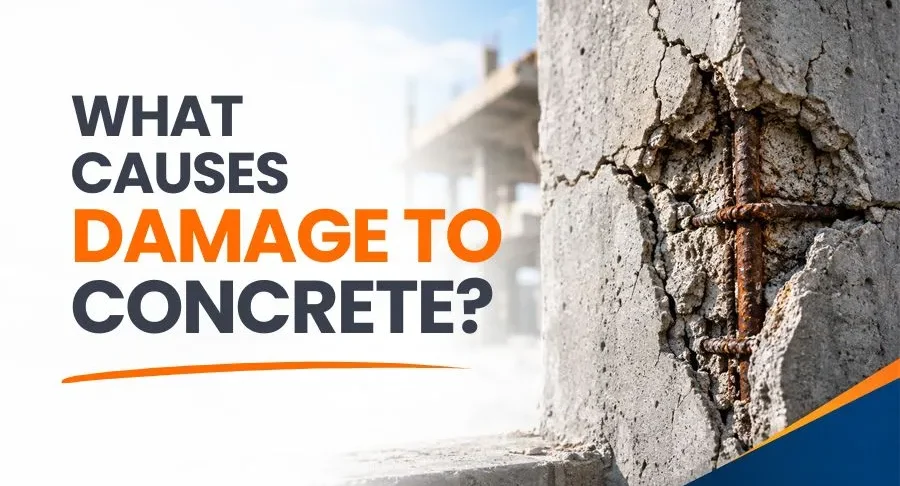
Concrete is one of the most popular construction materials because of its strength, durability, and versatility. Concrete is the foundation of many types of structures, from residential buildings and...
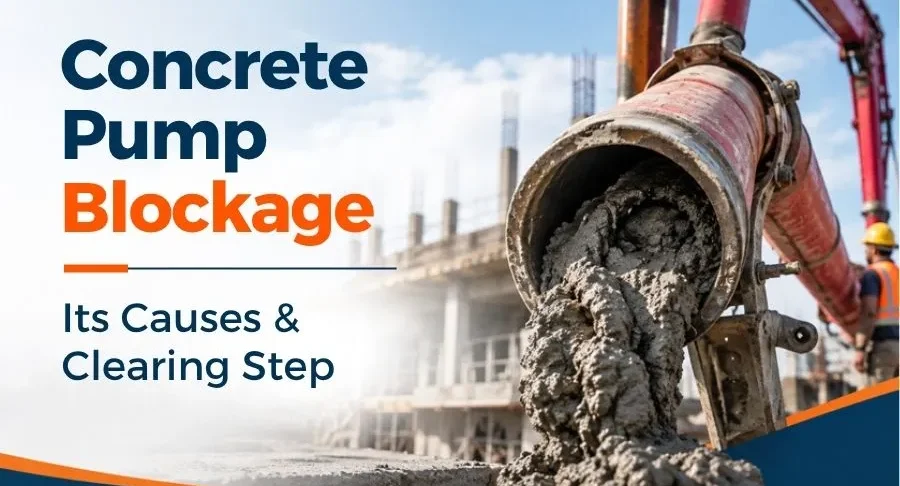
Concrete pumping allows for effective concrete placement in tall structures as well as foundations, bridges, tunnels, and other construction projects. However, if the movement of concrete is interrupt...
Concrete pumping makes modern construction processes considerably quicker and easier, especially for tall buildings, bridges, tunnels, foundations, and other applications that involve the transferring...
The hot climate can complicate concrete pouring considerably. Excessive outdoor temperature, heat transfer from aggregates, lack of humidity, strong winds, and quick hydration can result in difficulty...
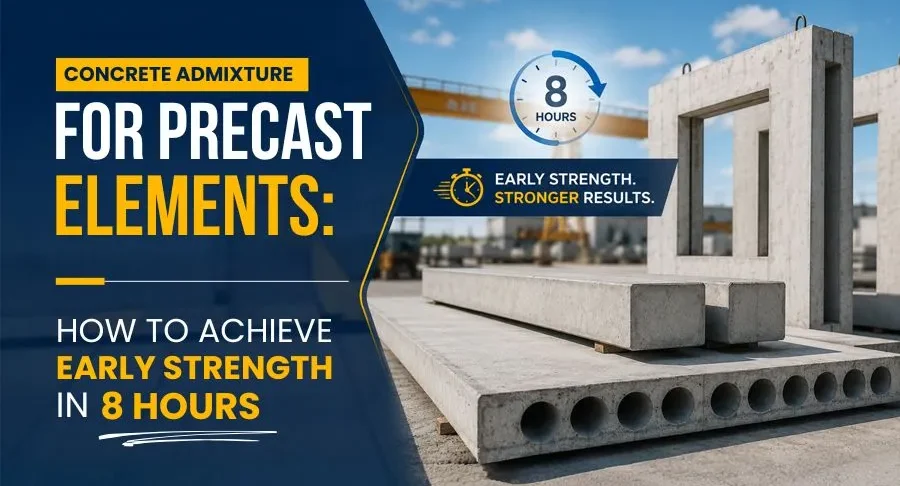
Introduction: The Demand for Early Strength in Precast Production In precast concrete production, speed of production has a direct impact on productivity. After casting concrete into forms, it is n...
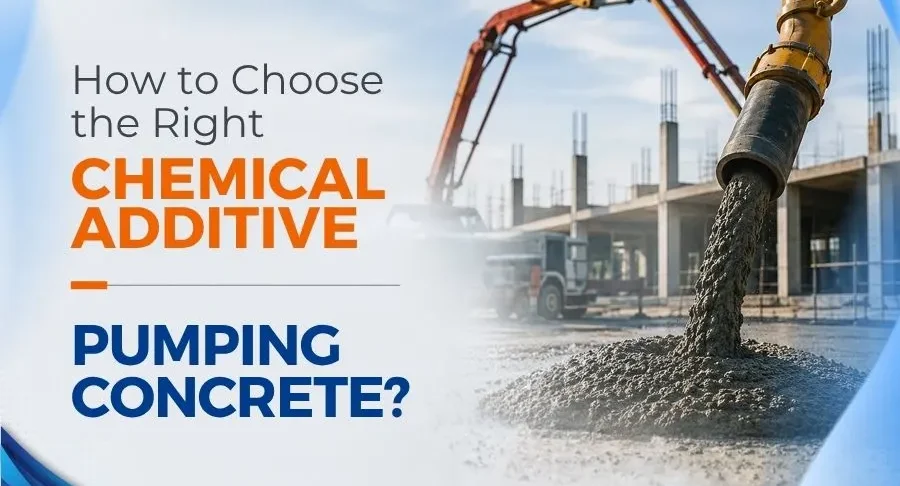
Concrete in current-day construction is likely to travel a distance before arriving at the construction site. Building infrastructure projects, high-rise buildings, and the operations of ready-mix con...
There is an immense transformation in the construction industry today as sustainability is slowly becoming a priority. The growing concerns regarding climate change, carbon emissions, and conservation...
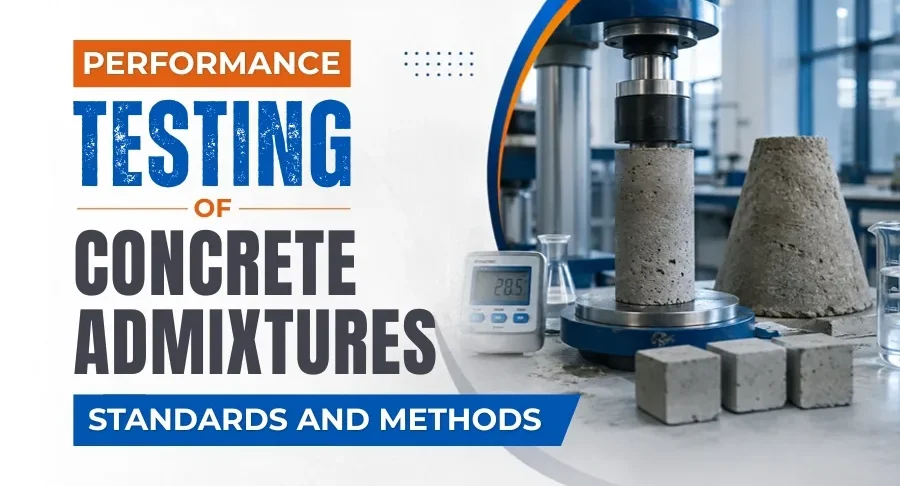
Concrete admixtures have changed construction by significantly enhancing the quality and properties of concrete. Admixtures greatly help the construction industry by reducing water consumption and enh...
The CLC blocks manufacturing industry has become an integral part of the expansive global construction market. Technological advancements in manufacturing techniques have brought about several upgrade...
Concrete admixtures are crucial components in construction. Admixtures are designed to modify the properties of concrete mixes. These are usually powders or liquids that are specially made for mixing...
When it comes to construction or renovation, choosing the right tiles for your home is extremely important. As with any type of renovation, the first step is to get inspiration because style is an imp...
Thanks to modern tile adhesives, it has become incredible easier and more efficient to install all types of tiles on a variety of surfaces. This modern tile fixing solution ensures that the tiles are...
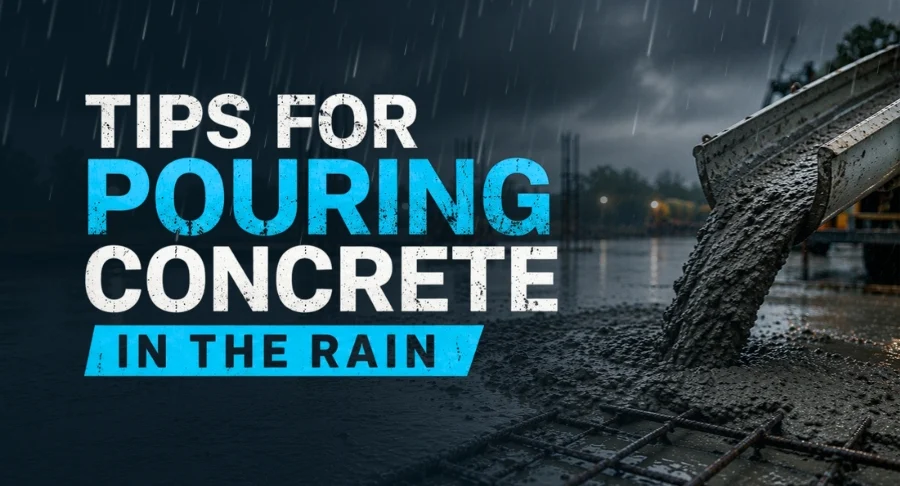
Rain is a difficult element for construction workers and contractors to deal with due to its unpredictable nature. The sky can start clear, and within hours, it may rain heavily. So contractors an...
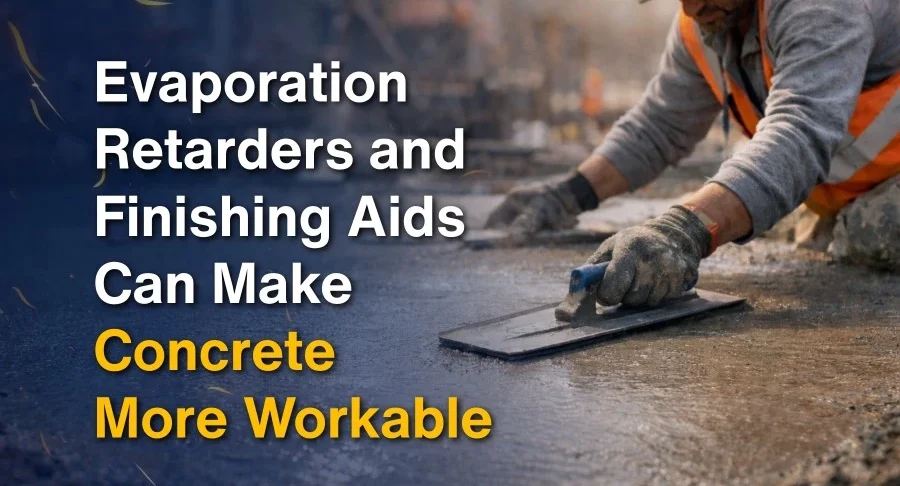
As summer is fast approaching with increasing temperatures, one common issue that is starting to show up on construction job sites is concrete that dries too quickly. This can lead to the followin...
Cement has been used for fixing floor tiles for many years. It is usually readily available and has an established presence on construction sites. Because construction methods have changed so much...
Perfectly finished walls are never just luck. They're created by using the right materials, applying them in the right order, and putting in concentration to minimize mistakes at every stage of applic...
Micro silica is a tiny particle material made from ferrosilicon and silicon metal alloys. Silica fume powder is a fine-sized powder that is 100 times more minute than cement and fly ash. The silica fu...
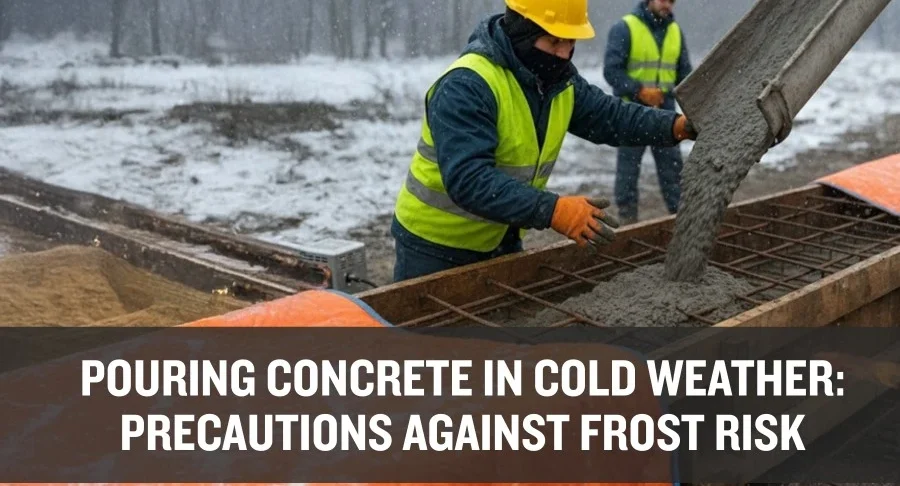
Although concrete is often regarded as strong and durable, it is highly susceptible to environmental conditions during the early stages of pouring and curing. When pouring concrete in cold weather...
Introduction: When the Weather Works Against Concrete Concrete, when freshly mixed, is an active living material. It breathes, reacts, develops heat, and goes from a soft paste to a dense, stone-li...
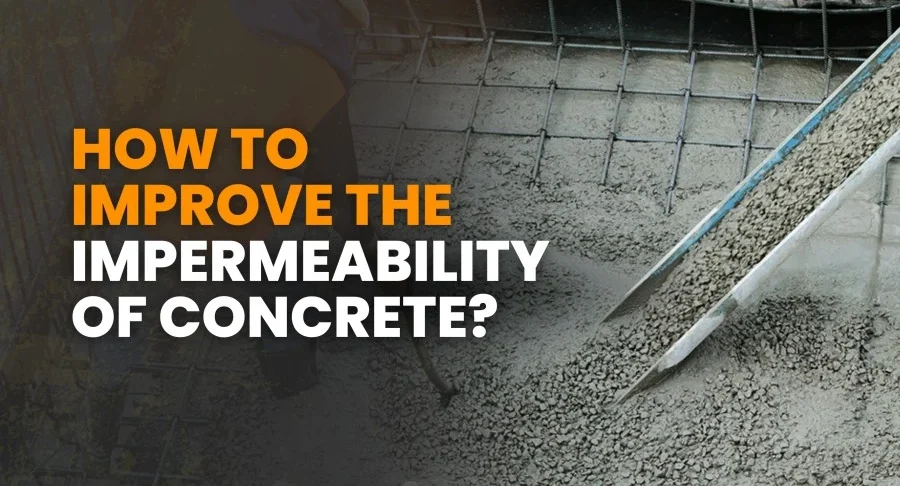
Concrete continues to be the backbone of construction around the world. No structure, however, is ever entirely secure unless the concrete used is dense, durable, and less prone to water intrusion. Of...
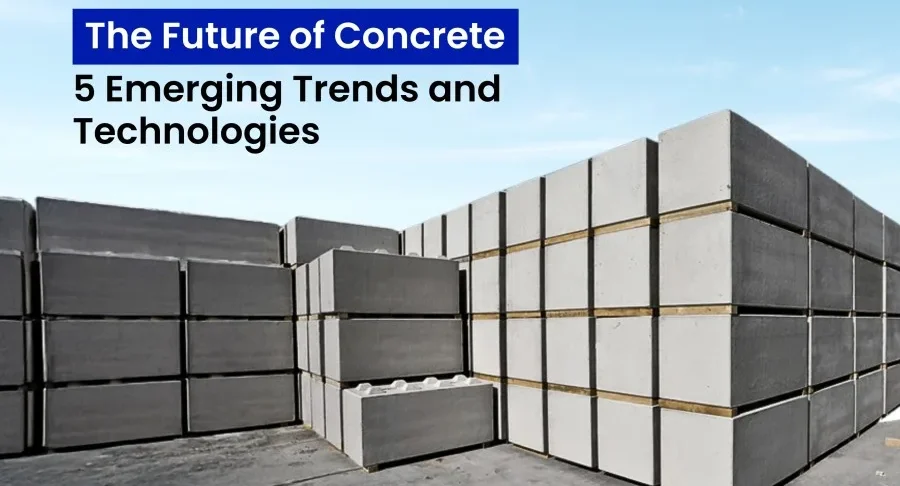
Concrete has significantly impacted human civilization for thousands of years. Roads, bridges, houses, towers, port facilities, dams, tunnels – basically every type of infrastructure relies on concr...
As urban areas broaden, road systems increase, and lands transform into places with concrete, another silent challenge emerges beneath our feet, the challenge of stormwater. Heavy rains seem to be...
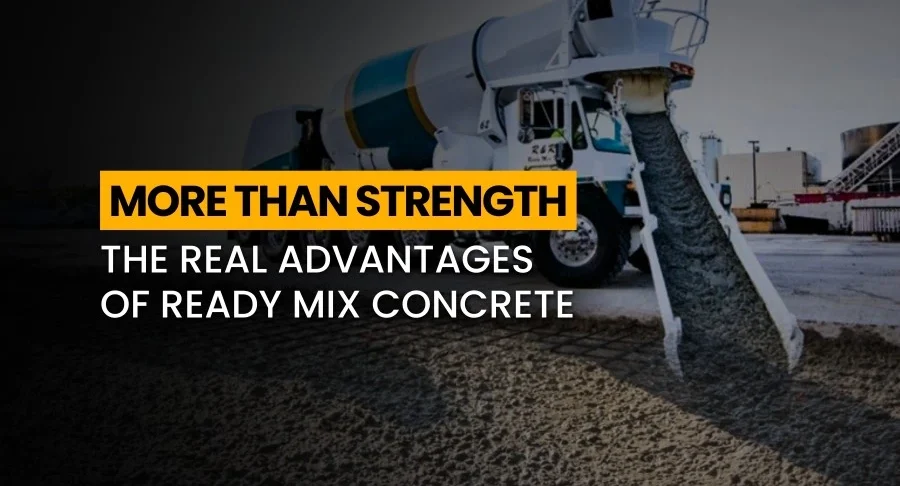
Concrete has always been a critical part of construction projects for many centuries. The builder's trust in standard site-mixed concrete has been for every construction method you can think of, found...
When we think of comfort in a residence or dwelling, most of us picture nice decorative spaces, cool and comforting floors, nice natural light and air circulation, or quiet spaces. But the reality...