Sagar Telrandhe is a Construction Engineer with a B.Tech in Construction Engineering & Management. Passionate about infrastructure development, project planning, and sustainable construction, he specializes in modern construction techniques, project execution, and quality management, contributing to efficient and innovative building.
View all posts by Sagar Telrandhe
The paper industry has changed dramatically since it was first developed using traditional methods of processing fibers into paper. In the present day, producing a consistent, quality product requires...
The skincare industry today is a very different place from what it was even a few years ago. You'll find that products now offer more than just results; they also offer an experience. For example,...
In recent years, there has been a substantial change in the way detergent companies create the items we use to clean our clothes. Today’s cleaners are expected to clean well, be shelf-stable for a l...
The textile sector has a complex manufacturing supply chain with an emphasis on quality, consistency, and efficiency throughout. Production starts: spinning yarn; ends: finishing fabric; has specialit...
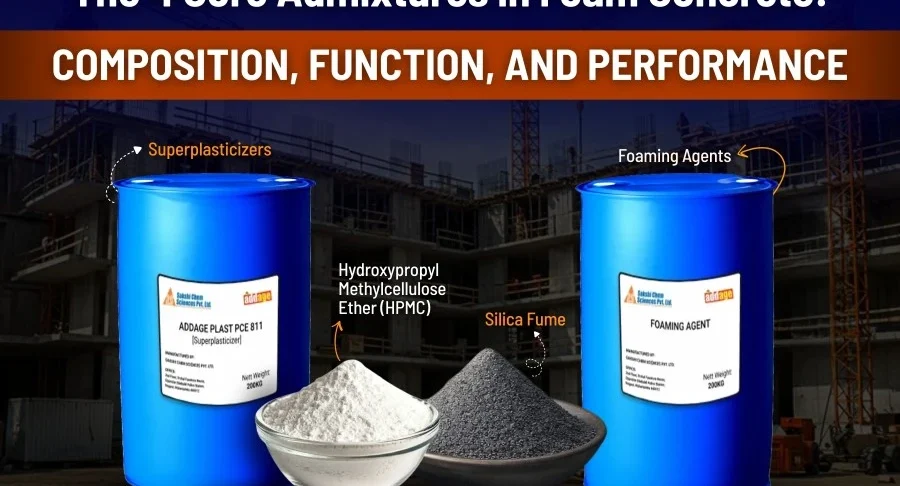
Foam Concrete is considered one of the best lightweight materials for the construction industry today due to its amazing properties. This material has good thermal insulation properties, is lightweigh...
In the pharmaceutical sector, the efficacy of a medication does not depend only on the active compound, but also on the standard of other supporting components that are included in the form of “exci...
Performance in new architecture and industrial manufacturing has a commonality - their success is attributed to incorporating both small and highly effective substances. The majority of high-quali...
Introduction Modern society relies heavily on concrete. From bridges to roadways to high-rise buildings and factories, concrete forms the basis of our infrastructure today. While concrete conti...
As summer is fast approaching with increasing temperatures, one common issue that is starting to show up on construction job sites is concrete that dries too quickly. This can lead to the followin...
When working in an industrial setting (manufacturing and construction) the smallest detail can make the difference between running a job smoothly or having a costly headache. One of those details...
Introduction Mivan construction & shuttering system is changing the modern construction work with its improved aluminium formwork. Giving a faster, stronger building solution. It offers exc...
The issue of Sustainability is far beyond just another buzzword in the construction industry; it has developed into an obligation for the industry to be held accountable for. With expansion of urb...
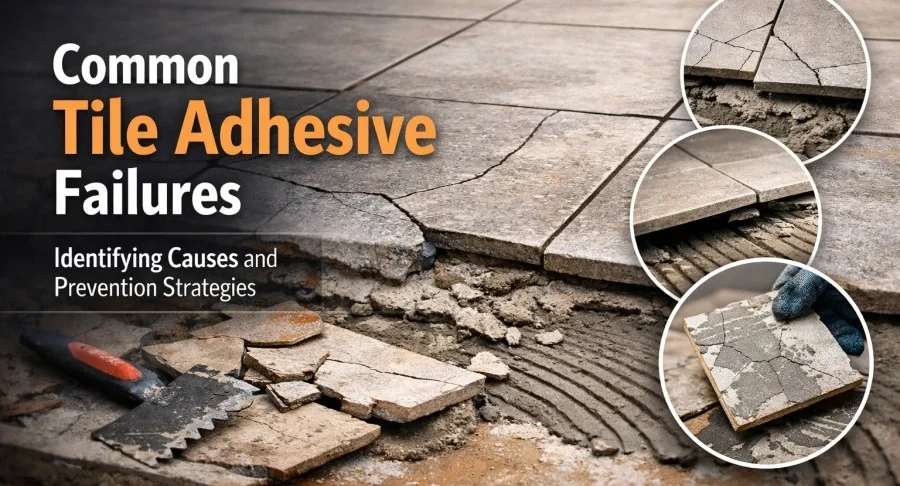
The characteristics that make tiles popular as a surface finish in both residential and commercial applications include their durability, hygiene and aesthetics. However, the long-term viability of...
Tile installation may appear to be easy, but for a long-term, successful installation, there is much more to consider than just the surface. One of the most overlooked aspects of tile installation...
Cement has been used for fixing floor tiles for many years. It is usually readily available and has an established presence on construction sites. Because construction methods have changed so much...
Perfectly finished walls are never just luck. They're created by using the right materials, applying them in the right order, and putting in concentration to minimize mistakes at every stage of applic...
Concrete is a key factor in constructing many types of infrastructure. Due to these reasons, structures typically rely on concrete for both compressive strength and durability. However, there are...
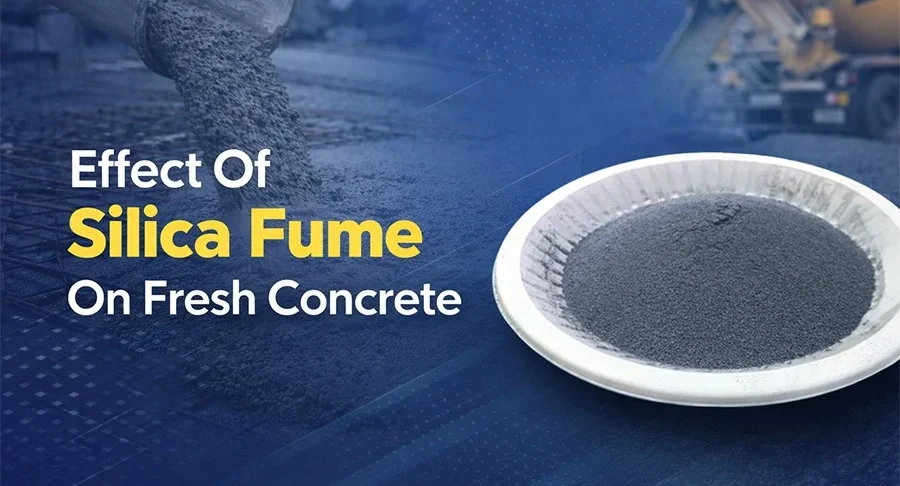
When determining how well-in-place a building will turn out, one must consider how the performance of freshly finished concrete can impact its final strength and durability, as well as its overall fin...
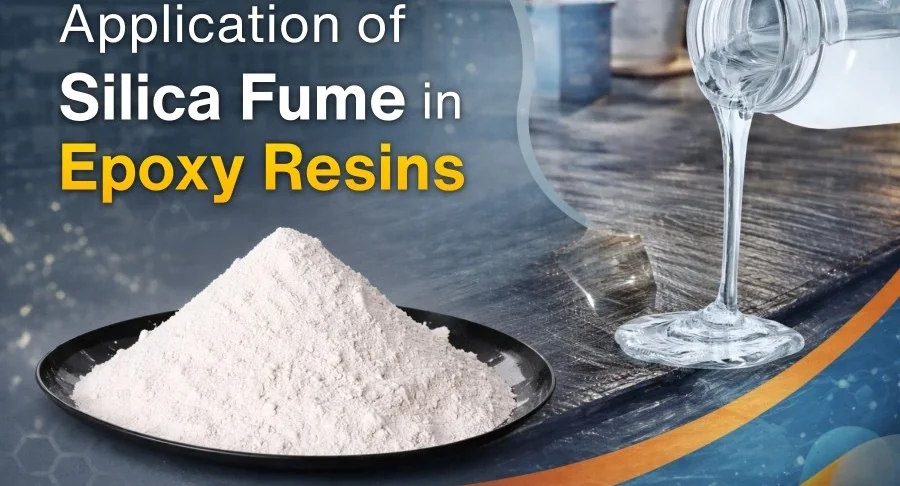
Silica fume is a highly effective filler that can improve the mechanical, thermal, and durability characteristics of epoxy resin systems. The application of silica fume in epoxy resin systems enab...
To meet the requirements of contemporary building methods, today's materials must be resilient and simple to use. They also need to be reasonably uniform with regard to their characteristics and relia...
Micro silica is a tiny particle material made from ferrosilicon and silicon metal alloys. Silica fume powder is a fine-sized powder that is 100 times more minute than cement and fly ash. The silica fu...
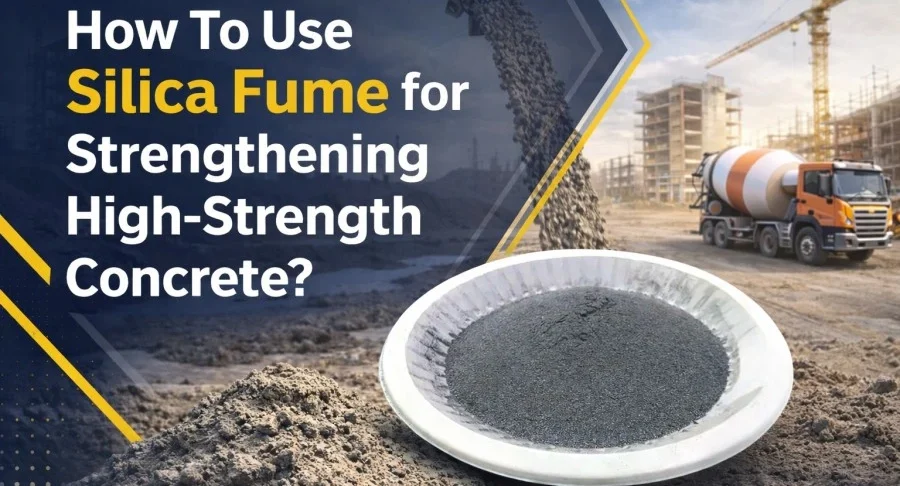
Strength and durability have become essential components of modern construction projects. Conventional concrete alone is frequently inadequate for the demands placed on taller/bigger structures and fo...
Introduction Nanotechnology, in contrast to its name, has a remarkable influence on various industries worldwide. It is transforming industries by upgrading surface performance, efficiency and dura...
Introduction Autoclaved Aerated Concrete Blocks, commonly known as AAC blocks, are revolutionising the modern construction world because of their light -weight, higher strength and outstanding ther...
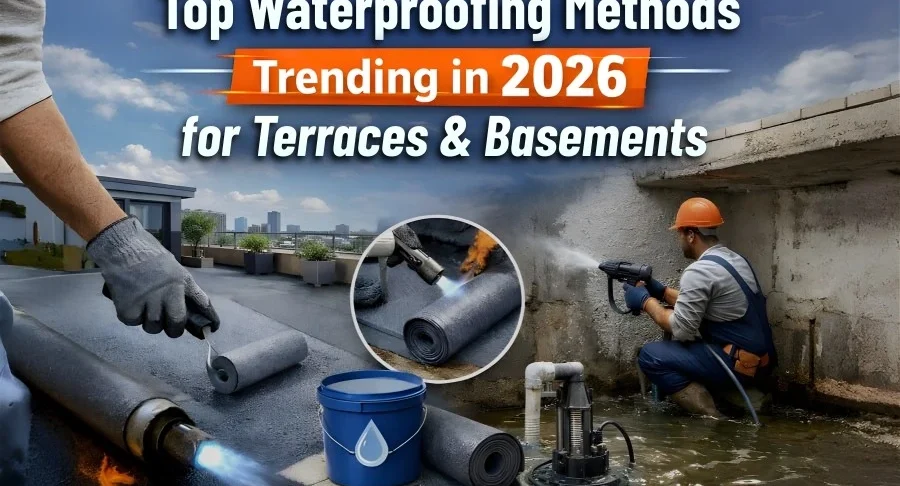
Waterproofing ceased to be an afterthought in construction at the end of an eventuality and, now in 2026, has turned into a core concept of design that materially influences the durability, security a...
Waterproofing is one of the most critical elements in construction. To ensure that a building lasts and remains safe, waterproofing must be part of the overall design. Water enters buildings via a var...
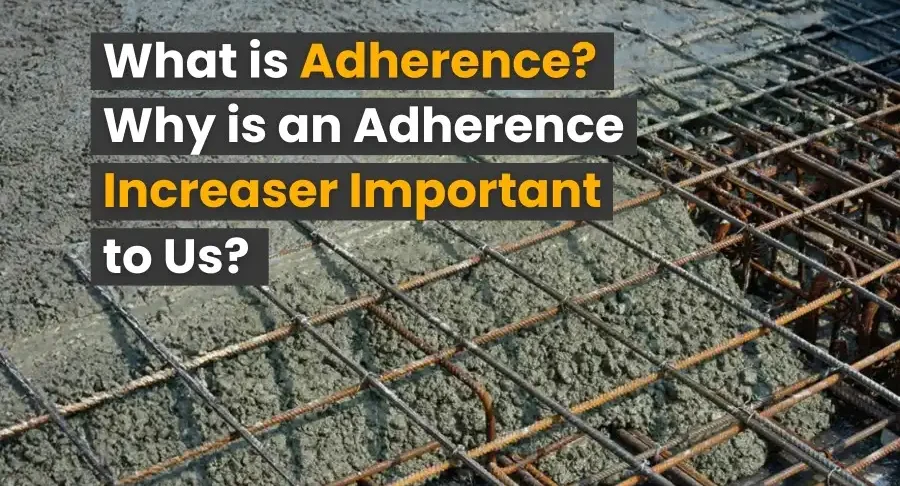
The strength derived from concrete and steel is not enough to call a structure strong; it has to do with how well these two materials work together. It is at this point (the point of bonding) that the...
In modern construction, protection and appearance must go hand in hand. Buildings today are expected to withstand harsh weather conditions while still looking visually appealing. This is where tra...
When evaluating precast concrete products, strength and dimensions are only two aspects where quality is assessed. Moreover, appearance, consistency, durability and surface finish are also included wh...
Concrete has been utilized as a major construction material due to its durability and adaptability; however, the challenge of shrinkage continues to be a significant problem for the concrete industry....