

I. Introduction
The Materials Development Industry is going through major changes as the demand for materials that are versatile, demonstrate strong performance, and exhibit sustainable attributes has risen dramatically.
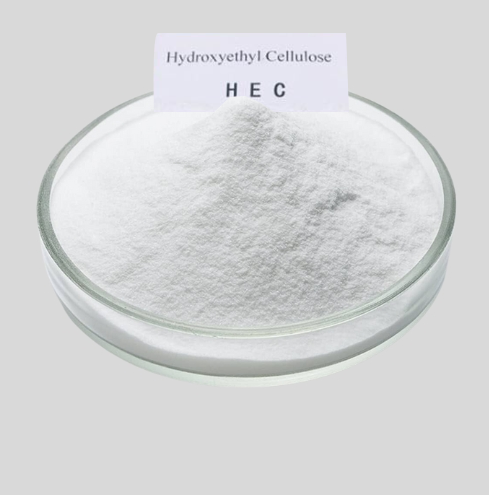
Hydroxyethyl Cellulose (HEC) is one of the most commonly used polymer materials derived from naturally occurring cellulose and can easily be solubilized (dissolved) in water.
Table of Contents
Rapidly growing numbers of businesses in various Industries (Construction, Pharmaceutical, Personal Care, Food Processing) are utilizing Hydroxyethyl Cellulose in their products.
As a result, Hydroxyethyl Cellulose has become an essential component of many formulas due to its multi-functionality (e.g., thickener, stabilizer, binder & water-retention agent).
Sakshi Chem Sciences Pvt., Ltd., utilizes cutting-edge technology, high-quality production processes, and an extensive understanding of global markets to deliver reliable chemical solutions that meet the rapidly changing needs of global industries.
This blog will examine the continuing expansion of Hydroxyethyl Cellulose’s usage, recent industry trends, applications of hydroxyethyl cellulose, and future growth potential associated with this versatile polymer material.
II. What Makes Hydroxyethyl Cellulose Such a Versatile Material?
Prior to discussing the various uses of Hydroxyethyl Cellulose it is necessary to examine why this material has gained popularity among people who work within multiple sectors.
Hydroxyethyl Cellulose has several attributes that contribute to its appeal:
- Excellent solubility in water.
- Stability of its viscosity throughout a broad range of pH values.
- Exceptional thickening & binding capabilities.
- Compatibility with a wide variety of components used in products.
- It is a biodegradable and eco-friendly material.
These properties allow Hydroxyethyl Cellulose to adapt to multiple industries without sacrificing performance.
III. Emerging Applications of Hydroxyethyl Cellulose Across Industries
Due to product innovation and increasing demand for high-performance products, Hydroxyethyl Cellulose (HEC) use is rapidly expanding globally.
1. Construction Sector
Buildings are being built better and smarter. The construction sector globally uses the most HEC of any sector because it’s such a critical component of how we make cement systems (mortar, tile adhesive, plaster, etc.) perform better. HEC does four primary things in cement-based systems:
1. Increases the working time and helps ensure that they can be applied easily.
2. Provides higher water-holding capacity, preventing the cement from drying out too soon.
3. Increases the adhesion between layers of cement.
4. Reduces the risk of cracking.
This is especially important in hot, arid regions where the water lost from the cement can cause the structure to fail. With continuing infrastructure buildout globally to support many developing economies, demand for HEC in the construction sector continues to increase.
2. Pharmaceutical Sector
In the world of pharma, form and function are everything; therefore, HEC is extremely important as an excipient in Drug formulations. HEC is used in:
1. Tablet binding for strength.
2. Controlled-release of drugs.
3. Stabilizing pharmaceutical suspensions and syrups.
HEC is non-toxic and chemically stable, which means HEC will keep drugs effective and meet the required safety standards. As more and more people gain access to healthcare globally, HEC has become a strong contributor to the continued growth of the pharmaceutical market.
3. Personal Care and Cosmetics: Enhancing Everyday Experiences
From the shampoo you use to the cream you apply, HEC is likely part of the formulation.
In personal care products, it works behind the scenes to improve both texture and performance.
Key roles:
- Thickens formulations for better consistency.
- Stabilizes emulsions (oil + water mixtures).
- Improves spreadability and feel.
What makes it even more valuable today is its compatibility with natural and sustainable formulations, a major trend in the beauty industry.
Consumers are becoming more ingredient-conscious, and HEC fits perfectly into this shift.
4. Food and Beverage Industry: Improving Texture and Stability
Food science revolves around the concept of equilibrium through balance concerning taste, texture, and stability. HEC aids in this area of balance by providing:
- Thickness.
- Stability.
- Moisture retention.
Places in which HEC can be included in food preparation are:
- Sauces and dressings.
- Dairy products.
- Processed foods.
As well as maintaining uniform texture, it leads to greater separation prevention, which makes products visually appealing and shelf-safe.
5. Textiles: A compilation of Strength and Beauty
With regards to textile manufacturing, the physical performance and aesthetics of a product collaborate with one another; thus, HEC contributes to both operationally.
In terms of functional properties, HEC can be included and utilized in:
- As a sizing agent to ensure that the yarn has strength.
- To aid in dye distribution and absorption.
- To improve fabric finish and smoothness.
These attributes lead to improved quality, then adding visual appeal, while durability increases as the demand for higher-end textiles continues to rise on a global scale, where HEC will also play a role to assist their advancement through manufacturing processes.
IV. Key Challenges Solved by HEC Across Industries
What makes the Applications of Hydroxyethyl Cellulose truly valuable is how effectively it solves real-world problems.
Common Industry Challenges:
| Challenge | How HEC Helps |
| Poor viscosity control | Provides stable thickening |
| Phase separation | Stabilizes formulations |
| Water loss in mixtures | Retains moisture |
| Uneven texture | Improves uniformity |
| Environmental concerns | Offers biodegradable solution |
This problem-solving capability is what drives its widespread adoption.
HEC Global Market Forces Supporting HEC Market Growth.
Globally, all market trend activity will impact HEC’s market demand.
HEC Demand will be influenced predominantly by the following global market trends.
1. The Global Movement Toward Green Solutions
Consumers and industries that contaminate their environment are moving to provide their consumers with more environmentally friendly solutions. Because HEC comes from a natural source, it provides an eco-friendly option to manufacturers of textiles.
2. The Global Regulatory Move Toward Stringent Regulation of Synthetic Chemicals
The number of countries globally that have placed regulations on synthetic chemical products has continued to grow. Therefore, the demand for alternatives to synthetic chemical products, including HEC, has greatly increased.
- Cosmetics
- Food
- Pharmaceuticals
3. The Rising Demand in Emerging Markets
Rapid industrialization occurring in 2 emerging markets (Asia-Pacific, Latin America) has spurred the demand for:
- Building material.
- Personal Care products.
- Industrial Chemical Products.
4. Ongoing Technological Advances
Ongoing technological innovations have improved upon HEC’s capabilities making HEC better suited for complex formulations and providing more applications than ever before.
Future Growth for HEC
The outlook for HEC is quite positive, due to numerous growth opportunities.
1. Demand for Sustainable Materials
Sustainability has become an integral part of our lives.
As a natural cellulose polymer derived from plants, HEC provides a biodegradable and green alternative to synthetic polymers.
2. Stricter Regulations
With the increased regulation of chemical usage by governments, HEC can meet the growing demand for:
Non-toxic ingredients, safe compound additives, and environmentally compliant raw materials in almost every industry.
3. Expansion of the Developing World
As developing countries throughout Asia, South America, and Africa grow rapidly, there is an increased need for HEC in these markets:
- Construction
- Personal care
- Manufacturing
4. Innovation in Formulation Technology
Many of the latest technologies are allowing for higher-performing versions of HEC:
Manufacturers can develop high-performance grades, customized formulations, and application-specific solutions.
Why Choose Sakshi Chem Sciences?
Sakshi Chem Sciences Pvt. Ltd. provides innovative, quality solutions for high-performance products; with over 20 years of experience, some of our greatest strengths are:
- Advanced R&D Facilities.
- Rigorous Quality Assurance Programs.
- Worldwide Supply Network.
We strive for reliability, cost-effective solutions, and ease of use for our customers’ products. Our ultimate objective is to provide solutions to customers so they can achieve greater productivity and performance.

Conclusion
Hydroxyethyl Cellulose is rapidly expanding its applications in every sector of the worldwide market because of its versatility, safety, and sustainability. From construction and pharmaceuticals to cosmetics and food, Hydroxyethyl Cellulose is critical for enhanced product performance and meeting the demands of modern industries.
As industries continue to develop and consumer expectations shift toward the use of eco-friendly and high-quality materials like Hydroxyethyl Cellulose, demand for these products will only continue to rise.
As your trusted partner, Sakshi Chem Sciences Pvt. Ltd. provides innovative, dependable and high-performance chemical solutions, allowing you to maintain your competitive edge within the global market.
FAQs
1. What are the current global market trends for Hydroxyethyl Cellulose?
The global Hydroxyethyl Cellulose market is experiencing growth as a result of demand in construction, pharmaceuticals and personal care products.
2. What factors are driving the growth of the Hydroxyethyl Cellulose market?
Some key factors driving growth in Hydroxyethyl Cellulose include; the fact that Hydroxyethyl Cellulose can be used in many different ways, increasing demand for eco-friendly products, increasing research and development investment and regulatory changes moving to the use of safer chemical compounds.
3. Which regions are leading the Hydroxyethyl Cellulose market?
The major regions for Hydroxyethyl Cellulose continue to be North America and Europe due to the presence of advanced technology and highly developed industrial economies. However, the Asia-Pacific region is emerging as a fast-growing region for Hydroxyethyl Cellulose.

Sagar Telrandhe is a Construction Engineer with a B.Tech in Construction Engineering & Management. Passionate about infrastructure development, project planning, and sustainable construction, he specializes in modern construction techniques, project execution, and quality management, contributing to efficient and innovative building.