
Introduction: How We Build Has Changed Since human civilization began, shelter has been one of the three critical life-sustaining human needs, along with food and clothing. Initially, our ancestors...
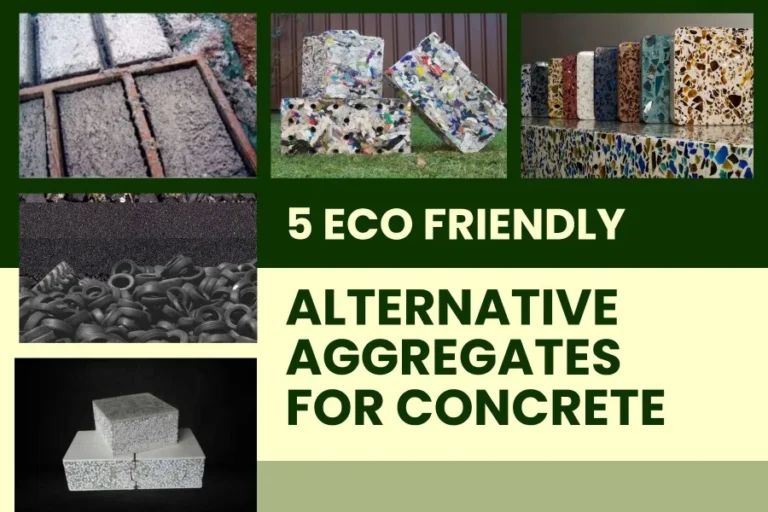
Did you know that concrete is the second-most consumed substance globally after water? It may be surprising to learn that the concrete industry is a huge global industry, worth over $137 billion. If...
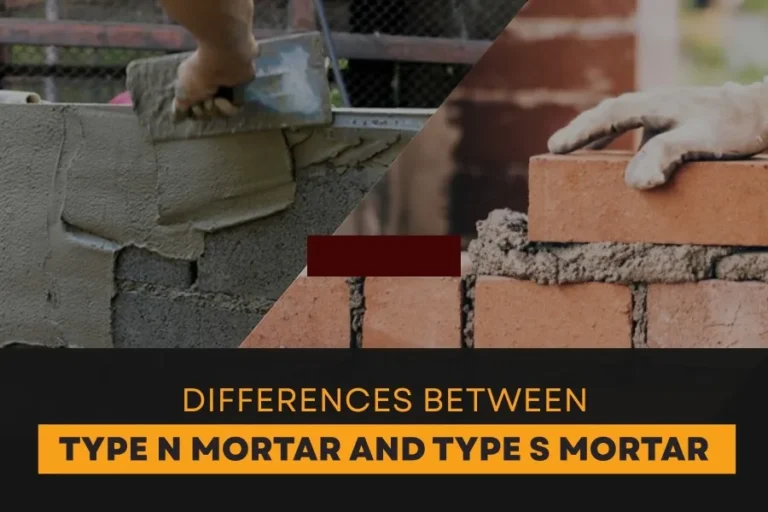
When taking on a masonry project – from building a retaining wall, repairing a foundation, or laying decorative brick – choosing the proper type of mortar can be the most important choice you’ll...
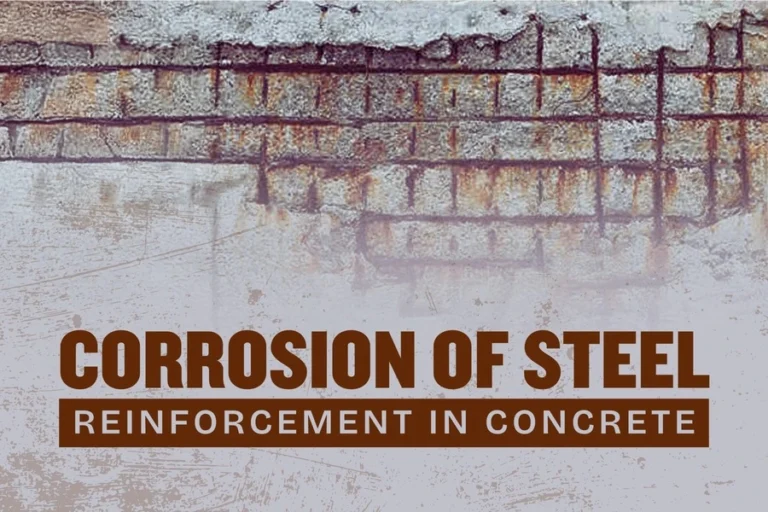
Steel and concrete are practically a match made in construction heaven – strong, long-lasting, and universally used to construct everything from bridges to highways to buildings to dams...

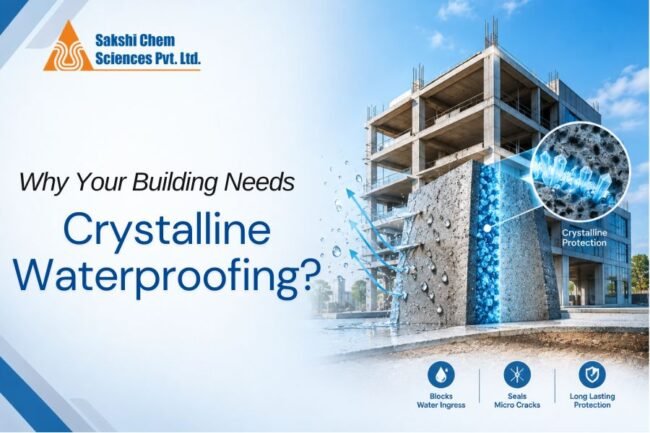
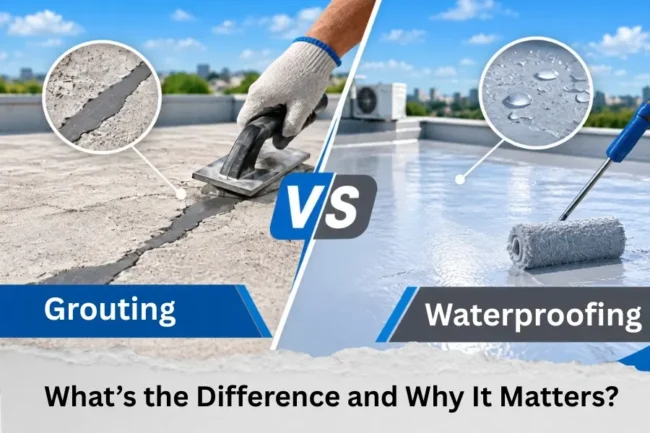
Water leaks are more than just an inconvenience; they can cause serious damage to your house and expose you to health risks like mould, rot, and costly repairs. If you’ve ever noticed stained...
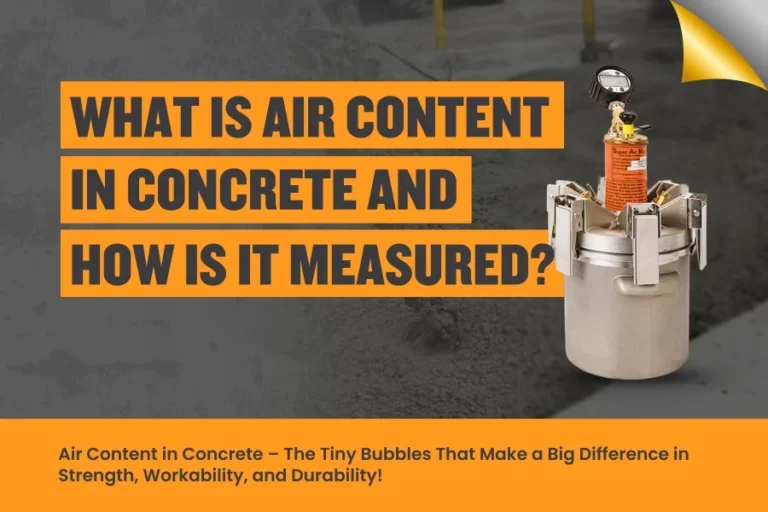
Concrete is one of the most useful and trusted materials for construction today. Whether it’s a mega bridge or a simple sidewalk, it provides strength, durability, and longevity. Concrete can appear...
In today’s construction world, reinforced cement concrete (RCC) has become the standard durable and long-lasting material to create most structures. RCC is a combination of two strong materials:...
For centuries, concrete has laid the framework for construction, but with the changing demands of modern infrastructure, materials need to change. This is where the next generation of polymer-modified...
The selection and processing of raw materials is the first important step in the production process of cellulose fiber. Refinement, drying, and quality control come next. Textiles, packaging, and...
Concrete is still one of the world’s most utilized construction materials and is prized for its strength, versatility, and durability. Unfortunately, the production of cement, one of the major...
Have you walked into a room recently and noticed little lines running up the wall? Maybe they were above a door frame or quietly along the corner of the ceiling. Cracks in walls are something most...

When you start to plan a painting or coating project, one of the most important decisions you’ll face is which emulsion to choose. While there are several options available for use, the right...
When creating high-performance water-based coatings, selecting the right Hydroxyethyl Cellulose (HEC) is important. HEC acts as an essential rheology modifier that will have an effect on the viscosity...
If you work in the construction world, particularly if you work with material science and concrete, it is easy to overlook the microscopic helpers that do the heavy lifting in the concrete. One of...
The construction industry is always changing and continually looking for materials that provide better performance, efficiency, and sustainability. HPMC is one of so many products that can enhance the...
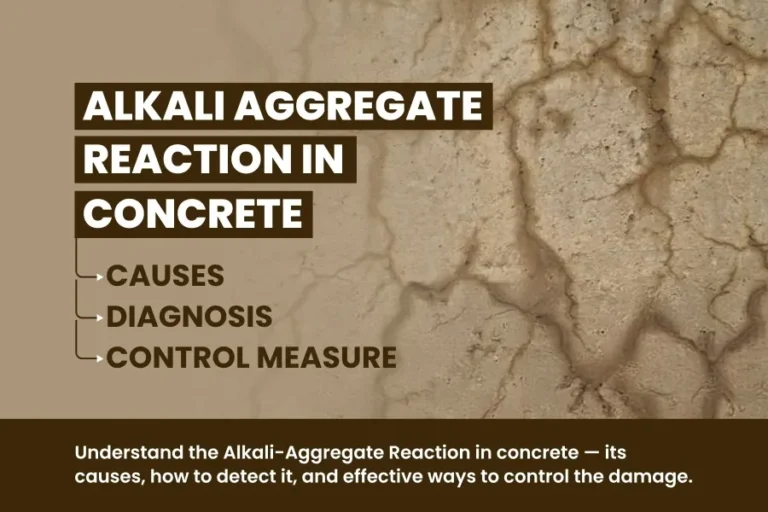
Concrete is an essential construction material that is known for its incredible strength, durability, and versatility. One often overlooked problem that can seriously affect the service life and...
Concrete is a useful material used in construction. But did you know that there are over 20 different types of concrete? Each type of concrete has unique qualities and intended uses. Different types...
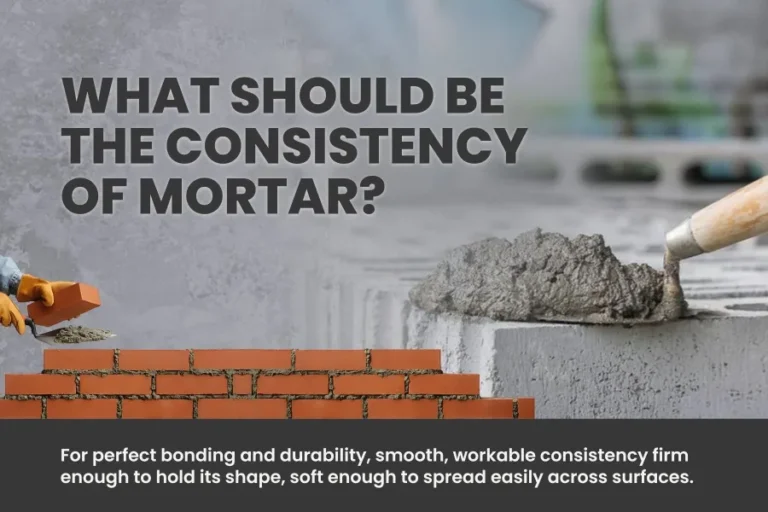
If you have done any kind of work with mortar, whether it be laying bricks, rendering walls, or installing tiles, you usually know how important it is to get consistency right. It is one of those...
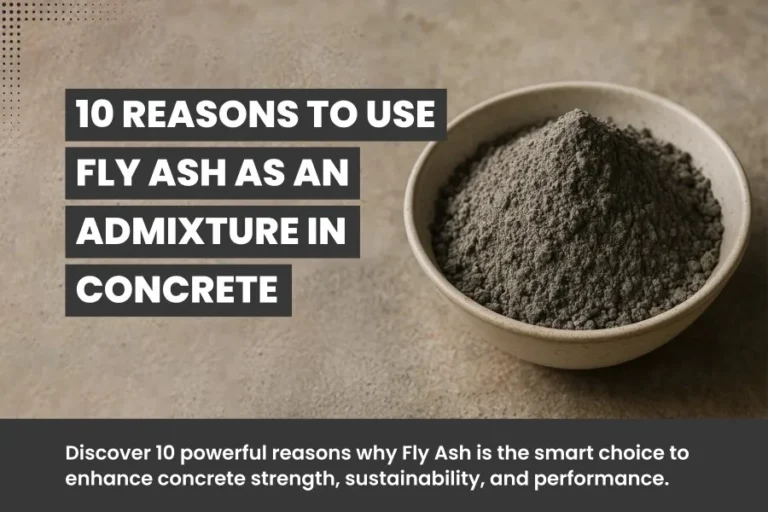
Introduction Concrete is the bedrock of modern developments; however, its applications have limitations. In order to resolve issues with cracking, workability, durability, and corrosion, many...
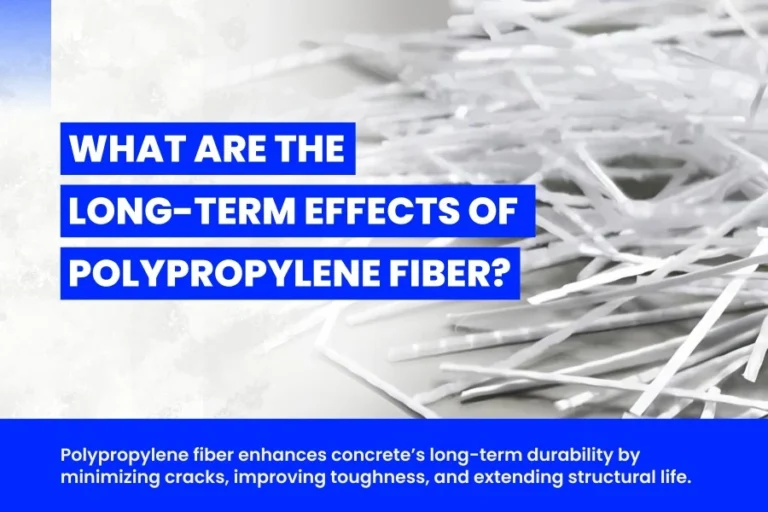
Polypropylene fiber is now one of the most abundant synthetic materials around the world. It is made from propylene monomers that are combined and spun into a fiber. It is light-weight, strong, and...

Introduction If you’re looking to renovate your old floor or fix concrete surfaces, Epoxy Flooring can be an ideal choice. It not only strengthens your floor but also gives it a better look. In...
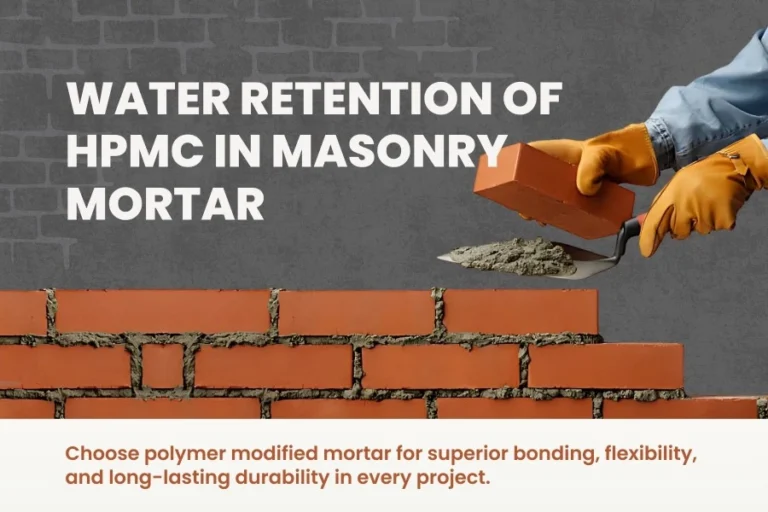
Hydroxypropyl Methylcellulose (HPMC) is a cellulose ether that has become an essential additive in modern construction specifically in cement and masonry mortar applications. In this article, we are...
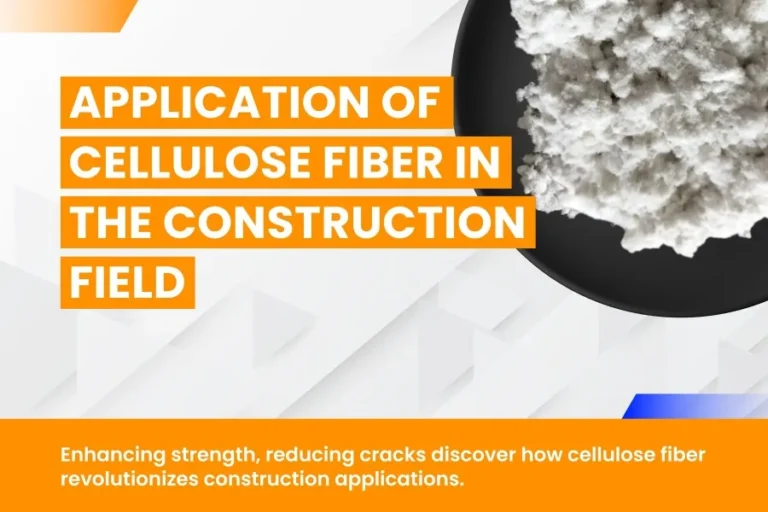
Because cellulose fiber is a naturally sourced, naturally derived, and renewable material, its use is increasing within the construction sector. More nesting for cellulose fiber products is about to...

What is Polymer Modified Mortar? Polymer-modified mortar is a compound construction material that blends polymers with the regular cement mortar. Traditional mortars are the formulation of sand...
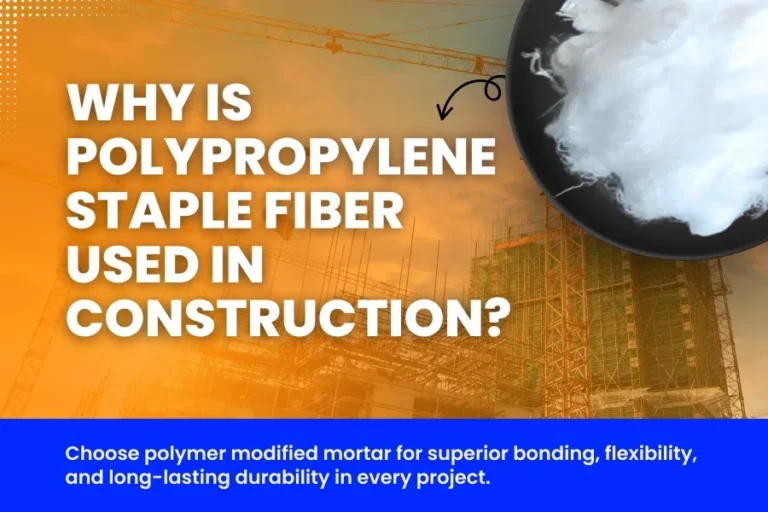
In today’s construction world, high standards for durability, safety, and sustainability mean that materials must meet the job site expectations. Polypropylene Staple Fiber is a material that...
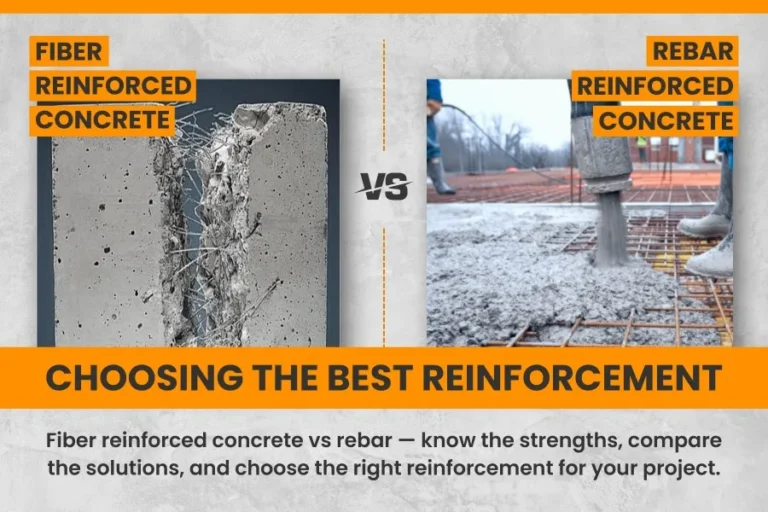
In the evolving landscape of modern construction, the discourse surrounding Fiber Reinforced Concrete (FRC) and traditional rebar reinforcement is of utmost significance. Each approach aims to...
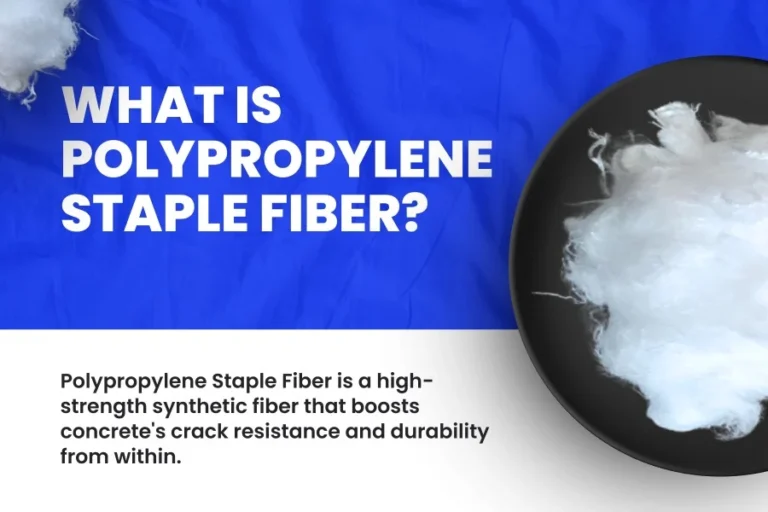
In this modern world, materials science and synthetic fiber are key in transforming a number of industries, from construction to textiles. Polypropylene Staple Fiber, otherwise known as PP Fiber, is...
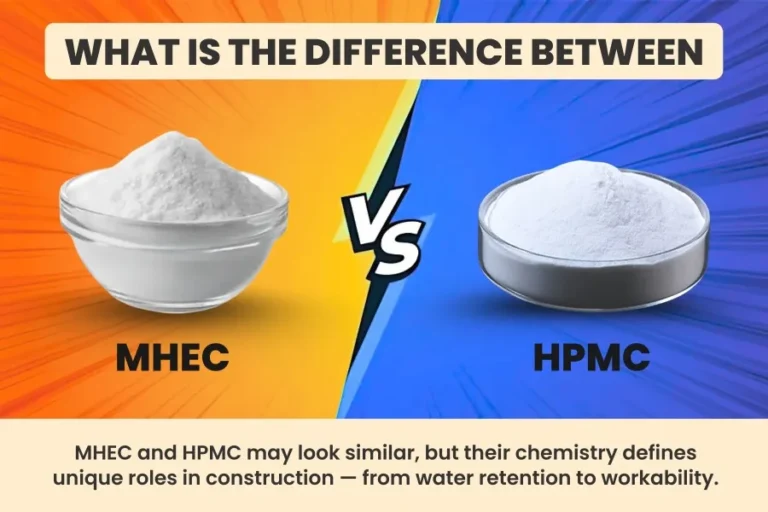
In construction and industrial applications, cellulose ethers are an important class of chemicals used in a wide variety of products. When it comes to cellulose ethers, Hydroxypropyl Methylcellulose...
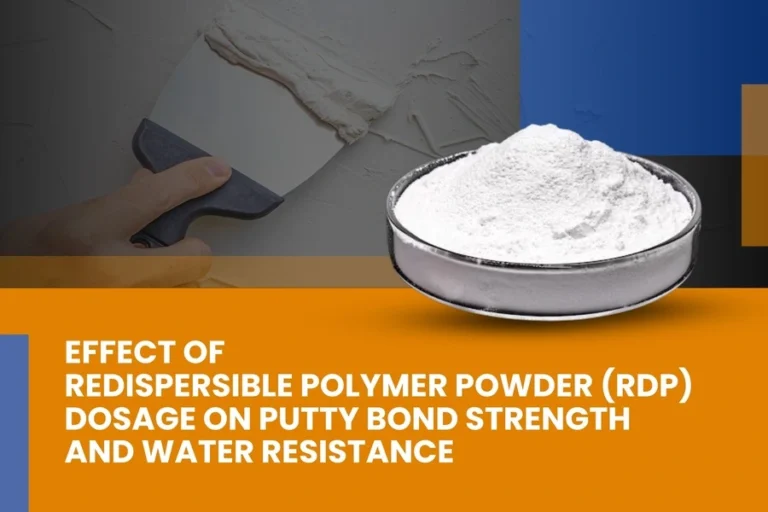
In the building industry today, the search for long-lasting, flexible, and water-resistant finishes has resulted in most wall putty formulations using Redispersible Polymer Powder (RDP). RDP is a fine...
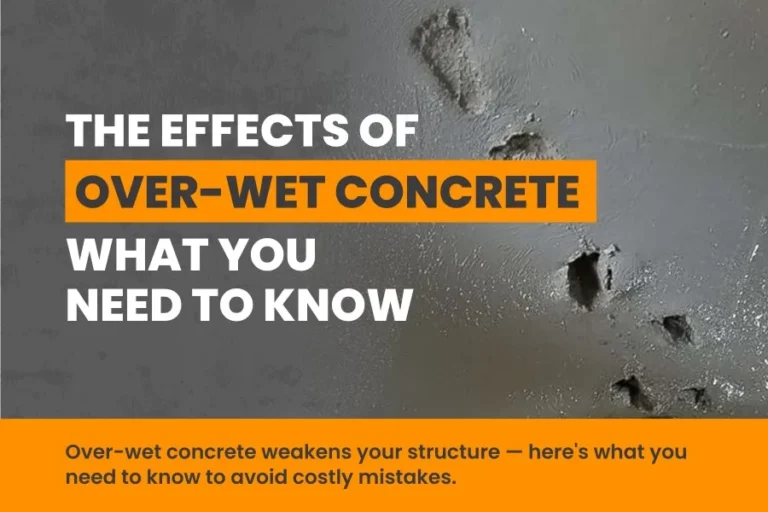
Concrete is one of those things most people seldom think about until it starts cracking, crumbling, or failing. It is the backbone of almost every man-made structure that we live, work, and walk on:...