

The film-forming temperature of an Redispersible Polymer Powder (RDP) is vital in developing the optimal performance of any product being manufactured from it for the construction industry. This...

Introduction In the food industry, Hydroxypropyl methylcellulose (HPMC) is widely used as a food additive. It is derived from plant-based natural fiber, which is a cellulose-based additive. It is...

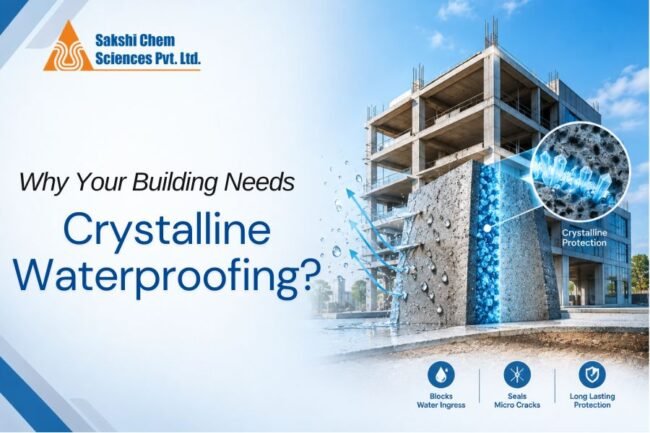
Water is one of the most problematic aspects of construction. Seepage can lead to damp walls, and uncontrolled water penetration can lead to weak structures, expensive aesthetic repairs, and ongoing...
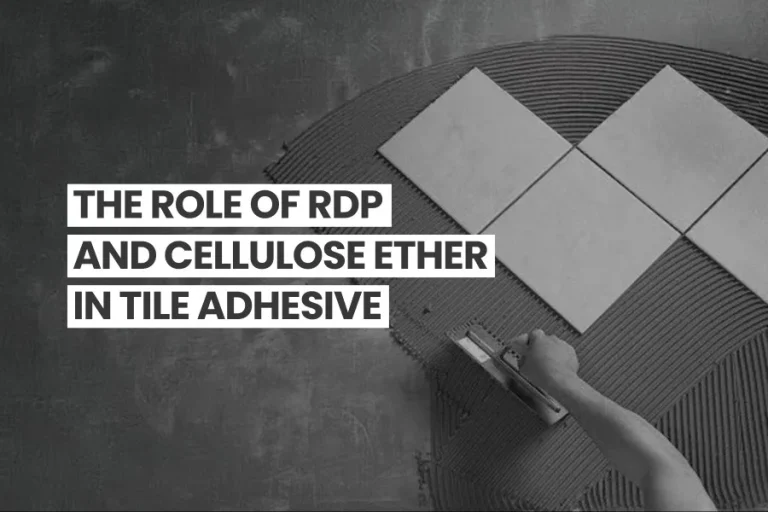
Tile adhesives have become a whole new world in construction and are the answer to modern flooring and wall tiling demands. Whether you are working with ceramic, vitrified, or natural stone, the...
When it comes to the bridges we know of today, we tend to think of them as great engineering feats that link our cities, communities, and economies together. Ranging from iconic cable-stayed mega...
Concrete is the foundation of most of the world’s infrastructure: skyscrapers, bridges, dams, highways, etc. Concrete provides the structure for almost all forms of construction. However, there...
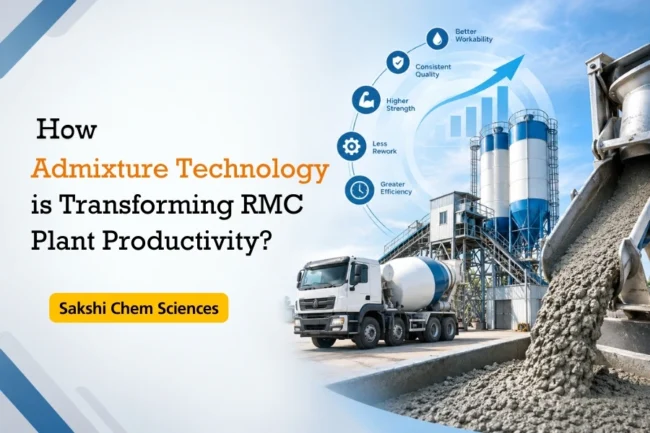
There have been incredible advancements in the construction chemical industry over the previous decades, specifically within the concrete and admixture industry. Innovations in concrete technology can...

The paints and coatings industry is experiencing a great deal of change for 3 reasons. Customer expectations have shifted, and customers demand a smoother finish, respect for the environment, and...
Polyvinyl Alcohol (PVA) has become one of the most flexible and valuable synthetic polymers in the industries of modern construction and industrial chemistry. PVA is useful in construction, but also...
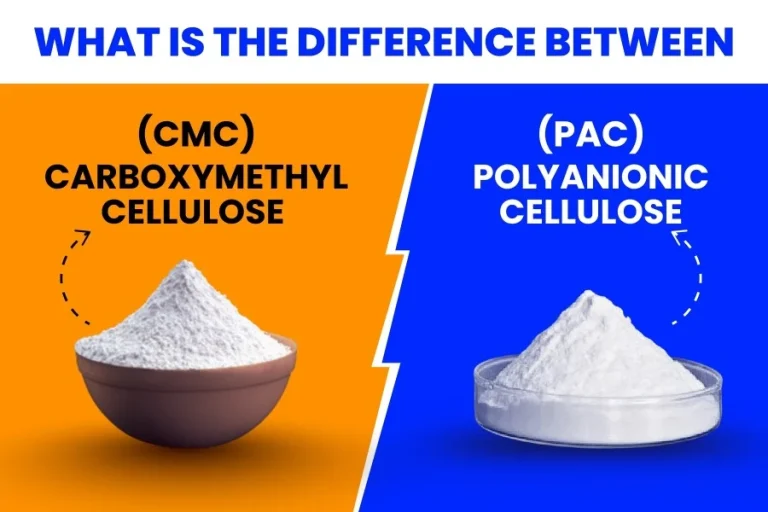
In a rapidly changing industrial and construction environment, chemical additives play an important role in improving strength, durability, and other material performance characteristics. Within this...
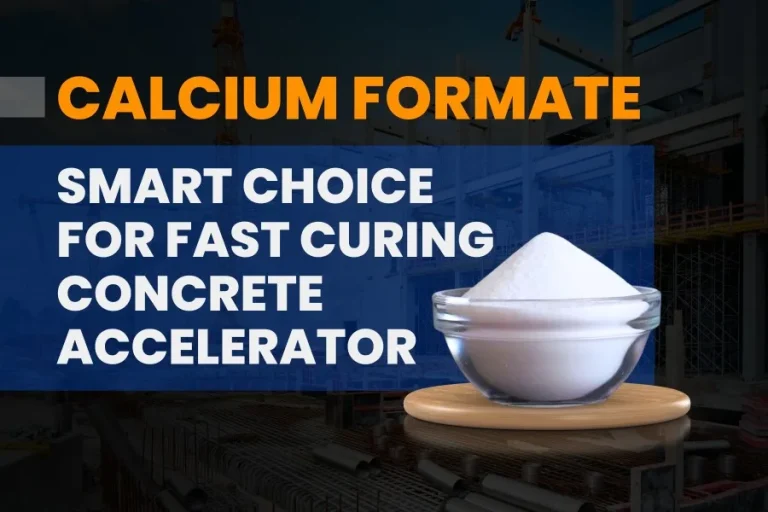
In construction, speed, durability, and efficiency are vital. Regardless of the type of project, residential, commercial, or infrastructure, all projects require a strong, reliable material, and at...
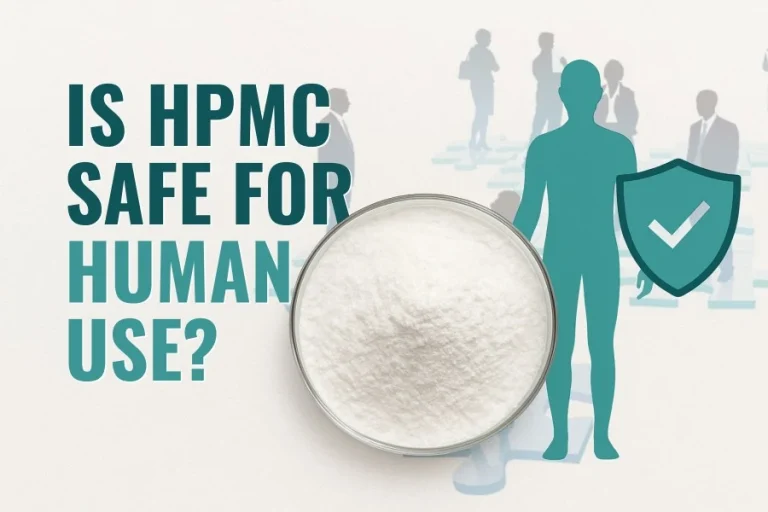
Hydroxypropyl methylcellulose, or HPMC, is one of those products in many types of products than most people realize. It is found in capsules, tablets, oral suspensions, and even eye drops. It seldom...
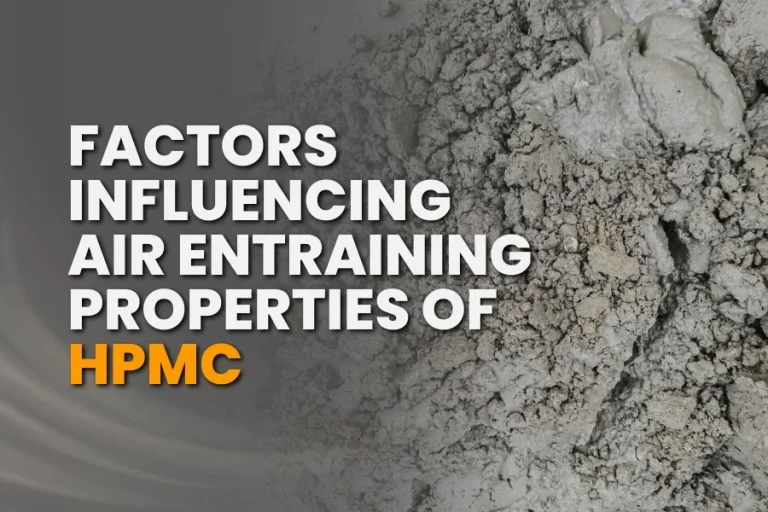
In the construction industry, Hydroxypropyl Methylcellulose (HPMC) is an essential additive, widely used in dry mix mortar, tile adhesives, wall putty, plasters, and cement-based coatings. One of the...

Mortar is the silent partner of construction. It holds bricks, locks down tiles, and maintains the integrity of structures for years. Unfortunately for builders and masons, one of the most common...
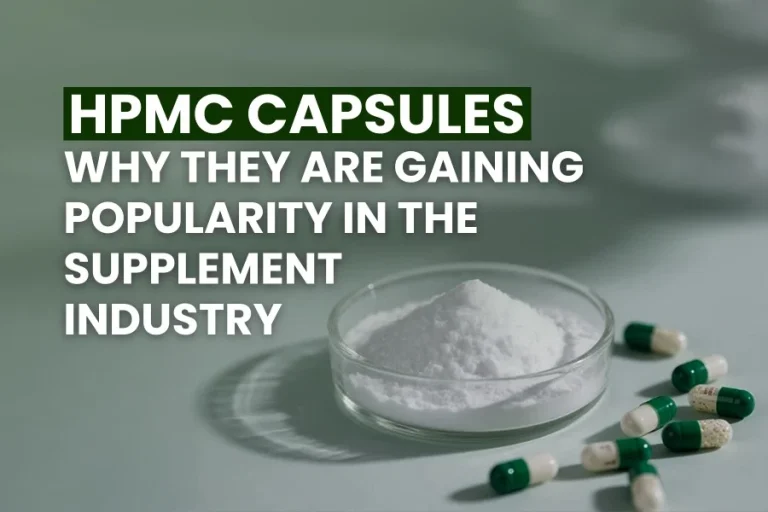
Introduction There has been a rapid shift in the supplement industry, largely driven by the complex and continuously evolving demands of customers, such as plant-based & cleaner choices. In this...

Gypsum plaster is a modern construction material that has increasingly gained popularity as an interior finish. It is regarded for its smooth finish, quick application, environmentally friendly...

When you enjoy a rich scoop of ice cream, spoon a layer of silky chocolate onto a cake, or smooth your favorite skin lotion onto your skin, you are likely benefiting from emulsifiers and not even...
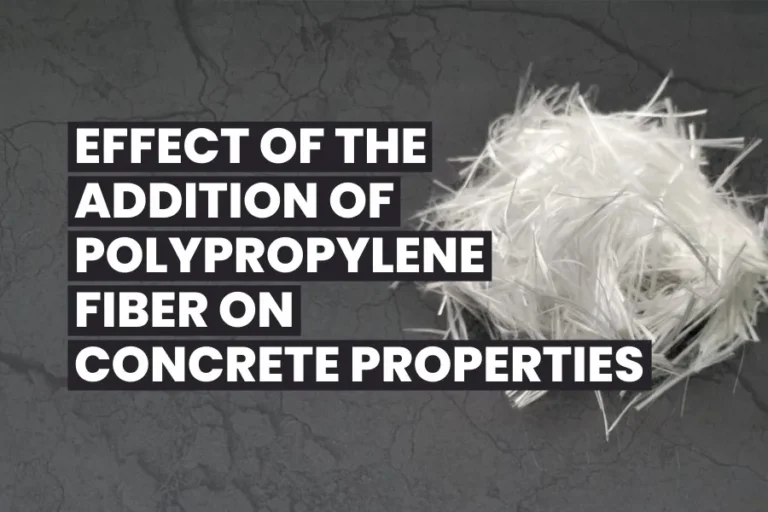
Concrete now encompasses more than its original mixture of cement, sand, and aggregate. With the expanding demands of construction, the performance of concrete required improvement. Specifically...
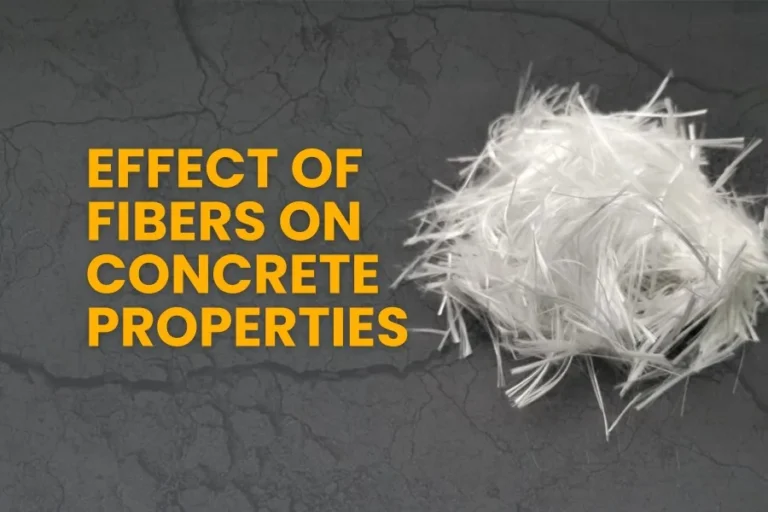
Using fibrous materials in concrete isn’t as simple as selecting fibers off a shelf; each fiber, its type, size, shape, surface finish, dosage, and distribution, all contribute to the behavior...

Introduction Concrete has been a foundational building material used for construction for hundreds of years. As strong as concrete is, it has its flaws (cracks, shrinkage, and overall deterioration...
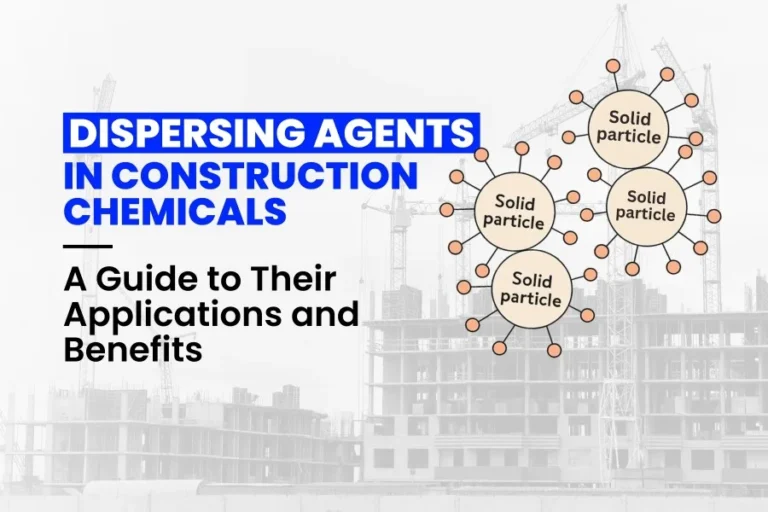
In contemporary construction, long-term performance, efficacy, and accuracy are no longer aspirational targets but prerequisites. Every construction material that is found in the field is specified to...

In pharmaceuticals, nothing is more important than precision. From the choice of active ingredients to excipients, everything is important to the safety, efficacy, and stability of the finished...
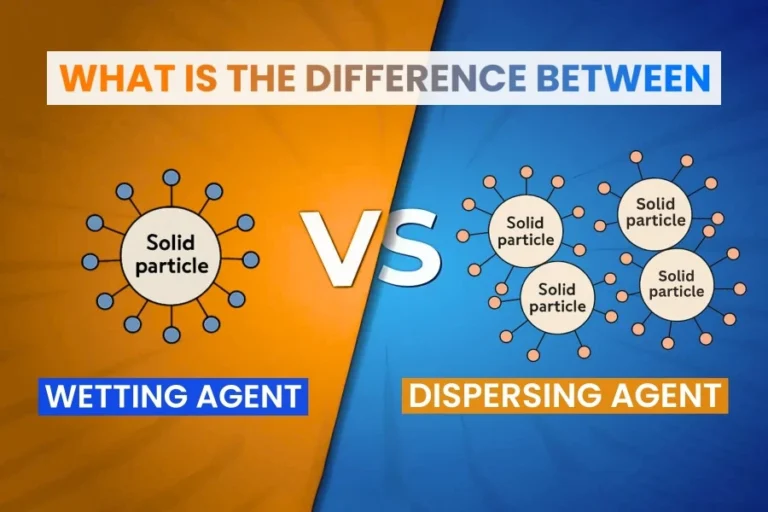
In industries such as paints, coatings, textiles, and pharmaceuticals, getting the interaction between liquid and solids precisely right can make a significant impact on product performance and...
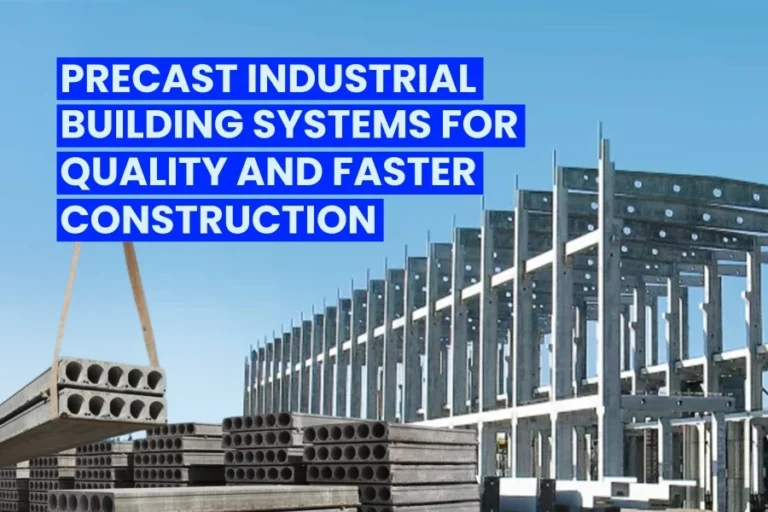
Introduction In today’s industrial world of “speed” and “quality”, construction projects on a major scale require speed and quality; as we all know, delay can be costly...
The reliability and durability of industrial flooring in high-traffic facilities (manufacturing, warehouses, and distribution centers) are of great importance. Industrial floors receive stress from...
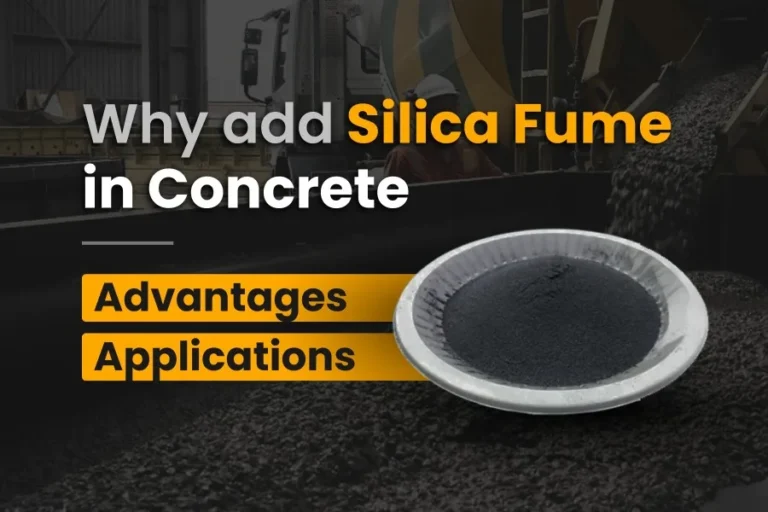
Concrete is already one of the most popular building materials in construction. But while regular concrete may suffice when it comes to strength, resistance to the elements, and durability, when we...
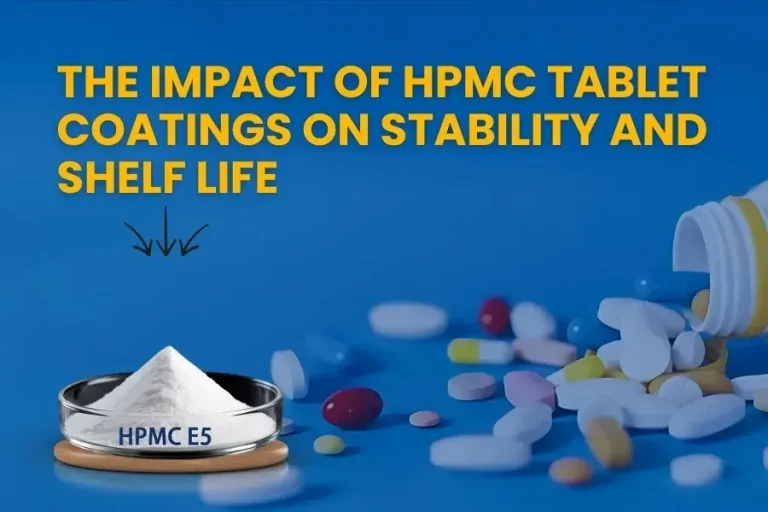
In the pharmaceutical industry, stability is more than a requirement – it’s a commitment. The commitment is that a drug that a patient takes today will still be just as effective months or years...
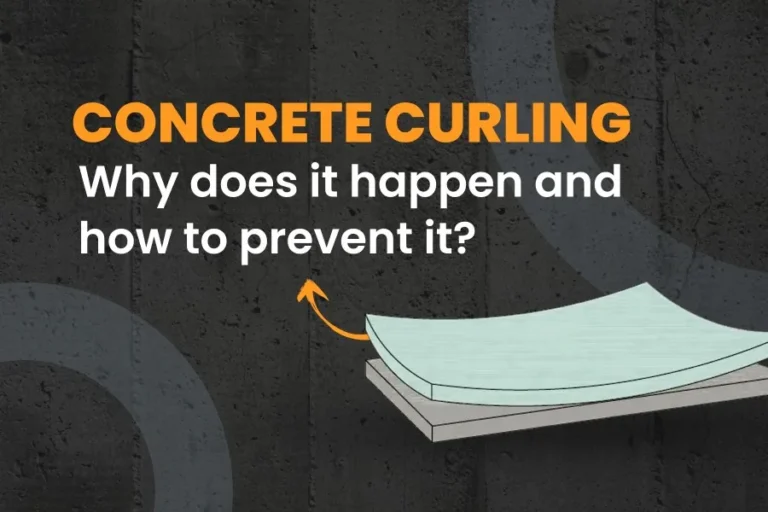
Understanding Concrete Curling Concrete curling is a condition that causes a corner or edge of a concrete slab to lift or bend, forming a curled or warped appearance. While this may not sound like a...

A building’s foundation is similar to a heartbeat in that it is invisible and its impact isn’t noticed; however, it is vital to all of the structures established building surrounding it...
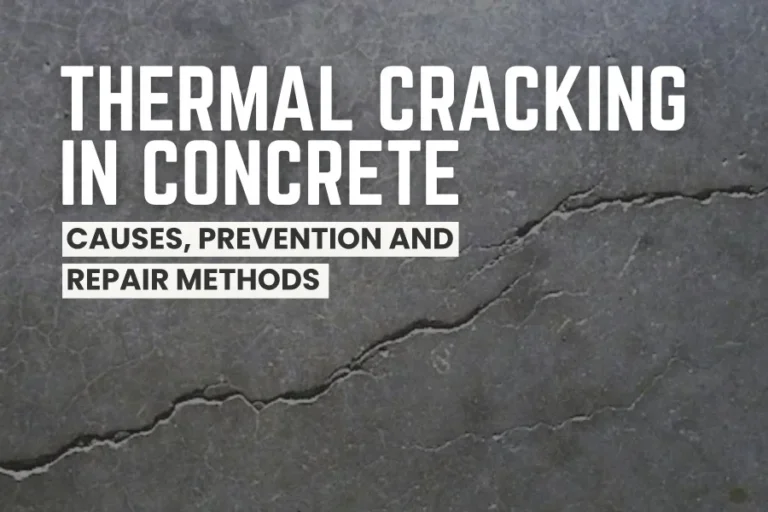
Thermal cracking in concrete occurs when a concrete element has a large temperature difference within it, causing internal stresses. These stresses will exceed the amount that the material can...