
Throughout the world, the construction industry is constantly working to formulate materials that offer optimal performance, durability, and cost efficiency, at the same time incorporating into the...
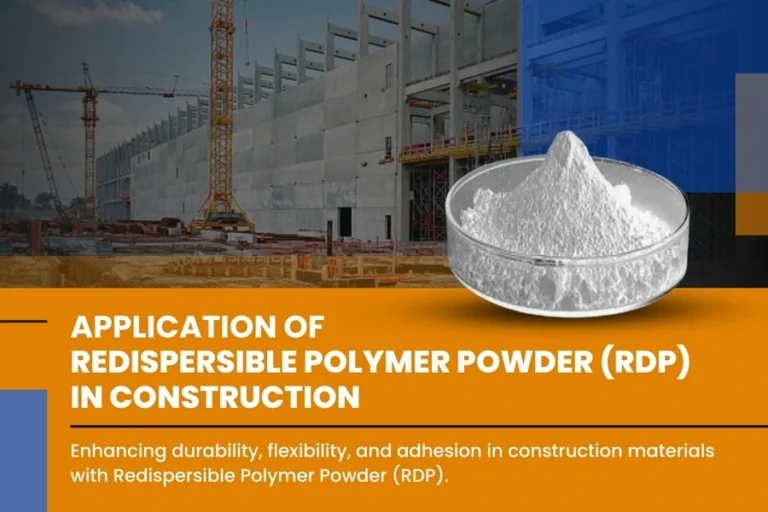
Innovation influences improvements in performance, durability, and sustainability in this sphere of changing fortune. An example is Redispersible Polymer Powder (RDP), a widely accepted polymeric...
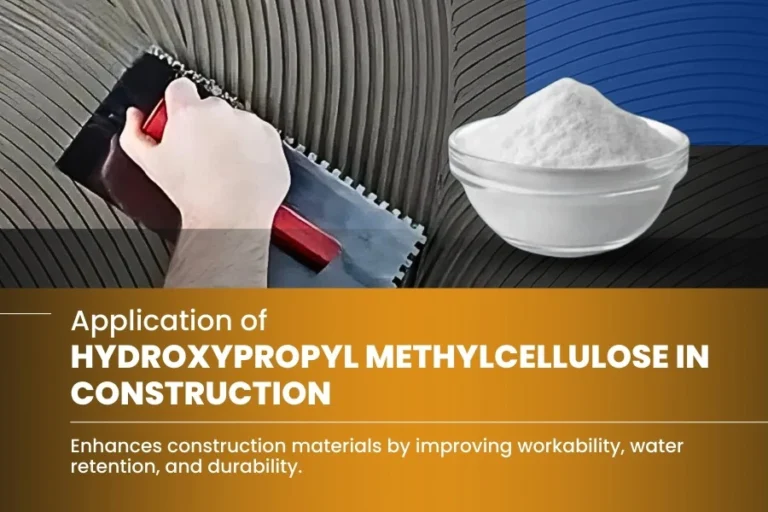
Introduction With an ever-evolving construction world, the need for modern materials and additives that will facilitate the performance, durability, and efficiency of building projects is on the rise...
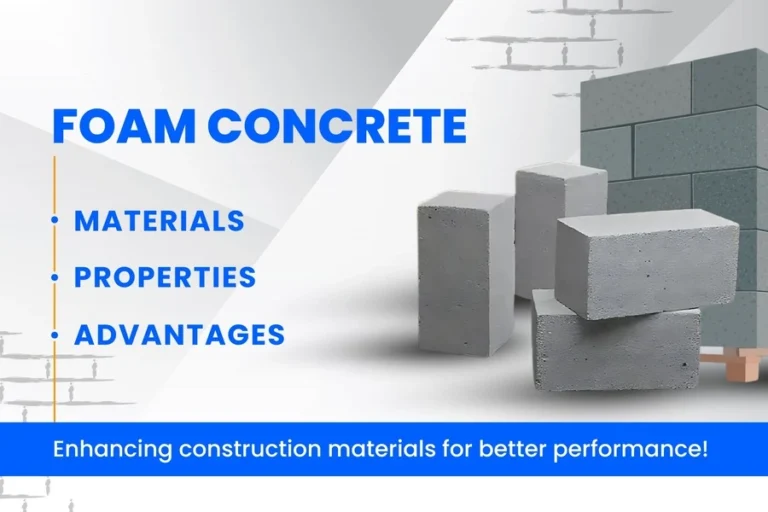
Foam concrete, also known as cellular concrete, lightweight concrete, is a material that has become very appealing to the construction and civil engineering industries. Very low density, between 400...

Introduction Any inconsistencies in levels and heights shall prove to be problematic when you are undertaking the tiling, weeding out vinyl, lamination, or carpeting. In such cases, the facility to...
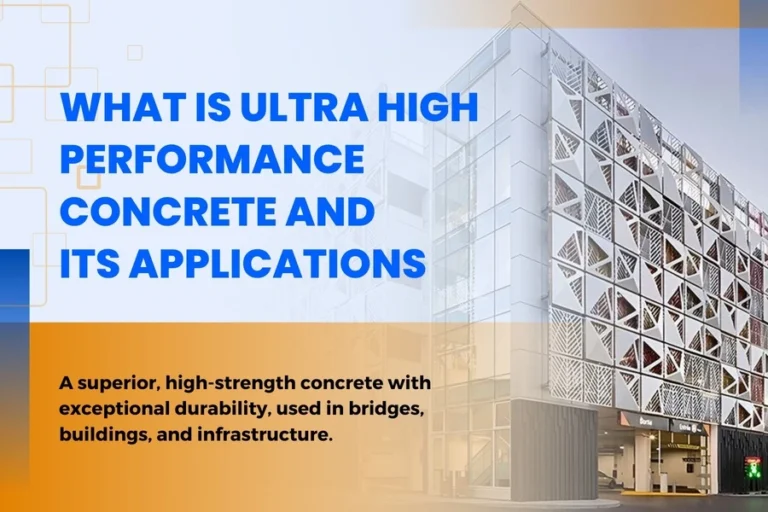
What is Ultra-High Performance Concrete? Ultra-high performance concrete, or UHPC, is a next-generation construction material that yields a prime strength, durability, and resiliency performance...
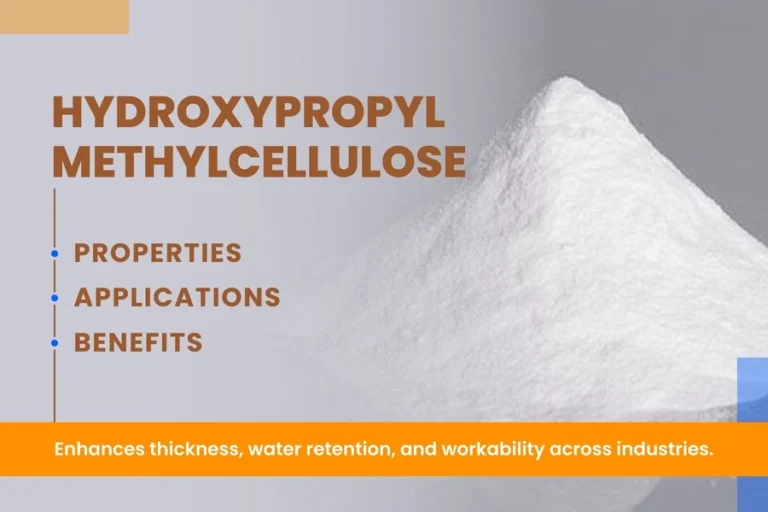
Introduction Hydroxypropyl Methylcellulose (HPMC) is a chemical modification of cellulose and is most extensively used among the many industries, ranging from pharmaceuticals, cosmetics, and food to...
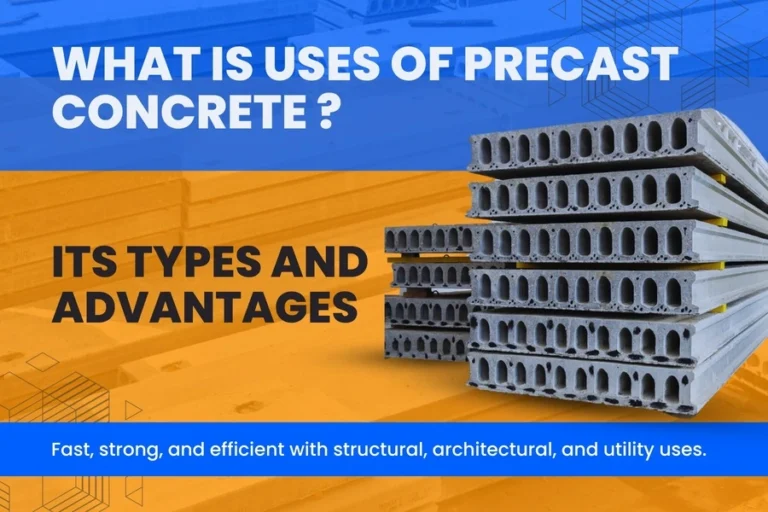
Precast concrete is a construction material that has revolutionized the way we build structures by providing fast, durable, and versatile options. This blog will outline the uses, types, advantages...
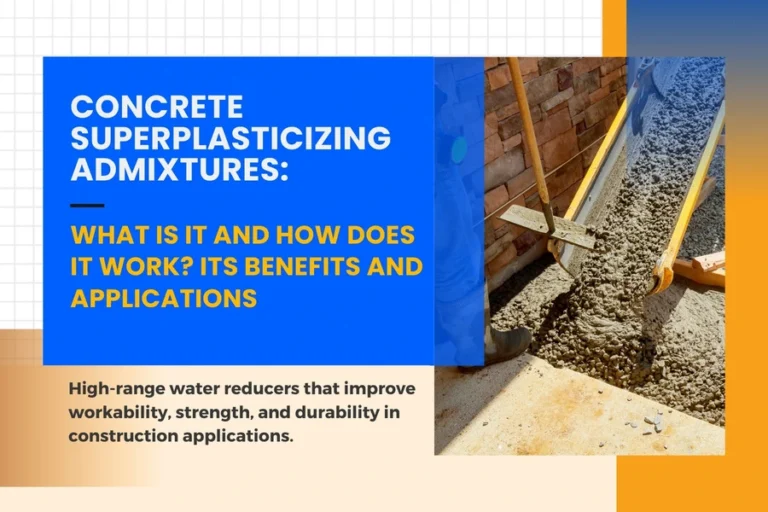
When the word concrete comes into our mind we start imagining an unyielding or a hard, solid material which would be perfect for construction. But do we ever think how this concrete is made flexible...

Since ancient times, the use of concrete has been the backbone of construction activities. The combination of strength, permanence, and versatility, its advantages as a material in all types of...
Concrete is one of the most widely used construction materials around the world owing to its durability, strength, and versatility. The properties of concrete can sometimes even be improved or...

Introduction to Accelerators in Concrete Concrete is the most common construction material, but they all have but one drawback: setting time. In many cases, construction requires concrete to set...
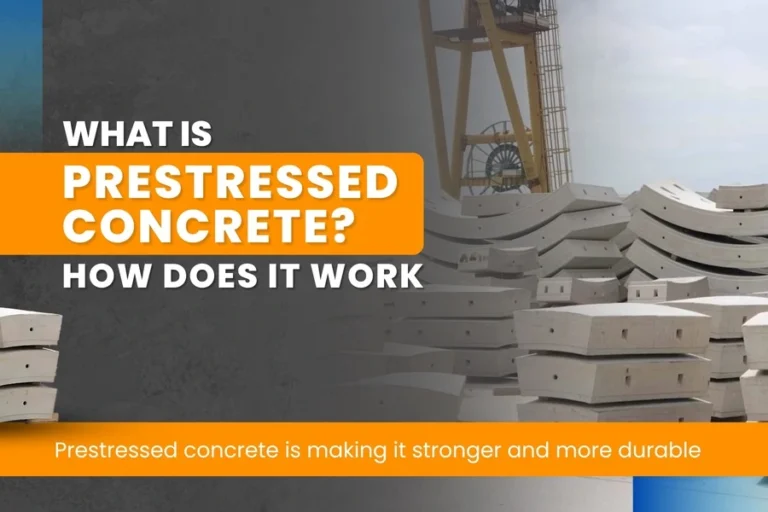
When we talk about construction, the first thing that appears in our minds is concrete. Concrete is an integral part of construction and is widely used in this industry. However, there are some...
Introduction Concrete is often regarded as a practical and utilitarian material used primarily for sidewalks, driveways, and foundations. However, there’s another side to concrete that has gained...
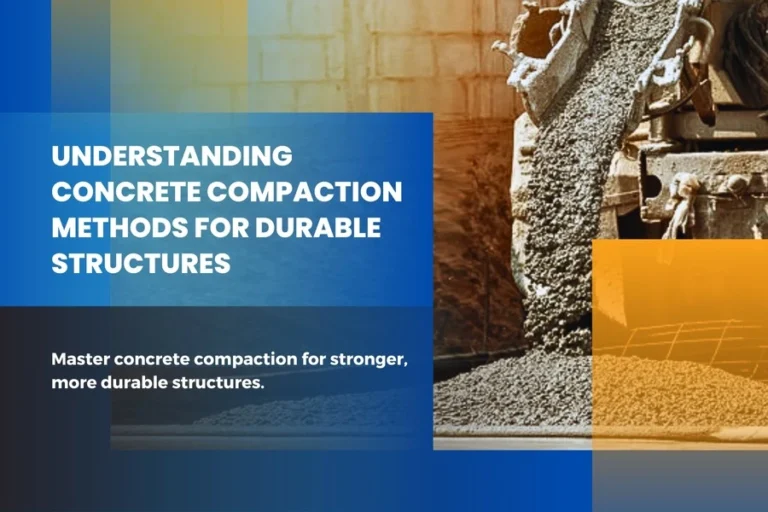
Concrete compaction is an important technique for the relationship between strength, durability, and integrity related to any construction task. It may be the most important feature since the high...
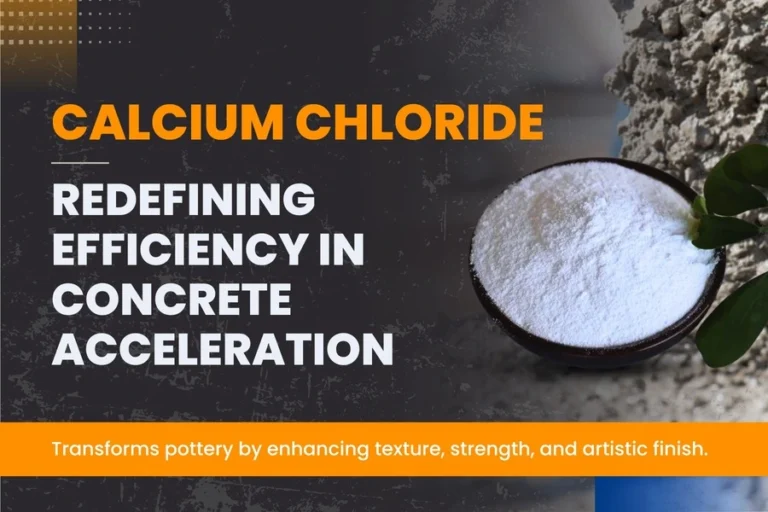
Calcium Chloride (CaCl2) is the most widely used accelerator for cement because of its potency and level of purity. An estimated 9 billion cubic yards of concrete are produced annually. It is the...
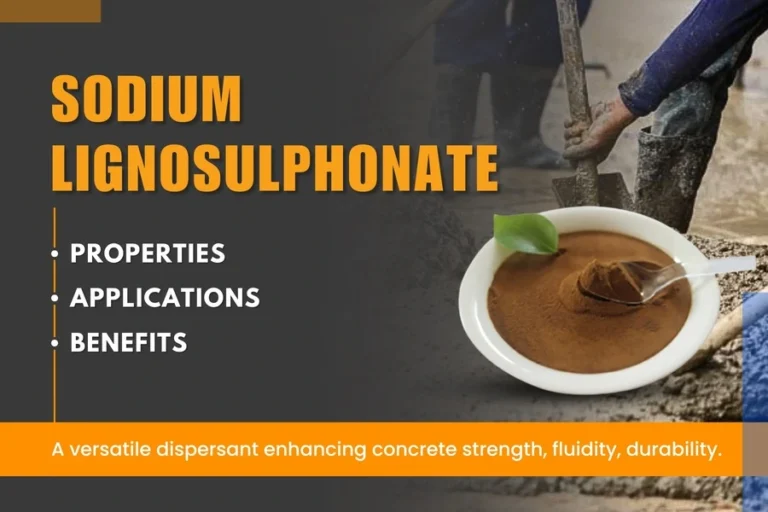
Sodium lignosulphonate is a multipurpose, eco-friendly chemical made from lignin, a by-product of wood pulping. It is reputed to have excellent properties of dispersion, binding, and emulsification...

An admixture is a substance that is added to a batch before or during mixing and is used as an ingredient to change the qualities of a cementitious mixture, whether it is freshly mixed, setting, or...
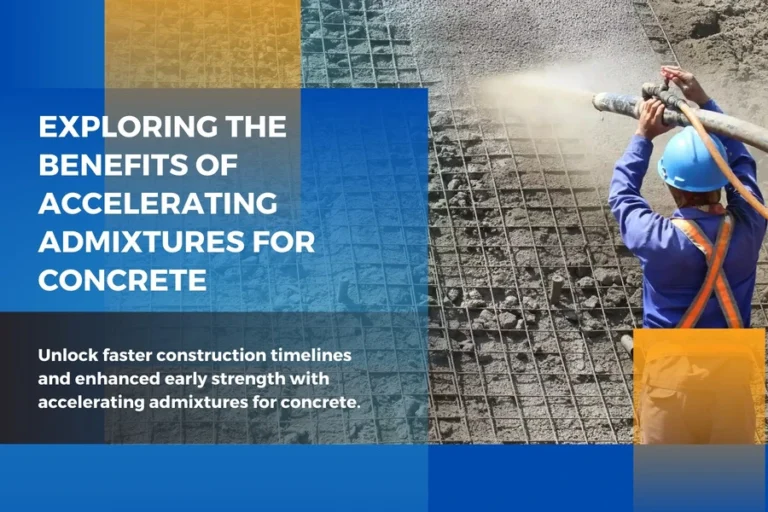
Concrete has continued to serve as the backbone of modern building, as there is a need for durable bases on which cities and infrastructure are built. Its strength and flexibility further constitute...
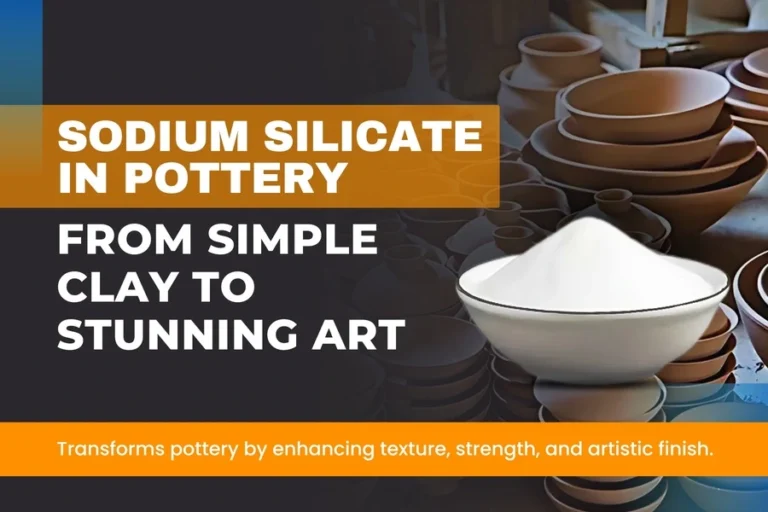
Water glass, a term used for sodium silicate, is a chemical with many industrial uses. How to Use Sodium Silicate in Pottery? Sodium Silicate in Pottery: Advantages of Using it as a Binding Agent This...
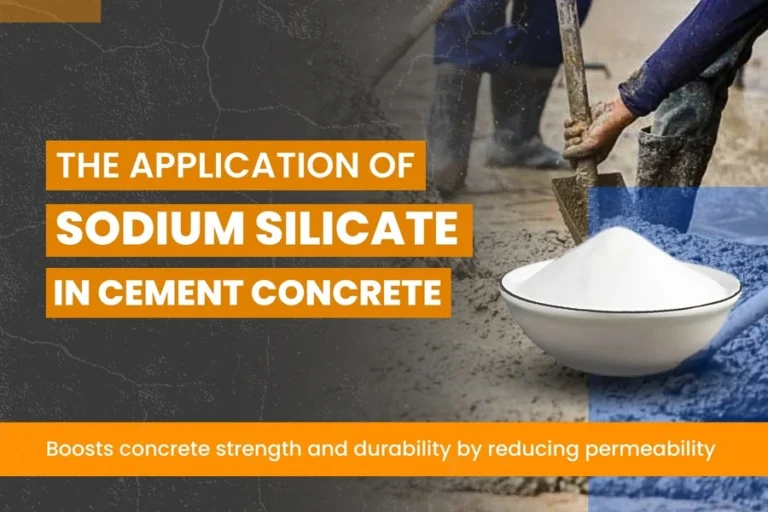
Sodium silicate, an inorganic compound with the chemical formula Na2SiO3, is commonly referred to as efflorescent alkali due to its alkaline nature and reactivity towards acids. This compound...

Did you know sodium silicate is a highly versatile compound and plays a vital role in all industries, mainly in the manufacture of cleaning products? This key substance is an important component in...
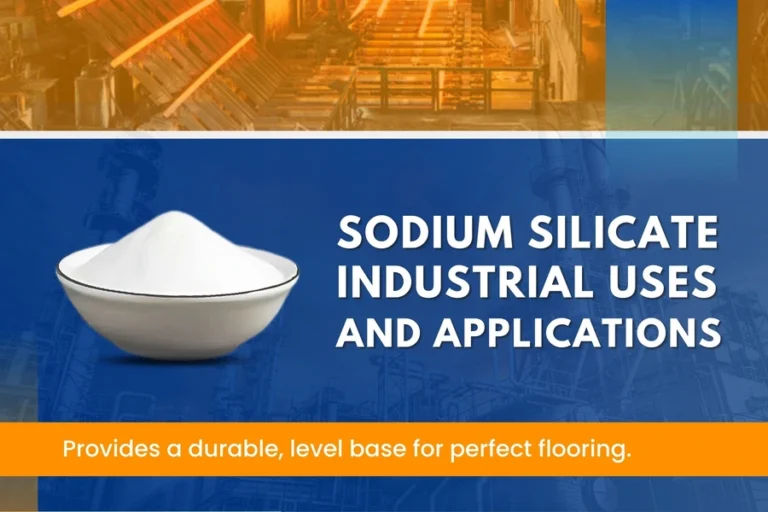
Introduction Sodium silicate, often called water glass, is a multifunctional chemical compound with applications including its adhesive, binding, and cleansing properties. It is regularly encountered...
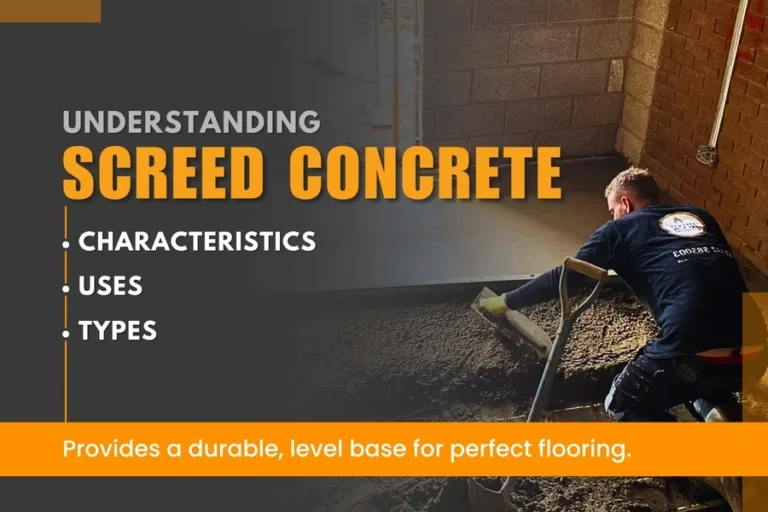
Concrete is the most common material used in construction worldwide, and screed concrete is a crucial component for creating complex designs and building strong structures. Basically, this type of...

Concrete is a crucial component for any building project, large or small. It comes in various forms and types, of which the Autoclaved Aerated Concrete (AAC) blocks are among the most popular options...
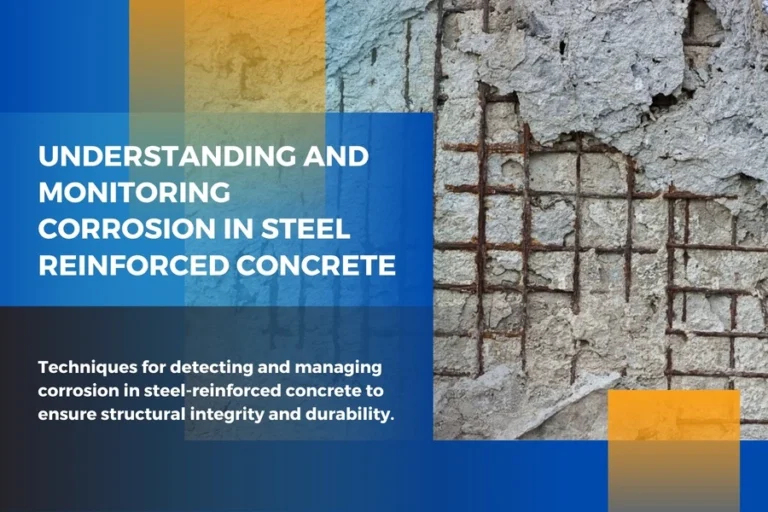
Concrete is the most widely used building material around the world, with steel reinforced concrete being incredibly popular. The incredible strength of steel reinforced concrete makes it an ideal...
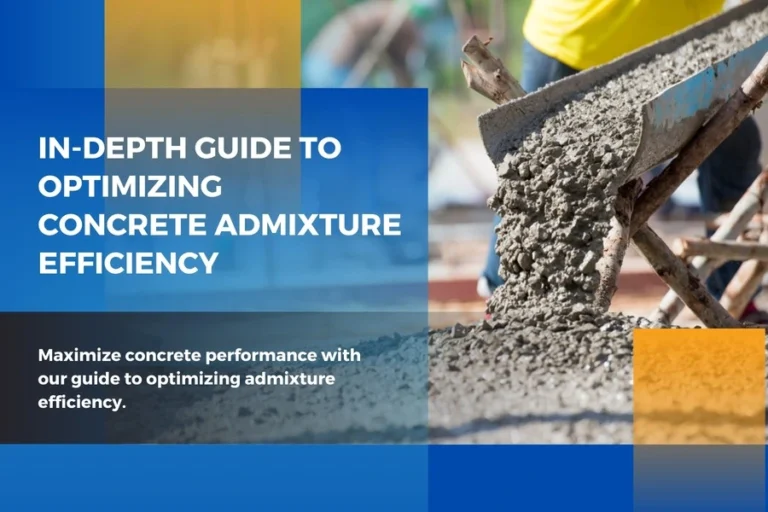
As concrete remains an essential component in construction, it is important to enhance one or more of its properties. This helps to ensure stronger, more durable and long-lasting buildings. To do...
The concrete used for large-scale construction projects needs constant supervision of temperature fluctuation, and efficient heat control. This aspect is critical because of the huge amount of...

Concrete is an extremely essential material for construction projects. There are different types of concrete mixes used, with each specifically designed for varied types of construction projects. For...
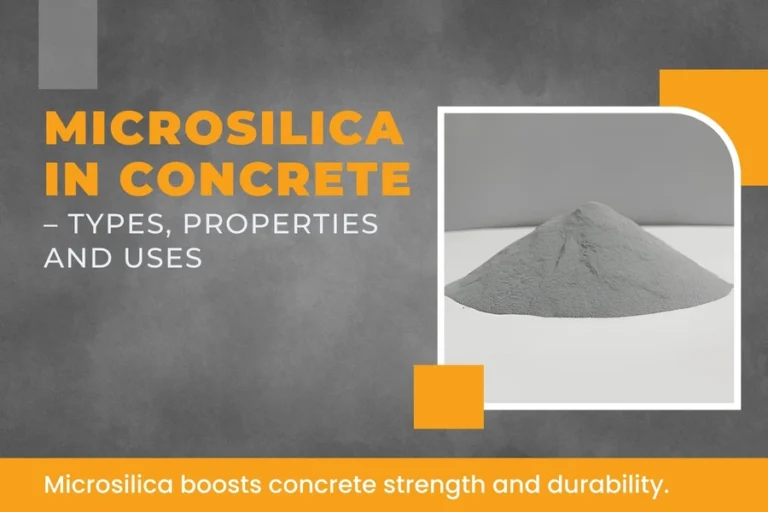
Microsilica is a chemical compound which is produced while manufacturing ferrosilicon and silicon alloys. It is also called ‘silica fume’, and appears as a very fine substance made of microscopic...