


Cement has been used for fixing floor tiles for many years. It is usually readily available and has an established presence on construction sites. Because construction methods have changed so much and...

Perfectly finished walls are never just luck. They’re created by using the right materials, applying them in the right order, and putting in concentration to minimize mistakes at every stage of...
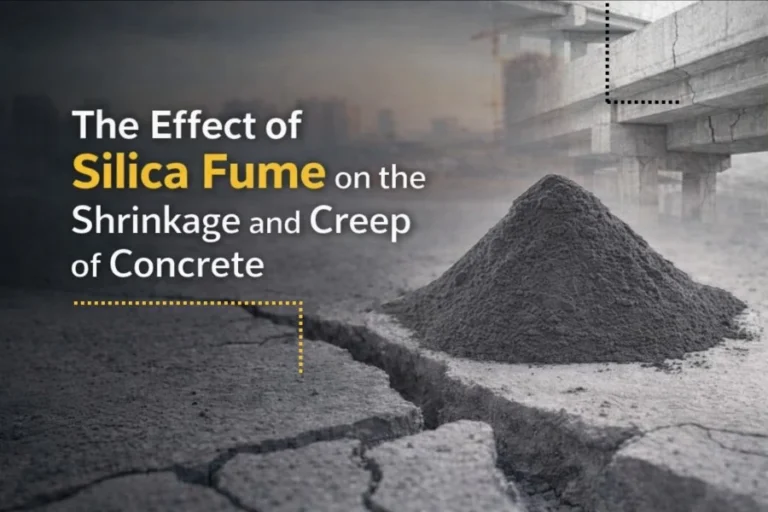
Concrete is a key factor in constructing many types of infrastructure. Due to these reasons, structures typically rely on concrete for both compressive strength and durability. However, there are many...
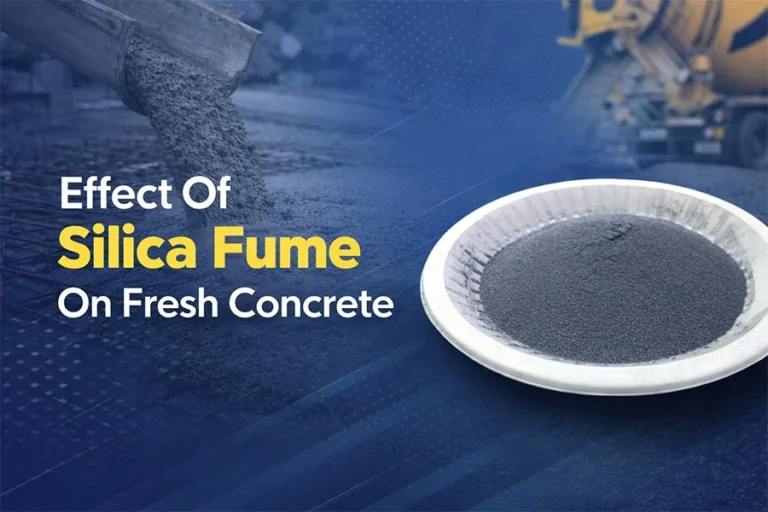
When determining how well-in-place a building will turn out, one must consider how the performance of freshly finished concrete can impact its final strength and durability, as well as its overall...
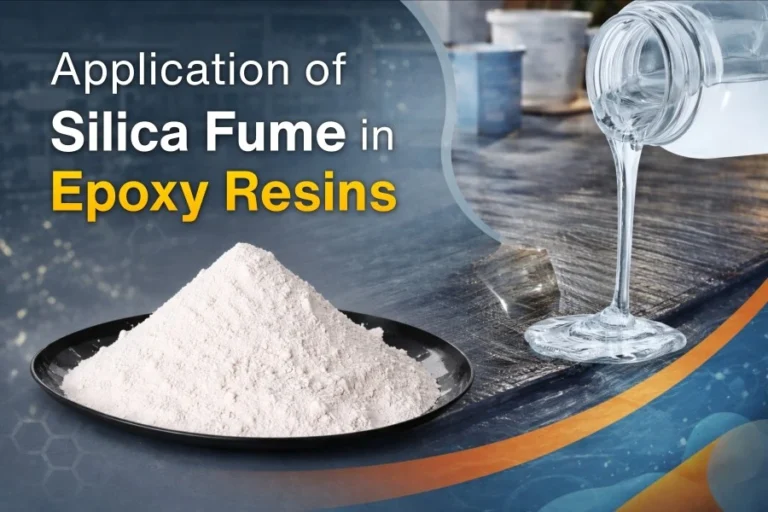
Silica fume is a highly effective filler that can improve the mechanical, thermal, and durability characteristics of epoxy resin systems. The application of silica fume in epoxy resin systems enables...
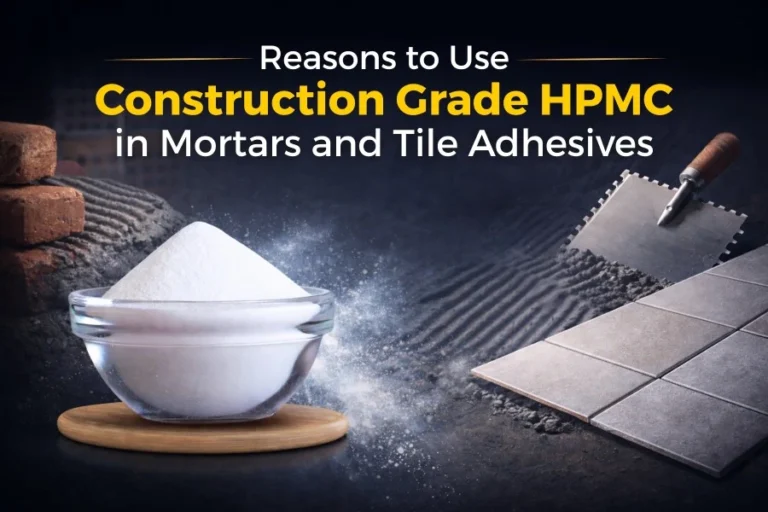
To meet the requirements of contemporary building methods, today’s materials must be resilient and simple to use. They also need to be reasonably uniform with regard to their characteristics and...
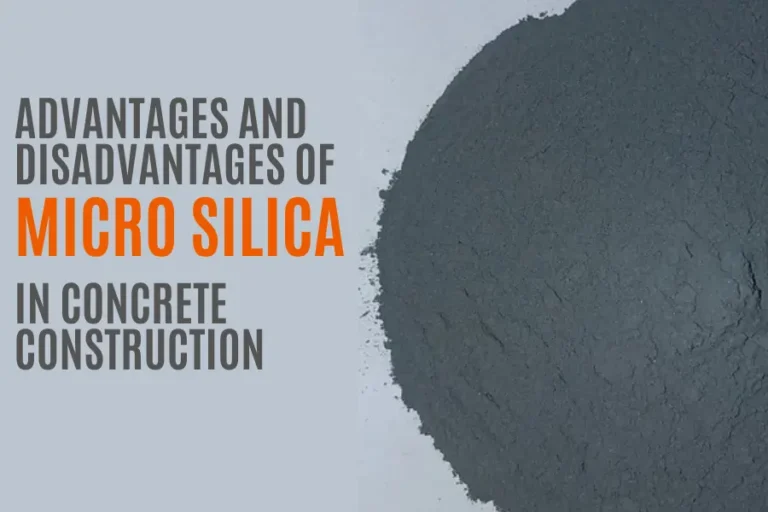
Micro silica is a tiny particle material made from ferrosilicon and silicon metal alloys. Silica fume powder is a fine-sized powder that is 100 times more minute than cement and fly ash. The silica...
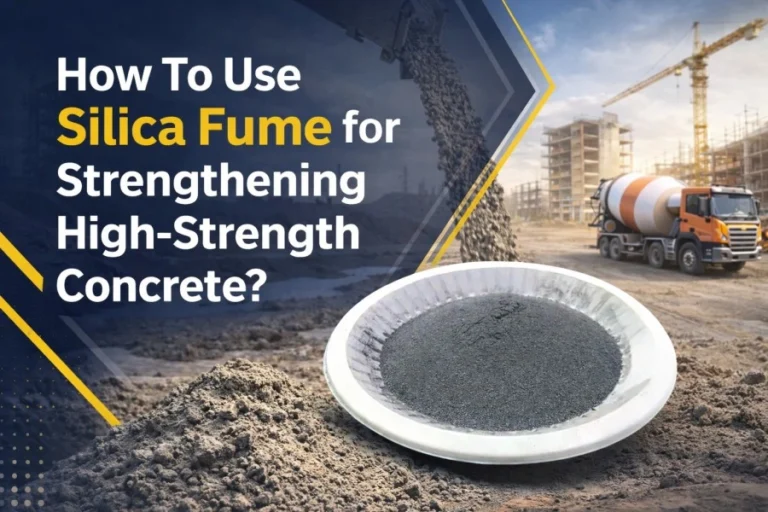
Strength and durability have become essential components of modern construction projects. Conventional concrete alone is frequently inadequate for the demands placed on taller/bigger structures and...

Introduction Nanotechnology, in contrast to its name, has a remarkable influence on various industries worldwide. It is transforming industries by upgrading surface performance, efficiency and...

Introduction Autoclaved Aerated Concrete Blocks, commonly known as AAC blocks, are revolutionising the modern construction world because of their light -weight, higher strength and outstanding thermal...
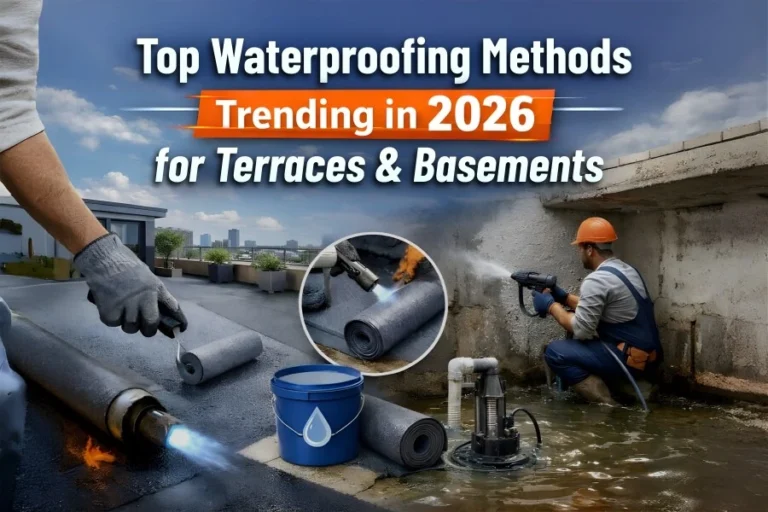
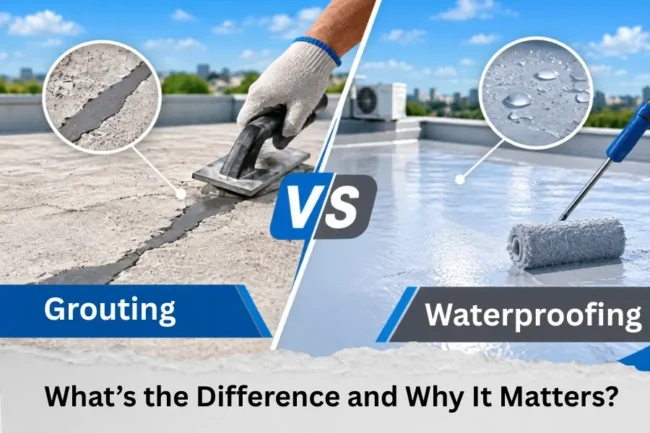
Waterproofing ceased to be an afterthought in construction at the end of an eventuality and, now in 2026, has turned into a core concept of design that materially influences the durability, security...
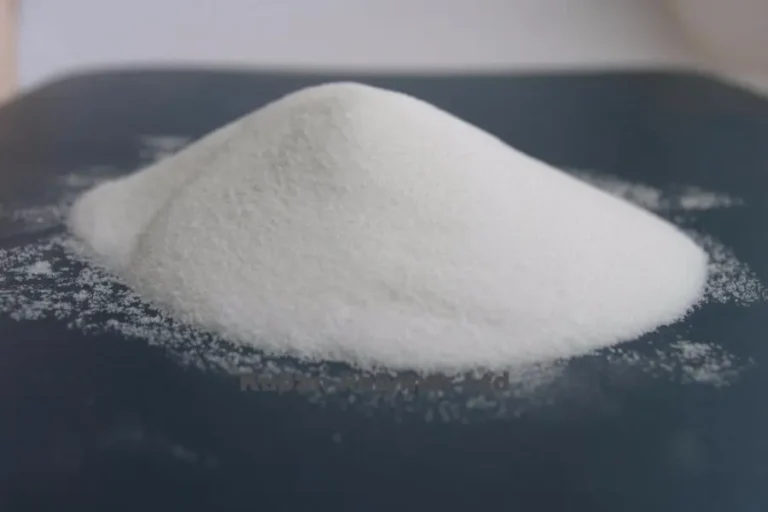
The global construction industry is consistently growing every year. There is also anincreasing demand for high-quality structures worldwide. To do this, there is a crucial need to use good quality...

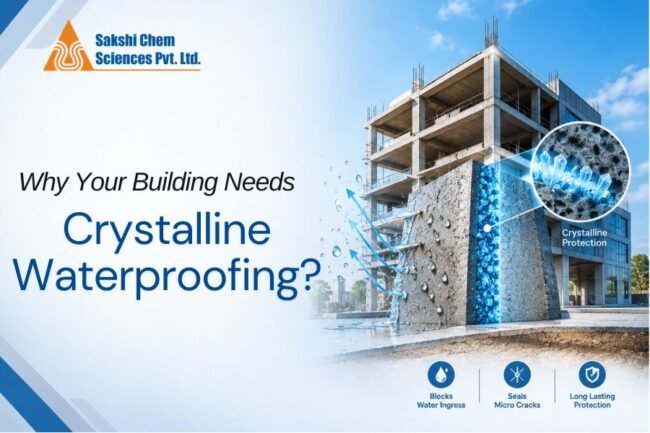
Introductions Waterproofing is a crucial component of modern-day construction, for preserving structures against water damage, moisture invasion, and high-cost repairs in the long term. Even though...
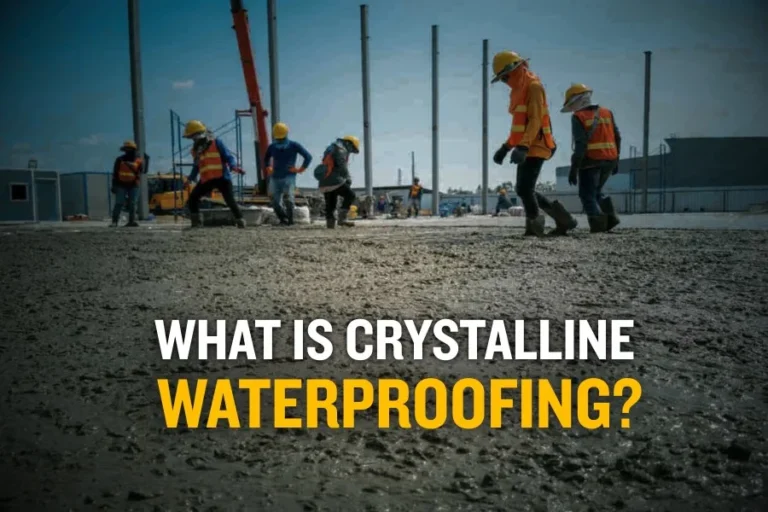
Waterproofing is one of the most critical elements in construction. To ensure that a building lasts and remains safe, waterproofing must be part of the overall design. Water enters buildings via a...
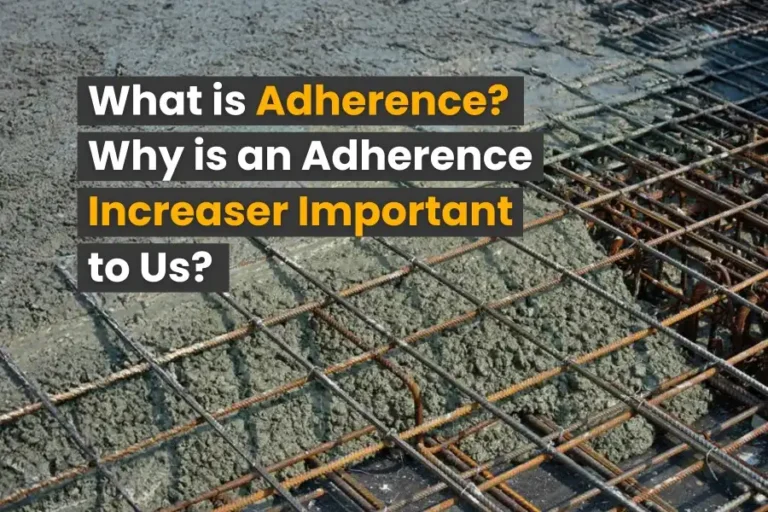
The strength derived from concrete and steel is not enough to call a structure strong; it has to do with how well these two materials work together. It is at this point (the point of bonding) that the...
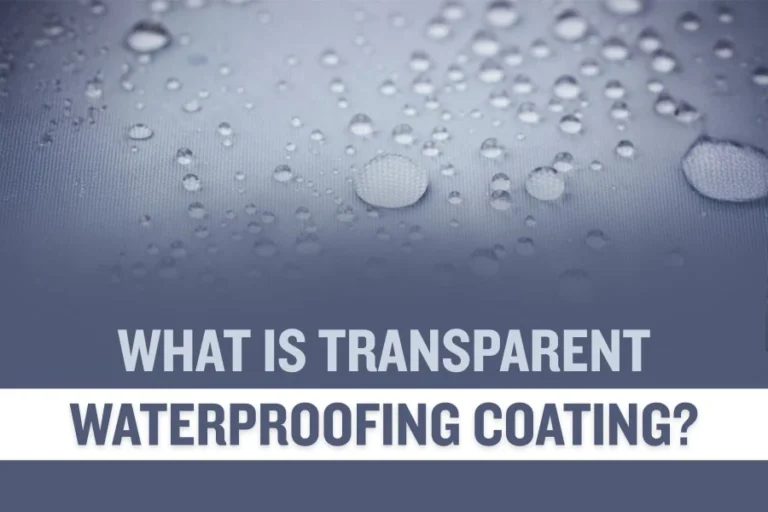
In modern construction, protection and appearance must go hand in hand. Buildings today are expected to withstand harsh weather conditions while still looking visually appealing. This is where...
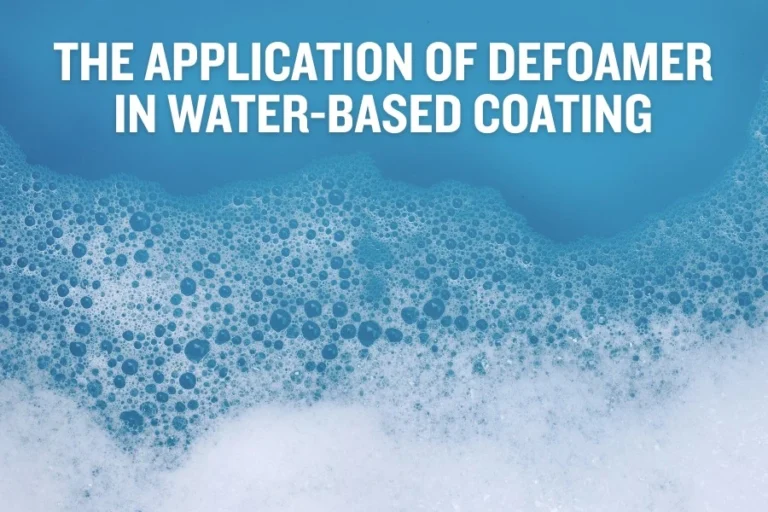
Many construction, industrial, and decorative applications have relied on water-based coatings for their lower VOCs, environmental safety, and easy handling. They do have some disadvantages, such as...
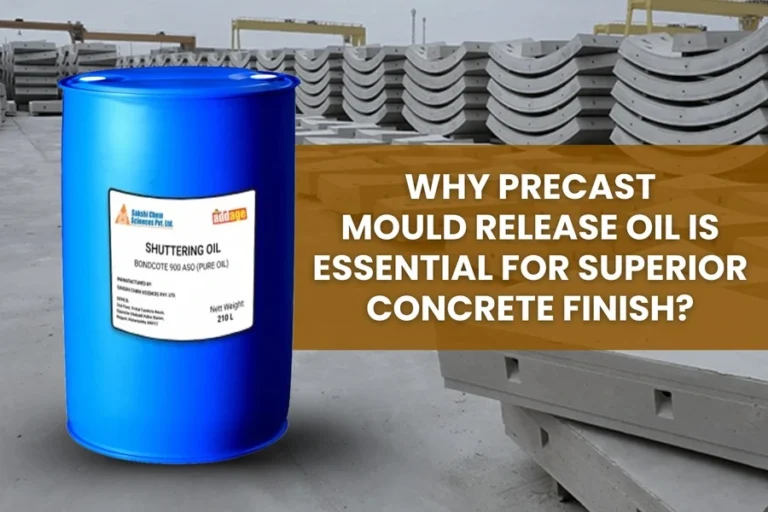
When evaluating precast concrete products, strength and dimensions are only two aspects where quality is assessed. Moreover, appearance, consistency, durability and surface finish are also included...
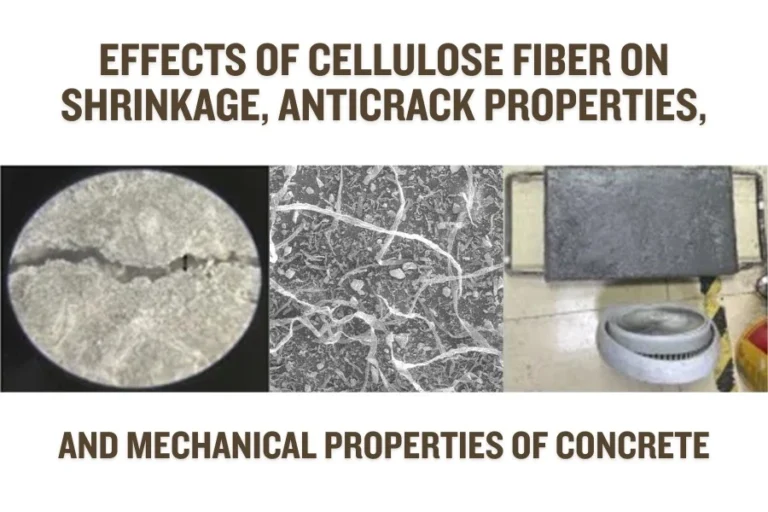
Concrete has been utilized as a major construction material due to its durability and adaptability; however, the challenge of shrinkage continues to be a significant problem for the concrete industry...
Speed, precision and performance are key parameters to consider in Construction today, especially when it comes to flooring, tile fixing, grouting and industrial repair systems. Speed and durability...

Polyurethanes are widely accepted by many different types of industries for their superior properties, such as flexibility, durability, and superb performance in applications. However, there is one...

How stability affects performance, longevity, and real-world reliability of coating systems. Paints and coatings seem straightforward from the outside, a colorful product packed neatly in cans, ready...
Even though concrete seems to be unbreakable, it is a slow killer, the corrosion of the steel reinforcements. When moisture, chlorides, or the environment contact the rebars inside the concrete and...

Tile adhesive is no longer just a quick alternative to cement mortar, but has become a form of construction solution that has evolved from being a simple material designed to fix tile flooring and...
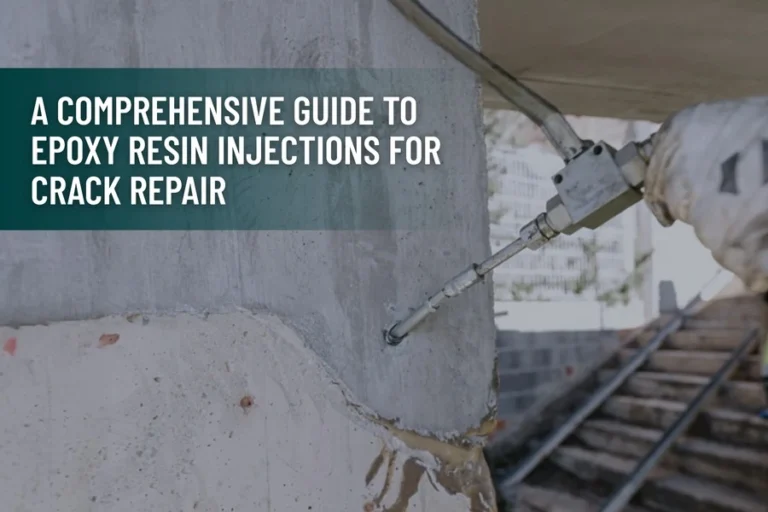
Concrete is a very sought after reliable resource in the building construction industry. The negative aspect of Concrete as it pertains to Building Construction is that although it is a resource that...
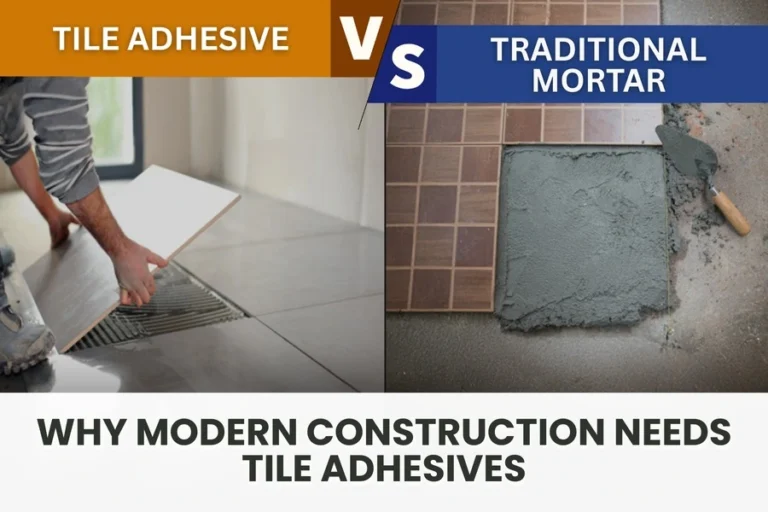
Currently, tile products represent one of the most significant elements of today’s construction projects. Tiles can help define a building’s overall aesthetic, hygiene levels and even its...
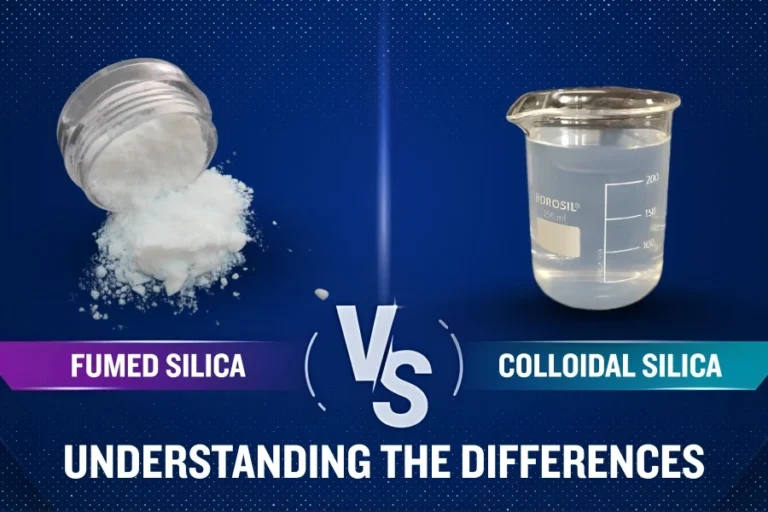
Choosing the Right Silica for Performance, Stability, and Strength Silica is one of the most widely used materials in a range of industries, including adhesives and sealants, coatings, electronics...
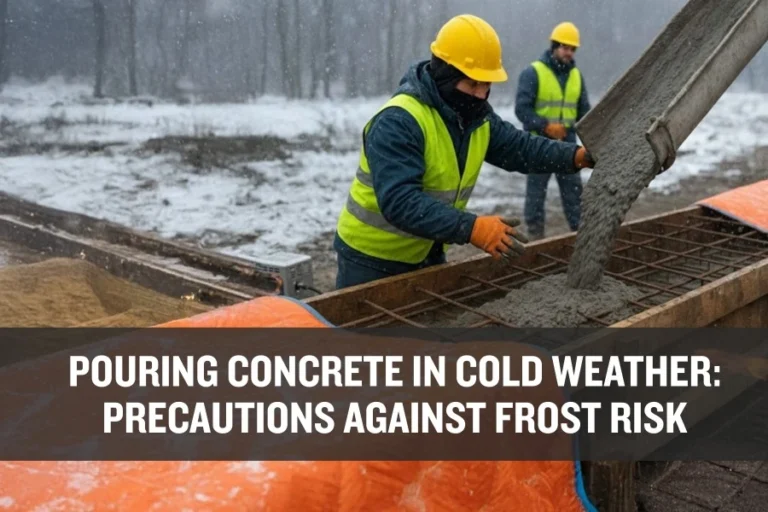
Although concrete is often regarded as strong and durable, it is highly susceptible to environmental conditions during the early stages of pouring and curing. When pouring concrete in cold weather...
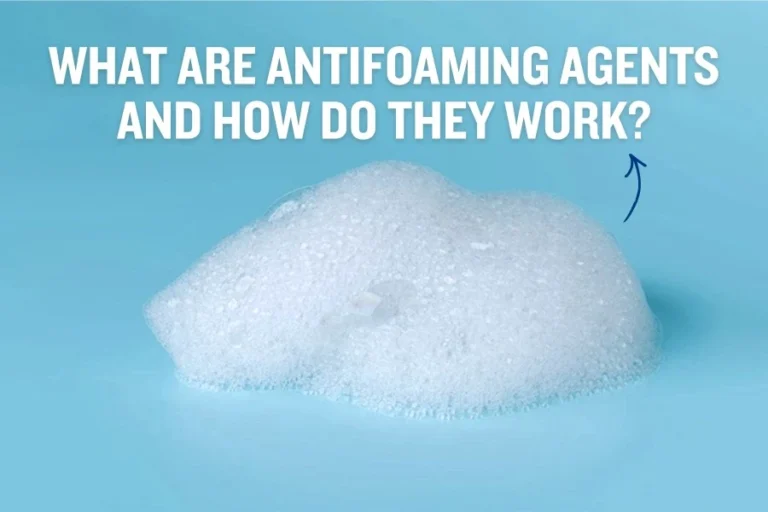
To understand the relationship between foam control and science in today’s manufacturing environment, we first have to recognize foam as one of the many issues faced by the manufacturing...

When you open a canister of paint, you expect it to be smooth and creamy. You would not expect to find any trapped air bubbles or foam. If you have recently purchased a new or reformulated water or...