
The skincare industry today is a very different place from what it was even a few years ago. You’ll find that products now offer more than just results; they also offer an experience.
For example, a serum is designed to glide effortlessly across the skin; a cream is thick but not greasy; and a gel dries quickly without leaving sticky residue.
The key to achieving this lies in formulation. One important ingredient used is Hydroxyethyl Cellulose (HEC). Hydroxyethyl Cellulose (HEC) is not a “hero” ingredient like Hyaluronic Acid or Retinol. Instead, it works behind the scenes to improve the texture, stability, and performance of the formulation.
This guide to Hydroxyethyl Cellulose in Skincare provides all the information you could ever want, beginning with how and where it relates to skincare and why it is important.
Table of Contents
I. Core Application Scenarios of Hydroxyethyl Cellulose in Skin Care
Hydroxyethyl cellulose is used in skincare for more than just thickening. It helps control texture, flow, and overall product performance.
When HEC is added to water, its molecular chains absorb moisture and expand. These chains then interlink to form a structured network that thickens the solution.
What does this mean in real-world skincare?
Without HEC:
- Serums may feel too watery.
- Creams may separate or feel uneven.
- Gels may lack structure.
With HEC:
- Serums gain a silky, controlled flow.
- Creams become smooth and spreadable.
- Gels achieve a balanced, cushiony texture.
This balance is crucial. A product should neither be too runny nor too thick; it should feel “just right.” Another major advantage of HEC is its effectiveness across a wide pH range (both acidic and neutral).
1) Thickening And Rheological Control
This is the primary function of HEC and is by far the most common use for HEC.
Hydroxyethyl Cellulose (HEC) dissolves in water and forms a three-dimensional network structure. This increases the viscosity while allowing for easy and smooth flow of the product.
Why it Matters?
- Keeps products from being too thin/runnny.
- Allows easy dispensing and applications.
- Increases the ability of the product to spread.
- Increases the feel (sensory experience) of the product.
2) Stabilization and Emulsifier Support: Keeping Formulations Together.
Many skin care products are made using emulsions, which are a combination of oil and water together, and without the presence of an emulsifying agent, oil and water will not remain mixed together for an extended period of time without proper stabilization.
The Hydroxyethyl Cellulose (HEC) stabilizes emulsion formulations by:
- Thickening the water phase.
- Supporting the emulsifier systems.
- Supporting the oil-water interphase.
- Preventing ingredient separation.
Practical applications of Hydroxyethyl Cellulose (HEC) stabilizing emulsion formulations include:
- Lotions continue providing smooth, consistent applications.
- Creams continue providing uniformity during storage.
- Tinted skin care has pigments evenly distributed.
Synergistic Effects:
When combined with ingredients like:
- Glycerin
- Hyaluronic acid
- Aloe vera
HEC enhances its ability to hydrate the skin for longer periods.
Where this matters most?
- Face masks → prolonged hydration.
- Hand creams → protection from dryness.
- Moisturizers → long-lasting softness.
This is why many hydrating formulations rely on HEC, not just for texture, but for performance.
3) Moisturization and Film-Forming Protection
The hydrophilic hydroxyl groups along HEC’s polymeric molecular structure readily adsorb moisture from the atmosphere to create a breathable, hydrating film on the skin’s surface. This film reduces water loss through evaporation for greater longevity of moisturization.
In addition to trapping moisture beneath it, this film protects the skin from outside irritants (dust, pollution) while providing a vehicle for the controlled delivery of active ingredients, thus allowing the components of skin care products to provide longer-lasting effects.
When HEC is used in combination with other moisturizers such as glycerin and sodium hyaluronate in creating moisturizing masks or hand creams, the synergistic relationship between glycerin, HEC, and sodium hyaluronate results in tremendously increased nourishment; these formulations are ideal for use on dry skin.
4. Extended Applications in Modern Cosmetics
Besides specialty skincare, hydroxyethyl cellulose (HEC) has grown into numerous other cosmetic uses.
- Mascara improves thickness and reduces smudging.
- Eyeliner has a smooth application.
- The foundation is spreadable.
With setting products:
- HEC helps to hold a set product on the skin.
- HEC ensures long-lasting wear of the set product.
For cleansing products:
- HEC keeps the exfoliating agent evenly dispersed.
- HEC reduces harsh abrasions on the surface.
The versatility of HEC is what makes it such an essential ingredient; it can substitute for various products and still maintain a consistent level of quality performance.
Why These Cosmetic Uses Are Important?
When we take a broader view, we can see that all of these uses inherently produce three main results:
1 – Better User Experience
The consumer will notice the feel of the product first. HEC provides for the smooth, balanced, and easy-to-apply feel of the product.
2 – Improved Stability of Product
The product will maintain its consistency over time, even when subjected to conditions that may create instability in the formulation.
3 – Improved Efficacy of Active Ingredients
The presence of HEC will also enable the active ingredients to work more efficiently by providing a stable base.
II. Core Quality Requirements for Hydroxyethyl Cellulose in Skin Care
When talking about good quality skin care, you can’t say that the quality is a choice; it’s required. Unlike industrial products that are used on the job; skin care products are applied directly on your skin, often several times a day.
Let’s identify what makes for high-performance, cosmetic-grade Hydroxyethyl Cellulose.
1. Safety, the first and most important quality in skin care
Because skin care products contain Hydroxyethyl Cellulose (HEC) and are placed directly onto the skin, HEC must adhere to strict laws and regulations surrounding safety and toxicity.
Key Safety Standards: (Non-Negotiables)
- Non-toxic and non-irritating.
- Good dermatological safety profile for topical use on a person’s skin.
- No or limited likelihood of a person developing an allergic reaction(s) or event(s).
- Stable when the products are used according to the labelled directions.
The majority of HEC use in skin care products occurs using very large molecular size, and because of this, HEC does not penetrate very deeply into the skin, thereby reducing the possible amount of systemic HEC absorbed into the bloodstream; thus, it limits the possible amount for irritation to occur.
Residual Chemical Control
During manufacturing, HEC is produced using ethylene oxide. Any residue of this compound must be tightly controlled.
High-quality cosmetic-grade HEC ensures:
- Extremely low ethylene oxide residue.
- No harmful by-products.
- Compliance with global safety standards.
Heavy Metal Limits
Another critical aspect is the control of heavy metals, such as:
- Lead
- Mercury
- Arsenic
These must remain within extremely low permissible limits to ensure skin safety.
For sensitive skin products or baby care formulations, the acceptable limits are even stricter.
2. Purity and Physical Characteristics
Hydroxyethyl Cellulose (HEC) displays many physical qualities that impact the efficacy of formulas.
Ideal Characteristics
The ideal characteristics of HEC are:
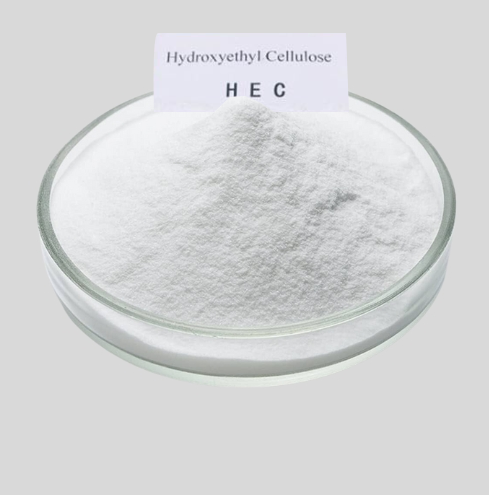
- White to off-white powder.
- Odorless.
- Free-flowing.
- Free from visible impurities or lumps.
The presence of impurities may result in:
- Unstable formulas.
- Change of texture.
- A shorter shelf life.
- Potential irritation to skin.
HEC that has a very high level of purity (generally ≥99%) is consistent and provides predictable performances.
3. Degree (viscosity) of HEC – Selecting Performance Grade
An extremely important aspect of HEC in skin care is selecting the right grade of viscosity.
There are various grades of viscosity for HEC, and each grade serves a different purpose.
Low Viscosity Grades (200-500 mPa·s): are best suited for serums, toners, and lightweight gels, since these viscosities will impart very mild thickening attributes to the formulation and do not affect the fluidity of the product.
Medium Viscosity Grades (2000-5000 mPa·s): are good for lotions, light creams, and emulsions, as they allow a good balance between thickness and spreadability.
High Viscosity Grades (5000 – 50,000 mPa·s): are used for rich creams, gel products, and masks, since they provide a very pronounced thickening action and an ability to form a film over the surface of the skin.
The Importance of Viscosity
If the wrong viscosity is used, formulators will experience the following:
- Sticky feeling in products.
- Poor spreadability.
- Separation of ingredients.
- Unsatisfactory experience for the consumer.
Therefore, formulators must carefully match the grade of HEC to the type of product being formulated.
4. Stability Across pH and Temperature
One of the biggest advantages of Hydroxyethyl Cellulose in Skin Care is its stability.
HEC performs well across:
- A wide pH range (3–11).
- Different temperature conditions.
However, for skincare applications, the optimal pH is usually 5.5–7, which aligns with the skin’s natural pH.
Why Stability Matters?
- Ensures consistent texture over time.
- Prevents breakdown during storage.
- Maintains product performance in different climates.
This is especially important for products exported globally, where they may face varying environmental conditions.
5. Water Solubility and Dissolution Behavior
To qualify as an excellent HEC, it must dissolve completely and consistently into water.
Dissolution Characteristics of HEC:
1. Quickly disperses when added to water.
2. Does not form clumps; instead, breaks into small particles.
3. The dissolved HEC should produce either a clear or slightly hazy solution.
4. There must be no remaining product (in the mixing container) after it has completely dissolved.
6. Compatibility of HEC with Other Skin Care Ingredients
Today’s ingredients are very complicated and come from many sources:
1. Active ingredients – vitamins, acids, peptides, etc.
2. Moisturizers – glycerin, hyaluronic acid, etc.
3. Emulsifiers.
4. Preservatives.
5. Plant extracts.
Hydroxyethyl cellulose (HEC) must maintain good compatibility with all three of these ingredient categories in skin care products.
7. Light Transmission and Clarity
Clarity is an important consideration for many gel and serum type products.
High-quality HEC solutions should possess:
1. High degree of transparency.
2. Smooth, uniform texture.
3. Cloudless.
The appearance of the final product will affect how consumers view it.
8. Microbial Stability and Shelf Life
Because HEC is made from a naturally occurring material (cellulose), it can encourage the growth of microbes unless they are used or stored correctly.
To ensure stability:
- Use appropriate preservatives.
- Store in controlled conditions.
- Avoid contamination during production.
Proper formulation ensures that products remain safe and effective throughout their shelf life.
Why Quality Matters More Than Ever?
In today’s skincare market, consumers are more informed than ever. They expect:
- Safe ingredients.
- Stable formulations.
- Consistent performance.
- Pleasant sensory experience.
Using high-quality Hydroxyethyl Cellulose in Skin Care directly impacts all of these factors.
Low-quality alternatives may seem cost-effective initially, but can lead to:
- Product recalls.
- Customer dissatisfaction.
- Brand reputation damage.
III. Formulation Concentration Guidelines for Hydroxyethyl Cellulose in Skin Care
When you use Hydroxyethyl Cellulose in skin care, one of the most important parts is having the right amount (concentration) of HEC to achieve your formulation’s purpose.
To reach the best results with Hydroxyethyl Cellulose, formulators must add the right quantity to achieve their desired texture and stability; not too little or it won’t produce anything useful for achieving the desired consistency or stability, while adding too much may create a sticky and/or uncomfortable feeling on the skin.
Knowing the Concentration Range That is Safe and Effective for Using Hydroxyethyl Cellulose.
The general range for the safe use of Hydroxyethyl Cellulose in skin care products is:
0.1%–5.0% Hydroxyethyl Cellulose.
However, that general safe use concentration range does not apply to all products or product formulations because it varies based on the following:
- The type of product you are formulating.
- The type of texture you would like to create.
- The presence of other active and/or functional ingredients in your product formulation.
- The skin type that you want your formulation works best.
Let’s divide these groups of products into more practical categories:
1. Low Concentration Hydroxyethyl Cellulose
(0.01%–0.1%) is generally used for producing lightweight and rapidly absorbed products.
The Low Concentration Hydroxyethyl Cellulose concentration range is more focused on producing a subtle enhancement (as opposed to thickening), making these types of products ideal candidates for using Hydroxyethyl Cellulose.
Low-concentration hydroxyethyl cellulose-based products would include:
Serums/Toners/Essences/Setting Sprays
Typical Hydroxyethyl Cellulose benefits of products containing low concentrations include:
Provides slightly thicker viscosity than the same product without Hydroxyethyl Cellulose.
Improves ingredient dispersion.
Allows the formulation to maintain its lightweight (i.e., non-greasy) feel on the skin.
The typical usage rates of Hydroxyethyl Cellulose in a hydrating serum containing hyaluronic acid may range from 0.02%–0.05% HEC.
This ensures:
- Smooth application.
- Even distribution of actives.
- No heaviness on the skin.
Why It Works?
At low concentrations, Hydroxyethyl Cellulose in Skin Care acts more like a “supporting ingredient” than a structural one.
2. Medium Concentration (0.1% – 2%)
The Most Common and Versatile Range
This is where HEC truly shines.
Ideal For:
- Lotions
- Creams
- Face masks
- Cleansers
- Shampoos
What It Does?
- Provides balanced thickness.
- Enhances stability.
- Improves hydration.
- Supports emulsification.
Practical Breakdown:
- Light lotions: 0.5% – 1%
- Rich creams: 1% – 2%
- Sheet mask essences: 0.4% – 0.8%
Real Example:
A daily moisturizer may use 1% HEC to achieve:
- Smooth, creamy texture.
- Easy spreadability.
- Stable oil-water balance.
Why This Range Is Popular?
It offers the perfect balance between:
- Performance
- Sensory feel
- Stability
This is why most commercial skincare products fall into this category.
3. High Concentration (2% – 5%)
For Specialized and High-Performance Products
This type is employed for thickening or providing a protective film and should be considered when a large amount of gel, such as:
- Gels based on aloe vera.
- Products used to style hair.
- Formulations that require gel formations, such as mascara.
Examples:
- Dense (thicker) gel appearance.
- Provide a film to protect the skin.
- Improve the structure of the product.
4. Special Blends/(Combination Systems
HEC is not typically used alone in skincare formulations today.
Formulators usually combine HEC with multiple different polymers for enhanced effectiveness. For example,
HEC + Xanthan Gum Used in applications:
- Face masks.
- Gel products.
Benefits:
- Improved elasticity.
- Better control of texture.
Typical proportions:
- HEC: 0.8-1.2%
- Xanthan gum: 0.2-0.8%
HEC + Guar Gum Used in applications:
- Products for hair.
- Conditioning products.
Benefits:
- Improved benefits from conditioning.
- Smoothness improves.
Reason for blending out polymers:
Polymer combinations enable formulators to: – Adjust texture to a precise level – Increase stability – Decrease the total volume/weight of raw material.
How to Select the Right Concentration of HEC?
Selecting the appropriate concentration is not simply guesswork, but rather it is a very precise science and art.
Key Factors to Consider:
- Product Type
Is it a serum, cream, or gel? - Desired Texture
Lightweight or rich? - Other Ingredients
Are there other thickeners or stabilizers? - Target Audience
Sensitive skin? Oily skin?
Common Mistakes to Avoid
Even experienced formulators can make mistakes when working with HEC.
1. Overuse
If you use too much HEC in your skin care formulations, you risk producing any or all of the following:
1) A sticky feel.
2) A poor ability for products to absorb into the skin; and
3) An unpleasant feel on the skin.
2. Underuse
1) Runny formulations.
2) Formulations that do not maintain stability; and
3) Products that separate.
3. Compatibility is Key
- HEC must be compatible with all other ingredients that are within a formulation.
- Formulations that are not adequately tested for compatibility can fail.
- Practical Examples of HEC used in Skin Care.
IV: Utilization and Practical Considerations of Hydroxyethyl Cellulose in Skin Care
Using Hydroxyethyl Cellulose in skin care is more than just adding it to the formulation; It must be used appropriately.
To get the best results, formulators follow a structured process:
Pre-treatment → Dissolution → Formulation → Testing
Let’s break this down step by step.
Step 1: Pre-Treatment – Setting the Foundation
Before you even begin mixing, preparation is key.
1. Choosing the Right Grade
Begin by determining which HEC grade is best suited for your application, based on the viscosity of the product. You will want to select:
- Low (200-500 mPa.s) for serums and toners.
- Medium (2000-5000 mPa.s) for lotions and creams.
- High (5000-50,000 mPa.s) for gels and masks.
Secondly, prepare the equipment you will be using.
Be sure that:
- All mixing equipment is clean and dry.
- You can reach 1000-2000rpm with your stir equipment, and ensure there is no contamination from the previous batch.
Even small amounts of previous batch impurities could negatively affect the quality of the final formulation.
Pre-mixing Hydroxyethyl Cellulose (HEC) is optional, but helpful in avoiding clumps of HEC combined with other ingredients.
– Pre-mixing HEC with either glycerin or propylene glycol in a 1:1 or 1:2 ratio helps to improve dispersion of the HEC as well as reducing the size of lumps created during mixing and to enhance the rate of dissolution of HEC.
Step 2: Dissolution
The second step of the formulation process is to dissolve the HEC. This will be the most difficult part of formulating HEC. HEC problems typically occur during the dissolution phase.
To dissolve HEC, there are two methods available.
Method One – Dispersing HEC in Purified Water Cold
The cold water method is the most frequently used method for dissolving HEC.
Steps:
1) Add purified water (at the recommended temperature) to the mixing vessel.
2) Start to mix water at approximately 1000 RPM.
3) Slowly add small amounts of HEC into the water while stirring.
4) Continue to mix for thirty to sixty minutes after the last addition of HEC.
Important Note: Do not add all of the HEC into the mixing vessel at once, or you will form lumps of HEC in the liquid that cannot be dissolved.
Method Two – Dissolving HEC (Low Water Temperature)
The low water temperature method is recommended when a faster dissolution is desired.
Conditions:
- Water temperature: 30–40°C
- Do NOT exceed 40°C
Higher temperatures can:
- Damage polymer structure.
- Reduce thickening ability.
Step 3: Formulation Integration
Once dissolved, HEC must be added to the formulation in the correct sequence.
Correct Addition Order:
- Add water-phase ingredients (water, humectants).
- Add HEC solution.
- Mix thoroughly.
- Add oil phase and emulsifiers.
- Add active ingredients and preservatives.
Why Order Matters?
Adding HEC too early or too late can cause:
- Uneven distribution.
- Poor emulsification.
- Instability.
pH Adjustment:
After adding HEC:
- Check pH
- Adjust to 5.5–7
This ensures:
- Optimal stability
- Skin compatibility
- Maximum performance
Step 4: Testing and Quality Control
Every formulation must go through testing to ensure its quality and performance.
1. Appearance Check
The sample should be:
- Smooth.
- Uniform.
- Without Clumping or Separation.
2. Stability Test
Conduct stability tests of the sample using various conditions:
- Low Temperature (5°C)
- Room Temperature (25°C)
- High Temperature (40°C)
Observe Changes In:
- Separation.
- Viscosity.
- Colour.
3. Compatibility with Skin
Before a product can be launched, completed patch tests must be done to determine if there is potential for skin irritation. This is especially important for any product that is intended for sensitive skin.
V. How to Diagnose and Fix Common Problems
Problems often arise even after a formulation has been created to specification. Below is information on the most common problems you may encounter with your formulation and how to address them.
Problem 1: Clumps when Mixing
Cause:
- HEC is added too fast.
- Too low stirring speed.
Solution:
- Add HEC slowly.
- Increase the speed of mixing.
- Utilize the pre-mixing method.
Problem 2: Low Viscosity
Cause:
- Not enough HEC added.
- Incomplete dissolution of HEC.
- Incorrect pH of formulator.
Solution:
- Add 0.1 – 0.2% of HEC
- Mix formulation longer.
- Adjust pH of formulation to 5.5 – 7
VI. Proper Storage and Handling
If storage is conducted properly, the product’s performance will be optimised over an extended period.
Raw Material Storage
- Keep in sealed containers.
- Store in cool, dry conditions.
- Avoid moisture and sunlight.
Shelf life:
- Up to 2 years (sealed).
- Use within 3 months after opening.
Finished Product Storage
- Store away from heat and light.
- Avoid freezing.
- Monitor for changes.
VII. Safety and Usage Considerations
While Hydroxyethyl Cellulose in Skin Care is generally safe, some precautions are necessary.
For Consumers:
- Perform patch test before use.
- Avoid applying to damaged skin.
- Rinse immediately if it enters the eyes.
For Manufacturers:
- Maintain hygiene during production.
- Use certified raw materials.
- Follow regulatory guidelines.
VIII. Why Process Matters as Much as Ingredients
Most formulation problems arise from limitations in technique rather than from poor-quality raw materials. If you do not dissolve the best-quality Hydroxyethyl Cellulose properly, your formulation will not be optimal. Other examples include failing to achieve the correct pH level or rushing the blending process.
When formulating with Hydroxyethyl Cellulose, mastering your techniques is as important as choosing the correct materials. Later in this document, you will find best practices for formulating successfully with Hydroxyethyl Cellulose, as well as tips on preventing long-term formulation risks and ensuring consistent quality.
1. Select High-Quality Raw Materials
All Hydroxyethyl Celluloses are not made alike; therefore, do not use a low or poorly made Hydroxyethyl Cellulose to complete your formula, as this will create problems with viscosity, stability, and skin irritation.
When you are sourcing Hydroxyethyl Cellulose for skin care applications, you should look for raw materials with a minimum 99% purity, certified manufacturing practices, controlled impurities, and consistency across individual batches of Hydroxyethyl Cellulose.
2. Avoid Formulating with Hydroxyethyl Cellulose in Chemically Incompatible Formulations
Avoid Direct Interaction With:
- Strong oxidizing agents.
- High concentrations of metal ions (iron, aluminum).
- Highly alkaline ingredients.
These can:
- Break down the polymer structure.
- Reduce viscosity.
- Affect product stability.
Best Practice:
Always perform compatibility testing before finalizing any formulation.
3. Managing pH Sensitivity
HEC has a stable pH range, but is most optimal between:
pH 5.5 – 7 (recommended for skin).
Incorrect pH may result in:
- Lower than 5.5: clumping of material or inability to fully dissolve.
- Greater than 7: reduced thickening potential.
pH must remain constant to maintain both:
- Product stability.
- Compatibility with skin.
4. Environmental Conditions During Production
The production environment affects the final product more than many realize.
Ideal Environmental Conditions Are:
- Temperature: 15C – 30C
- Humidity: ≤60%
Importance of Conditions
- High humidity = HEC absorbs moisture (clumps).
- High temperature = could degrade physical properties.
Operator Safety
- Use a mask when handling dry powder to avoid inhalation.
- Wear gloves when handling HEC.
5. Microbial Growth Prevention
HEC is a natural cellulose-based polymer, so it can be prone to contamination if not handled properly.
To Reduce the Potential for Microbes:
1. Use appropriate preservatives
2. Keep equipment clean and sanitized
3. Avoid prolonged storage of prepared product in water.
This is especially important regarding:
1. water-based formulations
2. natural products or products without a preservative.
IX. Special Consideration for Users With Different Skin Types:
Formulations need to fit the individual needs of the user.
1. For those with Sensitive Skin:
- Use lower concentrations of HEC (≤0.5%)
- Use high-purity HEC
- Do not formulate in combination with irritating actives.
To ensure safety for sensitive skin:
Always perform an extended patch test (24–48 hours) prior to use.
2. Children’s Skincare Products
For baby and kids’ products:
- Keep concentration below 1%.
- Use ultra-pure, low-irritation grades.
- Avoid unnecessary additives.
Safety is the top priority here.
3. Dry Skin Products
Skin Care formulations use hydroxyethyl cellulose(hydroxyl) for dry skin benefits. The recommendation for hydroxyethyl cellulose in skin care is a convenient way to formulate dry-skin products. Combining hydroxyethyl cellulose with high levels of humectants will produce the best results: it reduces skin moisture loss and increases long-term skin hydration.
X. SUSTAINABLE BEAUTY SELECTING PRODUCTS
1) Derived from Natural Materials
Hydroxyethyl cellulose is derived from plant-based cellulosic materials, making it a renewable resource and therefore sustainable.
2) Biodegradable
Hydroxyethyl cellulose is biodegradable compared to many synthetic polymers.
3) Reduces the Amount of Chemicals Used:
Because hydroxyethyl cellulose is a multifunctional stylistic ingredient, one ingredient replaces all other ingredients that would have been used. By incorporating hydroxyethyl cellulose into your skincare regimen, you can simplify your products and reduce chemical use, thereby improving your department’s overall sustainability.
XI. FUTURE OF HYDROXYETHYL CELLULOSE IN SKINCARE.
As skincare evolves, the future of functional ingredients is changing with it. Demand for clean beauty, minimalist forms, high-performance textures, and sustainable products continues to grow. Hydroxyethyl cellulose will be an excellent fit to meet these demands as well.
Its ability to:
- Enhance product feel.
- Improve stability.
- Support active ingredients.
- Meet environmental standards.
Makes it a long-term solution for modern formulations.

XII. Why Choose Sakshi Chem Sciences?
At Sakshi Chem Sciences Pvt. Ltd., we understand that great products start with great ingredients.
With over 20 years of experience, we bring together:
- Advanced R&D capabilities.
- High-tech manufacturing facilities.
- Strict quality control systems.
- Global supply expertise.
Our portfolio includes over 50 construction chemical solutions, and our deep understanding of material science allows us to support industries beyond construction as well.
XIII. Final Conclusion
In terms of cosmetics and skincare products, hydroxyethyl cellulose is much more than a thickener; it is a multifunctional ingredient that affects the feel, efficacy, and longevity of a product. Hydroxyethyl cellulose improves texture and stability, creates emulsion, hydrates skin, and protects active ingredients, silently making a significant contribution to the development of modern cosmetic formulations.
To successfully utilize hydroxyethyl cellulose in a formulation, there are three important factors to keep in mind:
- Correct grade of hydroxyethyl cellulose.
- Correct concentration.
- Correct formulation techniques.
When all three of these elements come together, you will have a successful formulation that will perform as expected in terms of feel, appearance, and overall performance.
Sakshi Chem Sciences Pvt., a company dedicated to helping other related industries produce unique and successful products through scientifically precise and proven methods of formulation. By providing our customers with high-quality chemical solutions, we hope to help all industries make truly distinct products in their respective fields of endeavor.

Sagar Telrandhe is a Construction Engineer with a B.Tech in Construction Engineering & Management. Passionate about infrastructure development, project planning, and sustainable construction, he specializes in modern construction techniques, project execution, and quality management, contributing to efficient and innovative building.