

Polymer powders are becoming increasingly important as additives to improve cement-based and industrial products’ performance.
From adhesive cement tiles and wall putties to coatings and repair mortars, these additives are essential to provide flexibility, bonding strength, and durability to many products.
However, a significant concern for buyers and manufacturers is determining what affects the price of polymer powders and the factors that Influence Purchasing Decisions.
Table of Contents
At Sakshi Chem Sciences Pvt., Ltd., we believe that understanding pricing entails more than just looking at numbers. The value of a polymer powder depends on product quality, raw material quality, manufacturing method, and supplier reliability.
This blog will discuss understanding polymer powder price to help businesses make better buying decisions.
What Are Polymer Powders?
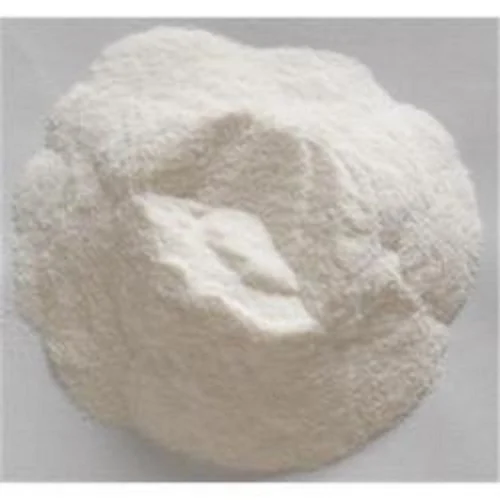
The term redispersible polymer powder refers to a variety of dry free-flowing powdered forms of liquid emulsion polymers that have been created by using spray drying to create powdered forms of emulsified liquid emulsion polymer systems.
Upon mixing redispersible polymer powder with water, it will be redispersed to form stable emulsions, which can enhance the performance of cementitious systems such as:
- Tile adhesives.
- Wall compounds.
- Repair mortars.
- Self-leveling systems.
- Waterproofing products.
- Thermal insulation systems.
The addition of redispersible polymer powder to system components will improve the adhesion, flexibility, crack resistance, and water resistance of the resultant products, thus making redispersible polymer powder an essential component of modern construction chemistry.
Key Factors Affecting Polymer Powder Price
Raw Material Costs
The price of raw materials affects the cost of producing and delivering polymer powders.
Polymer powders are made from chemical monomers and specialized additives. Higher production costs result from fluctuating crude oil prices, disruptions to chemical supply chains, and a global increase in demand.
The prices for polymer powders will rise when the prices of raw materials rise.
Manufacturing Technology
The manufacturing process has a significant impact on the pricing of any product.
Quality polymer powders require:
- Advanced systems for drying the polymer powder by spraying it.
- Accurate temperature control.
- A stable process for forming the polymer powder grains into a particle.
- Extensive testing to ensure that the product will perform as required.
Manufacturing using advanced technology often produces polymer powders with a more consistent performance level; therefore, they have a slightly higher cost but provide a greater long-term value.
The Grade and Performance of a Polymer Powder
There are many different grades of polymer powders.
Each grade is manufactured for a unique application, and the performance level required determines the price assigned to it.
Higher grades of polymer powders:
- The ability to adhere to surfaces well.
- The ability to be flexible.
- The ability to resist water penetration.
- The ability to provide the desired aesthetic appearance (color, texture, etc.); and
- The ability to resist cracking.
Specialized grades of polymer powders that are manufactured for premium tile adhesive products or waterproofing systems usually cost more than non-specialized grades.
Conditions in the Global Supply Chain
The price of polymer powders may also be affected by the following:
- The price paid for international shipping.
- Import-export regulations; and
- Geopolitical incidents.
When supply chains break down, transportation costs go up, raw materials are delayed, and products become less widely available. All of these factors lead to higher prices of products in global markets.
Quantity Ordered
Ordering in bulk can save you money by bringing down the per-unit cost of polymer powder. Manufacturers tend to give better pricing on large quantity orders, long-term contracts, and ongoing supply agreements. Smaller orders will typically carry higher handling and/or shipping costs.
Common Types of Polymer Powder
Different polymer powders are available depending on application requirements.
| Polymer Type | Common Applications | Performance Features |
| VAE Powder | Tile adhesive, wall putty | Good adhesion and flexibility |
| Acrylic Polymer Powder | Waterproofing systems | High water resistance |
| EVA Powder | Repair mortars | Improved bonding and toughness |
Each type has different cost structures depending on raw materials and performance capabilities.
Why Quality Matters More Than Low Price
Though keeping an eye on price is critical, selecting an option solely based on the lowest price can result in serious consequences over time.
Low-grade polymers will create:
- Low adhesive strength.
- Cracked bond lines with questionable integrity.
- Non-durable substrate or masonry.
- Poor workability.
- Increased maintenance requirements due to low viscosity.
Purchasing a slightly more expensive polymer can greatly enhance your ability to install the material correctly, resulting in lower project costs.
In the construction world, most contractors will agree that having consistent, high-quality products provides an overall better value than simply trying to save some money today.
Tips for Getting the Most Value from Your Polymer Powder Purchase
Compare both Product Performance & Price Comparison
When assessing price ONLY, be sure to also evaluate each polymer’s:
- Adhesive strength.
- Flexibility (and/or elongation).
- Water Resilience.
- Compatibility with the cement system.
The polymers that perform the best in each category will typically have an increased value over the long run.
Make Purchases from reputable Vendors
- Vendors that you trust will provide you with.
- Consistent product quality.
- Timely delivery of products.
- Technical support.
- Stable pricing.
Vendors who have dependable suppliers will reduce your risk of having materials from untrustworthy manufacturers.
Buy in Larger Quantities
Buying in larger quantities will reduce your transportation and packaging costs, and allow you to take advantage of price discounts.
Monitor Market Conditions
Your ability to pursue opportunities for purchasing new construction materials quickly will be greatly enhanced if you continually evaluate both raw materials and the construction market’s conditions.
Store, Handle, and Use the Polymer Powder Correctly
Storing polymer powder correctly is essential to maintaining quality; potential issues include:
- Proper storage must occur in a cool, dry area.
- Never store powder in direct sunlight.
- Avoid even small amounts of moisture exposure.
- Always keep the original moisture-proof sealed bag intact.
Failing to store the polymer properly could result in significant performance issues and poor efficiency of the final product.
The Future of Polymer Powder Market
As more people move to cities, the construction of new infrastructure, an increasing number of builders using dry mixing methods to construct new buildings, and more builders using green building techniques are driving the global increase in demand for polymer powders.
The report published in Fact.MR polymer powder market is projected to grow from USD 114.1 million in 2025 to USD 233.0 million by 2035.
As standards grow in line with advancements in building technology, the need for high-performance polymers will continue to grow through continued evolution.
Manufacturers are also investing in research and development for improved formulations that will produce superior durability, environmental performance, and efficiency.

Final Thoughts
Simply comparing market prices for polymer powder will not provide the information needed to determine its actual value. Raw materials, product characteristics, quality control, and supplier reliability all play an important part in determining the value of the polymer powder.
Choosing the right polymer powder can significantly improve the performance, durability, and efficiency of construction materials while reducing long-term project costs.
At Sakshi Chem Sciences Pvt. Ltd., we are committed to delivering dependable, high-performance construction chemical solutions backed by quality, innovation, and technical expertise.
With the right product and the right supplier, businesses can achieve both cost efficiency and superior construction performance.
Frequently Asked Questions
What are the main factors impacting the price of polymer powder?
Pricing is largely driven by four main factors: the cost of raw materials, manufacturing technique, product grade, and supply chain conditions around the world.
What makes high-quality polymer powders more expensive than lower-quality polymer powders?
The quality of polymer powders is determined by how well they adhere to other materials, how flexible they are, how durable they are, and how consistently they perform from one use to the next. All of these aspects of quality require advanced processing techniques and strict quality control procedures.
Is it possible that using lower-quality polymer powder will result in reduced performance of a construction project?
Yes, lower-quality polymer powders can result in: weaker bonds between materials, the development of cracks in bonded materials, reduced strength (+/-) of bonded materials, and inconsistent performance of polymer powders in general.
Where is the best place for storing polymer powder?
Store polymer powder at room temperature, away from moisture and sunlight; cool, dry conditions will help preserve its quality.

Sandip Agrawal, Polymer Engineer and MD of Sakshi Chem Sciences Pvt. Ltd., leads innovation in construction chemicals, shuttering oils, and industrial lubricants. With expertise in polymer science and eco-friendly solutions, he drives R&D and sustainable advancements, ensuring high-performance products for India and global markets.