
Showing all 11 results
-

Addage Sodium Lignosulphonate
Addage Sodium Lignosulphonate is a multifunctional, water-soluble polymer that is being extensively used in the construction industry. It functions as an efficient plasticizer and water...Addage Sodium Lignosulphonate
Addage Sodium Lignosulphonate is a multifunctional, water-soluble polymer that is being extensively used in the construction industry. It functions as an efficient plasticizer and water reducer. It enriches the concrete workability while reducing water demand. It’s configured retarding properties make it perfect for hot weather concreting, and in the case of long-distance concrete transport.
-

ADDAGE VMA(P)
Addage VMA(P) is a concrete admixture specially made to enhance concrete’s rheological properties. It is a free-flow water-soluble polymer powder known as viscosity modifying admixture...ADDAGE VMA(P)
Addage VMA(P) is a concrete admixture specially made to enhance concrete’s rheological properties. It is a free-flow water-soluble polymer powder known as viscosity modifying admixture which helps in modifying the viscosity of the admixture without altering any other key characteristics like strength and setting time.
-

ADDAGE BONDCOTE 700P (SNF POWDER)
The SNF powder admixture is highly useful to keep the water-to-cement ratio within desirable range. However, despite the low water-to-cement ratio, BONDCOTE 700P SNF powder...ADDAGE BONDCOTE 700P (SNF POWDER)
The SNF powder admixture is highly useful to keep the water-to-cement ratio within desirable range. However, despite the low water-to-cement ratio, BONDCOTE 700P SNF powder achieves the level of workability required for easy placement and consolidation of cement slumps.
-

ADDAGE BONDCOTE F 1020 (SMF POWDER)
BONDCOTE F 1020 (SMF Powder) Sulfonated Melamine Formaldehyde by Addage works to give higher early and final setting strength to concrete. It enhances the durability...ADDAGE BONDCOTE F 1020 (SMF POWDER)
BONDCOTE F 1020 (SMF Powder) Sulfonated Melamine Formaldehyde by Addage works to give higher early and final setting strength to concrete. It enhances the durability and fluidity of the concrete mix to make it possible for diverse use. The BONDCOTE F 1020 lowers water requirement significantly which results in improved compressive strength and enhanced durability.
-

POLYCARBOXYLIC ETHER (PCE)
Form Powder Appearance White Powder Uses Construction Packaging Size 25 Kg Packaging Type Bag Minimum Order Quantity 25 Kg Product Description for Polycarboxylic Ether (PCE)...POLYCARBOXYLIC ETHER (PCE)
Form Powder Appearance White Powder Uses Construction Packaging Size 25 Kg Packaging Type Bag Minimum Order Quantity 25 Kg Product Description for Polycarboxylic Ether (PCE)
Polycarboxylic Ether (PCE) is a dried and powdered form of pure polycarboxylic ether with good carboxylate properties. It is designed to gave uniform partials, reduced water content, and good stability. This is a super-plasticizer made by optimizing the molecular group configuration of its components and improving its synthesis process.
PCE by is made suitable for mortar and special cement concrete structures that require higher strength and fluidity at the same time.
Polycarboxylic Ether has excellent initial plasticizing rate which gives it incredibly high slump retention properties. Its quick plasticizing effect also ensures higher durability of the concrete structure. It also enhances overall durability of mortar made from special cement. It can be easily de-foamed and can be used with several kinds of cements without compromising durability, strength and fluidity of the mix.
Uses of Polycarboxylic Ether (PCE)
The Polycarboxylic Ether (PCE) is extremely useful for:
- Excellent initial plasticizing rate
- Remarkable plasticizing effect
- Easy de-foaming
- Longer durability
- Self-compacting concrete
- Early strengthening
Price:
Polycarboxylic Ether superplasticizer price is based on current market demand and quantity required. If you want to know the accurate cost, simply click on the button below.
-

ADDAGE PLAST ES
PLAST ES by Addage is a high volume water reduction admixture and provides excellent early and final strength to concrete. It also enhances the practical...ADDAGE PLAST ES
PLAST ES by Addage is a high volume water reduction admixture and provides excellent early and final strength to concrete. It also enhances the practical uses of concrete mix and reduces overall water requirement at the same time. This results in creating a concrete with a higher compressive strength and enhanced durability.
-

ADDAGE PLAST ESN
Brand Addage Form Liquid Uses Construction Packaging Size 60 Kg & 250 Kg Packaging Type Can & Barrel Minimum Order Quantity 60 Kg Product Description...ADDAGE PLAST ESN
Brand Addage Form Liquid Uses Construction Packaging Size 60 Kg & 250 Kg Packaging Type Can & Barrel Minimum Order Quantity 60 Kg Product Description
Addage PLAST ESN is an innovative concrete admixture, which is essentially a naphthalene based super-plasticizer for concrete. It is known for being able to reduce water in admixtures significantly. It is also chosen for giving high early and final compressive strength to the concrete.
PLAST ESN by Addage is quick setting which allows you to quickly remove mould or formwork. Besides, it also enhances the workability of concrete mix by lowering its overall water requirement. This results in creating concrete with a significantly higher compressive strength and enhanced durability.
Addage PLAST ESN works to lower water quantity in concrete admixtures by 20%-30%, without compromising its workability and durability.
Application of Addage PLAST ESN
Addage PLAST ESN is most commonly used worldwide as a next-gen concrete admixture for:
- Higher water reduction
- Improved concrete workability
- High early compressive strength
- Improved final compressive strength
- Quick removal of mould / shuttering
-
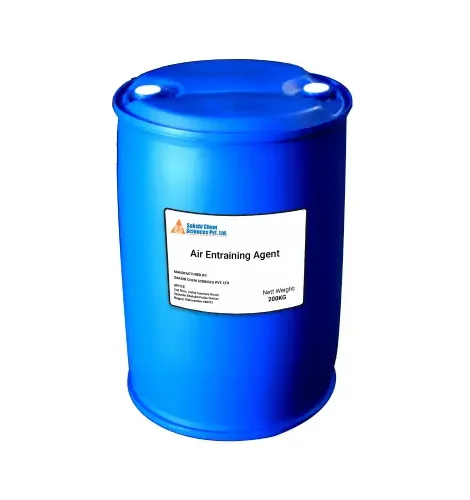
Addage Air Entraining Agent
The Addage Air Entraining Agent is an advanced liquid additive designed to assist with the incorporation and entrainment of tiny air bubbles into concrete mixes.Addage Air Entraining Agent
The Addage Air Entraining Agent is an advanced liquid additive designed to assist with the incorporation and entrainment of tiny air bubbles into concrete mixes.
-

ADDAGE PLAST AP 251
The Addage Plast AP 251 is a plasticizer for pumpable concrete with a sulphonated naphthalene base. It is widely used for different purposes by blending...ADDAGE PLAST AP 251
The Addage Plast AP 251 is a plasticizer for pumpable concrete with a sulphonated naphthalene base. It is widely used for different purposes by blending with ready-mix concrete. It is helpful to reduce water retention of the material by 15%-20%, without compromising workability. The product is also designed to reduce risks of bleeding and segregation, by providing highly cohesive concrete mix.
-

ADDAGE PLAST AP 430
Addage PLAST AP 430 is a plasticizing and water-proofing concrete produced by the renowned construction compound brand. It is a sulphonate naphthalene based concrete admixture...ADDAGE PLAST AP 430
Addage PLAST AP 430 is a plasticizing and water-proofing concrete produced by the renowned construction compound brand. It is a sulphonate naphthalene based concrete admixture and widely used around the world for strong and durable construction. It also promotes high early and final strengths of the concrete by lowering water level.
-

ADDAGE PLAST AP 501
Addage Plast AP 501 by Sakshi Chem Sciences Pvt. Ltd. is extremely beneficial. It provides specified strength grades that enhance workability and reduce cement content...ADDAGE PLAST AP 501
Addage Plast AP 501 by Sakshi Chem Sciences Pvt. Ltd. is extremely beneficial. It provides specified strength grades that enhance workability and reduce cement content in the concrete mix. It ultimately produces low permeable concrete to enhance overall durability. It also helps to produce a denser, close-textured concrete surface which helps to enhance comprehensive durability.
Concrete Admixtures
Modern construction has Concrete as its foundation; however, achieving the desired strength, workability, and durability of Concrete is often difficult with Cement, Sand, Aggregate, and Water alone.
It is because of this need for higher performance solutions in Concrete Construction that Concrete Admixtures are necessary.
Admixtures can assist with the performance of Concrete and increase productivity in all areas of the built environment, from high-rise builds and bridges to residential and infrastructure projects. With ongoing advancements in construction standards, the demand for Advanced Admixture Solutions is rising sharply in India!
Concrete admixtures are an important component in composite building material science today, helping to create compatible workability, increased mechanical strength, enhanced durability, and generally improving the performance of concrete for all types of projects.
Admixtures can provide a wide range of benefits to project owners by helping to reduce the amount of water in concrete, helping to control the setting time, and improving long-term durability for concrete applications.
Concrete Admixtures are crucial for creating strong modern buildings. Concrete accelerators quicken concrete setting time while concrete retarder slows down hardening time.
High range water reducing admixture, such as Addage BONDCOTE 700P (SNF) Powder lowers the need of water.
Addage BONDCOTE 1020 (SMF Powder) is also known as water reducing admixture and lowers the water requirement for making concrete. This is also a premium-quality superplasticizer in concrete.
The PCE Powder by Sakshi Chem Sciences is an ideal PCE admixture. It is one of the best chemical admixtures used in concrete which is also a high range water reducer.
The Addage PLAST ES is also a renowned concrete water reducer admixture. In contrast, Addage PLAST ESN is a naphthalene-based super plasticizer for concrete. Addage PLAST PCE 811 is another superior superplasticizer admixture for concrete.
The Addage PLAST PCE 816 is an advanced polycarboxylate admixture offered by Sakshi Chem Sciences, the leading concrete admixture suppliers in India.
Addage PLAST PCE 850 is a popular PCE based superplasticizer while Addage PLAST AP 251 is a top-quality liquid accelerating admixture used in concrete.
The Addage PLAST AP 430 is a high-quality superplasticizer admixture for concrete while the Addage PLAST AP 501 is a high-grade concrete water reducer.
The Polycarboxylic Ether (PCE) is a dried and powdered PCE based admixture from the leading manufacturers of the best superplasticizer for concrete.
Concrete Admixtures: Solutions for Stronger and More Durable Structures
Concrete Admixtures are materials introduced to the Concrete before or during mixing to change the characteristics of the concrete either in its Fresh or Hardened State.
Admixtures can improve workability, reduce water demands, accelerate or slow the setting time, improve durability, and enhance the overall performance of the finished product.
Today, Concrete Admixtures are an essential component of modern Construction because they enable Engineers to develop specialized Concrete Mixes that meet the unique Requirements of their Projects, while maintaining Quality and Cost Effectiveness!
Common categories of Concrete Admixtures include:
- Water-Reducing Admixtures
- Super Plasticizers
- Accelerators
- Retarders
- Air-Entraining Agents
- Shrinkage-Reducing Admixtures
- Viscosity- Modifying Admixtures
Each of these types of Admixtures provides different benefits associated with specific types of Construction.
Why is it Essential to Select the Right Admixture?
The selection of Concrete Admixture is critical depending on the type of project and what the environmental needs of each structure and project are expected to be.
An example would be a high-rise building that has higher workability and extended slump retention requirements in comparison to a precast facility, which is likely to have faster strength development requirements. Any incorrectly used admixture will ultimately affect the setting time, durability, strength, and cost of the entire project.
A properly selected admixture will…
- Enhance the performance of the concrete
- Reduce the amount of cement and water used
- Provide greater durability
- Accelerate the construction process
- Minimize the chances for shrinkage and cracking
- Support the long-term viability of the structure
With the improvements being made to technologies in construction, many different types of admixtures are playing a greater role in the development of high-performance and sustainable concrete products.
According to market data published on Mordor Intelligence, over 36.55% of the concrete admixture market in India will be derived from water-reducing admixtures by 2026, demonstrating the widespread use of these types of admixtures in both traditional concrete applications and new construction.
Uses of Concrete Admixtures
The applications of Concrete Admixtures are found in almost all aspects of the construction industry.
Improved Workability
The use of admixtures makes the concrete mixing, transport, placement, and compaction process much easier without adding more water.
Lowered Water Demand
Water-reducing agents and superplasticizers take less water to achieve higher strength than when using a standard mix. Water reducers accounted for 36.55% of the concrete admixture market in India in 2025 because they are so widely used in both standard mixes and innovative new construction.
Controlling Time for Setting
In wet conditions or when trying to have a fast-setting process, accelerators are used to speed up both setting and strength gain, while a retarder can usually extend the time period for setting and can also extend the working period in hot temperatures and with very large pours.
Increasing/Improving Durability
Admixtures can be used to improve the resistance (to moisture; to chemicals; to freezing and thawing cycles; from exposure to environmental conditions).
Minimizing the Chance of Cracking
Using a shrinkage-reducing admixture can aid in reducing/counteracting the effects of drying and/or temperature-induced shrinkage causing cracking.
Supporting Specialized Construction
Concrete will support modern infrastructure projects by providing three options that are closely related to admixtures: self-compacting concrete, high-performance concrete, and precast concrete systems.
Factors Affecting the Performance of Admixtures in Concrete
No matter how superior the quality of the concrete admixture may be, failure to manage the conditions pertaining to the project, such as temperature and humidity levels, will lead to subpar performance of the admixture. The following factors will also affect the performance of admixtures when mixed into concrete.
Type of Cement:
Different types of cement react differently with various admixtures, and thus compatibility testing is typically necessary to ensure that the admixture and type of cement work well together and produce the desired outcome.
Water-Cement Ratio:
The amount of water used in a concrete mix has a direct effect on the performance of the admixture(s). If an excessive amount of water is used in the mix, some of the benefits of the use of certain admixtures will be diminished.
Quality of Aggregate:
Aggregate that is of poor quality or incorrectly sieved can negatively affect workability and can also lead to lower strength and performance of the admixture(s).
Dosage of Admixtures:
If there is not enough or too much admixture in the concrete mix, it will cause the resulting concrete to become inconsistent, be difficult to set, and result in reduced strength.
Environmental Conditions:
Humidity, wind, and temperature can affect the hydration of the cement and, thus, the performance of the admixture during placement and curing.
Mixing and Placement:
Mixing, batching, transporting, and compacting appropriately will help to ensure that the benefits of using an admixture are maximized.
Types of Concrete Additives
There are two main classifications of concrete additives, namely chemical and mineral. The major difference between these two classifications is the quantity in which they are added to the concrete.
Chemical Additives
Additives are added to concrete in small amounts to alter the physical characteristics of fresh or hardened concrete using chemical methods.
Mineral Additives
Mineral additives (sometimes referred to as Supplementary Cementitious Material [SCM]) increase durability, improve strength, enhance workability, and improve the sustainability of concrete, and are added to concrete in larger quantities.
Types of Chemical Additives
Air-Entraining Agents
Air-entrainers are used to create millions of tiny, air-filled voids in the concrete mix.
These tiny air voids improve resistance to freeze-thaw cycles and reduce internal stresses caused by water expansion during freezing.
Benefits
- Improved freeze-thaw resistance
- Increased durability
- Enhanced workability
- Reduced scaling and surface damage
- Better resistance to wetting and drying cycles
These admixtures are commonly used in roads, bridges, pavements, airport runways, and exposed concrete structures.
Water-Reducing Admixtures
The water-reducing admixture is one of the most commonly used types of concrete admixture used in the construction industry.
Water-reducing admixtures have one main purpose: reducing the amount of water needed to comply with specified limits for the desired workability of the concrete. When there is less water, there will be higher strength, higher density, and longer life for the finished product.
Advantages of Using Water-Reducers Include:
- Increased compressive strength
- Improved workability
- Reduced permeability
- Reduction in the amount of cement consumed
- Increased durability
Water-reducing admixtures are widely used in ready-mix concrete, precast concrete, commercial buildings, and infrastructure construction.
Mid-Range Water Reducers
The mid-range water-reducers represent a bridge between conventional concrete water-reducers and superplasticizers. They provide a moderate reduction in water content and allow for good workability.
Advantages of Mid-Range Water-Reducers Are:
- Consistent performance
- Better finishability
- Improved appearance
- Less shrinkage
- Ability to pour concrete during hot weather
Mid-range water-reducers are commonly used in residential and commercial construction projects.
High-Range Water Reducers (Superplasticizers)
Superplasticizers are the most advanced category of concrete admixing technology.
They can reduce the amount of water in concrete mixtures from 12% to 40%, while greatly increasing the flowable characteristics of the concrete. This allows for the production of high-performance concrete, with very high compressive strength and high flowability.
Benefits
- Increased speed of strength development
- Superior flowability
- Better pumpability of concrete
- Less segregation of concrete (more uniform in mixtures before placement)
- Better finish
Common applications include:
- High-rise buildings
- Bridges
- Precast concrete
- Self-compacting concrete
- Industrial structures
Accelerating Admixtures
Accelerators speed up the hydration of Portland cement, which allows for faster setting and therefore more rapid strength development.
Benefits
- Fast-setting time
- Rapid early-age strength
- Reduced curing period
- Assured success in wintertime concrete
Accelerators are often used in:
- Poured-in-place projects that require a rapid turnaround for continuation of construction
- Wintertime construction
- Repair works
- Projects with strict schedules
Retarding Admixtures
Retarders slow down the setting process of concrete and allow for extended working time.
Examples
For large concrete placements
Long distances between the production site and placement site
Hot weather concrete
Benefits
- Extended workability
- Improved finishing
- Reduced potential for cold joints
- Increased ability to control placement of concrete
Corrosion Inhibitors
The purpose of corrosion inhibitors is to protect embedded steel reinforcement from corrosion due to chlorides.
Corrosion inhibitors can be particularly effective when used on:
- Marine structures
- Bridges
- Parking structures
- Infrastructure located in coastal regions
By effectively reducing the occurrence of corrosion, they can help extend the service life of reinforced concrete structures.
Shrinkage Reducing Admixtures
Concrete shrinks due to moisture evaporation. Excessive amounts of shrinkage can lead to cracking and reduced durability.
Shrinkage-reducing admixtures act by lowering the surface tension of water contained within the pores of the concrete in order to reduce the effects of shrinkage.
Benefits
Fewer cracks
Improved durability
Improved dimensional stability
Reduced maintenance costs
Coloring Admixtures
Coloring agents are used to add decorative color and enhance the aesthetic appeal of exposed concrete surfaces.
Applications include:
- Architectural concrete
- Decorative pavements
- Landscape features
- Public spaces
- Commercial developments
These admixtures provide long-lasting color while maintaining structural performance.
Types of Mineral Concrete Admixtures
Minor quantities of chemical admixtures are usually included in recipes to modify specific properties of concrete. Mineral admixtures are typically larger quantities of material added to improve durability, strength, sustainability and long-term performance of concrete.
Mineral Admixtures are commonly known as Supplementary Cementitious Materials (SCMs), as they include the components of the cement and are added to the concrete as either a partial replacement for cement or as ingredients that enhance the performance of concrete through hydraulic and pozzolanic reactions.
Fly Ash
Fly ash is one of the more dominant mineral admixtures used in concrete and consists of fine particles created during the combustion of coal as fuel in coal-fired power stations.
Fly ash will not only enhance the performance of concrete but also contribute to sustainability through the use of an industrial by-product.
Types of Fly Ash
Class F Fly Ash
Class F fly ash is a high-quality fly ash with excellent pozzolanic properties and therefore commonly used as an addition to improve the durability and long-term strength of concrete.
The following are benefits of using Class F fly ash
- Reduced Bleeding and Segregation
- Decreased Permeability
- Reduced Heat of Hydration
- Improved Resistance to Chemical Attack
- Increased Long-term Strength
Class C Fly Ash
Class C fly ash has both pozzolanic and cementitious properties.
Benefits include:
- Faster strength gain
- Improved workability
- Enhanced permeability resistance
- Suitable for precast applications
Silica Fume
Silica fume, also known as micro silica which is a by-product from the manufacture of silicon metal or ferrosilicon alloys, is an ultrafine mineral additive. The tiny particles of silica fume fill the millions of tiny voids in concrete to create a more dense material.
Some of the benefits from the addition of silica fume in concrete include:
- Higher compressive strength
- Higher bond strength
- Lower permeability
- Higher resistance to wear
- Higher resistance to chemicals
- Higher durability
Silica fume is often used in:
- Buildings over eight stories high,
- Bridge decks,
- Coastal structures,
- Floor slabs in factories or warehouses,
- Parking garages.
Concrete manufactured with silica fume can achieve extremely high compressive strengths while maintaining very low permeabilities.
Ground Granulated Blast Furnace Slag (GGBS)
GGBS is a by-product of the manufacturing of steel and is being used more and more as a sustainable material in concrete.
GGBS is typically used in combination with Portland cement; the resulting concrete has better performance than a concrete that contains only Portland cement and will also have reduced greenhouse gas emissions as a result of the use of GGBS in place of Portland cement.
Benefits:
- Reduced heat of hydration.
- Increased long-term durability.
- Improved resistance to sulfates.
- Reduced permeability.
- Long-term strength increased.
- Improved sustainability.
GGBS is widely used in large construction projects, marine construction, and mass concrete applications.
Natural Pozzolans
Natural pozzolans are naturally occurring materials that contain silica and react with calcium hydroxide to form cementitious compounds.
Examples include:
- Volcanic ash
- Calcined clay
- Diatomaceous earth
Benefits
- Improved durability
- Reduced permeability
- Better chemical resistance
- Lower heat generation
- Enhanced sustainability
Natural pozzolans have been used for centuries and were even an important component of ancient Roman concrete structures.
ASTM Classification of Concrete Admixtures
According to commercially accepted testing standards, ASTM C494 is used by the American Society for Testing the Materials to classify the chemical additives also called “admixtures” in concrete.
Admixtures are divided into 7 basic types:
- Type A- Water-Reducing Admixture – This particular type reduces the amount of water needed to make the concrete workable without taking away the strength of the concrete.
- Type B- Retarding Admixture – This is used when you wish to prolong the time from when you place the concrete until it sets. This can be used to delay setting time in large areas.
- Type C- Accelerating Admixture – Designed to accelerate the time it takes to set and develop strength.
- Type D- Water-Reducing and Retarding Admixture – Combines both the characteristics of a water-reducing and retarding admixture.
- Type E- Water-Reducing and Accelerating Admixture – Combines both the characteristics of a water-reducing and accelerating admixture.
- Type F- High-Range Water-Reducing Admixture – Also referred to as superplasticizers, accounts for a great deal of water reduction and produces a very high flow characteristic.
- Type G- High-Range Water-Reducing and Retarding Admixture – Combines the characteristics of superplasticizers with retarding admixtures.
The classifications indicated above help to guide engineers in selecting the correct type of concrete admixture for the type of project they will build.
Applications of Concrete Admixtures in Construction
Concrete admixtures can be used in many different construction sectors, thus making them invaluable in terms of versatility.
Residential Construction
The use of concrete admixtures in residential construction projects is to increase workability, reduce the potential for cracking, and improve durability.
Common applications include:
- Foundations
- Slabs
- Driveways
- Columns
- Beams
Commercial Buildings
Concrete will be used for most commercial buildings because of its great strength and durability. With the use of concrete additives, the construction schedule can have a quicker pace. In addition to the aforementioned, other benefits from utilizing concrete additives will include:
– Improved functionality of the structure(s)
– Better pumping qualities of the concrete
– Improved appearance of the surface finish on the completed structure(s)
Infrastructure Projects
The various forms of infrastructure that depend heavily on concrete additive technology include roads, bridges, tunnels, airports, and metro systems. The use of concrete additives allows for the following:
- Long-term durability of concrete
- Resistance to corrosion
- High tensile strength
- Reduced maintenance life of the structure(s)
Marine Structures
Concrete that will be used in marine structures must be designed to withstand exposure to chlorides and aggressive chemicals in a saltwater environment. The use of specialized concrete additives improves the performance of the concrete by providing:
- Sulfate-resistant concrete
- Chloride-resistant concrete
- Protection against corrosion of the concrete
- Durability (long-lasting) of the concrete
Precast Concrete
- Greater rate of strength achievement of the precast concrete
- Improved quality of the surface finish of the precast concrete
- Reduced length of time required in the production cycle of the precast concrete
- Improved dimensional stability of the precast concrete
Growing Demand for Concrete Admixtures in India
The demand for concrete additives in India is growing rapidly as the construction industry continues to boom due to urbanization, infrastructure growth, and new housing development.
As reported in some studies, there is increasing use of ready-mix concrete, precast concrete technologies, and use of high-performance construction materials for concrete in India, therefore also increasing the demand for concrete additives.
The additive that has the highest level of market acceptance is the water-reducing additive since it not only increases strength but also improves workability and lowers the amount of cement used in concrete.
Adoption of polycarboxylate ether (PCE) -based superplasticizers is also increasing as builders look for improved slump retention and much better water reduction.
Major growth drivers include:
- Metro rail projects
- Smart city developments
- High-speed rail corridors
- Affordable housing programs
- Commercial real estate expansion
- Industrial infrastructure projects
As sustainability becomes a priority, demand for mineral admixtures such as fly ash, silica fume, and GGBS is also expected to rise.
Factors to Consider When Selecting a Concrete Admixture
Choosing the correct concrete admixture will play an important role in achieving performance goals.
Requirements for the Project
Every project has its own requirements for performance characteristics. Before selecting an admixture, you’ll need to consider the characteristics of each project, such as: the strength and durability you wish to achieve; ease of working with the material; the time required for the concrete to set; and the environment due to temperature and relative humidity, as well as the conditions under which it will be placed.
What is Cement Compatibility
Not all admixtures perform equally well with all types of cement. In order to ensure compatibility, you must conduct testing.
Construction Schedule
Depending on the construction schedule, you may wish to consider the use of accelerators on projects that require a quicker completion. A large pour may benefit from the use of a retarder.
Durability Requirements
If a structure will be exposed to an aggressive environment, it may benefit from the use of corrosion inhibitors or air-entraining admixtures.
Cost-effectiveness
Any admixture that you choose should provide long-term value by being efficient in terms of overall performance and maintenance.
Sakshi Chem Sciences: Reliable Partner in Concrete Admixtures
Sakshi Chem Sciences Pvt. Ltd. manufactures top-quality construction chemicals that have been developed specifically for the changing needs of the construction world.
With more than twenty years of experience in the industry, modern manufacturing facilities, and a skilled research and development team, we provide innovative admixture solutions that enhance the performance, durability, and sustainability of concrete.
Our extensive product range includes:
- Water-reducing admixtures
- Superplasticizers
- Waterproofing chemicals
- Grouts
- Mould release agents
- Repair and rehabilitation products
- Specialty construction additives
Every product undergoes rigorous quality control testing to ensure consistent performance and compliance with international standards.
As construction and civil infrastructure continue to grow and expand across India, the advancement of the use of high-performance concrete with admixture technologies will increase.
By working closely with established and reputable admixture manufacturers such as Sakshi Chem Sciences to fully understand the project objectives and technologies necessary to achieve the desired outcome, contractors and engineers will be able to produce concrete structures with the greatest degree of strength, durability, and cost-effectiveness.