
Introduction
Concrete has been a foundational building material used for construction for hundreds of years. As strong as concrete is, it has its flaws (cracks, shrinkage, and overall deterioration with time).
To enhance concrete, steel reinforced concrete has been the traditional answer. Today, however, synthetic fibers for concrete are the answer. Synthetic fibers from high-grade materials like polypropylene (PP fiber), polyethylene, and nylon are bringing a diverse range of strength and durability to the construction world.
Synthetic fibers added and mixed into concrete do not need any aftermarket reinforcement like traditional reinforcement.
This precursor work provides clients with concrete that is durable, long-lasting, crack-resistant, and low-maintenance. Let’s think about why synthetic fibers are becoming the not-so-quiet future of concrete technology.
Table of Contents
Common Synthetic Fibers Used in Concrete
Synthetic fibers are available in a few forms and have their own strengths. The most commonly used are:
1. Polypropylene Fibers (PP Fiber)
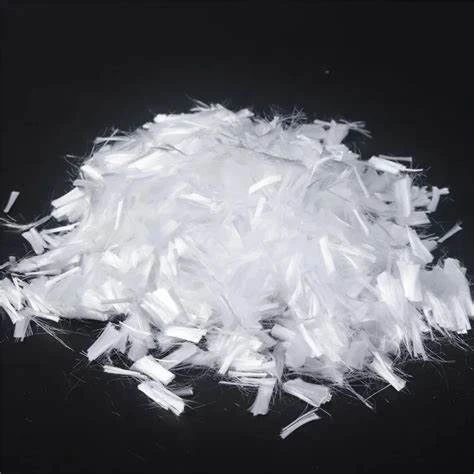
Polyprofylene Fibers is the most common synthetic fiber, the least expensive option, and the best performing
High chemical and moisture resistance- Great for indoor and outdoor use.
Medium tensile strength enables superior reduction of plastic shrinkage cracks.

2. Polyethylene Fibers
Unique for its high flexibility and low density can yield great bonding with concrete.
Excellent choice to improve impact resistance in industrial applications
3. Nylon Fibers
Provide excellent tensile strength and resistance to abrasions.
Especially effective for improving toughness and reducing micro-cracking.
4. Polyvinyl Alcohol (PVA) Fibers
Have exceptional bonding and dispersion qualities in concrete.
Typically used in high-performance and decorative applications.
5. Blended Synthetic Fibers
A blend of different types of fibers to achieve a variety of advantages, for instance, both control of cracks and resistance to impact.
All types of synthetic fibers can have transactional advantages, but, due to the overall balance of cost, performance, and convenience, PP fiber is the existing standard.
How Synthetic Fibers Work in Concrete?
When synthetic fibers are added to the concrete mixture, the fibers disperse evenly in the concrete, as a network. Unlike other reinforcement types, the fibers do not provide strength in a single plane (like steel rebars), but instead provide 3-dimensional reinforcement in the form of a network.
Following is an explanation of the concrete performance benefits they provide:
Micro-Crack Prevention – The fibers hold the concrete matrix together in the early curing stages, thereby helping to hold the matrix together in times of shrinkage and deforming under load.
Load Distribution – The fibers help to distribute loads across the structure more evenly, decreasing stress on specific points.
Increased Toughness – Under moments of impact or vibrations in the structure, the fibers absorb energy and redistribute that energy, which increases the toughness of the structure.
Moisture Barrier – PP fibers are hydrophobic; therefore, they do not absorb water, assisting in reducing water penetration in the concrete.
These combined benefits help prolong the longevity of concrete structures while decreasing maintenance.
Key Benefits of Synthetic Fibers
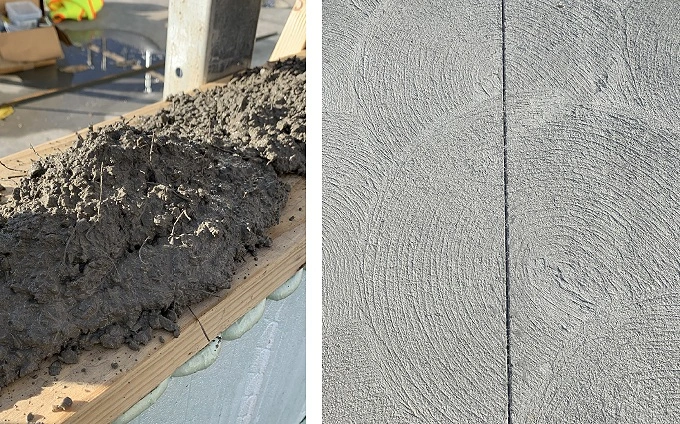
The use of synthetic fibers for concrete is more than just a passing trend – it is a performance improvement! The top benefits of synthetic fibers include:
1. Better Crack Control
Fibers provide micro-reinforcement to control plastic shrinkage cracks as well as long-term drying shrinkage cracks.
2. Improved Durability
Fibers contribute to increased resistance to abrasion, impact, and fatigue, as they help to ensure that the structure supports heavy loads and is built to withstand harsh environments.
3. Corrosion Resistance
Synthetic fibers do not rust. This quality makes synthetic fibers ideal for structures that are exposed to water, chemicals, or salt as an alternative to steel reinforcement.
4. Cost-Effective
While there could be an increased upfront cost, the decreased maintenance, reduced repairs, and greater service life make these an affordable alternative.
5. Easy to Use
Synthetic fibers are added to the mix – there are no special installation or placement requirements or challenges, which saves time on the job site.
6. Lightweight Reinforcement
Compared to steel, fibers and reinforcement are much lighter and reduce handling and logistical costs.
Uses of Synthetic Fibers in Construction
Synthetic fibers for concrete could be used for almost every project, ranging from small residential works to large infrastructure. Examples of common applications include:
Industrial Floors – Areas with high impact and heavy loads will benefit from improved toughness and crack resistance.
Pavements & Roads – Fibers will improve durability and help avoid surface cracking under continuous traffic loads.
Precast Concrete Products – e.g., pipes, tiles, and panels-those factors which allow for improved strength and resistance to damage whilst handling are vital.
Shotcrete – as an applied material for tunneling, mining, and slope stabilization- will allow for factor control of rebound and cracking.
Water Structures – e.g., dams, canals, tanks, and basins which need the benefits of moisture management and chemical resistance.
Decorative Concrete – For stamped-concrete or polished concrete floor types, it improves the surface integrity.
Dosage Rates/Dosage and Mix Tips
Using synthetic fibers properly is paramount to achieving the best results.
Typical Dosage
PP fiber: Generally, 0.6 – 1.0 kg per cubic meter of concrete to achieve plastic shrinkage control.
For structural performance: 2.0 – 4.0 kg per cubic meter of concrete, depending on design.
Mixing Tips
Add Fibers Slowly – Introduce the fibres into the mixer gradually to avoid clumping.
Mix Thoroughly – Fiber balls may occur if fibres are not evenly distributed through the concrete.
Water adjustment – Synthetic fibers may affect the final mix workability slightly; you may need to adjust water or admixtures.
Use the Right Mixer Speed – Excessive speeds could cause entanglement of fibers; moderate speeds are recommended!
These recommendations help ensure fibers act as they are designed, while not compromising the workability of the mix.
Challenges of Using Synthetic Fibers
Synthetic fibers have many benefits, but here are some cautions to consider:
1. Initial Cost Perception – There are long-term cost savings, but in the beginning, contractors may shy away from synthetic fibers because of the cost.
2. Mixing Issues – If not mixed correctly, fibers can bunch together and not work as they should.
3. Change in Workability – Fibers may change the slump slightly, causing the concrete to feel stiffer.
4. Limited Structural Replacement – When used properly, fibers can elevate the overall performance of concrete; however, synthetic fibers will never replace structural steel reinforcement in heavy load applications.
Most of these cautions can be mitigated with careful planning, proper training, and following the manufacturer’s recommendations.
Conclusion
The construction/mix design industry is evolving, along with concrete technology. Synthetic fibers for concrete are providing a game-changing tool to enhance performance, durability, and economic efficiencies.
The use of synthetic fibers elevates durability with less cracking, more toughness, and incredible corrosion resistance. Synthetic fibers provide a smarter option to traditional reinforcement methods for many applications.
While they may not completely replace steel in every scenario, they are an undeniable step forward in making concrete stronger, longer-lasting, and more sustainable.
As infrastructure demands grow and the need for low-maintenance solutions increases, synthetic fibers are set to play a crucial role in shaping the future of construction.

Sagar Telrandhe is a Construction Engineer with a B.Tech in Construction Engineering & Management. Passionate about infrastructure development, project planning, and sustainable construction, he specializes in modern construction techniques, project execution, and quality management, contributing to efficient and innovative building.