

The selection and processing of raw materials is the first important step in the production process of cellulose fiber. Refinement, drying, and quality control come next.
Textiles, packaging, and other industrial materials are only a few of the uses for the finished product. We will provide a detailed, step-by-step explanation of the production process of cellulose fiber in this blog.
Table of Contents
What is Cellulose Fiber?
Cellulose fiber is a natural, plant-based product derived mainly from wood pulp and other fiber materials with a cellulose component.
It is an environmentally friendly material, has thermal resistance, has a high capacity for water retention, and plays an important role in construction products like tile adhesives, skim coats, and crack fillers, especially within a dry mix mortar system.
Cellulose fiber is a biodegradable product that has a low environmental impact while being utilized as an additive in today’s sustainable construction efforts.
Step-by-Step Guide: Cellulose Fiber Production Process
Cellulose fiber production is a systematic process that develops cellulose fibers that are adaptable and suitable for industrial applications, specifically construction products. An explanation of the production process is as follows:
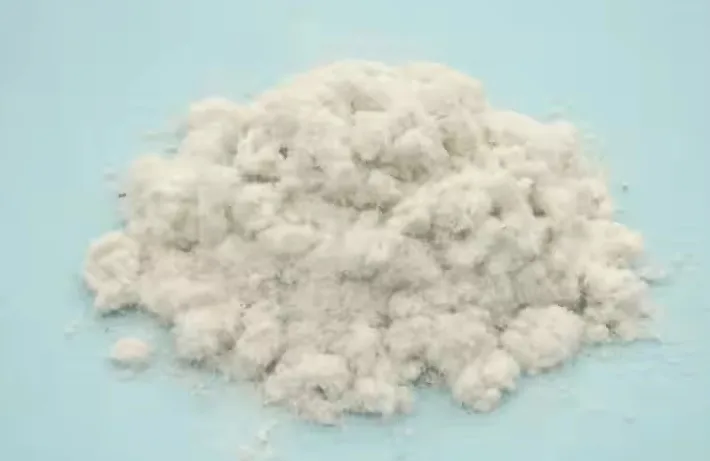
1. Selecting and Cleaning Raw Material
The production of cellulose fiber begins with selecting the raw materials, typically from natural materials such as wood pulp.
The wood pulp student, after selecting it, will be thoroughly cleaned to remove dust, bark, and material that will affect the performance of cellulose fibers in the final product.
The cleanliness of the base material can have an effect on the performance and the consistency of use for the whole process.
2. Fibers are Processed
Once the raw material has been cleaned, the raw materials will be processed. The processing method can be mechanical, chemical, or both
The fibres must be isolated and modified so that the fibres have appropriate characteristics – length, thickness, and surface.
The refinement process is important because it determines the fibre’s bulk density and surface areas; both essential factors that either enable or disable the fibre from performing as per the requirements of designed applications such as tile adhesive and leveling mortars.
3. Drying and Grading
The wet fibres are dried under temperature and humidity-controlled conditions. The drying removes the moisture and preserves the strength of the fibres while also chemically degrading the cellulose.
Once dry, the fibres are sifted into different sizes (grains) so that the fibres can be matched with specific construction applications.
The fibres are proportioned based on a variety of parameters such as fibre length, fineness, and athletic performance in various environmental conditions.
4. Packaging and Quality Control
The final step is packaging the graded cellulose fibres into standard bags (usually 10 kg to 25 kg) or bulk (up to 500 kg). Each batch of cellulose fibre goes through quality control.
The quality control comparisons are made on moisture content, pH, and fibre length distributions. Sakshi Chem Sciences adheres to stringent standards to maintain confidence in the consistency and safety of the final product.
Key Properties of Cellulose Fiber
Cellulose fiber products are designed to help improve the performance of many construction materials. The following are some of the major features:
High Water Retention – Helps to retain moisture in dry-mix mortars and adhesives, improving workability and extending open time.
Thermal Stability – Withstands processing temperatures of 180°C, suitable for tough construction ambient conditions.
Chemical Stability – Effective over a wide pH range (4 to 12).
Environmentally Safe – Non-toxic, biodegradable, and human-friendly.
Anti-Cracking – Helps to minimize shrinkage & cracking in cementitious materials.
Examples of Cellulose Fiber Use in Construction
Cellulose fiber is such an adaptable material in construction that it can be used in many aspects. Cellulose fiber has proven beneficial in the enhancement of durability, bonding, and performance of construction materials in the following applications:
1. Drymix Mortars
In products such as tile adhesives, skim coats, and self-leveling products, cellulose fiber improves anti-sagging properties and improves the consistency of the mixture.
Cellulose is key to providing an even application of the products while improving the opportunity of less cracking.
2. Tile Adhesives
As an additive in tile adhesives, cellulose fiber helps enhance the trowelability of the mix, extends the open time, and thus permits better ease of tile placement.
One of the outcomes of cellulose fiber is to induce a reduced slip of the tile and therefore improve stronger adhesion and placement.
3. Road Construction
Cellulose fiber is an additive stabilizer and reinforcement material in asphalt mixtures. It improves the thermal stability, lessens rutting, and can help enhance flexibility and performance in road surface construction.
4. Polyurethane Foam and Welding Electrodes
In Polyurethane (PU) foam systems, cellulose fiber helps with overall integrity and durability. In welding electrodes, the cellulose fiber helps maintain the stability of the arc and supports slag formation during welding, resulting in improved quality welds.
Popular Product Grades
Here is a range of cellulose fiber grades and formulations that are organized to suit the need for specific construction applications. Here is a summary of their most accepted grades:
| Product Grade | Recommended Use | Dosage (%) |
| CF60W | Tile adhesives, joint fillers | 0.3 – 0.4% |
| CF300W | Interior wall putty, leveling mortars | 0.3 – 1.0% |
| CF800W | External Thermal Insulation Composite Systems (ETICS/EIFS), textured coatings | 0.2 – 2.0% |
| CF950G | High-performance, crack-resistant mortars | 0.4 – 1.5% |
These grades vary in fiber size and refinement levels, and each is designed to deliver optimal performance in its targeted application area.
Sustainability and Environmental Benefits
Cellulose fiber provides a very compelling case for sustainable construction. Cellulose fiber is not synthetic, and is able to be recycled or naturally returned to the earth, is renewable, and cellulose fiber is less costly for the environment in terms of production and energy consumption.
The use of cellulose fiber leads to a reduction in the carbon footprint for the overall project, even while making high-performance products.
By choosing to incorporate cellulose fiber into these formulations, manufacturers and builders are reducing their reliance on petroleum-based materials to create products for building and construction, which reduces the dangers during construction and to the environment.


Conclusion: A Natural Development in the Modern Building Environment
Manufacturing cellulose fiber is a well-thought-out system design allowing natural materials to be transformed into fully functional high-performance construction additives.
As the need for eco-friendly building products continues to increase, cellulose fiber is emerging as one of the cornerstones for sustainable building.
Sakshi Chem Sciences stands at the forefront of this movement, providing well-researched, reliable, and high-quality cellulose fiber solutions for a wide range of industrial needs.
Whether you are developing advanced tile adhesives or seeking to improve the performance of self-leveling mortar, cellulose fiber offers the consistency, versatility, and sustainability required in today’s construction landscape.
As the industry continues to move toward greener and more effective materials, the role of cellulose fiber will only become more significant, setting new benchmarks for what’s possible in eco-friendly building practices.

Sagar Telrandhe is a Construction Engineer with a B.Tech in Construction Engineering & Management. Passionate about infrastructure development, project planning, and sustainable construction, he specializes in modern construction techniques, project execution, and quality management, contributing to efficient and innovative building.