
Concrete is the key aspect of modern construction, including pathways, bridges, buildings, and more. It can be difficult to imagine a modern construction project that does not include concrete, which is typically made of sand, cement, water, aggregates, and chemical admixtures.
As construction needs have become increasingly complex, engineers and builders have explored ways to increase concrete’s strength, durability, and sustainability.
Here, we find metakaolin — among the most effective and game-changing materials present in the way we make and use concrete today.
Table of Contents
So, What is Metakaolin?
Metakaolin is classified as a pozzolanic material, meaning it is an element that allows in the presence of water and calcium hydroxide, will create compounds in a concrete mix, which enhance the characteristic strength and durability of the concrete.
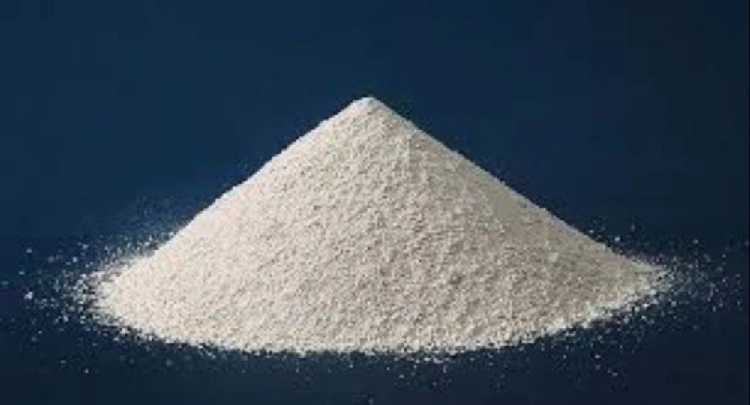
Metakaolin is produced by heating kaolin clay (found naturally) in a kiln, with high temperatures in a calcines environment, usually between 600 to 800 degrees Celsius.
The calcination process changes the form of kaolin from a semi-crystalline structure into a fine, white powder, highly reactive pozzolan known as metakaolin.
The activity of metakaolin makes it a great concrete admixture. Once added to a concrete mix, it interacts with free lime (calcium hydroxide), which is a by-product of the hydration of cement, and forms additional calcium silicate hydrate or C-S-H — the binding material that gives concrete its strength.
Not only does metakaolin serve a purpose for the construction industry, but it is also used in a variety of other industries, including but not limited to ceramics, paints, coatings, and PVC insulation.
However, perhaps the best value metakaolin brings is how it improves concrete performance by making it stronger, more durable, and more aesthetically pleasing.
Now that we know what metakaolin is, let’s look at the reasons why it is becoming more popular in the construction industry and the benefits it offers to concrete.
1. Increased Strength and Long-term Durability
A clear benefit of using metakaolin in concrete is the significant increase in compressive strength. This occurs when metakaolin is mixed with concrete because it will react with calcium hydroxide from the cement to form additional C-S-H gel. More C-S-H means increased strength of the concrete.
Additionally, the fine powder of metakaolin will fill very small gaps and pores in the concrete. This helps to reduce porosity and increases the difficulty for water, chemicals, and pollutants to enter the concrete.
This improves the structure’s resistance to corrosion, freeze-thaw cycles, and chemical attack… all of which reduce building longevity.
Therefore, metakaolin is especially practical for all infrastructure exposed to harsher environments (marine structures, bridges, tunnels, sewage treatment plants, etc.).
2. Better Workability and Flow
Adding metakaolin also improves the workability of concrete, in addition to developing higher strength. Because metakaolin has an ultra-fine particle size and distributes uniformly in the concrete mixture it creates a smoother texture and helps reduce the risk of segregation.
The concrete that is mixed with metakaolin generally has a better cohesive quality, meaning it holds together more efficiently during placement, reduces the water content for the mix, not only contributing to increased strength but also helping improve consistency and ease of placement.
In practical terms, this means that workers will find concrete with metakaolin easier to pour and finish, even in complex formworks or hard to reach places. The better the workability of the concrete, the easier it will be to get the desired results on site, especially for larger or decorative applications.
3. Prevents Efflorescence and Improves Appearance
Have you ever noticed a chalky white film on the surface of concrete?
That is efflorescence when water-soluble salts rise to the surface of concrete and crystallize. Not only is it ugly, but it indicates potential long-term durability issues.
One of the lesser-known but highly appreciated benefits of metakaolin is that it reduces or even eliminates efflorescence. It works by reacting with the reactive alkalis in the concrete and binding them chemically, capturing all the reactive components prior to reaching the surface.
The result? A cleaner, greater looking surface leads to metakaolin being desirable for decorative concrete, precast panels, countertops, and architectural interfaces where appearance is as important as performance.
4. Environmental Benefits / Cement Reduction
Another major reason metakaolin’s profile is increasing is that it can partially replace Portland cement in concrete. Everyone knows the cement industry has a massive carbon footprint and generates enormous amounts of CO₂.
Metakaolin is an alternative supplementary cementitious material (SCM) that can replace cement and reduce CHP without compromising performance.
Metakaolin SCM means less carbon is emitted and lower greenhouse gas emissions plus, in some cases, decreased overall cost for large projects.
Furthermore, using metakaolin makes concrete more sustainable without compromising strength or longevity — a win-win for eco-conscious builders and engineers.
Conclusion: Small Additive, Big Impact
Metakaolin might look like a mere powder added to concrete, but its impact is certainly not small. Improve strength, decrease cracking, improve durability and even enhance aesthetics; the super additive desiged to change the way we build in the future.
Metakaolin represents an effective solution to building in a world of long-lasting structures, built sustainably and smartly, without having to completely reinvent the wheel.
Innovation in materials is not the exciting ‘new’ material we tend to focus on; rather, innovating materials as simple as clay, transformed by heat, to produce a much stronger and reliable material for building constructions.
So, whether your project is a bridge, a building facade, or decorative concrete floors, give thought to what metakaolin in concrete can provide for your next project. It may just be the unsung hero in your next concrete mix.

Sagar Telrandhe is a Construction Engineer with a B.Tech in Construction Engineering & Management. Passionate about infrastructure development, project planning, and sustainable construction, he specializes in modern construction techniques, project execution, and quality management, contributing to efficient and innovative building.