

Introduction
Ready-Mix Concrete (RMC) has fundamentally changed the way we think about construction. Becoming a reliable, fast, and consistent material is critical for today’s fast-paced building environment.
But while a lot of focus is given to ease of use with RMC, there is one important aspect that tends to be overlooked: the materials that create RMC.
Table of Contents
When we talk about how materials matter, we refer to the fact that the materials selected to make RMC are extremely important for how good (or bad) the RMC turns out.
The overall compressive strength, workability, durability, and environmental resistance of the final RMC product stem from the quality of material selections, their properties, and the compatibility of mixes.
The following article provides an in-depth look at how material selection affects RMC quality, addresses the materials used in RMC, and what builders and engineers should know to make the most of RMC.
What is Good Quality RMC?
When we discuss Good Quality RMC, we presume that the concrete can do 4 things:
Support the required loads over an extended period of time (compressive strength),
Be homogeneous and consistent in the mix,
Be water, chemical, and environment resistant, and
Be easily transported, poured, and spread (workability).
These aren’t just bonus features, they’re essential for a safe and long-lasting structure. And what influences these features the most? You guessed it: the materials selected and how they’re proportioned.
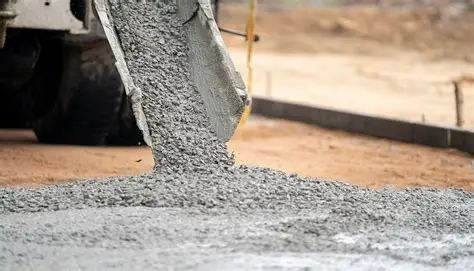
Key Materials Influencing RMC Quality
1. Cement – The Backbone of Concrete
Cement is the component responsible for binding everything together. The type and quality of cement have an enormous influence on the performance of the RMC:
Type of cement: Different types of cement are appropriate for different applications, for example, Ordinary Portland Cement (OPC), provides early-strength and should be used in time-critical applications, while Portland Pozzolana Cement (PPC) provides resistance to harsh conditions (high sulfates, coastal air, etc).
Fineness: The finer the cement, the better it reacts with water, and the denser and stronger the concrete.
Storage conditions: Even the best cement will not perform well if it is moist. Keeping the cement dry and protected (from moisture) maintains its possible range of chemical performance.
2. Aggregates – the load-bearing component
Aggregates are mostly sediment, sand, and stone, with required quality aggregates having an immediate impact on the concrete performance.
Type & grading: Fine (sand) or coarse aggregates must meet proper sizes and grading ranges for a well-balanced mix.
Shape and size: Rounded aggregates can flow better and are easier to work with, while angular aggregates interlock better, which is useful to add strength.
Cleanliness: Bonding & the overall paste create an overall concrete structure that is affected by materials such as clay, dust, and organic elements.
3. Water – the invaluable component
Water does not merely serve as filler. It ensures that the chemical reaction that turns the cement paste into a hardened substance occurs.
Purity Matters: Contaminants like chlorides, sulfates, and oil can hinder hydration, resulting in concrete being weak.
Water-Cement Ratio (W/C): It’s a delicate balance. If you add too much water, you may end up with concrete that is easy to pour but weak. If you add too little, the concrete may become difficult to work with. There is a narrow band where you want to operate.
4. Admixtures – The Game Changers
Admixtures are ingredients, either chemical or mineral, that are added to the concrete to influence the properties of the concrete.
Plasticizers and Superplasticizers improve workability without increasing water supply! These are amazing products that allow for high-strength concrete while keeping the mix easy to place.
Air-Entraining Agents are very beneficial for colder climates because they help resist damage from freeze-thaw cycles.
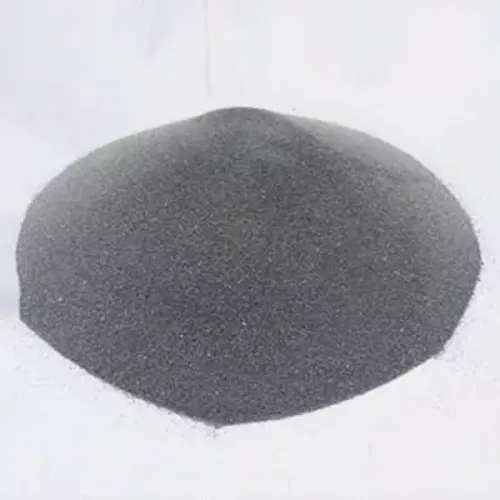
Pozzolanic Materials (like Micro Silica) are used to enhance durability and reduce porosity of the concrete, a great way to improve not only structural integrity, but to increase resistance to chemicals and moisture.
When builders use the right blend of admixtures, the concrete can be made to meet the particular demands of a unique project without sacrificing quality.
How Material Test Can Help Ensure RMC Quality?
Once mixing begins, EVERY material must have serious testing done for each shipment. Why? The inclusion of only a slight variance to the mix can create major failures down the road.
Aggregate Testing Includes:
Sieve Analysis – Checks particle size distribution.
Impact Value – Evaluates toughness.
Water Absorption – Establish the moisture retention capacity of aggregates.
Cement Testing:
Fineness, setting time, and compressive strength testing ensure that cement will deliver what performance is compatibly expected.
Water Testing:
pH levels and oil or salt contamination are critical to ensure the avoidance of chemical interference.
Routine testing means your RMC batch will be consistent and will serve its purpose effectively.
Obstacles to Material Selection for RMC
No matter how sophisticated or numerous, resources and testing products are at your disposal, there will still be challenges to material selection.
Here are some typical ones:
1. Limited Resource Availability
The quality you require may simply not be available or in areas away from remote locations or developing countries there could be a scarcity of resources. Builders often must make compromises simply because of the issues associated with the supply chain or not enough local resources available.
2. Cost
With quality materials, understandably, comes an additional cost. Finding a balance between budget and quality can be hard, especially when fearing scrutiny on large or low-cost projects, where you can expect cost-cutting.
3. Environmental Regulations
The commitment to sustainability is at an all-time high. Therefore, producers are seeking materials that are eco-friendly whilst also ensuring application, longevity, and effectiveness whilst sourcing.
Best Practices for Improving RMC Quality Through Material Selection
To ensure your RMC performs at its fullest, follow these useful tips:
1. Partner with Reliable Suppliers
Vendors who can be trusted can offer material quality, consistency, and traceability.
2. Automate for Accuracy
Utilize automated batching systems to efficiently and accurately manage the amount of materials and ratios in the mix.
3. Choose Sustainable Alternatives
Recycled aggregates, fly ash, or micro silica can all help mitigate environmental impact and may result in no performance reduction.
4. Consider Site Conditions
You have to monitor your mix and materials at the time of placement.
Every time the mixture leaves your plant, it becomes a freight train waiting to crash. On-site quality control gives you the ability to identify problems in the early stages of placement before they reach a structural failure state.
Emerging Trends in Material Selection for RMC
The construction world is changing rapidly, and so are the material innovations.
1. Nano Materials
Compounds such as Nano-silica are being utilized to enhance strength, reduce cracking and improve durability.
2. Recycled Aggregates
Going green does not mean there’s a trade-off when it comes to quality. Recycled materials are being improved to allow for performance criteria to be measured while attempting to reduce the carbon footprint.
3. Smart Admixtures
Next-generation admixtures will make recommendations and change compositions in real-time based on the temperature of the concrete, the humidity, and even the conditions during mixing.
These futuristic tools are pushing the limits of what is possible with RMC and creating a future where concrete is smart, strong, and even more sustainable than we can imagine.

Conclusion
The strength and durability of concrete start with the robust building blocks that we put into it; material selection is key.
It isn’t just the decision between Portland cements, aggregates, clean water, or plasticizers versus metakaolin or micro silica. Each of these building blocks in the concrete will influence the performance, longevity, and characteristics of the concrete.
And as the construction industry shifts towards sustainability and innovation, material selection will become ever more critical. The crux of the matter? Understanding how material selection affects RMC quality is not just a technical skill, it is the linchpin to smarter, safer, and more resilient environments.

Sagar Telrandhe is a Construction Engineer with a B.Tech in Construction Engineering & Management. Passionate about infrastructure development, project planning, and sustainable construction, he specializes in modern construction techniques, project execution, and quality management, contributing to efficient and innovative building.