

Hydroxypropyl methylcellulose, or HPMC, is one of those products in many types of products than most people realize. It is found in capsules, tablets, oral suspensions, and even eye drops.
It seldom gets the attention it deserves, but plays an important back-up role in stabilizing the formulation and being effective and patient-friendly.
Table of Contents
Because of its vast usage, it is only fair to ask the only question that matters: Is HPMC safe for humans? The short answer is yes, but let’s drill down into exactly why.
What HPMC Is Made From and Why It’s Safe?
HPMC is plant cellulose. Cellulose is the natural fiber that gives plant materials (e.g., wood, cotton) structure. Plant cellulose is obtained from sources like wood pulp and cotton linters, and cleansed of elements like lignin, proteins, and resins.
Then purified cellulose undergoes a chemical modification process called etherification, and gets two functional groups, hydroxypropyl and methyl.
Hydroxypropyl methylcellulose creates no synthetic hazard; it makes cellulose more soluble in water for use in pharmaceutical applications. HPMC is a fine white odourless powder, and it readily dissolves in cold water, producing gels under some conditions.
Here are some aspects of its composition:
No animal products – HPMC is vegan and also suitable for halal/kosher.
No allergens – It is free of gluten, lactose, soy, dairy, and other common allergenic proteins.
No reactive components – It is inert, meaning it does not react with stomach acid, enzymes or other food components.
This is a fundamental requirement of an excipient that is safe; it should remain consistent from manufacture to digestion.
What the Body Does with HPMC After Ingestion?
Once HPMC enters the digestive tract, it does not enter the bloodstream; rather, it is passed through the stomach, small intestine, and colon unchanged – just like fiber in the diet.
Here is how it goes:
In the stomach – HPMC can modify the release of an active drug by forming a gel matrix, but it does not, nor does it need to, react with the stomach lining or gastric enzymes.
In the intestines – it is not broken down by enzymes and is ignored by transport proteins. It does not compete with nutrient absorption.
In the bloodstream – None – it never enters.
In elimination – It is excreted in feces, without a trace in urine or blood.
This “pass-through” effect means:
- No side effects from metabolism.
- No accumulation in tissues or organs.
- It does not affect blood sugar, pH balance, or nutrient absorption.
- Its ability to be inert is its strongest safety indicator.
Evidence from Animal Toxicology Studies
Before HPMC could be approved for human use, it had been put through an extensive suite of toxicology testing in rats, rabbits, dogs, and monkeys. Some of the toxicology tests included:
Acute toxicity – single high-dose exposure to HPMC.
Chronic toxicity – daily administration over months.
Reproductive safety – effect on fertility and fetal development.
No matter what species was used, with doses much larger than any human would ever experience, the results were always the same:
- No weight loss or damage to organs.
- Blood chemistry and serum enzymes are at normal levels.
- No evidence of mutagenic effects or cancer.
- Source of pregnancies and normal babies in the reproductive studies.
In the behavioural studies, there were no changes in appetite, activity levels, or grooming. All of this strongly towards the argument that HPMC is indeed biologically inert.
Evidence from Human Use and Clinical Data
HPMC has been part of human medicine for over fifty years. Millions of people ingest or use it freely with little or no understanding of its possible impact.
Some common non-food pharmaceutical uses include:
Capsules: HPMC-based capsules that are used as a vegan substitute for gelatin.
Tablet coatings: HPMC is used for coating tablets to enhance stability or to control the release of drugs.
Suspensions: HPMC is used as an agent that keeps solid particles evenly dispersed.
Ophthalmic lubricants: In products for dry eye relief.
In practice:
HPMC-based capsules dissolve harmlessly in the stomach with no residue left over.
HPMC eye drops soothe irritation-free, even in sensitive eyes.
For extended drug regimens with HPMC matrices, none have indicated a pattern of adverse reactions associated with the usage of the excipient.
When adverse reactions occurred in drug clinical trials, they have all been associated with the active drug, not HPMC.
What Do Regulatory Agencies Say About HPMC Safety?
It is not assumed to be safe; it is evaluated and continuously evaluated by regulatory agencies around the world.
FDA (USA): Lists HPMC as GRAS (Generally Recognized As Safe) for food and drug use.
European Food Safety Authority (EFSA): Also acceptable as a permitted food or drug additive (E464).
JECFA (FAO/WHO Expert Committee): No need for an acceptable daily intake (ADI) has been set due to no health concern even under high consumption.
Drug monographs worldwide (Canada, Japan, Australia): Standards required for HPMC no use restrictions regarding health concerns aside from basic purity and quality checks.
This global consensus is based on decades of data, the frequency of reviews and the ongoing monitoring of products.
Can Everyone Use HPMC Safely?
Although “safe for human consumption” addresses the average person, we should consider specific groups:
Children: Used in pediatric syrups and capsules with no issues.
Older Adults: Common with long-term medications; sorry no complications with the excipient.
Allergens: Free of common allergenic proteins, gluten.
People with digestive tract sensitivities: Typically very well tolerated; does not cause bloating and cramping like some sugar alcohols.
Immunocompromised patients: No evidence of immune stimulation or immune suppression.
HPMC’s wide margin of safety allows it be construed as a universal excipient.
The Variants Like “HPMC E5” and “HPMC E15” Are They Safe Too?
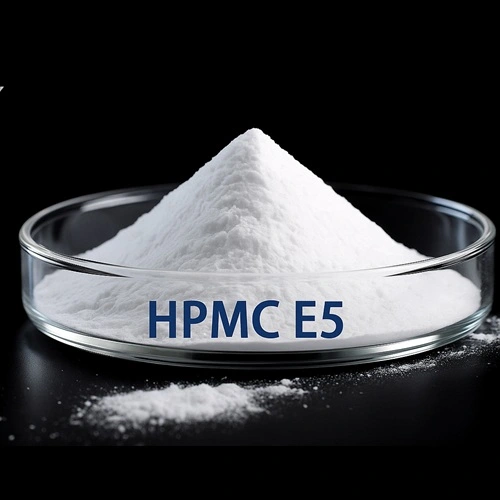
HPMC, or Hydroxypropyl Methylcellulose, is commonly given the identifying codes of HPMC E5 and HPMC E15. These identifier codes correspond to the viscosity grades of HPMC, or how thick the solution of HPMC becomes when mixed with water.
HPMC E5: This grade is characterized by low viscosity and is preferred for applications that require a thin and uniform film. You will often see HPMC E5 used in film coatings for tablets and capsules, providing a reliable barrier to improve stability while allowing the exiting drug release of active ingredients.
HPMC E15: This grade of HPMC is known as the medium viscosity grade and serves as an important property for controlled release dosage forms.
The HPMC E15 viscosity allows a prolonged exposure period of active ingredient delivery, which allows the drug to be administered in an effective manner and still requires a relatively recreational dosage at relatively unique intervals.
The viscosity grade is one of the many characteristics of HPMC that defines dosage form performance in areas including the integrity of tablet coatings as well as drug release profiles.
It is important to note that all viscosity grades of HPMC share the same inert, nontoxic features and therefore can be considered completely safe for consumption.
All viscosity grades of HPMC have been approved for use by regulatory agencies in drug delivery systems, which makes them wholly responsible for the standards applied for use as an effective pharmaceutical formulation.

Why HPMC’s Safety Profile Matters in Modern Formulation?
Pharmaceutical excipients must be more than just “non-toxic.” They must have predictable, stable, and versatile properties to support their use in a variety of formulations. Hydroxypropyl methylcellulose (HPMC) has these important properties:
Predictability: HPMC is reliable and predictable across multiple production batches. This consistent performance allows for each formulation to be manufactured to specifications and achieve the desired therapeutic effects.
Stability: This excipient has one of the most stable profiles and does not degrade during both storage and transportation phases. Stability is crucial to ensure that pharmaceutical products maintain their efficacy and safety for the entire product shelf life.
Versatility: HPMC can be used in various dosage forms, including tablets, capsules, eye drops, suspensions, and topical gels. HPMC is used for its adaptable properties, allowing formulators to produce diverse finished pharmaceutical products to meet the needs of patients and healthcare providers alike.
The bottom line: Is HPMC Safe for Human Use?
The evidence from laboratory studies and decades of consuming them indicates yes. HPMC is:
Non-absorbable – Passes through the gastrointestinal (GI) tract and body unchanged.
Non-toxic – No adverse effects seen in animals or humans.
Non-allergenic – Not known to contain the more common allergens that cause allergic reactions.
Globally approved – Approved as safe by the FDA, EFSA, in addition to numerous other international regulatory agencies.
When you met HPMC E5 in a film coating, or HPMC E15 in a controlled-release tablet, it is the same HPMC, and the same safety profile. HPMC is one of the most well-studied excipients in modern medicine, and one of the most trusted.
So the next time you take a capsule, or put in eye drops, rest assured knowing that if you have either one containing HPMC, you are looking at an excipient, designed to do its job, quietly, and effectively.

Sagar Telrandhe is a Construction Engineer with a B.Tech in Construction Engineering & Management. Passionate about infrastructure development, project planning, and sustainable construction, he specializes in modern construction techniques, project execution, and quality management, contributing to efficient and innovative building.