

Innovation in construction does not always equate to elements of other-worldly buildings or new design trends. It is often the most minuscule, inconspicuous aspects that have the greatest impact.
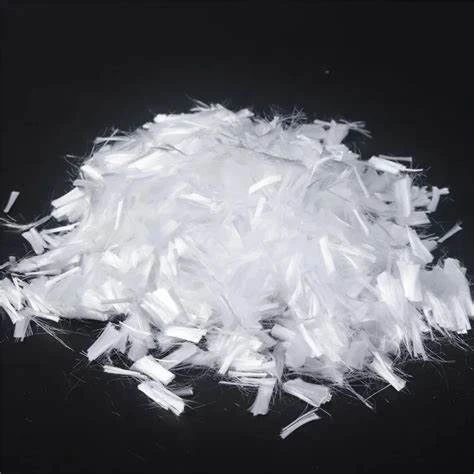
One powerful innovation being used right now is the fibres being used in construction materials. These fibres have made a revolutionary impact on construction in terms of how we build, what raw materials we can use, and how much we trust something to perform its functions.
These fibres are allowing us to build structures that are stronger, more durable, and reliable.
Table of Contents
Fibres are paving the way in construction, from concrete structures such as the flooring in fancy houses, to wall reinforcements in big skyscrapers. Essentially, fibres are doing the heavy lifting.
Here at Sakshi Chem Sciences we understand how important fibres are, and with that in mind, we have a range of fibres that reflect the evolving demands of a modern construction project.
Types of Fibres Used in Construction
Construction uses a variety of fibres for their particular properties in construction applications.
Steel Fibres: Used to add toughness and tensile strength. Steel fibres are the closest replacement to traditional rebar, being that they function better in high-load applications.
Glass Fibres: Glass is used mainly for its flexibility and durability. It’s also good in terms of preventing cracking and maintaining the integrity of the concrete.
Polypropylene (PP) and Polyethylene Fibres: All of the synthetic Polypropylene fibres will be very useful in preventing plastic shrinkage in curing because they are lightweight and dependable.
Alkali-Resistant (AR) Glass Fibres – when exposed to alkali, it is very resistant and safe in respect of potential chemical exposure.
Cellulose Fibres (actually cellulose is natural if that is the right term to use) – Cellulose Fibres usually used when adhesive tile is used to reduce slump and make a better mix.
Polyvinyl Alcohol (PVA) Fibres – Polyvinyl Alcohol which improve binding ability and strength. A little like having a mini reinforcement net in the mix.

Benefits of Fibres
There are several benefits to the use of fibres in construction, including:
Reduction of water loss – the use of fibre mesh in concrete substantially reduced water loss and therefore substantially improved the structural strength.
Reduction in durability – Steel and glass fibres providing muscular strength are particularly useful with polypropylene because they will generally allow slabs to withstand wear and tear for a longer period.
Safety – Reduced risk of crack or other structural failures is important to the safety of buildings and infrastructure. By including fibres, so as to make concrete more durable, safety is heightened.
Applications – There are numerous fibres on the market enabling the builder to choose the appropriate material on each occasion, using floating polished floors, infrastructure in footpaths, and more architectural facades.
Aesthetic Finishes: Fibres like polypropylene and glass can be used in burnished and polished concrete, delivering a clean and modern look.
Sakshi Chem Sciences: Your Fibre Expert in Construction Solutions
At Sakshi Chem Sciences, we recognise that each project is different. That’s why we offer an entire line of high-performance fibres for dry mix and concrete admixtures. Our fibres have a multitude of purposes like insulation, reinforcing, and controlling shrinkage.
Here’s what we provide:
- Fibres of every shape, size, density, and specification.
- Specialised fibres for Glass Fibre Reinforced Concrete (GFRC).
- Solutions that improve the physical and chemical properties of concrete.
Our products are developed to stabilise the cement paste and work like a mini inner net to better distribute the aggregate in the mix, preventing settlement and limiting bleedwater and improving finish and performance.
Why You Should Choose the Right Fibre?
Choosing the appropriate fibre type is not merely a technical decision but will influence the outcome for the entire project.
For example, PP fibres are fantastic for preventing shrinkage or achieving a modern, polished look. Steel fibres would be the proper choice for heavy-duty reinforcements like industrial flooring or tunnel linings.
It is this ability to match the fibre type to the requirements of a specific project that makes fibres so valuable: there is a fibre for durability, flexibility or aesthetic value.
Conclusion: Building the Future with Fibre
Fibres may be small, but they are mighty in construction, and the amount of performance and aesthetic value they add to your project is incredible. They contribute to the durability, strength, and appearance of concrete and are undeniably an important part of modern construction.
At Sakshi Chem Sciences, we know that deciding which fibre to use can be complex, but we also have lots of different fibres to satisfy the demands of today’s construction practices.
Get in touch with us to discuss your next project and find out how our fibre solutions can help you. Together, we can build stronger, safer, and prettier structures that will endure!

Sagar Telrandhe is a Construction Engineer with a B.Tech in Construction Engineering & Management. Passionate about infrastructure development, project planning, and sustainable construction, he specializes in modern construction techniques, project execution, and quality management, contributing to efficient and innovative building.