

Introduction
Deciding which material to use for your construction project may be the most important initial step in creating a sustainable result for your project.
There are many controversial building materials, but one common discussion is about bricks and concrete blocks. Each of them has positive and negative characteristics, as well as best-use scenarios.
Table of Contents
If you are a homeowner looking to renovate or a contractor assessing a major build, understanding the difference between bricks and concrete blocks will allow you to make better informed decisions, and hopefully save you money.
Bricks vs Concrete Blocks – A Simple Comparison
Let’s take a brief look at bricks and concrete blocks based on basic properties with construction implications:
1. Material Composition
Bricks are made from natural clay and fired in kilns to complete the manufactured, hardened state.
Concrete blocks are made from a mixture of Portland cement, aggregates, and water which are manufactured using moulds and in many cases treated with chemical hardener for improved performance.
2. Thermal and Acoustic Insulation
Bricks are a natural insulator for heat and sound and provide comfortable indoor conditions without modification.
Concrete blocks would insulate suitably, but in many cases would require treatment or additional products to provide specified insulation.
3. Use in Construction
Bricks are suitable for interior and exterior walls, cladding, patios, or decorative work.
Concrete blocks are often selected for the more substantial structural components of a project, like load-bearing walls, retaining walls, and foundations.
4. Compressive Strength
Bricks have a well-established reputation for being strong and long-lasting, but can deteriorate over the years in extreme weather conditions.
Concrete blocks have a greater compressive strength than bricks, but even more so when using good quality materials and hardener chemicals in the concrete mix.
5. Weight and Handling
Bricks are much heavier and may be cumbersome to transport and work with.
Concrete block is lighter and easier to manoeuvre around a job site and requires less time to install.
6. Cost Effectiveness
Bricks tend to be the most cost-effective option for small to medium-sized projects and are even more appealing if you can source them locally.
Concrete blocks are usually cheaper for larger builds since the manufacturing process has improved considerably, resulting in a greater supply of concrete blocks than bricks.
Which Material Is Best?
There is a spot for both in the construction industry. Below are a few ways to help you decide which material is better suited for your job:
1. Type of Project
Bricks should be used for a variety of work, including decorative walls, as part of a building façade, landscape features, etc.
Concrete blocks should be used when strength and support are paramount; for example, multi-storey applications or when constructing the foundation of a building.
2. Look and Feel
Brick can produce a very classic and warm aesthetic to a building’s appearance, while concrete blocks can produce a sleeker and modern look.
Concrete blocks have a sleek, contemporary design with consistent shapes that can fit neatly, modern architecture.
3. Weather / Climate
Both materials are sturdy enough, but don’t forget your location as it relates to both the weather/climate.
If you are working in a wet area or an area prone to flooding, concrete blocks may perform better than bricks because concrete blocks will more easily shed water.
4. Local Availability or environmental concerns.
When selecting your materials, it’s best to source materials that are available locally to limit transportation costs and emissions.
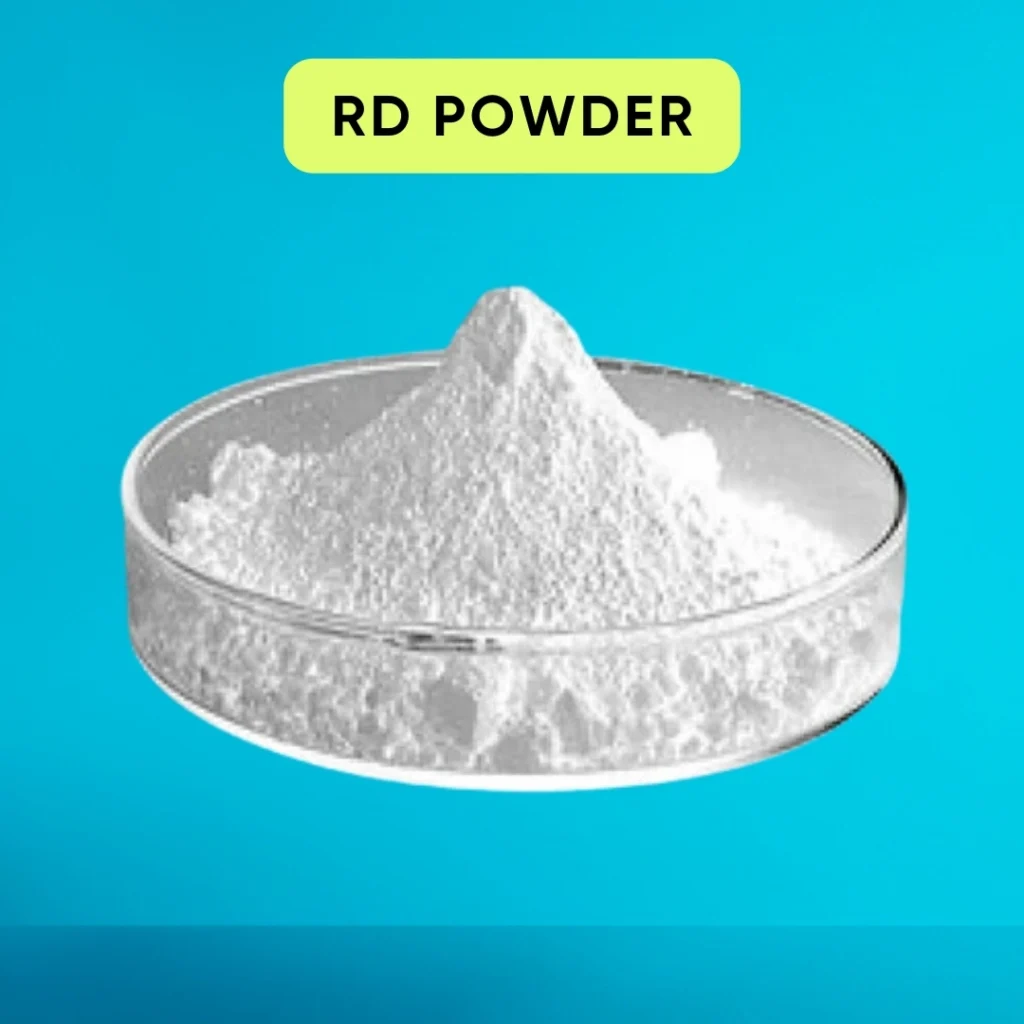
If you choose concrete blocks, look for the more environmentally responsible concrete block options that include additives like Redispersible Polymer Powder to increase strength while limiting water usage.

5. Convenience
Because bricks are smaller and heavier objects (and their installation requires skilled labor), they are typically slower to install, especially if they are a detailed or decorative project.
Unlike bricks, concrete blocks have a consistent size and therefore, you can use blocks over bricks for their installation efficiency alone.
Let’s Simplify the Comparison:
| Factor | Bricks | Concrete Blocks |
| Composition | Natural clay, kiln-fired | Cement, aggregates, water, hardeners |
| Insulation | Better thermal and sound insulation | Moderate insulation can be enhanced |
| Strength | Durable but with less compressive strength | Higher compressive strength |
| Weight | Heavier | Lighter and easier to handle |
| Aesthetic | Classic and rustic | Modern and uniform |
| Cost | Economical for smaller projects | More economical for larger projects |
| Application | Decorative walls, facades | Load-bearing walls, foundations |
Final Thoughts
Whether undertaking a small or large construction project, having a basic understanding of the major differences between bricks and concrete blocks is vitally important.
Bricks are traditional and charming, while concrete blocks are strong and efficient. With that said, your choice should take into account workability, style, and budget.
To obtain the best results, it is best to discuss the options with your architect or contractor and to ensure you try and use quality materials with enhancements, such as Redispersible Polymer Powder and hardener chemicals, to assist in creating a structure that will serve you long term.
No matter if you are building a special custom home or a commercial structural complex, ensuring the appropriate material is selected is the most important decision you can make in regards to your success.
FAQs: Common Questions Answered
Are bricks stronger than concrete blocks?
Both are strong, but concrete blocks tend to have higher compressive strength as they are denser and harder chemicals are used in their production.
Which material should I select for my house?
If you’re going for looks and reasonable strength, use bricks. If you are going for strength and time, use concrete blocks.
How long do concrete blocks last?
Well-made and taken care of, normal concrete blocks will last 50 years or longer, depending on the conditions and use.
Does grey cement work with either material?
It does. Grey cement works with both bricks and concrete blocks; it aids in bond strength and structural integrity.
Can bricks and blocks be used together in one project?
Yes. Many projects will have bricks for the aesthetic and concrete blocks for the strength behind the scenes.
Which material is going to need more maintenance?
Both materials will require very little maintenance after proper installation. Bricks may need to be cleaned or sealed every so often in a damp environment, but concrete blocks will require occasional inspection for cracks etc.

Sagar Telrandhe is a Construction Engineer with a B.Tech in Construction Engineering & Management. Passionate about infrastructure development, project planning, and sustainable construction, he specializes in modern construction techniques, project execution, and quality management, contributing to efficient and innovative building.