There have been incredible advancements in the construction chemical industry over the previous decades, specifically within the concrete and admixture industry. Innovations in concrete technology...
The paints and coatings industry is experiencing a great deal of change for 3 reasons. Customer expectations have shifted, and customers demand a smoother finish, respect for the environment, and dura...
Polyvinyl Alcohol (PVA) has become one of the most flexible and valuable synthetic polymers in the industries of modern construction and industrial chemistry. PVA is useful in construction, but als...
In a rapidly changing industrial and construction environment, chemical additives play an important role in improving strength, durability, and other material performance characteristics. Within t...
In construction, speed, durability, and efficiency are vital. Regardless of the type of project, residential, commercial, or infrastructure, all projects require a strong, reliable material, and at th...
Hydroxypropyl methylcellulose, or HPMC, is one of those products in many types of products than most people realize. It is found in capsules, tablets, oral suspensions, and even eye drops. It seld...
In the construction industry, Hydroxypropyl Methylcellulose (HPMC) is an essential additive, widely used in dry mix mortar, tile adhesives, wall putty, plasters, and cement-based coatings. One of...
Introduction There has been a rapid shift in the supplement industry, largely driven by the complex and continuously evolving demands of customers, such as plant-based & cleaner choices. Int...
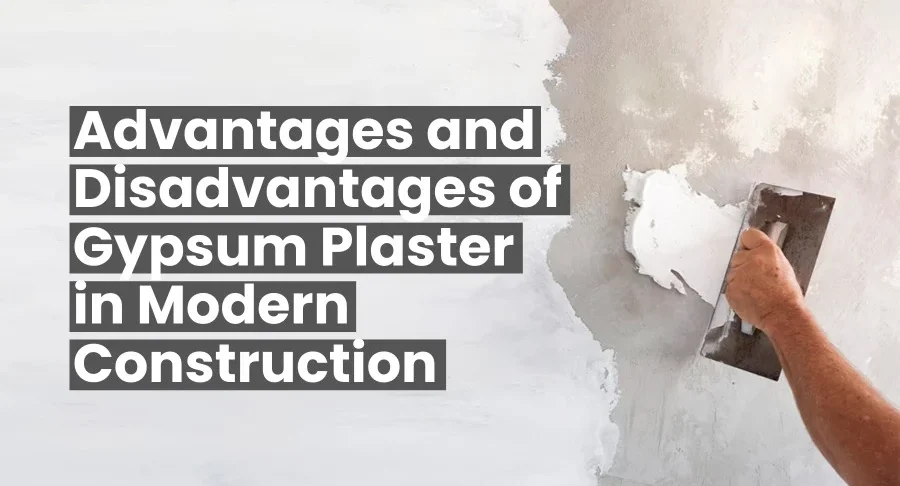
Gypsum plaster is a modern construction material that has increasingly gained popularity as an interior finish. It is regarded for its smooth finish, quick application, environmentally friendly nature...
When you enjoy a rich scoop of ice cream, spoon a layer of silky chocolate onto a cake, or smooth your favorite skin lotion onto your skin, you are likely benefiting from emulsifiers and not even awar...
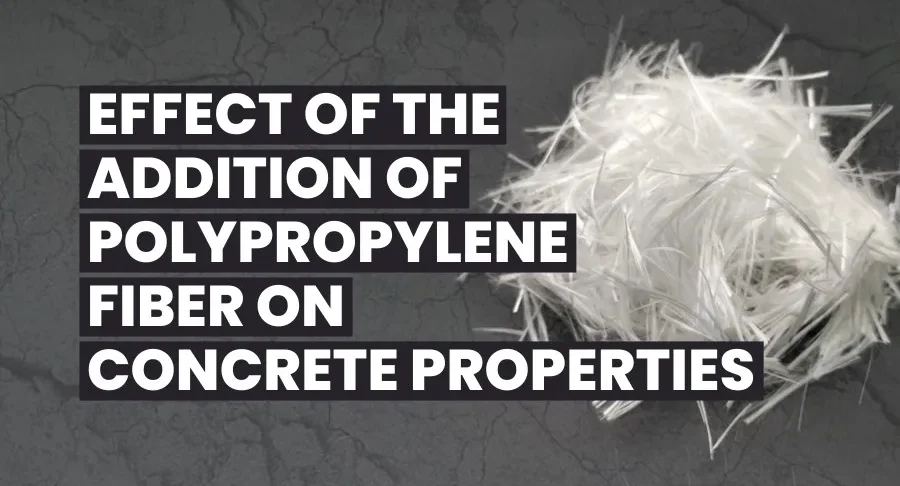
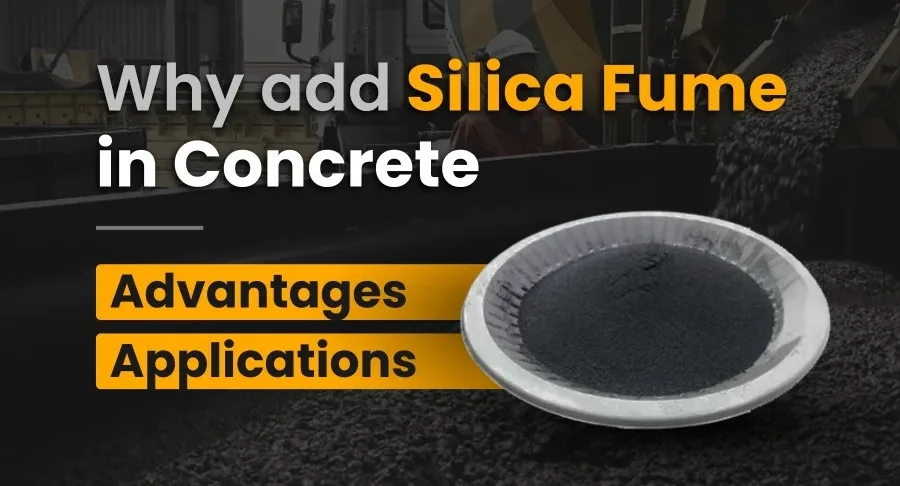
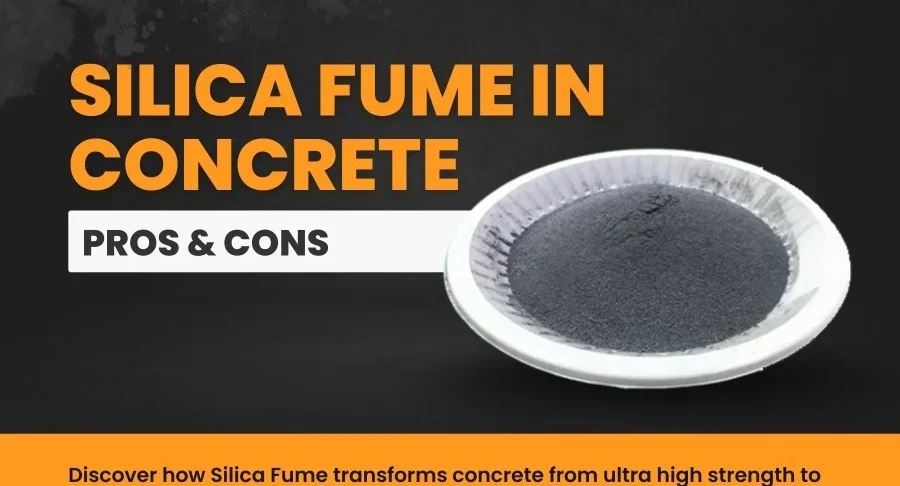
Concrete now encompasses more than its original mixture of cement, sand, and aggregate. With the expanding demands of construction, the performance of concrete required improvement. Specifically,...
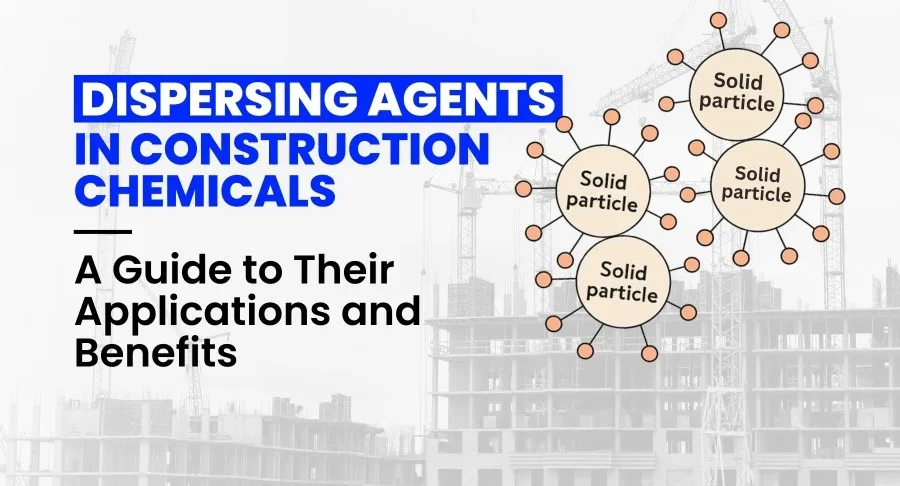
In contemporary construction, long-term performance, efficacy, and accuracy are no longer aspirational targets but prerequisites. Every construction material that is found in the field is specified to...
In pharmaceuticals, nothing is more important than precision. From the choice of active ingredients to excipients, everything is important to the safety, efficacy, and stability of the finished produc...
The reliability and durability of industrial flooring in high-traffic facilities (manufacturing, warehouses, and distribution centers) are of great importance. Industrial floors receive stress from he...
Concrete is already one of the most popular building materials in construction. But while regular concrete may suffice when it comes to strength, resistance to the elements, and durability, when we wa...
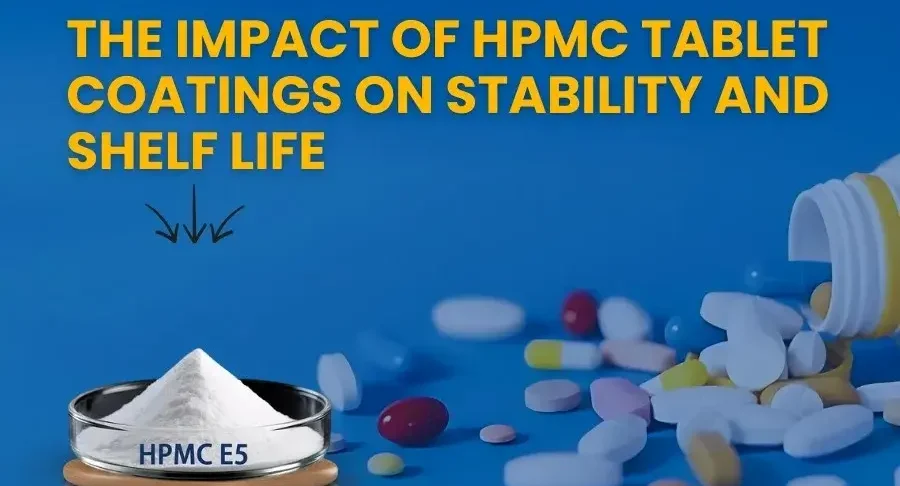
In the pharmaceutical industry, stability is more than a requirement - it’s a commitment. The commitment is that a drug that a patient takes today will still be just as effective months or years lat...
A building’s foundation is similar to a heartbeat in that it is invisible and its impact isn't noticed; however, it is vital to all of the structures established building surrounding it. Foundat...
Hydroxypropyl methylcellulose (HPMC) may appear as a substance only to be found in a chemist’s reference book; it is, in fact, a material that can help improve our lives quietly in a variety of day-...
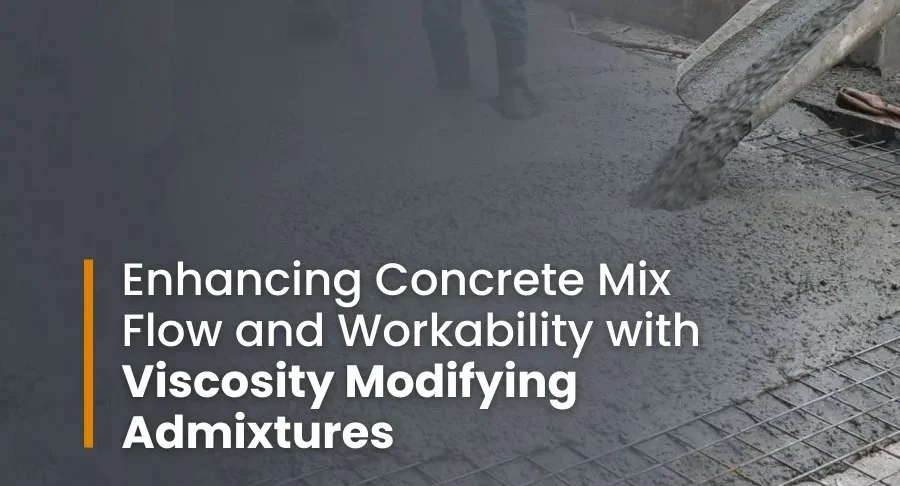
Introduction Concrete is more than simply a mixture of cement, water, and aggregates. It is a system in balance. The way it flows, adheres, and finishes is highly dependent on its viscosity. He...
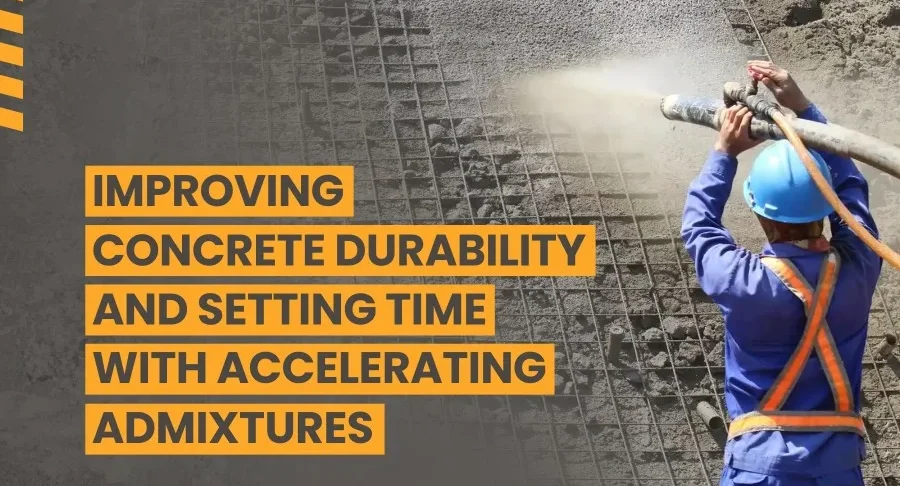
Introduction In the construction industry, where time is money and strength is king, we can agree that nothing is more important than concrete needing to set quickly and strength must last for year...
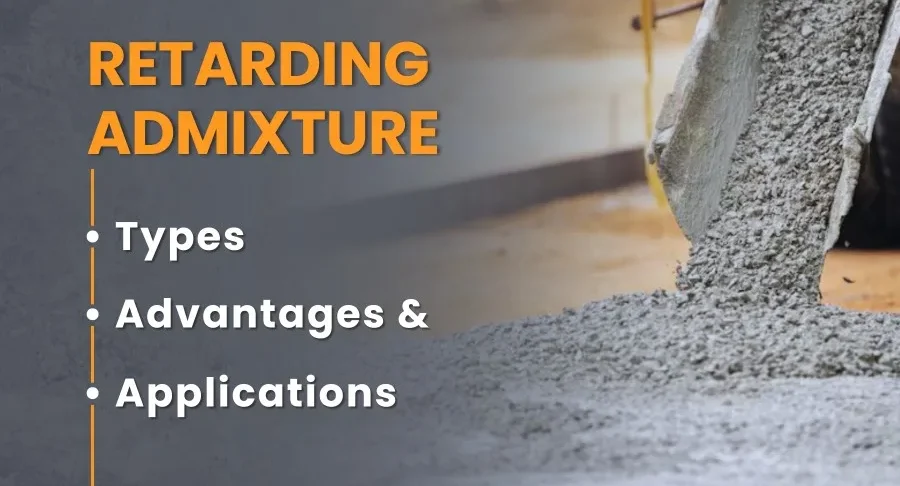
Timing is crucial in construction, especially regarding pouring and placing concrete. The setting of concrete is a delicate chemical reaction, and every now and then, we need to take our time to devel...
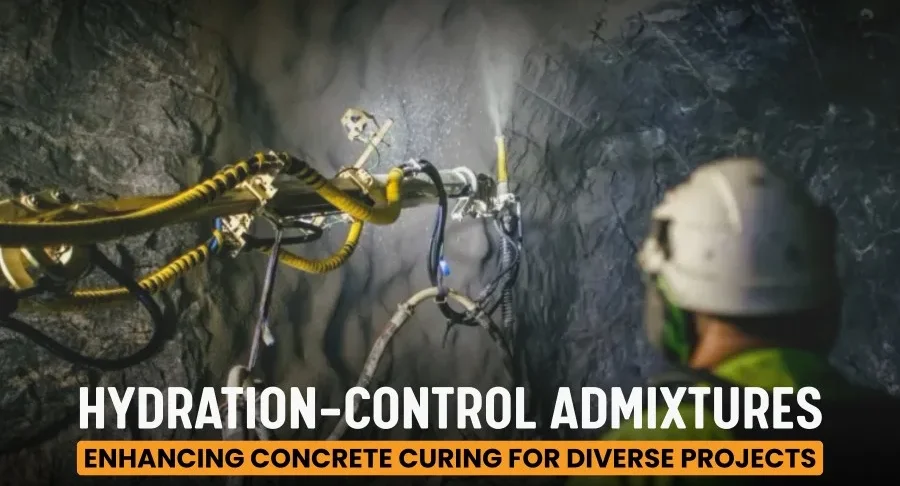
Introduction In the construction world, concrete isn't just a combination of cement and water — it's a chemical process that can be manipulated. That's where hydration-control admixtures come int...
In industries related to construction and renovation, the proper bonding material is the most important aspect of making a strong and durable tile installation. Tile adhesive (or more accurately tile...
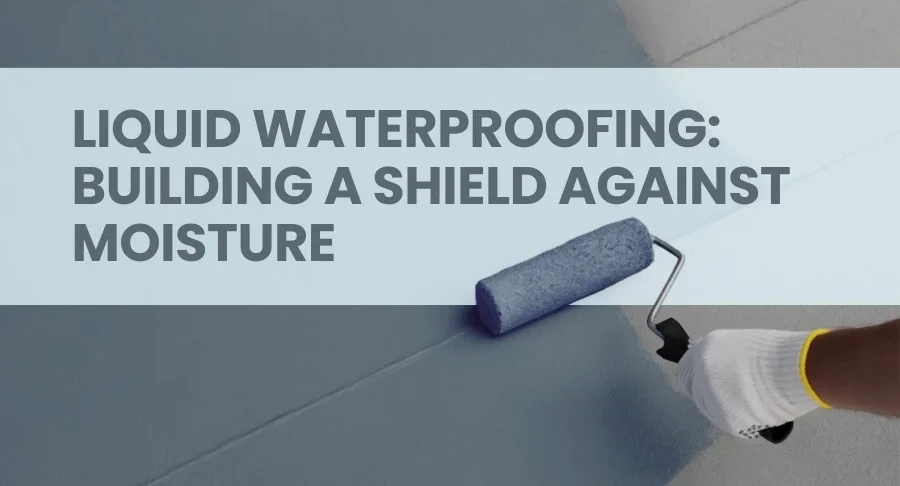
Introduction Concerned about damp patches on your walls or leaking roofs? Liquid waterproofing could be just what you need! Liquid waterproofing is an innovative method to reduce moisture damag...
Introduction Concrete is essential to nearly every construction project today. Whether a massive skyscraper wall or an ordinary home, or commercial ground floor, concrete is everywhere. Althoug...
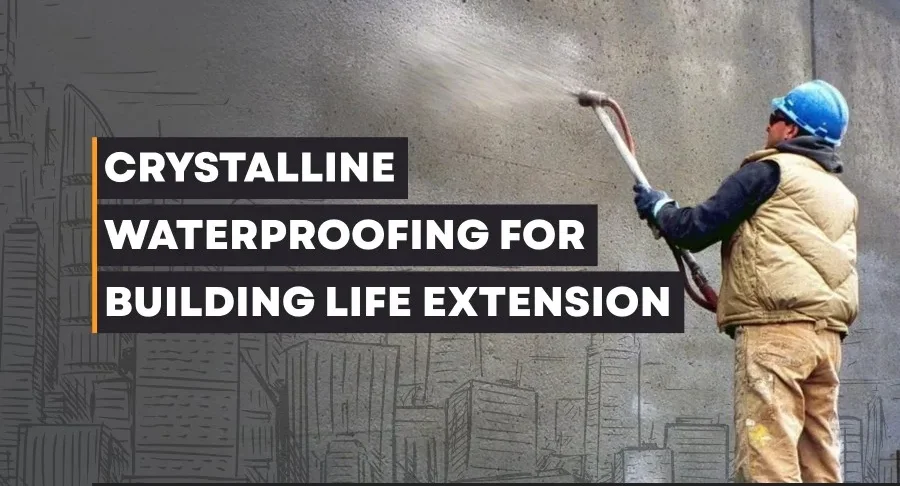
Introduction Crystalline waterproofing may provide a solution if you want your building to last and keep it free from water damage. There has been increasing interest in sustainable building and co...
Epoxy resin might seem like just another industrial product but if you look at it a bit closer you can find that it is a curious blend of chemistry and practical ability. From a reliable adhesive...
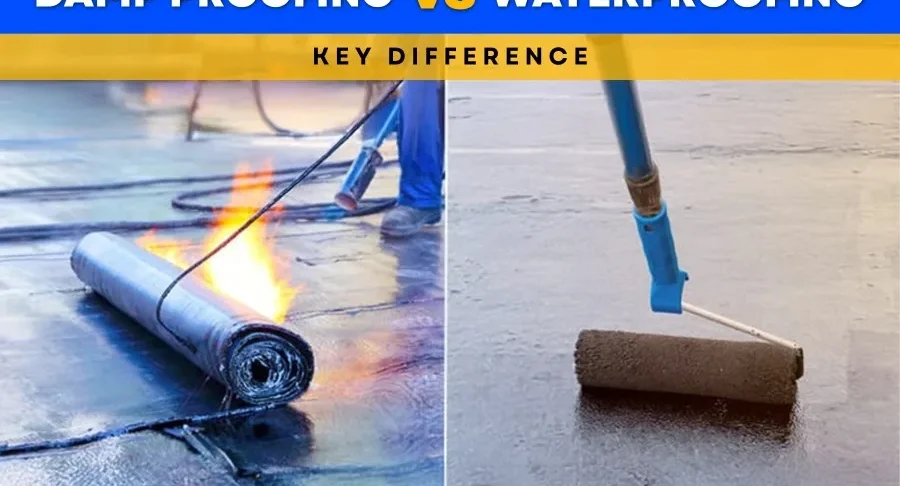
When protecting structures from water damage, you may hear two different terms — damp proofing vs. waterproofing. While to the layman they may sound similar because they both prevent water from...
Concrete is still one of the world's most utilized construction materials and is prized for its strength, versatility, and durability. Unfortunately, the production of cement, one of the major compone...
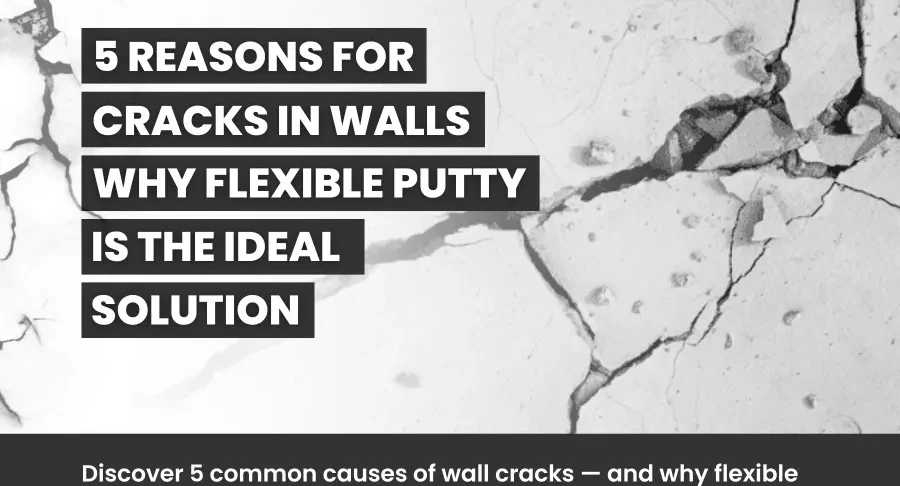
Have you walked into a room recently and noticed little lines running up the wall? Maybe they were above a door frame or quietly along the corner of the ceiling. Cracks in walls are something most...