Sagar Telrandhe is a Construction Engineer with a B.Tech in Construction Engineering & Management. Passionate about infrastructure development, project planning, and sustainable construction, he specializes in modern construction techniques, project execution, and quality management, contributing to efficient and innovative building.
View all posts by Sagar Telrandhe
Introduction Ready-Mix Concrete (RMC) has fundamentally changed the way we think about construction. Becoming a reliable, fast, and consistent material is critical for today’s fast-paced building...
Introduction If you live a rural lifestyle, or in an off grid property, you’re probably aware of some kind of septic system, especially if you don’t have a direct link to a city sewer line....
In industries related to construction and renovation, the proper bonding material is the most important aspect of making a strong and durable tile installation. Tile adhesive (or more accurately tile...
The time it takes for concrete to dry is critical to the success of a construction project and for maintaining proper flow. Drying delays can stretch schedules, increase costs, and interrupt workflow,...
Often, when we think of concrete, we think of mix ratios, strength, and durability. However, one step that is often overlooked is concrete vibrating. Concrete vibrating can mean the difference bet...
Introduction Concerned about damp patches on your walls or leaking roofs? Liquid waterproofing could be just what you need! Liquid waterproofing is an innovative method to reduce moisture damag...
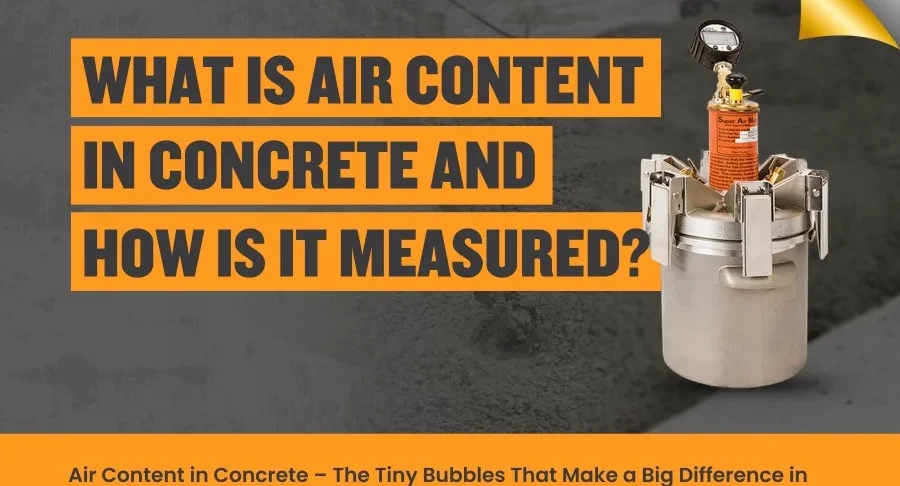
Introduction Concrete is essential to nearly every construction project today. Whether a massive skyscraper wall or an ordinary home, or commercial ground floor, concrete is everywhere. Althoug...
Introduction Crystalline waterproofing may provide a solution if you want your building to last and keep it free from water damage. There has been increasing interest in sustainable building and co...
Concrete is the key aspect of modern construction, including pathways, bridges, buildings, and more. It can be difficult to imagine a modern construction project that does not include concrete, which...
Epoxy resin might seem like just another industrial product but if you look at it a bit closer you can find that it is a curious blend of chemistry and practical ability. From a reliable adhesive...
Innovation in construction does not always equate to elements of other-worldly buildings or new design trends. It is often the most minuscule, inconspicuous aspects that have the greatest impact....
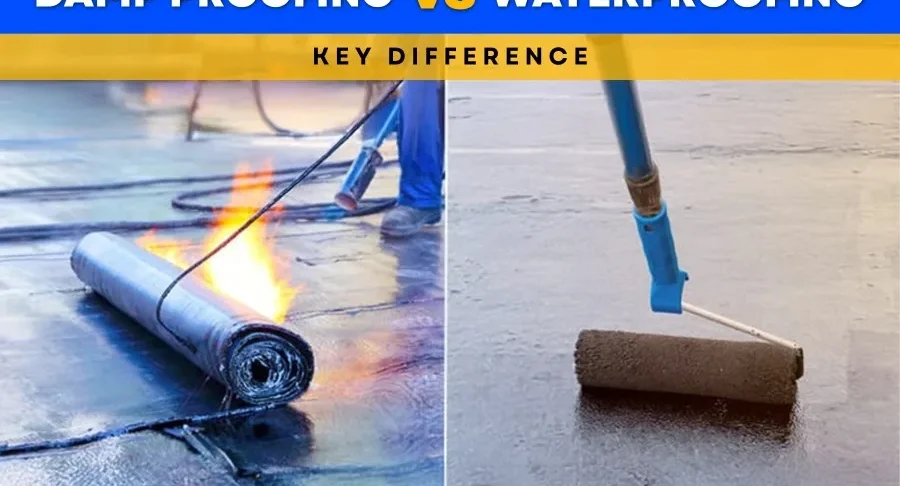
When protecting structures from water damage, you may hear two different terms — damp proofing vs. waterproofing. While to the layman they may sound similar because they both prevent water from...
When doing a masonry project, one key choice you will need to make is what type of mortar mix you will use. Whether mere working with a few bricks for a backyard BBQ, restoring an old building, or beg...
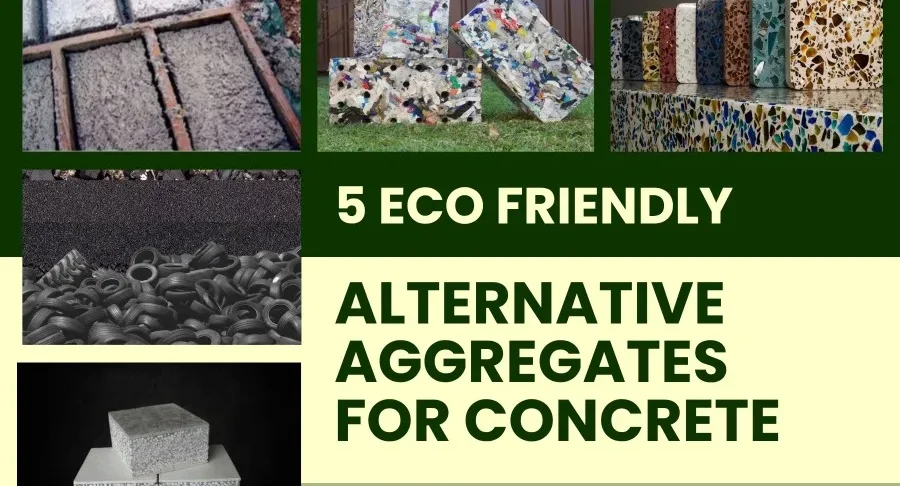
Did you know that concrete is the second-most consumed substance globally after water? It may be surprising to learn that the concrete industry is a huge global industry, worth over $137 billion....
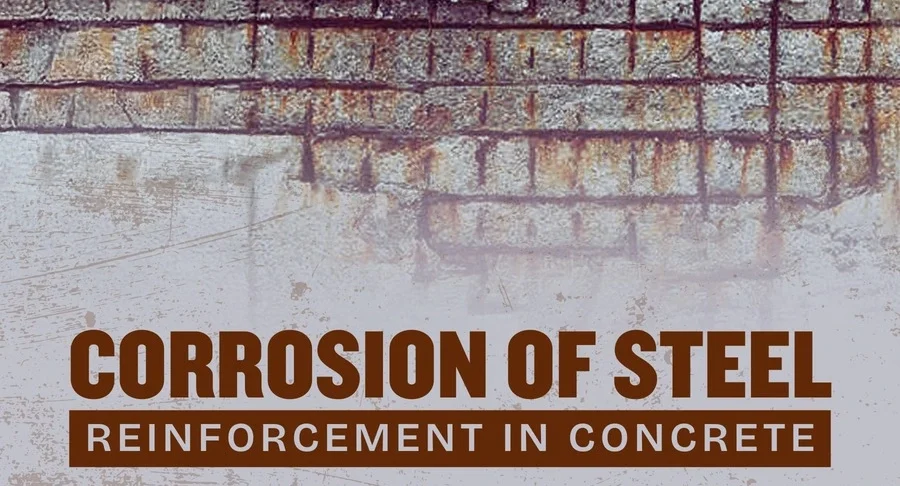
Steel and concrete are practically a match made in construction heaven - strong, long-lasting, and universally used to construct everything from bridges to highways to buildings to dams. Unfortuna...
Water leaks are more than just an inconvenience; they can cause serious damage to your house and expose you to health risks like mould, rot, and costly repairs. If you've ever noticed stained wall...
Concrete is one of the most useful and trusted materials for construction today. Whether it’s a mega bridge or a simple sidewalk, it provides strength, durability, and longevity. Concrete can ap...
In today's construction world, reinforced cement concrete (RCC) has become the standard durable and long-lasting material to create most structures. RCC is a combination of two strong materials: s...
For centuries, concrete has laid the framework for construction, but with the changing demands of modern infrastructure, materials need to change. This is where the next generation of polymer-modi...
The selection and processing of raw materials is the first important step in the production process of cellulose fiber. Refinement, drying, and quality control come next. Textiles, packaging, and...
Have you walked into a room recently and noticed little lines running up the wall? Maybe they were above a door frame or quietly along the corner of the ceiling. Cracks in walls are something most...
When you start to plan a painting or coating project, one of the most important decisions you'll face is which emulsion to choose. While there are several options available for use, the right styr...
When creating high-performance water-based coatings, selecting the right Hydroxyethyl Cellulose (HEC) is important. HEC acts as an essential rheology modifier that will have an effect on the visco...
If you work in the construction world, particularly if you work with material science and concrete, it is easy to overlook the microscopic helpers that do the heavy lifting in the concrete. One of...
The construction industry is always changing and continually looking for materials that provide better performance, efficiency, and sustainability. HPMC is one of so many products that can enhance the...
Concrete is an essential construction material that is known for its incredible strength, durability, and versatility. One often overlooked problem that can seriously affect the service life and s...
Concrete is a useful material used in construction. But did you know that there are over 20 different types of concrete? Each type of concrete has unique qualities and intended uses. Different typ...
If you have done any kind of work with mortar, whether it be laying bricks, rendering walls, or installing tiles, you usually know how important it is to get consistency right. It is one of those thin...
Introduction Concrete is the bedrock of modern developments; however, its applications have limitations. In order to resolve issues with cracking, workability, durability, and corrosion, many engin...
Polypropylene fiber is now one of the most abundant synthetic materials around the world. It is made from propylene monomers that are combined and spun into a fiber. It is light-weight, strong, an...