
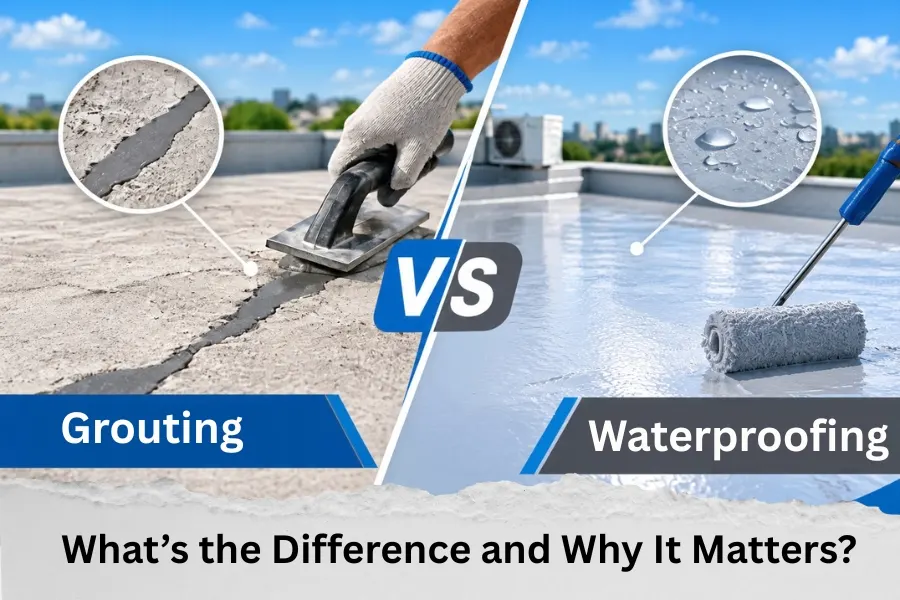
Grouting and waterproofing are often confused in tiled area applications. Both processes protect the finished surface, although they have completely different functions. Waterproofing protects the form from water pooling, while grouting takes care of the spaces between tiles, resulting in a nice, appealing surface.
Table of Contents
In this blog, we will elaborate on the difference between grouting and waterproofing, their common places of application, how they work together, and the importance of making the right choice of building chemicals.
What Is Waterproofing?
Waterproofing involves the measures taken to prevent any water from penetrating through parts of a building. The process is usually done on the surface of concrete flooring, walls, joints, etc., prior to the installation of tiles.
One or more of the following techniques may be used in waterproofing, depending on the project: cementitious paints, liquid-applied membranes, sheet membranes, crystalline systems, etc.
The main aim is to form a sealant material between the building and water. For example, in the case of a bathroom, waterproofing is performed to prevent water that leaks through the joints of the tiles from spoiling the concrete slab of the ground floor.
Waterproofing becomes necessary in the following buildings:
- bathrooms and toilets.
- kitchens.
- balconies and terraces.
- basements.
- water tanks.
- swimming pools.
- Other structures subjected to constant moisture.
Waterproofing should be considered as an element of the construction project and not as a standalone process.
What Is Grouting?
The grouting process entails the application of an appropriate cement-based or epoxy grout to the spaces between applied tiles.
After the tiles have been affixed, grout fills up the spaces in between and makes the surface look better, at the same time protecting against dirt collection in the gaps.
The properties of the grout, depending on its formulation, may provide different grades of water resistance, stain resistance, chemical resistance, and durability.
Nevertheless, standard grouts are not entirely impervious to the elements. Therefore, the market offerings should not be automatically regarded as alternatives to high-quality waterproofing tools.
The basic purposes of tile grouting include:
- Filling tile spaces.
- Forming an appealing look.
- Reducing dirt accumulation.
Grouting vs Waterproofing: What’s the Difference?
The easiest way to understand Grouting vs Waterproofing is to look at where each system is installed and what it is designed to do.
| Factor | Waterproofing | Grouting |
| Primary purpose | Protects the structure from water penetration | Fills gaps between tiles |
| Application stage | Generally before tiling | After tile installation |
| Location | Structural surface/substrate | Tile joints |
| Main function | Water protection | Joint filling and finishing |
| Common materials | Cementitious coatings, membranes, crystalline systems | Cement-based or epoxy grout |
| Main concern | Water ingress into the structure | Joint durability, appearance and surface protection |
In simple terms, waterproofing protects what is underneath the tiles, while grout finishes and protects the joints between the tiles.
Can Grouting Replace Waterproofing?
No.
This is one of the key messages to grasp in the planning of a wet area installation.
Grout has the effect of inhibiting water infiltration through tile joints, but should not be seen as the main structural waterproofing solution.
Tile joints can change due to movement, wear, cracking, staining, and so on.
Even epoxy grout, which has been found to have much lower water absorption and better resistance to chemicals and staining compared to ordinary cement grout, cannot replace the competent waterproofing system by itself.
If water is able to get to the substrate, and there is no appropriate waterproofing layer, moisture will eventually reach the concrete or masonry, bringing the risk of dampness and degradation in its wake.
That is the reason why waterproofing should be seen as something that goes hand in hand with grouting, rather than substituting it.
When Do You Need Both Waterproofing and Grouting?
Both of these systems are usually significant in the areas that regularly come in contact with water.
Toilets and Bathrooms
In bathrooms, water is often in contact with the fittings, shower, and washing functions. Waterproofing prevents its adverse effects on the site.
Kitchens
Water gets in contact with the surfaces situated above and beside sinks. A combination of waterproofing measures and the right tile grout provides proper moisture protection.
Terraces and Balconies
Outdoor tiled surfaces experience rain and humidity, and these factors can be mitigated by waterproofing measures and a proper choice of grout.
Swimming Pools
The installations need a proper waterproofing and joint treatment system that can ensure the protection of the structure for long periods of time.
Basements
Moisture and groundwater can influence the basement area. It should be waterproofed in the first place, as the source of moisture can be found outside the building below its lowest part.
When Is Grouting Enough?
Not every installation of tiles is required to be waterproofed to the same degree.
In relatively inexpensive and dry places, such as living rooms and bedrooms and several halls, a specific system for waterproofing may not be necessary just because the tiles are being installed.
In such cases, the main function of flooring material is to fill joints of tiles and enhance their appearance. Nevertheless, while installing water features, the following factors must be taken into account: substrate moisture, conditions of ground, plumbing systems, building structure, and technological requirements.
How Do Waterproofing and Grouting Work Together?
A bathroom floor is made of a number of layers.
1. Structure slab:
The concrete slab is used as the support system.
2. Waterproofing:
A waterproofing system is applied to the prepared substrate in accordance to the instructions given by the manufacturer.
3. Protective layer or screed:
A protective screed or layer can be applied when necessary by the specific system “to provide protection to the waterproofing used for future processes”.
4. Tile adhesive:
Tile adhesive is used to stick tiles to the prepared surface.
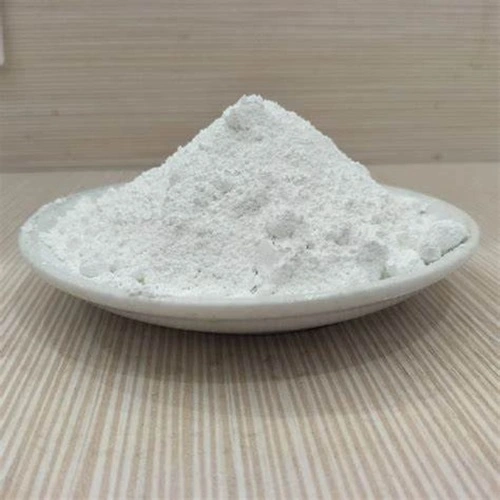
5. Grout:
Finally, grout is applied in the spaces between tiles.
Each layer has its own meaning; waterproofing protects the structure while grout ensures the completion of a tiled surface. Skipping one layer or using inappropriate material can damage the entire system.
Cement-Based Grout vs Epoxy Grout
The selection of grout types depends on the performance and environment.
Cement-Based Grout
Cement-based grout is popular because it is economical and available in various types and shades.
Cement grout is appropriate for many standard tile installations. However, the traditional cementitious grout tends to absorb water, which means it can require more maintenance in tough conditions.
Epoxy Grout
Epoxy grout contains resin and other compounds that provide better water resistance, stain resistance, chemical tolerance, and wear resistance.
It is usually preferred for challenging environments like:
- Commercial kitchens.
- Industries.
- Labs.
- Pools.
- High-traffic commercial areas.
- Wet areas that are cleaned regularly.
The choice of product must always be based on tile type, joint width, exposure, and application conditions.
Common Mistakes to Avoid
When professionals understand the difference between grouting and waterproofing, it can eliminate many mistakes.
Using Grout as the Sole Waterproofing Option
Choosing attractive grout does not guarantee the waterproofing below it. Areas with water exposure require the use of a proper waterproofing system.
Opting for Grout Based on its Rate
The low-budget grout may not be the most appropriate choice for different types of conditions. Issues such as moisture presence, movement, or hardiness to chemicals should also be taken into account.
Applying Waterproofing Material after Tiling
Waterproofing should be built and installed prior to the tiling job; attempting the application of waterproofing after the tiling is completed will prove to be challenging.
Not Paying Attention to Joints and Openings
Pipe penetrations and other transitions are weak points in the waterproofing scheme requiring appropriate detailing.
Insufficient Surface Preparation
Incorrectly prepared surfaces may cause huge failures in operations with waterproofing and tiles.
Why Quality Construction Chemicals Matter?
The performance of waterproofing and grouting is influenced not just by a concrete product but by formulation, preparation of the base, application, curing, and conditions of the place.
The proper selection and use of good construction chemicals help to produce more reliable systems.
It is necessary for manufacturers and builders to keep in mind the technical support offered by the supplier, its product consistency, as well as compatibility and consultation in the process of selecting a supplier of construction chemicals.
Why Choose Sakshi Chem Sciences?
Sakshi Chem Sciences Pvt. Ltd. is a leading manufacturer, supplier, and exporter of construction chemicals with 20 years of industry experience.
With 100+ construction chemical solutions, its portfolio covers concrete and cement admixtures, waterproofing solutions, grouts, mould release agents, and repair products.
Backed by advanced R&D, high-tech manufacturing, and strict quality control, Sakshi focuses on delivering reliable, efficient, and cost-effective solutions for diverse construction needs.
The company also serves markets across the Middle East, Africa, Europe, and Southeast Asia, supported by experienced technical professionals who help customers choose suitable solutions for their project requirements.
Conclusion
Understanding Grouting vs Waterproofing is important because the two systems perform different jobs.
Waterproofing protects the underlying structure from water penetration, while grout fills the joints between tiles and provides a finished, maintainable surface. In wet areas such as bathrooms, balconies, kitchens, basements, and water-retaining structures, they often need to work together as part of a complete construction system.
The right grout, waterproofing material, application method, and substrate preparation can all contribute to better long-term performance. Rather than treating waterproofing and grouting as interchangeable solutions, it is better to understand the role of each and select products according to the actual project conditions.
With its extensive construction chemical portfolio, quality-focused manufacturing, R&D capabilities, and technical expertise, Sakshi Chem Sciences provides solutions designed to support modern construction requirements.
Frequently Asked Questions
Can grout replace waterproofing?
No. Grout fills tile joints and can provide varying levels of moisture resistance, but it should not generally be treated as the primary waterproofing system for wet areas.
Is epoxy grout waterproof?
Epoxy grout generally has very low water absorption and provides better moisture resistance than conventional cementitious grout. However, it should not automatically be considered a replacement for structural waterproofing.
Do bathrooms need both waterproofing and grouting?
In most properly designed wet-area systems, both serve important and different purposes. Waterproofing protects the underlying structure, while grout fills and protects the tile joints.
Can waterproofing be done after tiling?
Some remedial waterproofing products may be applied to existing tiled areas, but this is different from installing a properly designed waterproofing system beneath the tiles. The appropriate solution depends on the source of the water and the existing construction.
Why does a bathroom leak even after grouting?
A leak can have several causes, including failed or missing waterproofing, cracks, plumbing problems, poorly treated joints, drainage issues, or water penetration through vulnerable areas. Grout alone cannot guarantee structural waterproofing.

Sagar Telrandhe is a Construction Engineer with a B.Tech in Construction Engineering & Management. Passionate about infrastructure development, project planning, and sustainable construction, he specializes in modern construction techniques, project execution, and quality management, contributing to efficient and innovative building.