

Perfectly finished walls are never just luck. They’re created by using the right materials, applying them in the right order, and putting in concentration to minimize mistakes at every stage of application.
All the walls that people use, whether they are located inside residential buildings, outside commercial buildings, or inside industrial buildings, and all of the finished walls that people depend upon to provide value, have above average finished wall quality because of the use of wall putty and paint as a system rather than as individual products.
Table of Contents
While there are many reasons that can lead to issues when finishing walls, such as cracks, paint peeling, discoloured patches or marks on the wall caused by moisture, running out of time during the preparation process, and using incorrect putty application techniques, these issues will usually be the cause of the issue.
Furthermore, ignoring the importance of essential additives such as RD Powder in today’s paint formulations can often add to the problem.
At Sakshi Chem Sciences, we have over 20 years of experience in providing the construction chemical industry with durable, effective, and long lasting walls and wall finishes by providing them with the right products to finish their walls.
This guide will provide you with the information you need to complete your wall finishing projects with proper knowledge of how to use wall putty and paint together as a system, as well as how to create a finished wall that is smooth, strong, and aesthetically pleasing when finished.
Wall Putty and Paint Work Together as a System
When you create a finished wall, you are not simply painting on the wall; you are creating a wall finish by layering each of the materials you are using in a manner that they must interact with one another to accomplish their purpose.
What Is Wall Putty?
For the purpose of obtaining an even, smooth, and defect-free surface on which to apply paint, wall putty prepares your surface by being a filler between the paint application and the substrate.
Some of the functions of wall putty:
- Fills in small cracks, pores, or any irregularities (defects) that would otherwise be visible on paint;
- Flattens out previously uneven plastered surfaces;
- Improves the adhesion between the wall putty and paint;
- Improves the quality of the final finish of paint already on the wall (the final coat);
- Reduces the amount of paint required.
The modern formulations of wall putty include well-balanced mixtures of the following four ingredients: cement or gypsum; fillers (silica, talc, calcium carbonate; cellulose ethers (to improve bonding); and RD powder (to improve flexibility).
What is Paint on Wall?
The end product on the wall is the paint; the paint serves both as decoration and as a protective barrier to the wall. It gives color and texture to the wall and protects against moisture, stain and other elements.
Some of the functions of wall paint:
-To enhance the appearance of the wall;
- To protect the wall from moisture, dust, etc.;
- To make it easier to clean;
- To make the paint resistant to UV rays and weather;
The performance of the paint will also depend on how well the surface was prepared before applying the paint. If the surface is not adequately prepared to have paint applied on it, no paint will look good after application.
Why does it matter that Wall Putty & Paint are applied properly?
Proper application of wall putty and paint will give you good results, whether by providing enhancement to your home through appearance or performance.
If done incorrectly:
- Paint may peel or flake within months
- Cracks may reappear on the surface
- Walls may show uneven shades or blotches
- Maintenance costs increase
If done correctly:
- Walls remain smooth and crack-free for years
- Paint adhesion improves significantly
- Color appears uniform and vibrant
- Repainting cycles are extended
For contractors, correct application reduces complaints and rework. For homeowners, it ensures long-term value and peace of mind.
Wall Putty vs Wall Paint: Key Differences
| Aspect | Wall Putty | Wall Paint |
| Purpose | Surface leveling and repair | Decoration and protection |
| Application stage | Before primer and paint | After putty and primer |
| Thickness | Thin to medium layers | Thin coating layers |
| Key benefit | Smooth, strong base | Color, finish, durability |
Understanding these differences is critical to using wall putty and paint correctly.
Standard Wall Finishing Process: Step-by-Step
To achieve perfect walls, the correct sequence must always be followed:
Surface preparation → Putty → Sanding → Primer → Paint
Skipping or rushing any step can compromise the entire system.
Step 1: Surface Inspection and Preparation
Before applying any material, inspect the wall carefully.
Checklist:
- Remove dust, oil, grease, algae, or loose particles
- Scrape off peeling or flaking old paint
- Repair structural cracks and dampness issues
- Ensure the surface is dry and stable
Moisture trapped beneath putty or paint is one of the biggest causes of coating failure.
Step 2: Mixing Wall Putty Correctly
The proper way to mix putty is essential for a successful application.
Best Practices:
Follow the manufacturer’s instructions for water-to-putty ratio, add powder slowly into clean water, mix until a smooth paste without lumps appears, let the paste rest briefly to help settle bubbles before you apply it.
Putty made with high quality cellulose ethers and RD Powder will give you better dispersion, a longer open time, and better adhesion to the surface.
Step 3 – Applying The Putty.
You should only use a stainless steel putty knife or trowel.
Application Tips:
- Apply a thin, even layer.
- Firmly press down on the putty knife to fill in the pores in the wall and small holes in the drywall.
- Do not apply the putty too thickly in a single coat. You should be able to see through it, so one or two coats are likely to be sufficient.
- Allow the putty to completely dry between coats. The thicker the coat(s), the more prone to shrinkage cracks.
Step 4 – Sanding The Putty Surface
Once the putty is completely dry:
- Lightly sand with fine-grit sandpaper.
- Remove trowel marks and any uneven areas.
- Check to see if you have a smooth surface using contrasting lighting.
- Remove all sanding dust before applying primer.
Having a smooth surface will help the paint to level properly and provide a consistent finish.
Step 5 – Applying Primer
Primer is often neglected, but it is a crucial step to a satisfactory end result.
Reasons to Use Primer:
- It seals the surface of the putty.
- It decreases the amount of paint that will be absorbed into the putty.
- It will improve the adhesion of the paint to the putty.
- It will promote a uniformity of the painted color from surface to surface.
Always be certain that the type of primer you use is compatible with both the putty and your chosen paint type.
Step 6: Painting the Wall
Paint should be applied in multiple thin coats.
Painting guidelines:
- Ensure primer is fully dry.
- Apply paint evenly using a roller or a brush.
- Maintain recommended recoat intervals.
- Avoid painting in extreme humidity or heat.
Correct painting technique completes the process of using wall putty and paint correctly.
Role of RD Powder in Wall Putty Performance
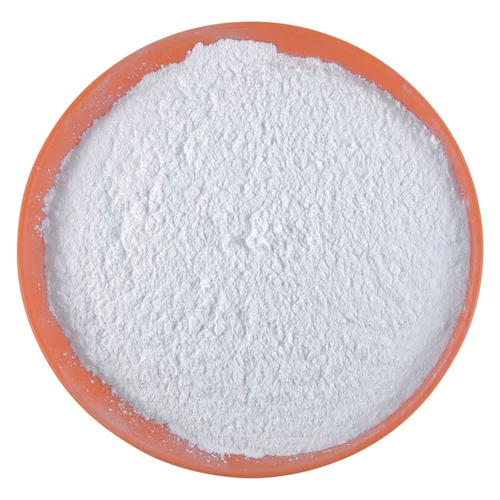
Redispersible Polymer Powder (RD Powder) is key to a new formulation of wall putty.
How RD Powder Works:
When RD Powder is mixed with water, it redistributes into fine polymer particles that create a flexible film of polymer within the putty matrix.
Benefits Of RD Powder In Wall Putty:
- Higher adhesion to cement plaster and concrete.
- Increased flexibility and crack resistance.
- Increased resistance to abrasion.
- Better water resistance.
- Less surface dusting.
- RD Powder greatly increases the longevity of both interior and exterior wall putty systems.

Can You Paint Without Wall Putty?
Yes, in limited circumstances, painting without putty can be done, but in most cases it is not a good idea.
When Can You Skip Putty?
A smooth wall surface or a stable.
A defect-free surface can use texture paint
Therefore, paint without putty.
When You Should Never Skip Putty
If you have cracks or pinholes, a surface that is uneven or porous, or an old painted surface that is either peeling or chalking, and if you do not use putty, your paint will fail quickly.
Applying Putty To Old Painted Walls:
Putty is able to be applied to old paint only after the following: loose paint has been removed, the surface has been sanded for better adhesion, and the area has been dried completely.
If the old coating is weak, the new system may fail along with it.
Choosing the Right Paint Over Putty
Different paints serve different needs.
Common choices:
- Water-based emulsion paint (interiors)
- Acrylic exterior paint.
- Texture or designer finishes.
Putty provides the smooth base, but paint determines the final look and protection.
Common Mistakes to Avoid
Avoid these frequent errors:
- Applying putty to damp walls.
- Using thick putty layers.
- Skipping primer.
- Rushing drying times.
- Mixing incompatible products.
Correct material selection and patience are essential.
How Sakshi Chem Sciences Supports Better Wall Systems?
Sakshi Chem Sciences has developed construction chemical solutions to improve wall putty performance and paint performance through:
- Quality cellulose ethers for water retention and workability.
- Advanced RD powder for flexibility and adhesion.
- Consistently meeting quality standards.
- Providing technical support to both the applicator and the manufacturer.
All of these factors combined allow for dependable wall finish over time, regardless of how much work needs to be done on each project.
Benefits of Using Wall Putty and Paint Correctly for the Long-Term:
- Lesser frequency of repainting.
- Better resistance against crack and flake development.
- More attractive appearance.
- Lower maintenance costs over time.
- Greater level of customer satisfaction.
Using wall putty or paint correctly is an investment and not an expense!
Conclusion
Basically Perfect Walls is so much more than just using the right quality paint or even taking shortcuts.
Achieving a perfect wall surface requires an understanding of the materials used, following proper procedures, and utilizing the right type of wall putty as well as paint as a system.
When used in conjunction with advanced additives such as RD Powder, wall putty will be stronger, more flexible, and more durable, providing the ultimate base for long-lasting paint durability.
With decades of experience, Sakshi Chem Sciences has supported the construction industry by providing innovative, dependable chemical solutions to help create smooth, durable, and aesthetically pleasing wall finishes on every project completed.
Frequently Asked Questions (FAQ):
1) Is it necessary to put wall putty down before painting?
Absolutely! Wall putty provides a solid foundation layer to allow for a smooth, level surface texture that supports excellent adhesion and reduces the likelihood of painting defects.
2) How long should I let the wall putty dry before painting?
Typically, you should allow the putty to dry for a period of 24-48 hours, however drying times can vary based on the thickness of the overall application, humidity, heat and/or cold.
3) What purpose does RD powder serve when using wall putty?
RD powder allows for enhanced bonding strength, flexibility, and durability.
4) Can I use wall putty on my exterior walls?
Yes, as long as the wall putty has been formulated to withstand the elements for exterior exposure.
5) Why did my paint peel even though I used the wall putty?
There are many reasons why your paint could peel off after using wall putty including but not limited to damp walls, improper surface preparation, or using incompatible materials to apply the painting.

Sagar Telrandhe is a Construction Engineer with a B.Tech in Construction Engineering & Management. Passionate about infrastructure development, project planning, and sustainable construction, he specializes in modern construction techniques, project execution, and quality management, contributing to efficient and innovative building.