

When protecting structures from water damage, you may hear two different terms — damp proofing vs. waterproofing.
While to the layman they may sound similar because they both prevent water from entering a building, if we look a little deeper at the materials that are used, the performance required, and the circumstances within which those materials are used, some significant differences become apparent.
Knowing these differences will allow you to have a greater understanding of your home’s or building’s safety, dryness, and durability.
Table of Contents
What’s the Major Difference?
Damp proofing is designed primarily to control vapor, or moisture, from flowing through structural walls or foundations. Waterproofing, however, is designed to control moisture and liquid water. In simplest terms, damp proofing deals with vapor or dampness, and waterproofing is water and water pressure.
The IRC (International Residential Code) states that any foundation walls that touch the ground and that enclose interior space below grade must be damp-proofed; waterproofing is only required in areas of extreme or higher groundwater, such as high water tables.
At the same time, the American Concrete Institute (ACI 515.1) differentiates between waterproofing and damp proofing. Waterproofing is the method of resisting water under pressure, and damp proofing is the method of blocking water in non-pressurized situations.
One more thing to consider about concrete
Concrete is the primary material that forms the basis of many of our modern structures, but it is not naturally waterproof. On the contrary, concrete is very porous. Concrete consists of cement paste and aggregates, resulting in a void structure, which means it has small holes.
Concrete can absorb moisture or water readily. Basically, concrete can soak up moisture like a sponge when exposed to moisture or water. The process or phenomenon that occurs, which allows moisture to migrate from outside to the inside, is called capillary action.
Reducing concrete’s porosity can improve its ability to resist moisture. A simple way to reduce porosity is to reduce the water-to-cement ratio of the concrete mix.
A concrete mix that has a lower void structure can perform better when it comes to resisting damage from physical or chemical interactions with water.
Damp Proofing: Basic Information
Cementitious material is placed on the exterior of the foundation or wall and is typically a thin application (< 10 mils). Damp proofing has typically used tar or unmodified asphalt as a coating for creating a moisture barrier.
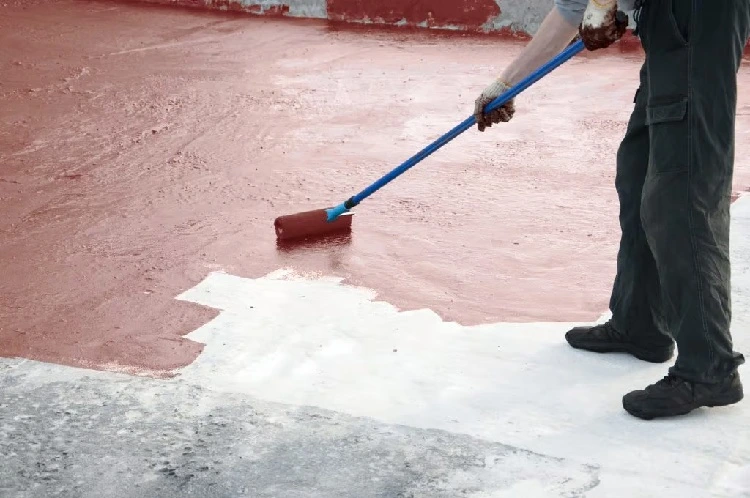
It helps minimize moisture absorption but does not prevent water from entering under pressure. The main function of damp proofing is to plug the capillaries in the concrete to slow the rate of moisture entry.
This might suffice in areas with good drainage, where there is no hydrostatic pressure. However, damp proofing has limitations.
Limitations of Damp Proofing
- Cannot seal large cracks/gaps.
- No positive restriction against water under pressure.
- Can be damaged by rough backfilling.
- Cannot bridge cracks that may develop over time.
Having said that, there are situations where, when used correctly and in the right situations, damp proofing can be a cost-effective and durable option.
Waterproofing: A More Robust Solution
Waterproofing is a more robust solution to dealing with water protection. Waterproofing is specifically designed to block moisture and water, including the latter when under hydrostatic pressure.
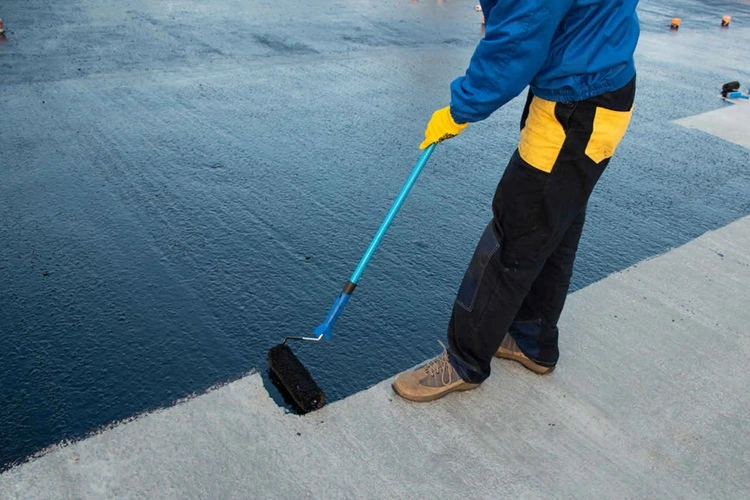
Waterproofing products are flexible and elastic. The application of waterproofing products is typically thicker than damp proofing, often more than 40 mils.
Waterproofing is essential in areas of:
- Significant rainfall.
- High water tables.
- Clay soils that retain water.
Water will exert pressure on the foundation, and waterproofing products protect against this force. Meanwhile, the flexible membranes used in waterproofing can also bridge any cracks that may occur over time, maintaining their protective function and integrity.
Key Requirements for Waterproofing
According to the ICC-ES, a non-profit organization that evaluates building materials, effective waterproofing must:
- Prevent water vapor from the soil.
- Prevent water from under hydrostatic pressure.
- Bridge and span cracks in concrete.
This list of criteria makes waterproofing a solid choice for below-grade structures like basements, subterranean tunnels, and parking garages.
The most popular waterproofing materials available
There are a large number of materials used for waterproofing concrete, and each has specific advantages associated with its material construction due to the specifications of the structure and surrounding conditions. Some of the most popular waterproofing chemicals and products used with concrete are:
Rubberized asphalt (hot & cold applied): These are elastic and flexible elastomeric materials.
Bentonite clay products: Swell when wet to fill voids.
Crystalline waterproofing: These react with concrete to form crystals that block pores.
Rubber/urethane-based coatings: Have great crack-bridging abilities.
Butyl rubber sheeting is flexible and resistant to tears.
Each option has unique benefits from one another and should be chosen, when available, but also based on the construction location, design conditions, and anticipated degree of exposure to water.
In deciding between Damp-proofing and Waterproofing
When deciding between which solution to use, consider these important variables:
Soil type: Clayey soils retain more water, typically resulting in greater hydrostatic pressure.
Water table: Higher water tables typically will need stronger waterproofing.
Drainage: Poor drainage equates to increased risk for water-related damage.
Sub-grade depth: The greater the depth of the structure, the greater the amount of potential pressure.
Moisture tolerance of the interior: Waterproofing may be required for dry indoor use.
Damp proofing may be most appropriate for buildings subjected to:
- Little water exposure
- shallow foundations
- well-drained soil
- low humidity conditions
- Waterproofing will be required for buildings such as:
- wet basements
- Buildings adjacent to large water bodies
- foundations being pressured by the surrounding water
Cost
Damp proofing is typically less expensive on the front end; however, it may lead to complications down the road if used incorrectly. Waterproofing may cost more initially, yet saves a considerable cost over that of damage, repair, and the cost of removal.
As stated before, the cost of doing it right the first time, as compared to the cost of fixing it later, is often much less, as well as the time factor.
Deciding on the proper water protection system for your structure the first time is half the battle to ensure the system will remain sound and last a long time.
Best Practices
Whether you choose damp proofing or waterproofing, to be successful the overall success will depend upon installation and preparation.
A couple of best practices include:
Surface Preparation: The concrete surface should be clean, dry, and free of dust or oil.
Follow Manufacturer Guidelines: Adhere to the recommended thickness, curing time, and temperature thresholds.
Environmental Conditions: Avoid the application of any below-grade products in rainy or very humid conditions (use only products rated for those conditions).
Protecting Membranes: Take care during backfilling to avoid damaging the applied layer.
Install Drainage: For any kind of coating, be sure to follow up with drainage boards, gravel, and piping to direct water away from the foundation.


Conclusion
In the discussion of Damp Proofing Vs. Waterproofing, the correct answer lies in what is best for your building site. Both Damp proofing and waterproofing provide moisture protection, but their coverage, strength, and costs can vary immensely.
Damp Proofing can be acceptable for low-risk scenarios. Still, when Water pressure is a possibility, Waterproofing is the correct option if you want strength and peace of mind to keep your interior safe and dry.
Considering your site conditions, expected exposure, and the longevity of your structure, you will be able to make the correct decision, protecting your investment for years to come.

Sagar Telrandhe is a Construction Engineer with a B.Tech in Construction Engineering & Management. Passionate about infrastructure development, project planning, and sustainable construction, he specializes in modern construction techniques, project execution, and quality management, contributing to efficient and innovative building.