
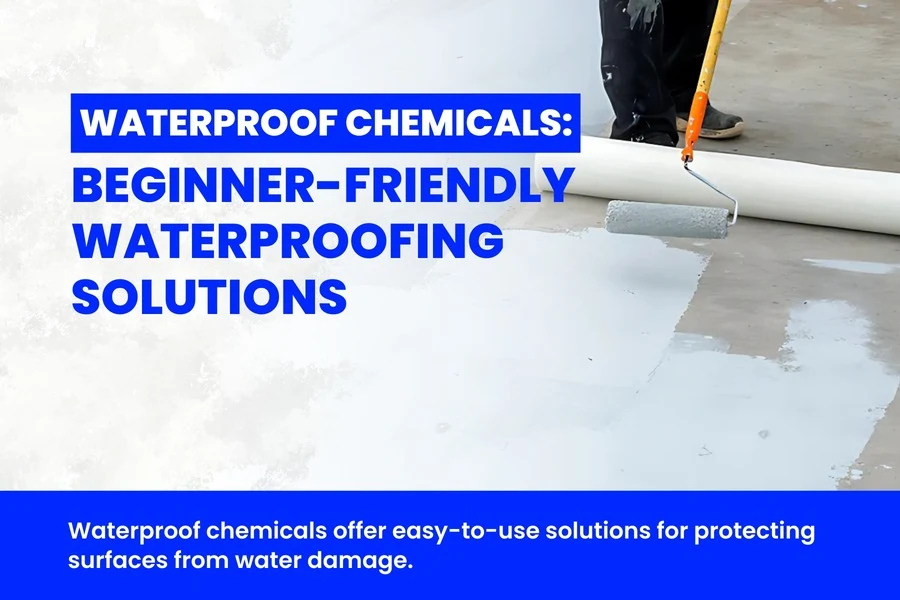
Have you ever experienced water leaking through ceiling panels or seeping through your bathroom walls? Have you noticed a damp basement or moldy spots that just won’t go away? If so, you know how frustrating water damage can be.
This is where waterproof chemicals come in—and, no, you do not have to be a licensed contractor to understand how they work or how to apply them!
Table of Contents
This article will help you understand waterproof chemicals in step-by-step detail, with an approach for someone new in the field.
If you are experiencing a leaking roof, wet wall, or wish to safe guard your home from future water problems, this article will give you all the details necessary, so you can make appropriate choices and decisions that will be easy.
What Are Waterproof Chemicals?
Let’s start at the beginning. Waterproof chemicals are intended to be put on surfaces, like concrete, brick, wood, and metal, that are designed to limit water from penetrating the surface.
It creates a protective surface, with either a surface repellent for water, or seals the tiny pores that could allow water in.
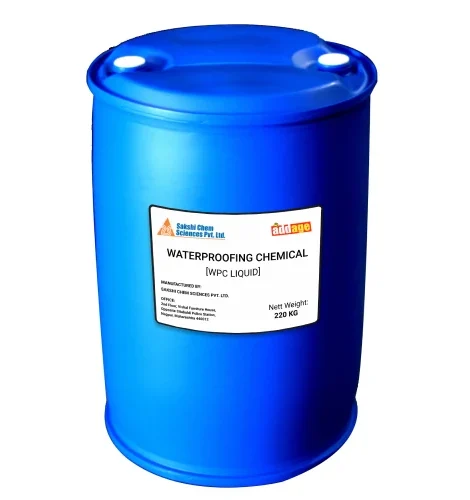
Waterproofing products are useful in construction, renovation, and even DIY projects at home. They come in the following forms:
- Creams
- Liquids
- Sprays
- Powders (that mix with water or cement)
In essence, waterproofing products keep buildings, structures and surfaces safe from water damage that could range from paint peeling to structural failure.
Why Should Waterproofing be a Top Priority?
Although water is necessary for sustaining all life forms, there are places water shouldn’t be—like inside the walls or flooring of a structure. Waterproofing doesn’t just help to prevent leaking, it also protects the structural, appearance and even health of a built structure.
Here’s why waterproofing is important:
- Prevents mold and mildew growth
- Prevents weathering and damage from structural failure including fractures, cracks and corrosion of surfaces
- Protects the interior (floors, walls and furniture)
- Increases the longevity of buildings and surfaces
- Reduces long-term maintenance costs
And waterproofing most don’t see or have to worry about as complicated or expensive – not with the right waterproof chemicals!
Types of Waterproof Chemicals for Beginners
If you’re new to waterproofing, you’ll find that the wide array of products can be daunting. So don’t worry, here’s a beginner’s guide to the most common types of waterproof chemicals and the purposes they serve.
1. Liquid Waterproofing Membranes
Best suited for: Bathrooms, balconies, terraces, rooftops
Liquid waterproofing membranes are put on like paint with a roller, brush, or spray. Once dry, it becomes an easy-going, rubbery film that sheds water. It is often flexible, meaning it can move mildly with the surface without cracking.
Pros:
- Easy to apply
- Ideal for uneven surfaces
- Seamless protection
2. Crystalline Waterproofing Compounds
Best suited for: Basements, water tanks, concrete walls
Crystalline waterproofing chemicals react with moisture in concrete to produce crystals that block pathways of water. It is typically mixed with cement or applied as a coating.
Pros:
- Longevity
- Penetrates deep through concrete
- Ideal for internal waterproofing

3. Bituminous Coatings
Best suited for: Roofs, foundations, waterproofing under tiles
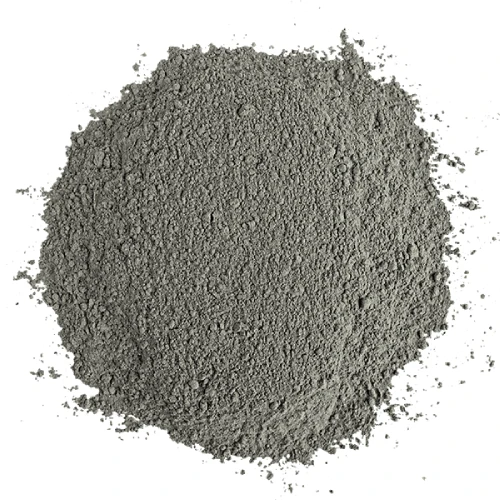
Also known as asphalt coatings, these sticky black materials provide a thick, protective layer. Some are modified with polymers, which improve flexibility.
Pros:
- Affordable
- Tough and durable
- Weather-resistant
4. Polyurethane-Based Waterproofing
Best for: Rooftops, decks, balconies, terraces
This waterproof chemical has an elastic membrane that is resistant to weather and UV rays. It works especially well for areas that will expand and contract in heat.
Advantages:
- Great flexibility
- UV resistant
- Works in exposed locations
5. Silicone and acrylic sealants
Best for: joints, windows, doors, tiles
These are used for small, specific areas that need to be sealed. They can be used to fill gaps or cracks in walls, bathroom fixtures, and in the frames of windows.
Advantages:
- Simple application
- Works in tight spots
- Prevents leaks and drafts
Beginner Level Waterproofing Projects
Now that you know what’s available let’s look at a few simple DIY projects where you can use waterproof chemicals and don’t need to have a license.
1. Waterproofing the Bathroom Walls and Floors
Bathrooms are notorious for moisture so it’s a good start.
How to:
- Clean and dry the surfaces.
- Apply a liquid waterproofing membrane to the walls and floors.
- Let it cure completely before tiling or painting.
2. Waterproofing a Balcony or Terrace
Balconies get the most sun and rain exposure, so they can crack and leak.
How to do:
- Seal visible cracks with a silicone sealant.
- Put down a waterproof primer.
- Coat the surface membrane with a polyurethane membrane or a bituminous coating.
3. Sealing Basement Walls
Damp basements are common, particularly in older homes. Crystalline waterproofing chemicals are perfect here.
How to do:
- Thoroughly clean the wall.
- Apply the crystalline waterproof chemical with a brush.
- Allow to soak and react with the concrete.
4. Leak-Proofing Roofs
A leak from the roof can cause significant damage – especially if they support the weight of snow, ice and rain. You can quickly apply a liquid membrane or bituminous coating to fix it.
How to do:
- Remove debris and clean the surface.
- Apply waterproof chemical in a generous, even coating.
- Allow sufficient drying time (before moving furniture back in).
Common Mistakes to Avoid
Don’t think that even beginner-level projects can’t go wrong, you just need to be careful. Some things to look for are:
- Applying to a dirty or wet surface
- Failing to prepare the surface
- Using the wrong product in the area
- Insufficient drying time
- Overapplying or underapplying the product
The key is to be patient and to follow the steps, be slow to rush, and you will be good to go.
Environmentally Friendly and Safe Waterproofing Chemicals
The industry is moving towards more environmentally friendly waterproofing products that have low VOCs (Volatile Organic Compounds), are non-toxic, and safe to use indoors.
If you have children, pets, or just care about the environment, it is worth seeking out these products. They will look just as good and are good for the environment.

Conclusion
Waterproofing shouldn’t be complicated or confusing. With the appropriate waterproof chemicals and a bit of advice, see that even a novice can fix leaking and damp.
From sealing your bathroom tiles to weatherproofing your roof from rain, there is a solution to almost any problem, and most do not require special tools or years of experience— just some knowledge, the right product, and a bit of time.
Waterproofing may not take long, a few hours, for example, to seal your tiles—what makes it so tricky are the choices of products to use.
So, the next time you have a small wet patch or tiny leak, address it do not ignore it. Get a waterproof chemical that suits your needs, follow the quick steps provided to take back control – one surface at a time, because when water stays where it should be NOT in your living space, your home becomes stronger, cleaner and is ultimately safer.

Sagar Telrandhe is a Construction Engineer with a B.Tech in Construction Engineering & Management. Passionate about infrastructure development, project planning, and sustainable construction, he specializes in modern construction techniques, project execution, and quality management, contributing to efficient and innovative building.