
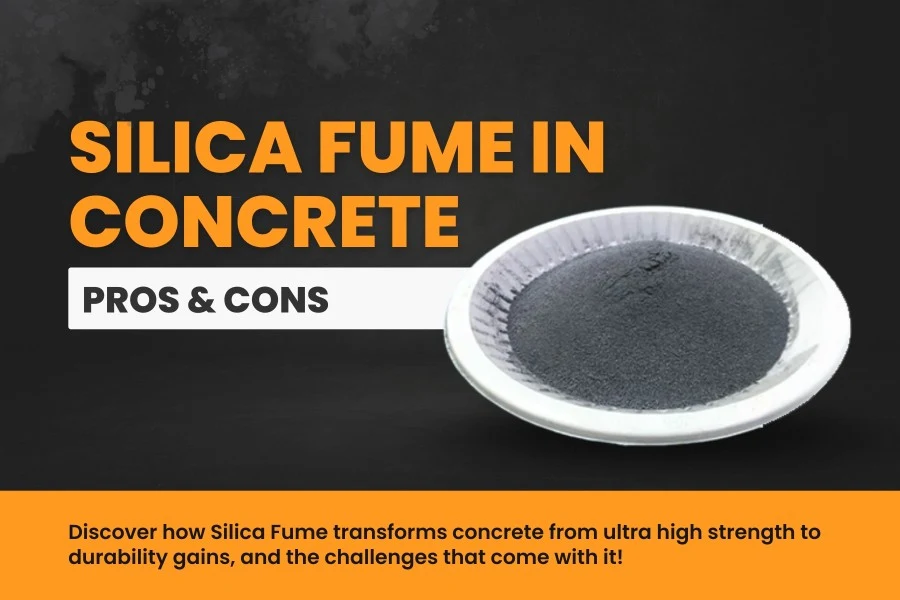
Concrete is still one of the world’s most utilized construction materials and is prized for its strength, versatility, and durability. Unfortunately, the production of cement, one of the major components of concrete, is an environmental burden because of its CO2 emissions.
Cement production accounts for nearly 8% of the total CO2 emissions released into the atmosphere in the world, so finding sustainable solutions is crucial moving forward.
Table of Contents
Researchers have been interested in exploring alternative materials that could be used to supplement cement or partially replace cement in concrete production to help lessen the burden on the environment, while still maintaining the overall strength and performance characteristics of the concrete.
Silica fume has emerged as an alternative material along with other materials like fly ash, ground granulated blast furnace slag (GGBS), rice husk ash, and metakaolin, among others.
Essentially, these alternative materials often possess properties that improve the overall performance of concrete.
Silica fume (or microsilica), which is a fine powder, is a byproduct of the production of silicon metal or ferrosilicon alloy and contains highly reactive silica.
Silica fume can be used in concrete enhancements to increase mechanical properties, reduce permeability, and improve chemical attack resistance.
The pozzolanic properties of silica fume allow it to chemically react with calcium hydroxide in the presence of water to produce even more cementitious compounds, which can increase concrete strength.
We will discuss the specific attributes of silica fume and the advantages of it that including compressive strength, durability, and the potential for shrinkage. We will also touch on disadvantages like cost and possible workability issues.
Finally, we will explore the many uses and applications of silica fume in contemporary construction, including high-performance concrete, precast concrete products, and infrastructure projects, providing an all-encompassing overview of this unique material.
What Is Silica Fume?
Silica fume, also known as microsilica, condensed silica fume, or volatilized silica, is a by-product of the manufacturing process for silicon and ferrosilicon products in electric arc furnaces.
Silica fume is formed when silicon vapour escapes into the atmosphere during the manufacturing phase and condenses into very fine, dust-like particles.
The particles are collected in bags, then purified of any materials that may exist in the product. Silica fume has an incredibly fine particle measurement of less than 1 micron, and at this measurement is about 100 times smaller than a typical cement particle.
The actual specific surface area of silica fume is approximately 20,000 m²/kg ,which is many times greater than the surface area of cement particles (225-300 m²/kg). Based on this property, silica fume has great potential for improving concrete performance when utilized as a supplementary cementitious material (SCM).
Silica fume is mostly made up of silicon dioxide (SiO2), which is > 90% of its constituents. Silica fume is classified as an amorphous or non-crystalline substance, which means silica fume has no physical structure, while crystalline substances such as quartz have a defined structure. Because of the nature of silica fume, it is highly reactive when added to cementitious mixtures.
How Does Silica Fume Function in Concrete?
When added to concrete, the silica fume remains inert for some time, but during the hydration process (when water and cement begin to react, there are two main types of harmful chemical reactions:
• Calcium Silicate Hydrate (CSH) Ge, which accounts for the strength of the concrete.
• Calcium Hydroxide (CH) is the waste product, also known as free lime, that fills the voids in the matrix of concrete.
Silica fume reacts with the free lime in the concrete to produce additional calcium silicate hydrate gel. This gel then fills the pores and voids of the concrete, which allows for a denser, more compacted matrix.
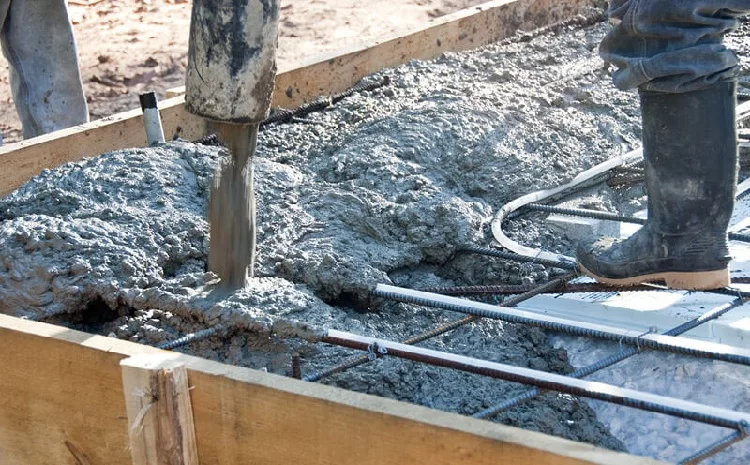
Therefore, concrete with silica fume will have increased compressive strength, flexural strength, and bond strength. Additionally, the permeability of the concrete is decreased, which enhances its resistance to water and chloride intrusion.
Essentially, silica fume is a pozzolanic material, meaning it is able to react with lime to form excessive cementitious material, which affects the overall characteristics of concrete.
Concrete that contains silica fume is more durable and high-performance, both of which are important whenever high strength and long-lasting durability are demanded.
Uses of Silica Fume in Concrete
Silica fume is useful in many different concrete uses, particularly when high strength and performance is desired. Some of the major applications include:
High-Strength Concrete: Silica fume is frequently utilized in the production of high-strength concrete, and is particularly important in applications where the structure must be able to sustain very heavy loads, which can include high-rise buildings, bridges, and other infrastructure.
Marine Structures: Concrete with silica fume has higher resistance to the corrosive effects of seawater, which makes it
Parking Structures and Bridge Decks: Silica fume helps concrete resist chloride penetration, which is also very important with parking garages, bridges, and bridge decks exposed to deicing salts.
Shotcrete: Silica fume is commonly used in shotcrete applications for rock stabilization, mine tunnel linings, and to rehabilitate deteriorating concrete, such as bridge columns and marine piles.
Industrial Floors and Overlays: Silica fume is used in the concrete for industrial flooring and overlays that will undergo heavy wear and tear due to its superior abrasion resistance.
Benefits of Using Silica Fume in Concrete
The use of silica fume in concrete provides many advantages to concrete, making it an appealing option for a variety of high-performance applications. Some of the major benefits are:
Greater Strength: Concrete containing silica fume has significantly greater compressive, flexural, and tensile strengths, making it suitable for high-load bearing structures.
Improved Durability: Silica fume contributes to the long-term durability of concrete by decreasing permeability and improving the concrete’s resistance to water, chlorides, and other aggressive materials; thus, limiting corrosion of the embedded steel and ultimately allowing the structure to last longer without the need for repair or replacement.
Resistance to Chemical Attack: Silica fume concrete shows superior resistance to chemical attack of acids, sulfates, and nitrates, which is great in aggressive environments like wastewater treatment plants or chemical processing plants.
Decreased Bleeding and Segregation: The silica fume will decrease bleeding in the concrete, meaning less water rises to the surface during the setting process; thus providing a smooth, uniform finish. Silica fume will also reduce segregation, meaning it can help keep the consistency of the mix.
Improved Workability and Finish: Silica fume will require slightly more water because of the fine particle size, but it offers to make a more cohesive mix, which leads to better workability of the concrete, making it easier to handle, place, and finish.
Environmental Benefits: Silica fume is a byproduct of industry and is considered an environmentally friendly alternative to cement. By replacing a portion of the cement used in concrete with silica fume, the carbon footprint of concrete will be reduced.
Disadvantages of Silica fume usage in concrete
Even though silica fume is advantageous, there are a few challenges or limitations to the use of silica fume, including:
Increased Water Demand: Because of its very fine particle size, the surface area of silica fume requires more water to achievethe desired workability.
This may reduce the overall amount of water present in the mix, so you will likely require water-reducing admixtures to achieve the desired water-to-cement (w/c) ratio.
Workability Difficulties: Silica fume concrete is often less workable than regular concrete, which makes for mixing, transporting, and placing silica fume concrete much more difficult.
The mix will likely develop sticky consistencies, making it difficult to attain a smooth finish without the use of plasticizers or superplasticizers.
A greater susceptibility to shrinkage and cracking: Silica fume concrete has a greater tendency to shrink, especially at higher temperatures. In many cases, this could lead to early-age cracking, which may have impacts on the strength and durability of the overall concrete.
Cost: Silica fume concrete can be more expensive than conventional cement, eliminating it for many projects or rendering it unattractive for especially cost-sensitive projects.
The increased costs of silica fume concrete would pertain to the cost of the silica fume itself, which must be considered alongside the need to purchase plasticizers in order to successfully maintain the workability and performance of the silica fume concrete.
Because silica fume will be a consideration in multi-component mixtures, it is important to understand its chemical and physical properties in order to understand how silica fume actually works in the concrete:
- Chemical Composition:
- Silicon Dioxide (SiO2): 85–97%
- Calcium Oxide (CaO): <1%
- Silicon Dioxide (SiO2): 85–97%
- Physical Properties:
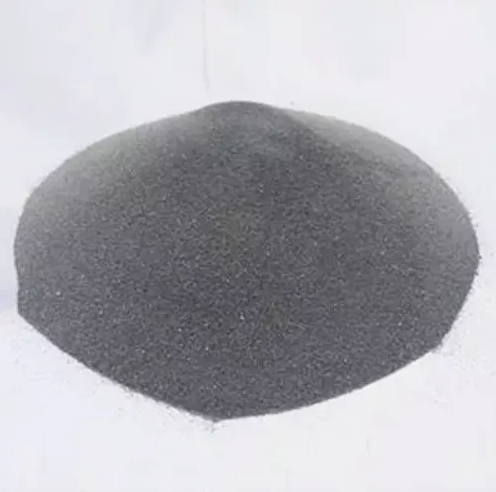
- Color: Light to dark gray
Specific Surface Area: 20,000 m²/kg
Specific Gravity: 2.20
- Bulk Density: 200 to 300 kg/m³
- Color: Light to dark gray
Silica fume is available in two forms (a fine powder and compressible form), with the compressible form of silica fume having an approximate bulk density of 500 to 700 kg/m³ which is easy to store and handle; in some cases it is mixed with water to create a slurry which can agitate to maintain a specified uniformity of silica fume in the slurry.

Conclusion
As a supplementary cementitious material, silica fume is very effective for improving both the mechanical properties and durability of concrete.
It improves the compressive strength (37.5 MPa or greater), reduces permeability, and is resilient in every category of chemical attacks; thus, it has tremendous value in high-performance cases of construction (high-rise buildings, bridges, marine structures, and shotcreting).
Despite the benefits of silica fume in concrete, challenges in using silica fume must be considered. Silica fume increases the water demand, reduces workability, and can increase costs; these will need to be managed through proper handling, the addition of plasticizers, and proper concrete mix design.
Silica fume is an important addition to modern concrete construction, and when used properly, it will help to produce stronger, longer-lasting, and environment-friendly concrete structures for a more sustainable concrete construction industry.

Sandip Agrawal, Polymer Engineer and MD of Sakshi Chem Sciences Pvt. Ltd., leads innovation in construction chemicals, shuttering oils, and industrial lubricants. With expertise in polymer science and eco-friendly solutions, he drives R&D and sustainable advancements, ensuring high-performance products for India and global markets.