
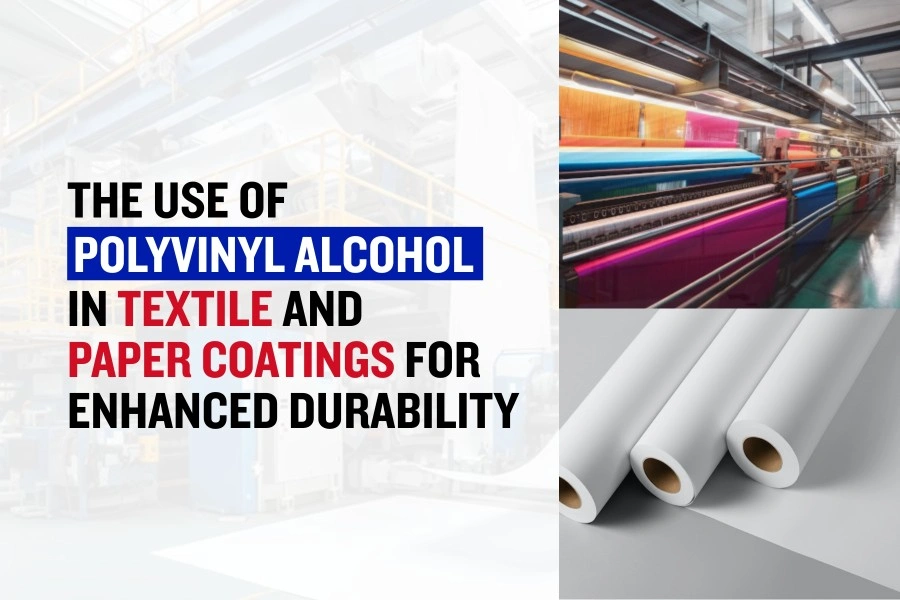
As the world continues to experience rapid changes in the Industrial Marketplace, Manufacturers are continually searching for Materials that offer increasing levels of Performance, Greater Levels of Durability, and greater levels of Sustainable practices.
Table of Contents
Among the many types of Polymeric materials available to manufacturers throughout the Industrial marketplace today, Polyvinyl Alcohol (PVA) continues to be a material that is becoming increasingly well-known because of its unique capabilities for providing the combination of strength, flexural capability, and Compatibility with Nature.
Using PVA in the manufacturing of Textiles and Paper has provided companies with an opportunity to increase their Product’s Performance, while still maintaining safety and sustainability.
Sakshi Chem Sciences is a trusted manufacturer of Specialty Chemicals, including PVA Products, and we offer a comprehensive selection of PVA Products tailored to meet the strictly-defined requirements of various Industries.
In this Blog, we will look at the growing importance of Polyvinyl Alcohol for Coating Products for Textiles and Paper, and the benefits of Polyvinyl Alcohol to increase Durability.
What Exactly is Polyvinyl Alcohol?
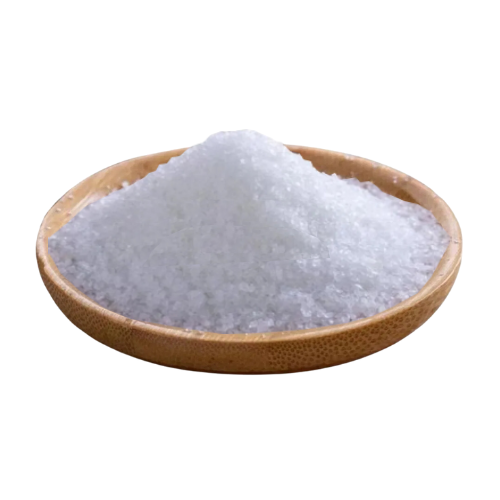
Polyvinyl Alcohol is a type of Synthetic Polymer that is produced through the Hydrolysis of Polyvinyl Acetate. Through the removal of Acetate groups from the Polymer chains, the resulting Polymer will possess many of the same properties as the original Acetate-based polymers, including increased Strength and Flexibility, as well as greater Compatibility with Water.
Some of the outstanding characteristics of Polyvinyl Alcohol include:
- Outstanding Film-forming Properties
- Excellent Tensile Strength Properties
- Exceptional Flexibility Properties
- Outstanding Adhesive Properties
- Biodegradable Properties
- Low Toxicity and Environmental Friendliness
Since Polyvinyl Alcohol exhibits such a combination of exceptionally High-performance characteristics and Low-impact properties, companies in search of High-performance, environmentally responsible alternatives to Traditional products should look to Polyvinyl Alcohol to serve their Business Needs.
From coatings and adhesives to textiles and packaging, PVA plays a vital role in shaping modern industrial formulations.
Role of Polyvinyl Alcohol in Textile Coatings
Textile manufacturers continually look for ways to enhance fabric performance—whether for fashion, industrial use, or protective applications. The use of Polyvinyl Alcohol in textile coatings has become an industry standard because it strengthens the fabric without compromising feel or flexibility.
Here’s how PVA benefits textile coatings:
1. Superior Durability and Wear Resistance
When applied to fabric, PVA forms a thin yet robust protective film around the fibers. This film strengthens the textile and makes it more resistant to:
- Abrasion
- Mechanical wear
- Frequent washing
- Environmental exposure
The coating does not alter the natural flexibility of the fabric, making it ideal for garments, industrial uniforms, and performance textiles.
2. Enhanced Water Resistance
Although PVA is water-soluble in its raw form, once applied and dried, it creates a surface that slows down water penetration. This hydrophilic–hydrophobic balance improves moisture management, which is extremely valuable for:
- Outdoor clothing
- Sportswear
- Rainwear
- Protective gear
Fabrics coated with PVA maintain their performance even in humid and rainy conditions.
3. Improved Surface Smoothness and Appearance
The third major benefit of using Polyvinyl Alcohol in textile finishes is that it improves the surface smoothness and the overall appearance of the fabric. Some examples of the increase of surface smoothness due to the use of PVA in textile finishing include:
- A smoother fabric surface.
- Soft sheen or controlled gloss, depending on formulation.
- Enhanced color brightness.
Premium apparel manufacturers use PVA coatings to elevate the aesthetic value of fashion fabrics.
4. Boosted Tensile Strength and Flexibility
PVA significantly enhances fabric strength without making the textile stiff. This balance is particularly important in:
- Upholstery textiles
- Automotive fabrics
- Technical fabrics used in industrial applications
The fibers remain flexible but are better reinforced, ensuring a longer life cycle of the material.
5. An Environmentally Friendly Coating Choice
With the global textile industry shifting toward greener production practices, PVA stands out because it is:
- Biodegradable
- Non-toxic
- Free from harmful solvents
- Safe for end-users
As environmental standards grow stricter globally, PVA is becoming one of the most preferred coating materials.
Use of Polyvinyl Alcohol in Paper Coatings
The Recycling Process has been a major change in how the Media and Package Supply Chain works because of the demand for more Eco-Friendly and more Efficient Products.
A Polyvinyl Alcohol (PVA) film or Adhesive will make an excellent Paper Coating Film in situations where Durability (or the ability of a coated substrate to withstand the rigors of printing) and Print Quality (or the clarity, precision, and richness of the printing colours) are critical.
1. Better Printability and Surface Finish
Polyvinyl Alcohol (PVA) enhances printability and surface finish, creating a much smoother surface on the paper, which allows the printer to create the following:
- Sharper printing
- Better ink absorption
- Richer color reproduction
Magazines, brochures, premium packaging, and specialty printing papers often rely on PVA-based coatings to achieve superior visual quality.

2. Improved Strength and Folding Endurance
Paper coated with Polyvinyl Alcohol demonstrates higher strength, including resistance to:
- Tearing
- Folding
- Creasing under pressure
This strength is crucial in:
- Packaging
- Cartons
- Laminated papers
The improved mechanical performance ensures that paper products last longer during shipping, handling, and storage.
3. Enhanced Water and Oil Resistance
A major advantage of PVA in paper coatings is the barrier protection it provides. PVA effectively reduces penetration of:
- Water
- Oil
- Grease
- Solvents
This makes it an excellent choice for:
- Food packaging.
- Disposable cups.
- Takeaway containers.
- Labels exposed to moisture.
Packaging manufacturers use PVA to maintain hygiene standards while enhancing product durability.
4. A Sustainable Coating Alternative
Traditional paper coatings often rely on synthetic chemicals that are not environmentally friendly. In contrast, PVA is:
- Biodegradable.
- Safe for direct food contact (based on formulation).
- Compliant with environmental safety norms.
As industries move away from petroleum-based coatings, PVA offers an eco-conscious and efficient substitute.
Wider Industrial Applications of Polyvinyl Alcohol
Beyond paper and textiles, PVA is widely used in multiple industries due to its versatile performance:
Adhesives & Binders
Used for wood, paper, construction, and packaging adhesives.
Packaging Films
In biodegradable packaging, water-soluble films, and agricultural films.
Cosmetics & Pharmaceuticals
Used as a stabilizer, binder, suspension agent, and film-former.
Water Treatment
Used in flocculation and purification systems.
Its combination of eco-friendliness and excellent technical performance gives PVA a strong edge in numerous industrial processes.
Conclusion
PVA’s use within the textile and paper industries has demonstrated how effective this product can be in providing improved durability, enhanced performance, and reduced impact on the environment.
Whether as an addition to enhance the durability of fabrics, improve print quality, or provide an added level of water protection, PVA provides consistent performance across all industry sectors.
With the continued global movement towards more environmentally friendly and energy-efficient products, PVA remains a very impressive and innovative polymer.
At Sakshi Chem Sciences, we are committed to producing and supplying the highest quality of Polyvinyl Alcohol products. In doing this, we provide industrial manufacturers with a means to continue their innovation without sacrificing either the quality of their final products or their commitment to environmental sustainability.
Frequently Asked Questions (FAQs)
1. What is Polyvinyl Alcohol, and how is it made?
Polyvinyl Alcohol is a synthetic polymer made by hydrolyzing polyvinyl acetate. During hydrolysis, acetate groups are removed, resulting in a strong, biodegradable polymer ideal for coatings, adhesives, textiles, and films.
2. Why is Polyvinyl Alcohol used in textile coatings?
PVA improves textile strength, water resistance, flexibility, and surface appearance. It forms a protective film that enhances durability without affecting the natural feel of the fabric.
3. How does Polyvinyl Alcohol enhance paper coatings?
PVA improves printability, gloss, water resistance, and mechanical strength in paper products. It is widely used in packaging, premium printing, and food-grade applications.
4. Is Polyvinyl Alcohol environmentally friendly?
Yes. PVA is biodegradable, non-toxic, and safe for many eco-friendly applications. It is increasingly replacing harmful coating materials in the packaging and textile industries.
5. Can Polyvinyl Alcohol provide moisture or oil resistance?
Absolutely. PVA creates an effective barrier that reduces the penetration of water, oils, and grease, making it ideal for food packaging and moisture-prone applications.

Sagar Telrandhe is a Construction Engineer with a B.Tech in Construction Engineering & Management. Passionate about infrastructure development, project planning, and sustainable construction, he specializes in modern construction techniques, project execution, and quality management, contributing to efficient and innovative building.