
Introduction
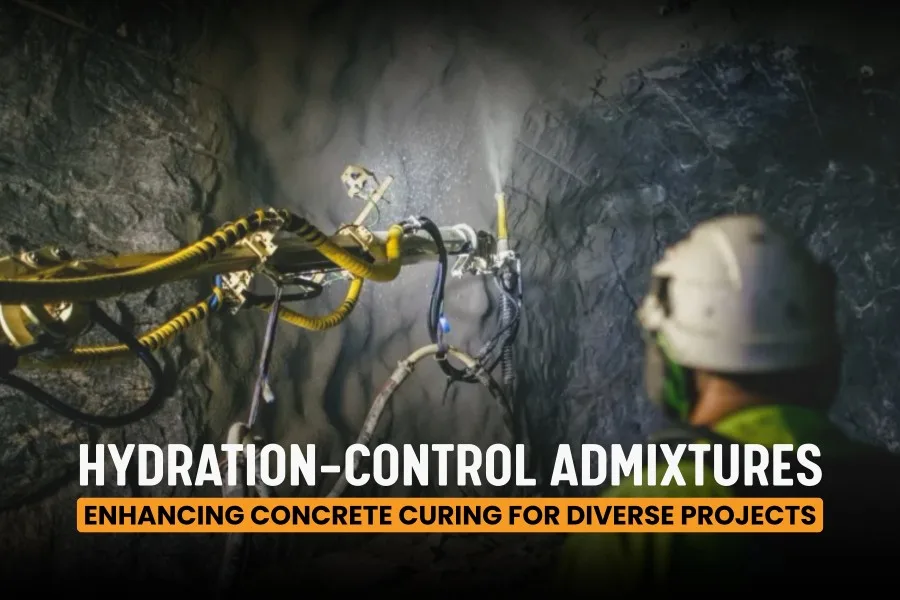
In the construction world, concrete isn’t just a combination of cement and water — it’s a chemical process that can be manipulated. That’s where hydration-control admixtures come into play.
Hydration-control admixtures are specialty additives that allow you to regulate the hydration process of cement, giving you the ability to slow down or precisely manage (and modify!) the setting time of the concrete.
No matter if you’re working on monumental columns, complicated architectural slabs, or even critical pieces of infrastructure, hydration-control admixtures will yield the best quality, efficiency, and longevity of time.
Table of Contents
What Are Hydration-Control Admixtures?
Hydration-control admixtures are chemical additives that are able to strategically slow down (or control) the hydration of cement in concrete. By controlling when the cement cures, they offer immense advantages, such as:
- Longer work time on site.
- Greater chance for proper placement and finishing.
- Prevention of cold joints in large pours.
- More uniform strength gain.
- Greater final strength in adverse conditions.
So, whether it is warm summer days on the job site or you’re just doing a long day on a site, using a hydration-control admixture is the best way to maintain control over your concrete until it is finally ready.
Why Use Hydration-Control Admixtures?
These products are not just slick additives, but instead, they are valuable tools that can mean the difference between fast and hurried work, or being able to work confidently and methodologically. Consider
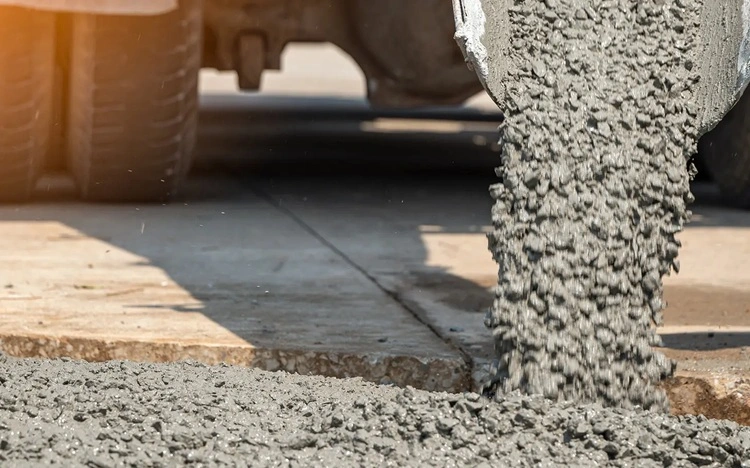
Hot Weather: In high temperatures, concrete sets too fast, before it’s fully placed or smoothed. Hydration-control admixtures help slow things down.
Long Transportation: When long distances are involved, ready-mix trucks get valuable workability. Hydration-control admixtures will allow the concrete to remain in a usable state until it’s poured.
Complex Structures: For slabs requiring exact finishing, decorative treatments, or complicated pours, the additional time is invaluable.
Massive Concrete Elements: Placing large quantities of concrete can induce thermal stress and potentially cause cracking. This risk is lessened with controlled hydration.
Very much the same with precast elements, you must be aware of surfaces that are to be exposed, and controlled timing allows for that selected texture and finish.
In all cases here, there are definite advantages from hydration-control agents that provide you with the time and precision to achieve something better.
The Real Advantages
Let us break down what you get for the real world:
More Workability
You get more time for mixing, pumping, placing and finishing, which are the critical parameters when timelines cross.
Better Finishing
The longer the concrete remains plastic, the better surface treatment you can apply before it sets.
Less Chance of Premature Setting
No more rushed job, no more cold joints – this is particularly important when doing large pours or on hot days.
Less Cracking
Reducing internal stresses through controlling hydration reduces the chance of cracking.
Weather Flexibility
Whether it’s hot or cold, you will be able to ensure a more consistent curing environment with the admixture.
Better Pumping
More workability means smoother pumping through hoses, even under extreme pressure, yields movement.
More Flexibility on Scheduling
More time means more flexibility to plan resources and change plans.
Controlled Shrinkage
A slower rate of hydration achieves a dampened rate of drying, which leads to a reduction in the number of microcracks on the surface.
Types of Hydration-Control Admixtures
There are many types of hydration-control admixtures, each designed for particular purposes:
1. Retarders
Main Purpose: Delay the start of the setting.
Ideal For: Hot climates, long hauls, large pours.
Common Types: Sugars, lignosulfonates, hydroxycarboxylic acids.
What the layman should know: They delay the set of the concrete in a soft state allowing it stay workable longer.
2. Hydration-Control Accelerators
How it works: Delay the set of the concrete with a hydration-control accelerators for some time and then accelerate the curing when desired.
Best For: Timing a project to allow some time flexibility at the beginning (soft) and more rapid finish.
What you get: Workability converts to strength gain when you want it.
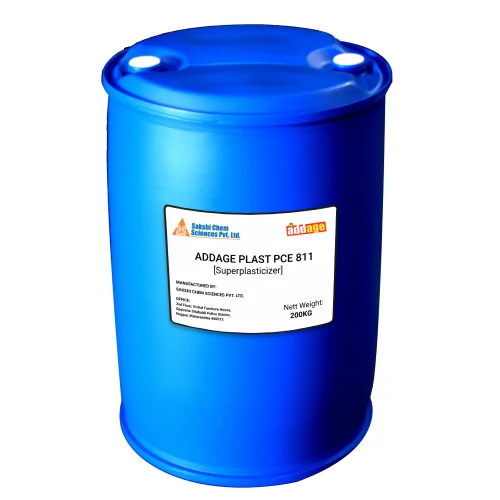
3. Superplasticizers (High-range Water Reducers)
Prime Function: Improve flow and reduce water without losing strength.
Side Benefit: Most superplasticizers delay setting slightly.
Best Use: High-performance concrete, long distance haul, tight pours, demanding finishes.

4. Combination Admixtures
What They Do: Combine the two functions of retarders and accelerators.
Why It Matters: It’s a win-win: You get more work time in the beginning and better controlled and more decisive curing when you want it.
5. Natural Retarders
Origin: Plant extracts, green sources.
Advantages: Green, biodegradable, low toxicity.
Example use: Green Building projects, some retention requirements.
How These Admixtures Work?
Water-cement interplay: Hydration-control admixtures build a barrier or attempt to rebalance ions in the mix to slow hydration.
Plasticizers included: Some gain smooth flow for concrete without adding water, useful in tight pours.
Dilution requirements: Often include requiring pre-dilution, then it is thoroughly mixed in during the batching process.
Dosage is important: Errors will not be problems to overcome. Too little = no effect; too much = no set. Get it right.
How to use them: The Practical Steps
Pre-dilute (if required)
If required, use clean water to ensure even dispersal.
Batching
NEVER add at the end—add the admixture as the water is added to the cement.
Mix
Mix until the entire process is complete (30-60 seconds after the addition of all components).
Check the slump and time
Check the desired slump and set time.
Place and Finish
Go slow, form the surface, and use embedded tools as necessary.
Cure
Extended hydration will require that you cure it thoroughly – wet it, cover it, and give it time.
Real-World Applications
| Scenario | Why Admixtures Help |
| Hot weather | Prevents flash setting and temperature-induced stress |
| Mass pours | Mitigates thermal peaks, reduces cracking |
| Long hauls | Ensures workability during transport |
| Precast surfaces | Enables precise texturing and exposes finishes |
| Complex pours | Keeps slabs stable during extended work windows |
| High-performance designs | Ensures workability and strength in advanced mix designs |
The Role of Superplasticizers
Although they’re often seen as workability benefits, superplasticizers also provide hydration control, particularly when we want to:
- Slightly delay hydration.
- Maintain fluidity through long pours.
- Reduce water demand while keeping strength.
- Improve pumping action.
When used with hydration-control admixtures, they can do all of the above.
Tips for Successful Use
- Trial batch every time
Use your cement and environmental conditions prior to full size consumption.
- Dosage is everything
Even slight variances can drastically affect performance.
- Timing is key
Align them with your pump, place, and finish to avoid misalignment.
- Mix it with your sand and gravel
Proper incorporation before job-site use will allow for reliable and consistent performance.
- Cure it
With these admixtures, covering concrete with moist curing practices are just as important as regular admixtures.
- Understand synergy
Be aware that some additives and retarders can improve and/or inhibit other additives—always check compatibility.
Conclusion
Hydration-control admixtures are disruptive when it comes to how concrete is placed, finished, and stored. These hydrated-state admixtures give the time and control of high-performing concrete in every situation, from hot weather to complex design and logistics.
Hydration-control admixtures in combination with superplasticizers give a powerful package where, not only are you flowing, but now you can control hydration, while adding hydration-control admixtures to guarantee that outcomes improve.
By taking the time to test, dose, ensure mixing and curing, these hydrated state admixtures guarantee that you will achieve both structural and aesthetic goals in your concrete project.
Whether you are pouring a bridge, a precast panel, or a commercial floor, hydration-control admixtures are the difference maker—great concrete is a science, not just a mix.
Frequently Asked Questions
Can these prevent concrete from setting up?
Yes, if the dosage levels are too much, the key is dosage.
Can the time spent curing affect my concrete?
Not long-term, curing the way it’s supposed to be cures allows the concrete to still reach full strength, even if it takes a little longer to set.
Are these admixtures expensive?
Admixtures may add expense, but the benefits they provide (time savings, fewer cracks, smoother finish) often outweigh the cost.
Are they safe?
Yes, most admixtures are safe after they are incorporated, but when they’re handled before mixing, some additional precautions may be needed.

Sagar Telrandhe is a Construction Engineer with a B.Tech in Construction Engineering & Management. Passionate about infrastructure development, project planning, and sustainable construction, he specializes in modern construction techniques, project execution, and quality management, contributing to efficient and innovative building.