

Introductions
Waterproofing is a crucial component of modern-day construction, for preserving structures against water damage, moisture invasion, and high-cost repairs in the long term.
Even though concrete is tough and durable, it is naturally porous and can absorb water, chemicals, and contaminants. This can lead to structural deterioration, mold growth, and can be a health hazard.
Table of Contents
Out of the many advances in waterproofing solutions, crystalline admixture has turned out to be the most effective and permanent solution. It is not like a traditional barrier-based waterproofing solution, which fades gradually over time. Crystalline admixtures work deep inside by creating microscopic crystals within the concrete.
This innovative advancement helps form a self-healing, watertight structure, which permits vapor permeability, giving long lasting protective shield, with durability and higher moisture resistance for the building.
What Is Crystalline Waterproofing and How Does It Work?
Crystalline waterproofing is an ultra-modern waterproofing solution formulated to offer everlasting protection to the foundation from water ingress, moisture-related damages, and the growth of molds.
Concrete emerges as strong, but it is porous in nature, comprising millions of microscopic pores, voids, and microcracks. They invite chemicals, water, and contaminants to enter over time. Crystalline waterproofing solution treats this vulnerability at its base and fixes it inside the concrete itself.
How Crystaline Waterproofing Technology Works?
This ingenious waterproofing technique offers tailored chemical compounds that are either employed externally to harden concrete or mixed indispensably into the concrete design mix during construction jobs.
With the ongoing crystallization process, the microscopic crystals stretch throughout the capillaries, tiny pores, and micro-cracks, efficiently sealing all pathways of water entrance.
The output is a waterproof concrete structure that permits vapor transmission, eliminating internal moisture buildup and minimizing the risk of corrosion, condensation, and deterioration of the structure.
Self-Sealing and Permanent Protection Mechanism
One of the biggest and most powerful benefits of crystalline waterproofing is its self-sealing scope. The crystals remain inactive when dry and automatically stimulate in the presence of moisture, even after a long delay, it seals up fresh cracks as they are formed. This is the reason why crystalline waterproofing is a permanent, no-maintenance solution that intensifies over time.
It is highly durable and eco-friendly. Crystalline waterproofing is mostly used for below-grade buildings such as basements, tunnels, foundations, water tanks, and parking structures. Unlike the traditional overlays or barrier systems, which are prone to peeling, puncturing, or degradation.
Crystalline waterproofing becomes a must for concrete, promising lifelong protection against water-related damages, mold growth, & chemicals attacks. It has gained popularity as the most reliable waterproofing system in modern construction.
Why is crystalline waterproofing Important?
- Crystalline admixture is the key product because it provides lasting and interior protection to concrete, contrary to conventional top-coated waterproofing systems.
- Traditional overlays or coatings are prone to peeling, cracking, or deterioration over a period of time, on account of weather exposure, abrasion, or structural gliding.
- On the other hand, crystalline waterproofing becomes a part of the concrete itself and guarantees long-term performance and durability.
Permanent & Self-Healing Concrete waterproofing solution
- One of the biggest advantages of using crystalline waterproofing solution is its self-healing ability. When water seeps into the concrete, the active chemicals begin to react and create insoluble crystals.
- These instantly seal up micro-cracks and capillary pores. Cracks appearing years later can be fastened when water is present, thus it is known as a true long lasting water proofing option.
Superior Protection against Water & Structural Damages
- Crystalline waterproofing creates a tightly packed internal barrier that can withstand water penetration, freeze-thaw cycle, chemical attack, and damp damage.
- Since it is dependent on the external layer, it eradicates the risk of failure due to damages, making it a perfect choice to deal with demanding environments.
Ideal for critical & below grade Structures
- On account of its durability and cost efficiency, it is mostly applied in basements, swimming pools, tunnels, bridges, and water tank & water treatment plants.
- It promises the safety of the building, which is at risk of water damage leading to severe & costly consequences.
Cost-Effective & Sustainable Waterproofing Technology
- By cutting down the maintenance, repair, reapplication & renewal costs. This waterproofing compound has proven to be highly efficient, budget-friendly, and a sustainable fix for advanced construction projects.
Topical Vs Integral Application: Which Method is best?
There are two different methods of applying crystalline admixtureTopically as a sealer or coating, or integrally by mixing in the concrete mix during the construction work.
Making a selection between the two methods is dependent upon many factors, including site, project demands, and the expected level of waterproofing.
When to use Topical crystalline Waterproofing?
Waterproofing an existing structure
- Topical crystalline waterproofing is used as a surface sealer or coating. It is best for an existing concrete structure where internal abatement is not practicable.
You require a cost-effective solution & needs fast application:
- This process creates a stronger water-resistant shield, avoiding from penetration of water, structural damages and leakages.
- It is a low-cost waterproofing solution that can be applied quickly. Ideal for tight deadline projects.
- Overall, this type of waterproofing solution gives durable, effective, and inexpensive shielding, which aids in the extension of the life span of concrete.
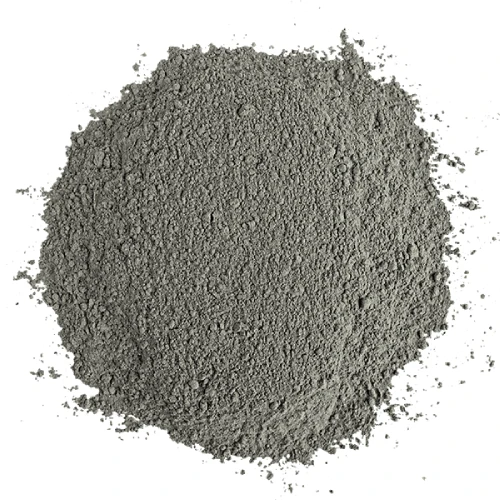

When To Use Integral Crystalline Waterproofing?
1-New construction projects
Infusion of crystalline waterproofing directly to the concrete mix during construction will safeguard against water penetration and boost long term performance from day one.
2-Need for Permanent Solution
When introduced in the concrete, integral waterproofing becomes a part of the concrete, offering greater durability and longevity in comparison to other surface-applied systems.
3-Hard-to-access areas
This system assures waterproofing even in concealed or inaccessible zones where external treatments are impractical.
4-Structures in Aggressive Environment
Give excellent results even on exposure to extreme weather conditions, chemicals, or abrasion, resulting in higher and more reliable protection.
Sakshi Chem Sciences Pvt Ltd, Nagpur is a leading brand offering highly advanced crystalline admixture, which comprises of self-healing concrete, permanent waterproofing, and minimizes permeability with a reliable barrier against water pressure for durable structures.
Conclusion
So, going with topical or integral crystalline waterproofing is totally dependent on the project demand, its durability, projections, and exposure conditions. Which can give long term performance and cost-efficient water proofing system. Going with the right one can be a game-changer.
FAQS
Q1-What are the benefits of crystalline waterproofing?
It offers permanent, self-healing protection by sealing concrete pores, reducing permeability, and stopping water entrance throughout the structure.
Q2-Is crystalline waterproofing eco-friendly?
Yes, it is non-hazardous and eco-friendly.
Q3-What is the new technology for waterproofing?
The new technology of waterproofing is the application of nanotechnology for water resistance.

Sandip Agrawal, Polymer Engineer and MD of Sakshi Chem Sciences Pvt. Ltd., leads innovation in construction chemicals, shuttering oils, and industrial lubricants. With expertise in polymer science and eco-friendly solutions, he drives R&D and sustainable advancements, ensuring high-performance products for India and global markets.