
When creating high-performance water-based coatings, selecting the right Hydroxyethyl Cellulose (HEC) is important.
HEC acts as an essential rheology modifier that will have an effect on the viscosity of your paint, how the paint applies, and ultimately, the performance of the finished paint.
Table of Contents
In this guide, we will discuss why HEC is important to water-based paints, things to consider when selecting the right HEC, and why Sakshi Chemicals is the best choice for an HEC supplier.
What is Hydroxyethyl Cellulose (HEC)?
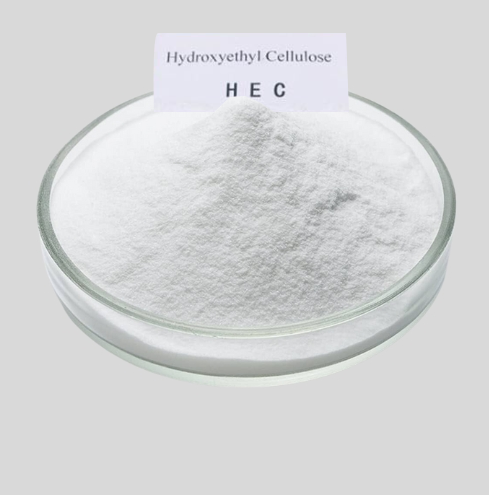
Hydroxyethyl cellulose (HEC) is a non-ionic, water-soluble polymer derived from cellulose. HEC is used in a variety of different industries, including coatings, cosmetics, and pharmaceuticals, because of its good thickening, stabilizing, and water-retention properties.
In water-based paints, HEC provides energy to vastly improve the rheology of the paint, allowing for smooth application and optimal performance of the paint.
The Role of HEC in Water-Based Paints
In water-based decorative paints, HEC provides the following benefits:
Viscosity Control: HEC will provide good thickening action from the HEC providing the viscosity required for the chosen application method – whether it is rolling, brushing, or spraying.
Sag Resistance: The better the rheological properties of the paint, the better the HEC is able to resist “sag” or dripping during application, allowing the best smooth finish.
Water Retention: HEC improves the paint’s water retention, which helps to create even films and maintain controlled drying times.
Stability: HEC helps to increase a paint’s stability by preventing pigment settling and increasing the shelf life of the paint.
Compatibility: HEC offers a broad degree of compatibility with the various binders, additives, and pigments used in water-based paints.
Things to Think About When Choosing HEC for Water-Based Paints
There are several things to think about to selecting the best HEC for your paint formulation:

1. Desired Viscosity
The viscosity of the paint formulation tells you the concentration and kind of HEC you will need. Higher molecular weight HECs have better thickening efficiency, while lower molecular weight HECs hydrate relatively quickly and have a lower viscosity.
2. Application Method
Different application methods provide differences in the rheological properties. For example, paints for spraying application need to have relatively lower viscosity for good flow, while those for brushing or rolling need to have relatively higher viscosity for good control and coverage.
3. Coating type
The type of coating also affects the choice of HEC, be it an interior or an application, or exterior, gloss or mat, and so forth. Therefore, while some features of HEC are for all paint types, exterior paints may want HEC with more water retention or sag resistance, whereas interior paints may be more focused on smoothness of application and finish.
4. VOC Regulations
When working in regions where regulations concerning Volatile Organic Compounds (VOCs) are stringent, it is imperative to select HECs that contribute to low-VOC systems. Some HECs are purposefully devised to function correctly at lower concentrations, thereby complying with environmental regulations.
5. Storage and Stability Considerations
The proper storage stability of the paint will be influenced by the ability of the HEC to control pigment settling and maintain a uniform consistency. Appropriate HEC bio-stability may lead to the provision of shelf life, and consistent operation of the paint.
Why Choose Sakshi Chem as the HEC Manufacturer for Your Paints?
Sakshi Chemicals is an established HEC manufacturer and specializes in developing water-based paints and coatings. Sakshi Chemicals is experienced in manufacturing cellulose ethers and offers several HEC varieties for the formulation of many different products.
Advantages of Choosing Sakshi Chemicals:
Customized HEC Grades: Sakshi Chemicals can manufacture customized HEC grades to achieve the specific viscosity needs and application methods.
Technical Guidance: Sakshi Chemicals can provide technical guidance and support from their application team to increase the performance of the paint they are contributing to.
Reliable Supply Chain: Sakshi Chemicals can provide a continuous and reliable supply of HEC products to meet the global demand.
Eco-Friendly Supplier: Sakshi Chemicals can offer HEC products that contribute to the development of low-VOC, eco-friendly paints through sustainable product development.

Frequently Asked Questions (FAQ)
1: What is the difference between HEC and other thickeners like xanthan gum or guar gum?
HEC is a cellulose-based polymer with excellent water retention and bio-stability properties, which makes it particularly suited for water-based paints compared to the polysaccharides xanthan gum and guar gum, which will not exhibit the same compatibility and stability in paint formulations.
2: Can HEC be used in interior and exterior paints?
HEC is versatile and can be used in both interior and exterior paints. The accurate grade and concentration of HEC will depend on the desired properties of the paint, such as sag resistance, water retention, and so on.
3: How does HEC contribute to low-VOC formulations?
HEC provides effective thickening at lower concentration,s which minimizes the need to use other solvents and additives that can introduce VOCs. Therefore, HEC is a required ingredient for low-VOC paint formulations.
4: Is HEC compatible with all pigments and additives?
HEC has broad compatibility with water-based paint pigments and additives. Nonetheless, the compatibility should always be tested within the context of a specific formulation.
5: How can I determine the appropriate HEC grade for my paint formulation?
The choice of HEC grade is based on desired viscosity, the method of application, the type of coating, and other requirements related to environmental regulations, which may also be relevant. It is best to discuss your requirements with a technical expert or supplier to ascertain which grade of HEC may best suit your specific needs.
Conclusion
Choosing the right HEC for water-based paints is an important step in optimizing the performance of your paint.
When selecting an HEC, keep in mind the desired viscosity you want to achieve, the method of application, the type of coating, any applicable VOC regulations, and the stability requirements for your paint formulation.
Selecting an HEC compatible for your needs will become apparent. Choosing a competent HEC manufacturer such as Sakshi Chemicals will ensure you have access to quality products backed by expert support to help you develop the best water-based paints.
Contact Sakshi Chemicals for assistance with determining the best HEC for your paint formulations.

Sagar Telrandhe is a Construction Engineer with a B.Tech in Construction Engineering & Management. Passionate about infrastructure development, project planning, and sustainable construction, he specializes in modern construction techniques, project execution, and quality management, contributing to efficient and innovative building.