

In both new construction and renovation today, construction and paint products need to meet high standards for performance, durability, and application.
Market demand for these attributes is escalating as consumers, contractors, and industries are accustomed to receiving ever more from each product.
At the core of many of these high-performance formulations is a powerful and versatile component, Hydroxypropyl Methylcellulose (HPMC).
Table of Contents
In this article we will discuss the HPMC´s role in providing product quality in construction and paints, and the chemical properties to practical benefits for a variety of purposes.
We will also consider how this single component has an influence on product performance, sustainability and usability.
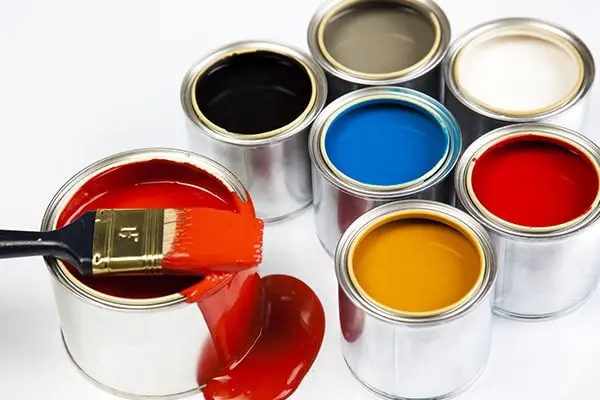
Understanding HPMC: A Versatile Polymer
HPMC is a non-ionic, water-soluble cellulose ether based on natural plant fibers. Through a chemical modification process, the hydroxyl groups can be exchanged for methoxyl and hydroxypropyl groups, yielding a product with improved solubility, stability, and functional profile.
HPMC is an indispensable additive for the formulation of products where viscosity, water retention, workability, and surface finish are of importance.
HPMC is biodegradable, safe, and non-toxic, which meets both environmental and performance criteria for construction and coatings; these characteristics have contributed to HPMC becoming an important additive in water-based, and dry-mix products internationally.
The Role of HPMC in Construction Applications
1. Water Retention in Cement-Based Materials
Water retention is critical for hydration and curing in cementitious materials such as mortar, tile adhesives, plasters, and grouts; thus HPMC can help to retain water and prevent the mixture from drying prematurely.
This equates to:
- Easier handling and adhesive properties of mortar and tile adhesives
- Improved open time when applying the mixture
- Reduced cracking and shrinkage
- Improved strength development
This is most important in hot or dry climates where water evaporates quickly. HPMC helps maintain the water available for hydration which ultimately determines the strength and durability of the final product.
2. Workability and consistency
A major benefit to using HPMC in dry-mix formulations is its impact on workability. HPMC enhances the viscosity and consistency of the mix which helps achieve a smoother application decreasing the intensity of labor and enhancing overall efficiency of the job site.
HPMC achieves a creamy texture and smooth finish as either a tile adhesive or hand applied renders or machine applied mortars. HPMC reduces variability across batches and provides consistent texture with a uniform consistency, reducing overall waste.
3. Anti-Sagging and Slip Resistance
Sag resistance is an important aspect of vertical applications like wall renders and tile adhesives. HPMC helps form a thixotropic nature to mixtures that keep the mixture in place and resist slumping once applied to the substrate or surface.
This property enables the applicator to work effectively with greater ease along with allowing for a professional finish with minimal correction.
4. Improved Bonding Strength
Through controlling moisture loss and moisture transfer and creating a more complete composition, HPMC is an excellent addition to improve overall bonding performance between the individual substrates with the applied material. HPMC can provide added benefits in tile adhesives and self-leveling applications.
5. Improved Shelf Life and Stability
The death of dry-mix products occurs while they are being transported and stored. HPMC helps improve shelf life because it usually avoids premature reactions, and it also keeps the material partially inactive until mixed with water into a cohesive mixture.
Enhancing Product Quality in Paints and Coatings
1. Rheology Control and Viscosity Adjustment
Rheology modifiers are an important part of paints for managing flow and consistency of the product. HPMC is a thickener and viscosity modifier that gives the makeup of paint unique physical properties for brushing, rolling, or spraying; and as such provides:
1. Consistency in application.
2. Reduced spatter.
3. Better leveling and coverage.
4. Better handling and transport.
Different grades of HPMC can be used to tune, minimize, or control the viscosity of the paint and to fulfill the desired end-product viscosity to which the concurrent application can be thick and creamy or smooth and flowing.
2. Pigment Suspension and Stability
In decorative and industrial paints, uniform pigment dispersion is key to achieving color consistency and appearance. HPMC can help to prevent pigment settling and separation so that the paint maintains stability even after long periods of storage.
By improving the suspension properties of the solids in the liquid formulation, HPMC helps to improve the reliability of paints and improve the aesthetic appearance of every coat.
3. Film Formation and Surface Finish
HPMC has benefits for the qualities of the dried film; that is, both protective performance and appearance. HPMC aids the formation of a smooth defect defect-free film that will resist cracking, peeling, and yellowing as it ages.
This quality is desirable in;
- Interior and exterior wall coatings.
- Primer formulations.
- Water-based finishes.
- Textured and decorative paints.
4. Compatibility and Stability
As an entirely non-ionic polymer, HPMC has enormous compatibility with other ingredients in formulations, including binders, pigments, and surfactants, and it can help maintain product stability over time without causing unwanted changes from polymer-polymer interactions or viscosity levels.
Other Uses for HPMC in Paints and Construction Products
1. Thermally reversible gelation
HPMC is thermally reversible gelation which means that when it is heated it forms a gel which can be reversibly changed back to a liquid when cooled. This property is valuable in a wide variety of applications where a temporary increase in viscosity is needed when heat is applied, or vice versa.
2. Stability across pH
HPMC has performance stability across a wide pH range (3 to 11), which means it can function reasonably well in both acidic and alkaline formulations. This allows for reasonable performance of the product across a range of construction chemical and paint products.
3. Environmentally benign property and human safety
HPMC is a cellulose derivative and is inherently biodegradable and made from renewable resources. As it undergoes further degradation, it does not liberate harmful by products that result in safety issues for the environment and human health.
The fact that it will degrade and utilize natural resources makes HPMC ideally suited to current global trends for greening building construction and eco friendly product development.
Practical Case Studies: HPMC in Real-World Use
Case Study 1: Tile Adhesive in Hot Climate
A construction company operating in the Middle East reported that its tile adhesive was curing too fast, before it had time to become activated in order to adhere.
They utilized a high viscosity grade of HPMC in to their formula to offer a much better water retention characteristic. This allowed them to have more time to place the tiles and improve adhesion.
Case Study 2: Decorative Wall Coatings
A paint manufacturer said that they wanted to improve the leveling and aesthetics for a water-based wall paint. Just by adding more HPMC they were able to achieve less surface texture, improved pigment suspension, and greater consistency for products being manufactured in different batches. They also received less customer complaints and it became a more popular product.
Choosing the Correct HPMC for your application
There are many grades of HPMC available on the market, each is specific for different applications and products, both in the construction sector and paint. They are different in:
Viscosity: Low, medium, or High viscosity is dependent on the application.
Gel temperature: Determines the point of thermal gelation
Substitution degree: to determine solubility and compatibility.
Finding the correct grade typically takes some close collaboration with your raw materials supplier and testing for your intended purpose.
Consideration should always be given to the finished product’s desired time frame for workability, texture, conditions of drying conditions, and environmental conditions.
Market Trends and Future Prospects
The global market for HPMC is experiencing strong growth due to increased construction activities, demand for environmentally friendly products, and advanced new products in paints and coatings.
The increased attention to performance and sustainability means that HPMC is only going to play a larger role in the future.
Some trends we see developing are:
- Ready to use construction chemicals that promote ease of application.
- Low-VOC paints for indoor health.
- Eco-friendly adhesives and renders for greener buildings.
HPMC allows formulators to deliver on the changing needs of the market while ensuring value, cost, and compliance.
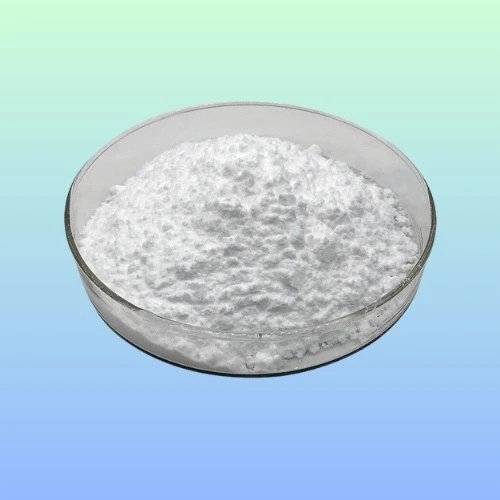

For articles and subject matter that are competing in the marketplace and focused on quality, every ingredient must be able to do its job. HPMC plays a valuable role in contributing to product quality in construction and maps and coatings.
HPMC has been integral to achieving application ease and adhesion properties in mortars, flow, finish, and shelf stability in paints and coatings.
Conclusion: The Indispensable HPMC
It’s not just a thickener – it’s a performance enhancer, a stabilizer, an ally for sustainability.
Whether you are a manufacturer working to improve your product line or a contractor trying to develop more reliable materials, you can produce observable and measurable improvements by utilizing HPMC.
As both markets and consumer approaches evolve, HPMC will remain a key tool in producing high-quality, high-performance construction and paint products that endure.

Sagar Telrandhe is a Construction Engineer with a B.Tech in Construction Engineering & Management. Passionate about infrastructure development, project planning, and sustainable construction, he specializes in modern construction techniques, project execution, and quality management, contributing to efficient and innovative building.