
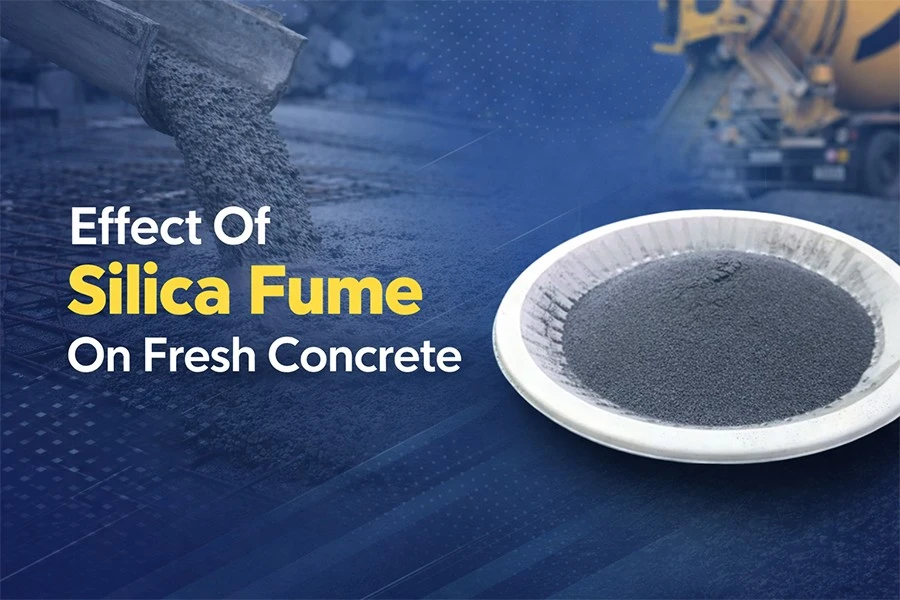
When determining how well-in-place a building will turn out, one must consider how the performance of freshly finished concrete can impact its final strength and durability, as well as its overall finish.
And in light of the increased need for concrete to perform at higher levels for infrastructure applications, commercial or industrial construction projects have caused an increase in the use of supplementary cementitious materials (SCMs).
Table of Contents
One of those materials is silica fume, which is becoming more highly regarded. When engineers and contractors understand the effect of silica fume on the workability of fresh concrete, the cohesion of fresh concrete, and the early-age performance of fresh concrete, they are more likely to be able to achieve better control over the quality of the finished products (concretes).
At Sakshi Chem Sciences, the most advanced material solutions for use in concrete technologies are developed in order to help meet both the global standards for performance and durability of concrete.
What is Silica Fume?
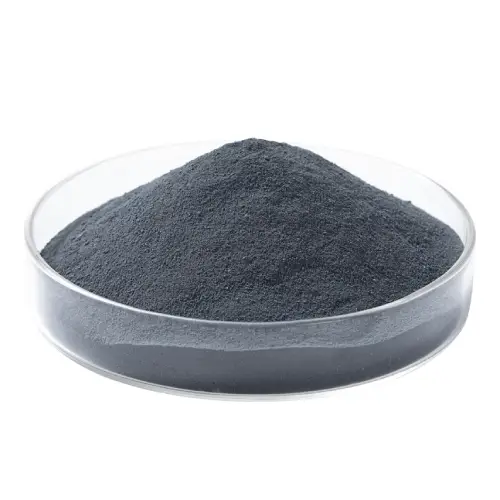
Silica fume is an extremely fine particulate powder that is produced as a by-product in producing silicon and ferrosilicon alloys. Silica fume’s primary composition consists of amorphous silicon dioxide and has a much finer particle size than cement.
The actual size of the silica fume particles and their relatively high surface area relative to other materials (such as cement) allows the micro silica to influence how concrete behaves when it is freshly mixed.
When used as part of an aggregate concrete mix, silica fume does not simply serve as a filler to take up space inside of the concrete mix. Rather, the micro silica changes the internal structure of the freshly mixed concrete through the modification of its consistency and stability.
Effect Of Silica Fume On Fresh Concrete
1. Increased Cohesiveness
One of the most noticeable effects of silica fume on fresh concrete is improved cohesiveness. Fresh concrete containing Micro Silica becomes more uniform and stable, significantly reducing segregation of aggregates.
This improved cohesion is especially beneficial in:
- Pumped concrete
- High-strength concrete mixes
- Concrete with low water–cement ratios
The fine particles fill micro-voids between cement and aggregates, helping all components bind together more effectively.
2. Reduced Bleeding
Bleeding occurs when excess water rises to the surface of freshly placed concrete. Excessive bleeding can weaken surface strength and lead to finishing problems.
Silica fume reduces bleeding by:
- Absorbing free water
- Forming a gel-like structure within the paste
- Increasing the water-holding capacity of the mix
As a result, the surface remains denser and more uniform, which improves finishing quality and reduces the risk of surface defects.
3. Improved Flowability with Proper Mix Design
While silica fume increases cohesion, it can also enhance flowability when combined with suitable chemical admixtures. In well-designed mixes, fresh concrete with silica fume flows smoothly without segregation.
This is particularly useful for:
- Self-compacting concrete
- Congested reinforcement zones
- Complex formwork
However, because silica fume increases water demand, the use of superplasticizers is recommended to maintain optimal workability.
4. Reduced Air Content
The use of silica fume in fresh concrete will also reduce entrapped air, as its extremely fine particle size fills the voids found within the concrete matrix, making for a denser concrete matrix. Therefore, when entrapped air is reduced, there are improvements in:
- Ability to achieve a higher early strength.
- Reduction in permeability.
- Improvement in surface finish.
If an air-entraining agent is to be added to the concrete, then the air-entraining agent must be adjusted
5. Changes in Setting Properties of Silica Fume in Fresh Concrete
The use of silica fume can affect the setting character of the fresh concrete; in many cases, the use of silica fume will accelerate the very early hydration of the cement, due to its high level of reactivity, particularly in a low-water content mixture. This will result in:
- Accelerated early strength development.
- Require planning of placement and finishing.
- Contractors will need to plan for this characteristic to prevent concrete ruining due to being set too soon.

Precautions for Using Silica Fume in Fresh Concrete
While the benefits of using silica fume are numerous, there are considerations that must be followed to achieve them with the optimum result:
1. Controlled dosage – silica fume is typically used to replace 5–10% of the weight of the total cement
2. Proper dispersion – sufficient mixing must occur in order to avoid clumping of the silica fume particles
3. Sufficient curing – due to the sensitivity of fresh concrete with silica fume to moisture loss
4. Correct use of admixtures – water reducers will balance out the concrete’s workability.
When all these precautions are followed in the use of silica fume, the fresh concrete will perform as expected without compromising the constructability of the final product.
Practical Applications
Concrete mixes incorporating silica fume are widely used in:
- High-rise buildings
- Bridges and marine structures
- Industrial floors
- Infrastructure exposed to aggressive environments
These applications benefit from the improved cohesion, reduced bleeding, and enhanced early-age performance offered by Micro Silica.
Conclusion
The Effect Of Silica Fume On Fresh Concrete is both immediate and impactful. By improving cohesiveness, reducing bleeding, controlling air content, and enhancing flow characteristics, silica fume transforms fresh concrete into a more stable and workable material.
When supported by proper mix design and quality control, it enables the production of high-performance concrete that meets modern construction demands.
With advanced R&D capabilities and strict quality standards, Sakshi Chem Sciences continues to support the construction industry with reliable material solutions that improve concrete performance from the very first stage.

Sagar Telrandhe is a Construction Engineer with a B.Tech in Construction Engineering & Management. Passionate about infrastructure development, project planning, and sustainable construction, he specializes in modern construction techniques, project execution, and quality management, contributing to efficient and innovative building.