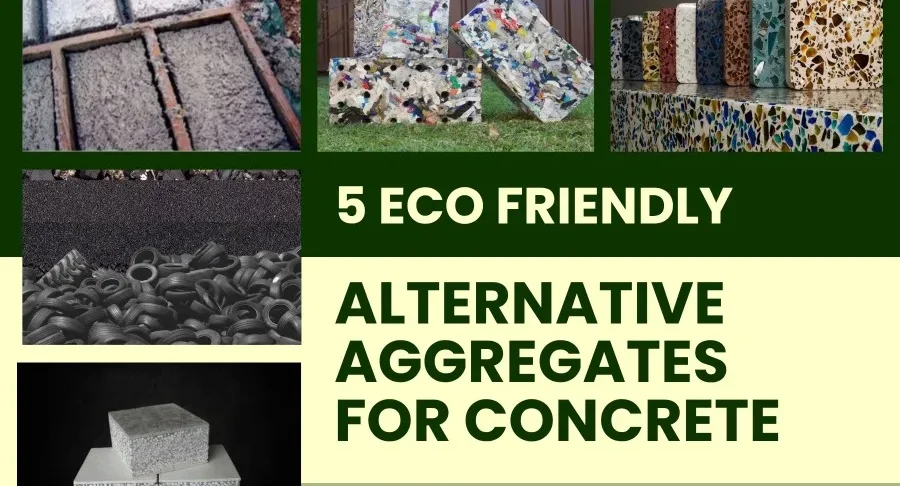
The construction industry is undergoing a significant transformation. Due to increasing urbanization, rising energy demands, and growing sustainability concerns, builders are seeking materials that ar...
Concrete is vital for modern construction, serving as the primary structural element in buildings, bridges, highways, and other infrastructure. Although cement, water, and admixtures are often put...
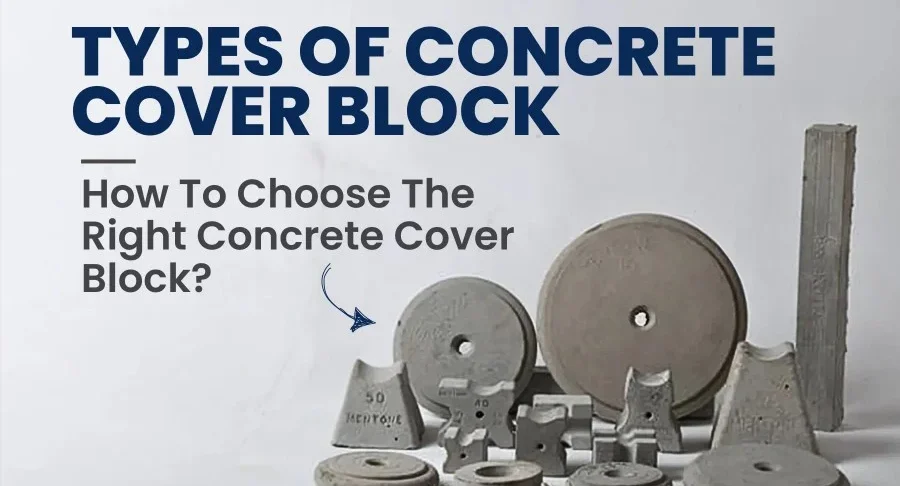
Introduction When constructing reinforced concrete structures, half the equation is strength and the other half is durability. This is where the small, yet remarkable concrete cover block comes int...
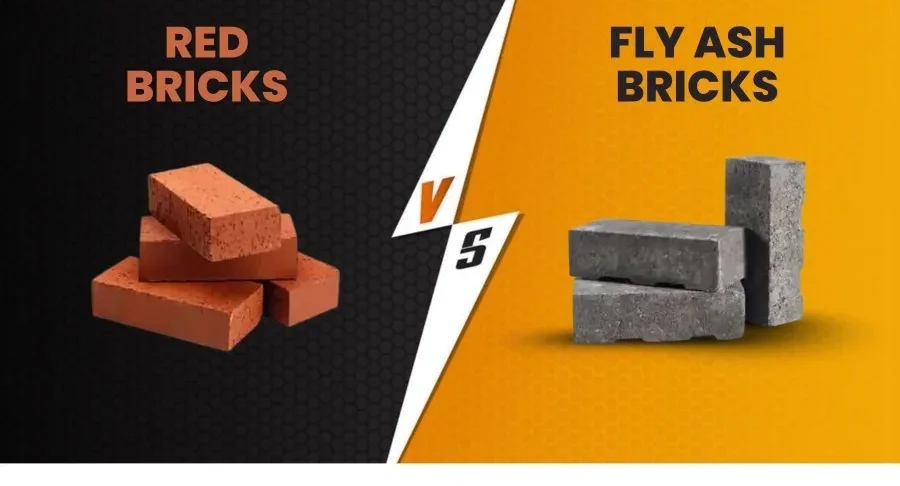
In today's construction industry, the selection of suitable building materials extends beyond strength and durability; these days, it all has to do with being sustainable, cost-effective, and long-las...
Quality of bricks matters when it comes to constructing solid and lasting architectural products, as bricks form the basis for walls, columns, and buildings. Even slight compromises in brick quali...
Choosing the right bricks can be one of the most crucial decisions you make when planning your dream home. Bricks are the backbone of your structure, and their quality is crucial because it affects ev...
Walls, when building or renovating a space they shape can go a long way to set the right tone. Smooth, durable, and long-lasting walls not only add an accent but also speak to the work of construction...
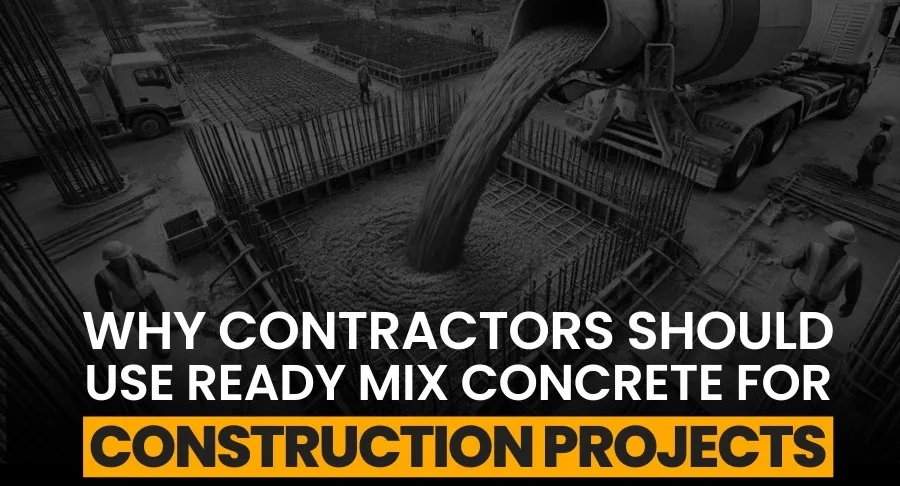
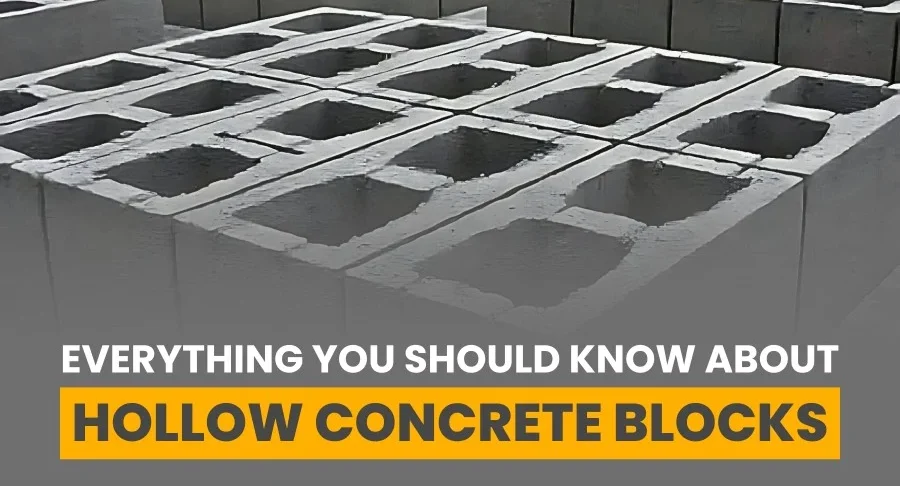
In our busy construction world, time, accuracy, and durability are vital. Contractors, architects, and builders are always searching for materials that will not only save time but also improve quality...
Homeowners and businesses alike often look at the top coats of paint, textures, and design elements as the standout features of new interiors or renovations, when in fact, the one thing that makes wal...
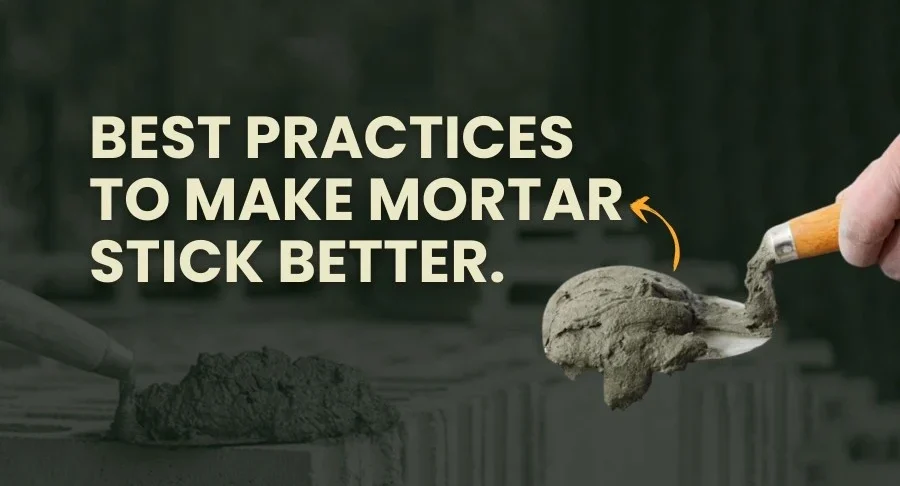
Mortar is the silent partner of construction. It holds bricks, locks down tiles, and maintains the integrity of structures for years. Unfortunately for builders and masons, one of the most common...
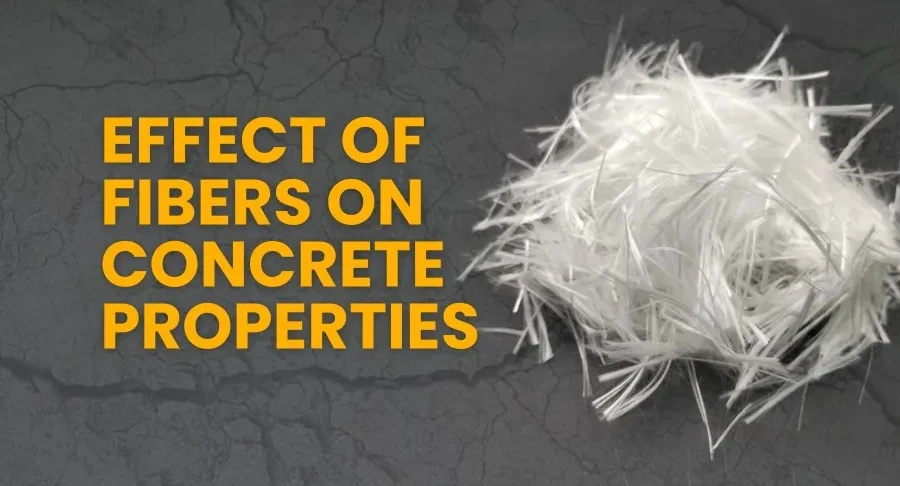
Using fibrous materials in concrete isn't as simple as selecting fibers off a shelf; each fiber, its type, size, shape, surface finish, dosage, and distribution, all contribute to the behavior of the...
Introduction Concrete has been a foundational building material used for construction for hundreds of years. As strong as concrete is, it has its flaws (cracks, shrinkage, and overall deterioration...
Understanding Concrete Curling Concrete curling is a condition that causes a corner or edge of a concrete slab to lift or bend, forming a curled or warped appearance. While this may not sound like...
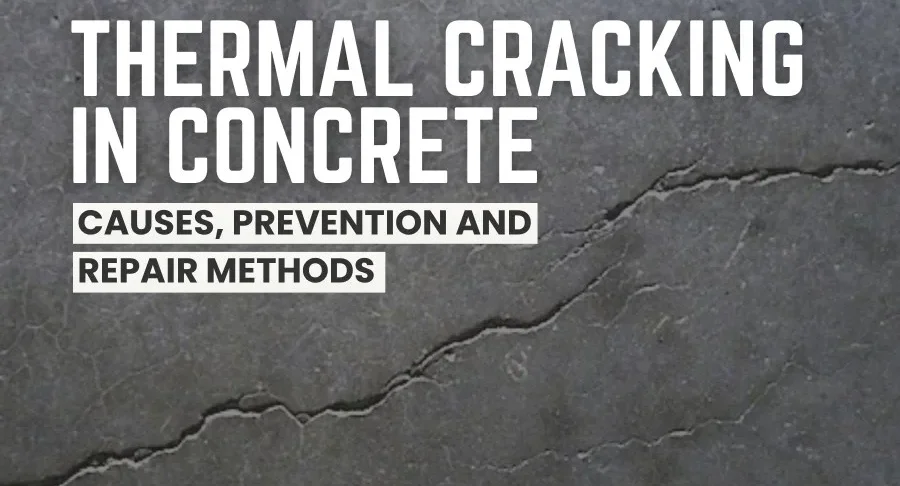
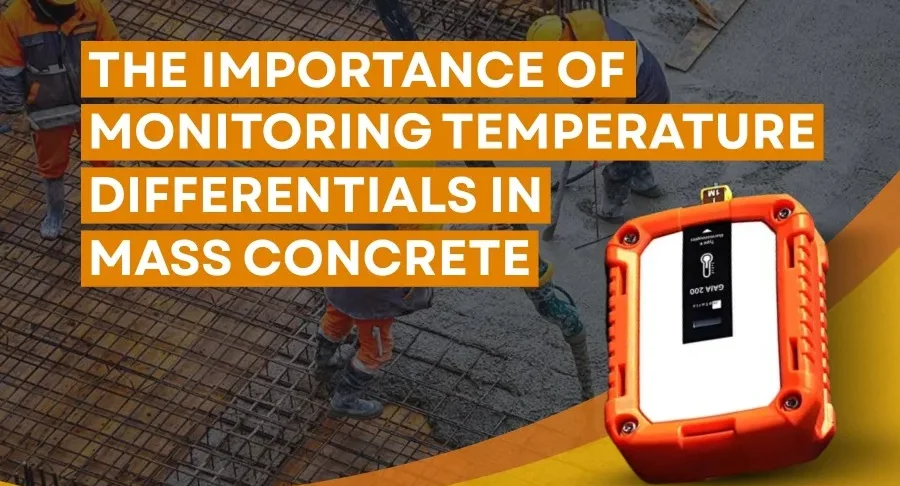
Thermal cracking in concrete occurs when a concrete element has a large temperature difference within it, causing internal stresses. These stresses will exceed the amount that the material can elongat...
Introduction Whether you are constructing a house, bridge, or commercial building, the quality of your cement is extremely important. Cement has several grades, and only the top ones have the stren...
Introduction Deciding which material to use for your construction project may be the most important initial step in creating a sustainable result for your project. There are many controversial b...
As you prepare for a pour in ready mix concrete, you might be focused on your schedule, budget, and manpower, but have you paid attention to the weather? Weather might seem like a minor factor, bu...
In today's ever-changing construction landscape, efficiency, quality, and sustainability have never been more important. Whether you're pouring a residential apartment, a highway or a commercial t...
Introduction Ready-Mix Concrete (RMC) has fundamentally changed the way we think about construction. Becoming a reliable, fast, and consistent material is critical for today’s fast-paced building...
Concrete is one of the most relied-on materials in the construction industry to create strong, durable structures. Although compressive strength is often touted as the key feature of concrete, flexura...
Introduction Concrete is at the heart of many aspects of the construction industry. If you are building a residential home, commercial property, a bridge, or a roadway, concrete is a critical mater...
Introduction Mass concrete is an important component of major construction projects, particularly when creating foundations, dams, bridges, or massive walls. Because of the mass, mass concrete requ...
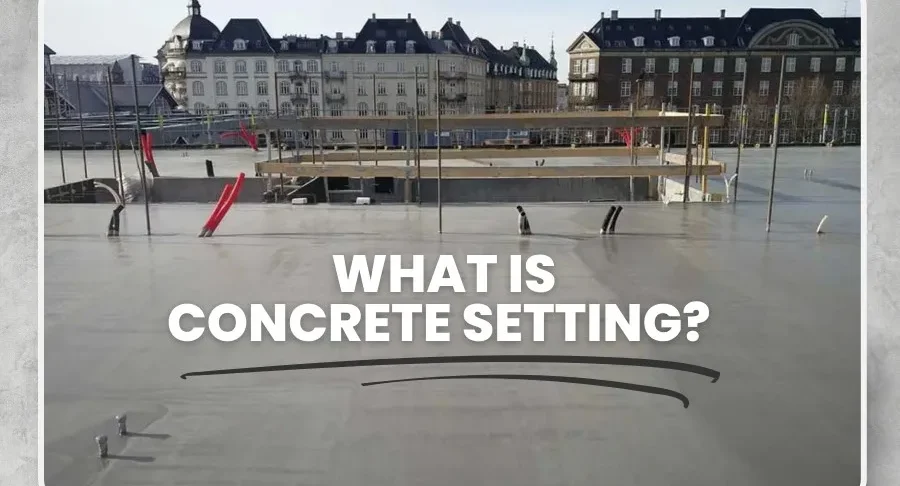
Introduction Concrete setting is one of the most basic but overlooked steps in construction. This is when we transform concrete from a plastic, free-flowing mix to a solid, stiff (load-bearing) mat...
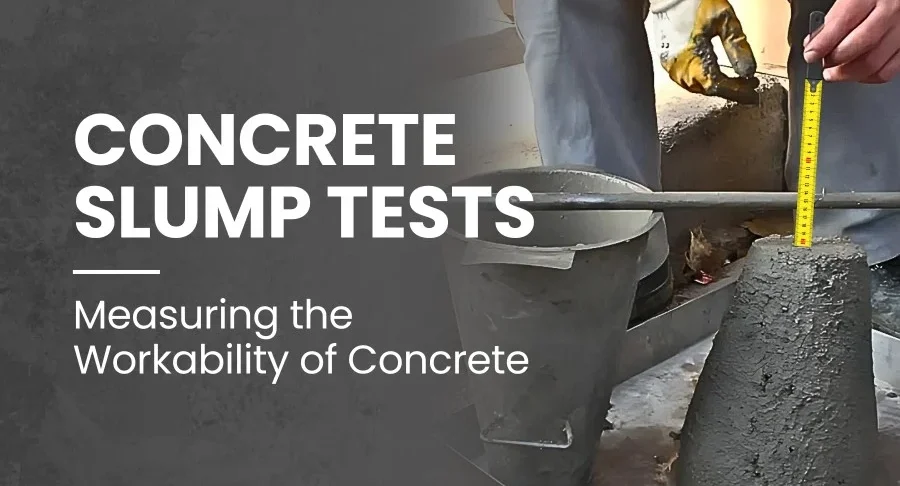
Concrete is the key aspect of modern construction, including pathways, bridges, buildings, and more. It can be difficult to imagine a modern construction project that does not include concrete, which...
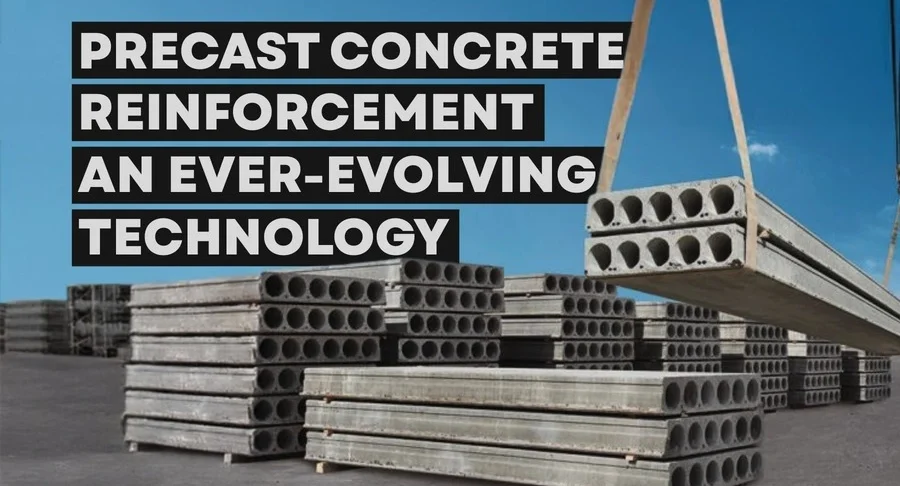
Innovation in construction does not always equate to elements of other-worldly buildings or new design trends. It is often the most minuscule, inconspicuous aspects that have the greatest impact....
Concrete is a major component of the modern construction process and is famed for its high compressive strength. It has been used for all types of large-scale infrastructure projects since time immemo...
When doing a masonry project, one key choice you will need to make is what type of mortar mix you will use. Whether mere working with a few bricks for a backyard BBQ, restoring an old building, or beg...
Concrete is the most used construction material in the world. It underlies each aspect of modern infrastructure, from their tall ceilings and long-span roof systems and bridges, to roadways, concrete...
Introduction: How We Build Has Changed Since human civilization began, shelter has been one of the three critical life-sustaining human needs, along with food and clothing. Initially, our ancestors...
Did you know that concrete is the second-most consumed substance globally after water? It may be surprising to learn that the concrete industry is a huge global industry, worth over $137 billion....