Throughout the world, the construction industry is constantly working to formulate materials that offer optimal performance, durability, and cost efficiency, at the same time incorporating into the ev...
Innovation influences improvements in performance, durability, and sustainability in this sphere of changing fortune. An example is Redispersible Polymer Powder (RDP), a widely accepted polymeric addi...
Introduction With an ever-evolving construction world, the need for modern materials and additives that will facilitate the performance, durability, and efficiency of building projects is on the ri...
Introduction Hydroxypropyl Methylcellulose (HPMC) is a chemical modification of cellulose and is most extensively used among the many industries, ranging from pharmaceuticals, cosmetics, and food t...
When the word concrete comes into our mind we start imagining an unyielding or a hard, solid material which would be perfect for construction. But do we ever think how this concrete is made flexibl...
Calcium Chloride (CaCl2) is the most widely used accelerator for cement because of its potency and level of purity. An estimated 9 billion cubic yards of concrete are produced annually. It is the seco...
Sodium lignosulphonate is a multipurpose, eco-friendly chemical made from lignin, a by-product of wood pulping. It is reputed to have excellent properties of dispersion, binding, and emulsification, t...
Water glass, a term used for sodium silicate, is a chemical with many industrial uses. How to Use Sodium Silicate in Pottery?Sodium Silicate in Pottery: Advantages of Using it as a Binding AgentMix...
Sodium silicate, an inorganic compound with the chemical formula Na2SiO3, is commonly referred to as efflorescent alkali due to its alkaline nature and reactivity towards acids. This compound, care...
Did you know sodium silicate is a highly versatile compound and plays a vital role in all industries, mainly in the manufacture of cleaning products? This key substance is an important component in th...
Introduction Sodium silicate, often called water glass, is a multifunctional chemical compound with applications including its adhesive, binding, and cleansing properties. It is regularly encou...
Concrete is the most crucial material in any construction project around the world. It can provide exceptional strength and becomes incredibly versatile when its components are mixed in the right prop...
There have been major developments in the construction industry is recent times. Lately, the global construction industry has witnessed several revolutionary progressive steps, both in material and te...
In the construction industry, chemical admixtures are crucial for improving the performance and durability of concrete structures. These special chemical admixtures effectively enhances the workabilit...
Many construction materials are important due to the results and quality of the work. When it comes to giving surfaces a better look and finishing, the construction material you choose has a bigger ef...
If you've ever encountered a home renovation and construction process, you must have seen tile grouts in your life once or often. However, perhaps you're unsure about its importance and use in constru...
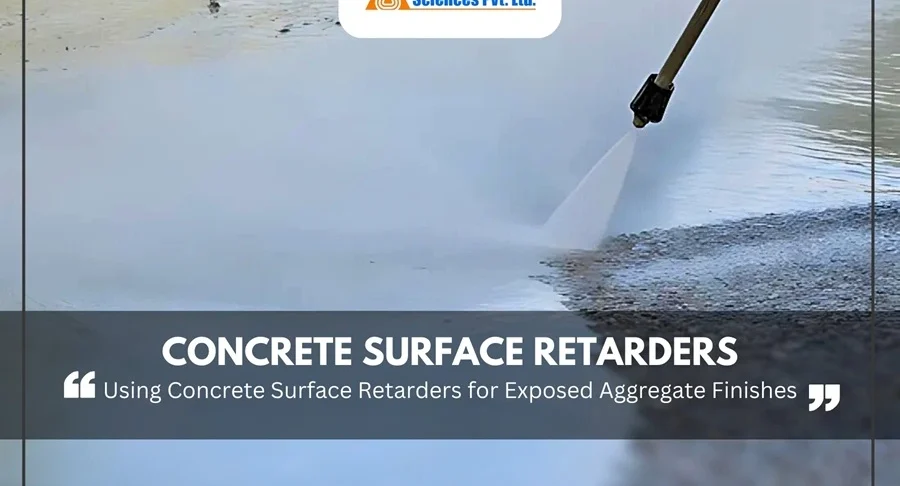
In the modern world, the construction industry is changing its dynamics with advanced construction chemicals like concrete admixtures. One of the examples of it is concrete retarders which are useful...
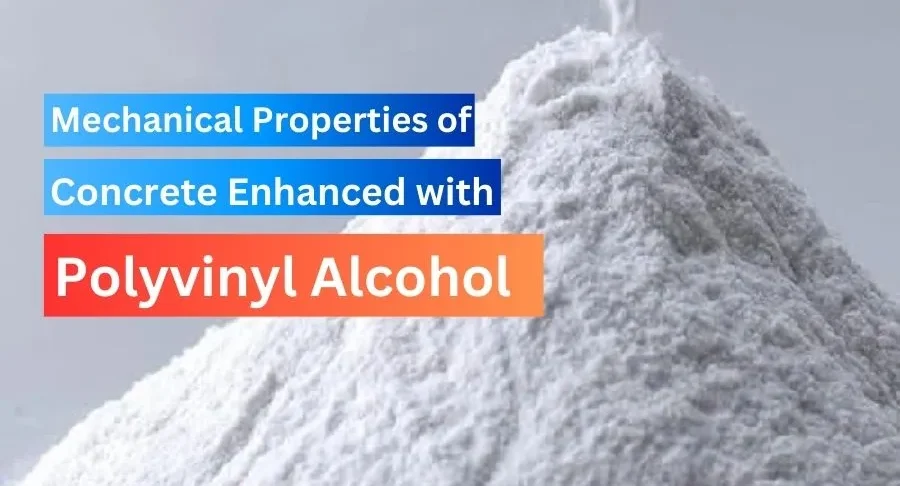
Polyvinyl Alcohol is a water-soluble synthetic polymer popular in many industries, for cement and concrete mixes, adhesives, textile finishing, papermaking, ceramics, personal care products, and the p...
Concrete admixtures and retarders are popular materials used to enhance the mechanical properties of concrete and mortar. Nowadays, concrete retarders are highly preferred in hot weather to allow time...
Waterproofing is a process to protect buildings from water damage, by preventing water from penetrating into the structure. Waterproofing materials are applied as a barrier over surfaces of buildings...
In recent times, concrete has seen remarkable evolution, making it a versatile and reliable construction material in the construction industry. While making any building or multistorey building, concr...
The byproduct of silicon metal is silica fume and it is spherical, sub-micron, amorphous silicon dioxide is commonly used in cement and concrete applications within the construction industry. Silica f...
Silicone emulsions are very versatile compounds that are applied in many areas of the construction industry. In fact, thanks to their specific characteristics and fields of application, completely new...
Construction Chemicals are one of the primary components used in all types of construction projects. It is recognized for its distinctive qualities, such as durability and strength, which are essentia...
Essentially, concrete comprises a blend of cement, water and aggregates which serves as the primary material in construction. Among all other materials, concrete is the most extensively utilized produ...
The infrastructures built from concrete; it is a necessity that they are durable enough to be long-lasting. Overlooking the strength and maintenance of concrete may lead to grave outcomes. There ha...
Concrete Mould Release agent is basically known as shuttering oil or mould oil. This mould release agent is used for applying over the plywood or metal forms for assembling the formwork and before pou...
Concrete curing is the process of maintaining adequate moisture inside the concrete to prevent the hydration of concrete. The curing of the concrete is also important so that the concrete develops app...
What are Silicone emulsions? By adding a certain amount of surfactant to silicone oil dispersed in a liquid, silicon emulsions are obtained, which are non-toxic and heat-stable products. In most...
A concrete curing compound is a material used for retaining the moisture inside the concrete to prevent it from getting hardened. There are specialized chemicals available in the market for the curing...