Construction materials are carefully considered now more than ever. As projects become larger, more complex, and more environmentally friendly, demand for efficient solutions for those projects contin...
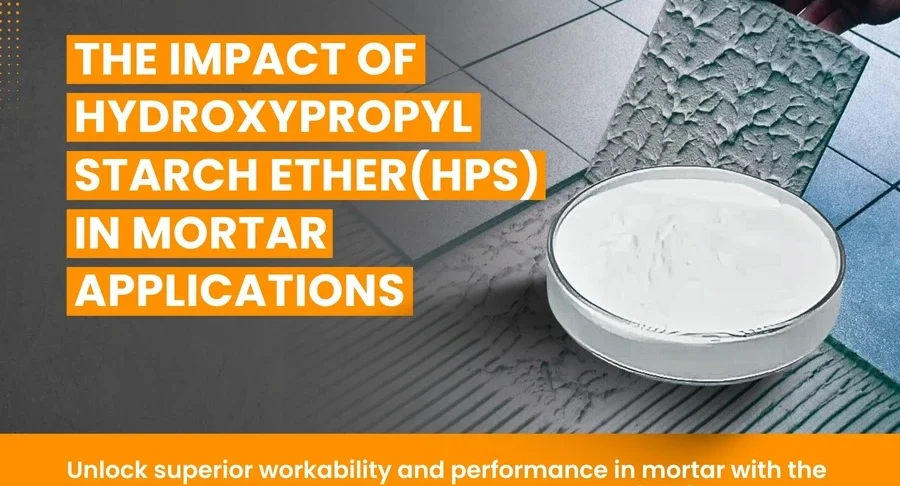
In the construction industry and especially for dry mix mortars, workability, water retention, and performance should be balanced when designing your mix. Whether you are laying bricks, applying p...
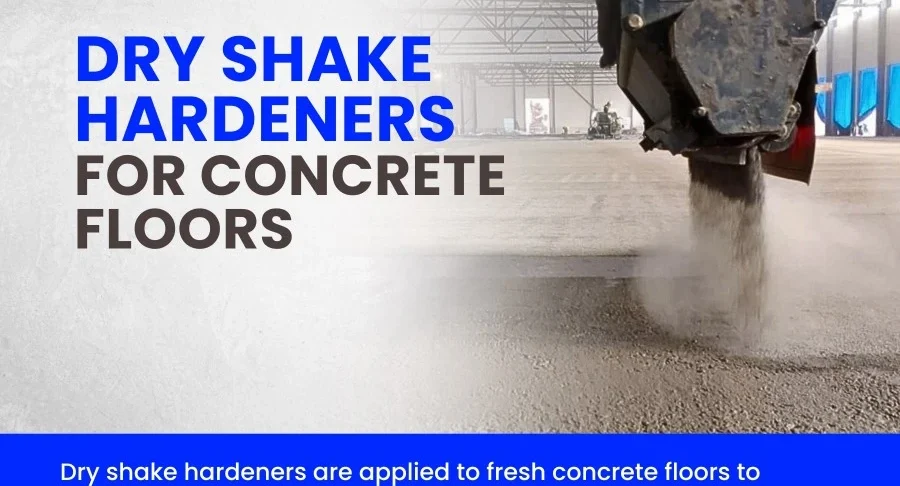
Introduction The enduring popularity of concrete flooring continues to dominate the landscape of industrial, commercial, and even residential construction thanks to its durability and cost-effectiv...
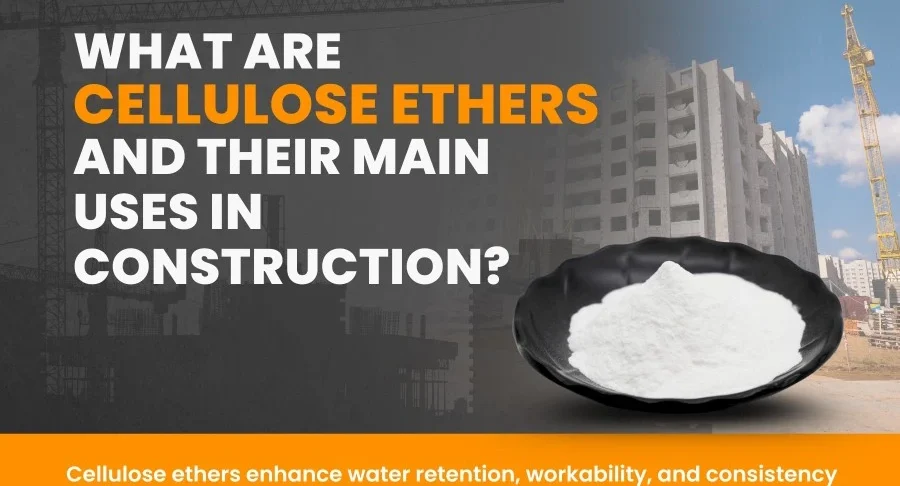
When we consider construction, we often envision bricks, cement, steel, and perhaps some machinery. However, beneath all that, there is a world of fine ingredients that have a huge influence in constr...
In the construction industry, concrete is the bedrock—figuratively and literally! Whether for a small home renovation or a major project, having concrete that is not only strong but also workable is...
Concrete has been an essential material for construction for hundreds of years. From small buildings to large skyscrapers, concrete is everywhere. However, did you know modern concrete is no longer ju...
The construction industry has changed considerably over the years, specifically in the adoption of chemicals to improve building materials, durability, and performance in general. Nonetheless, ther...
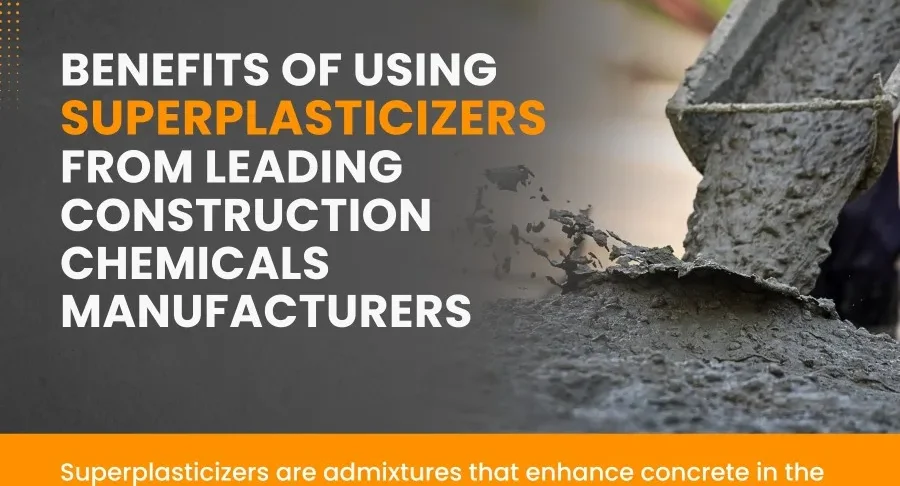
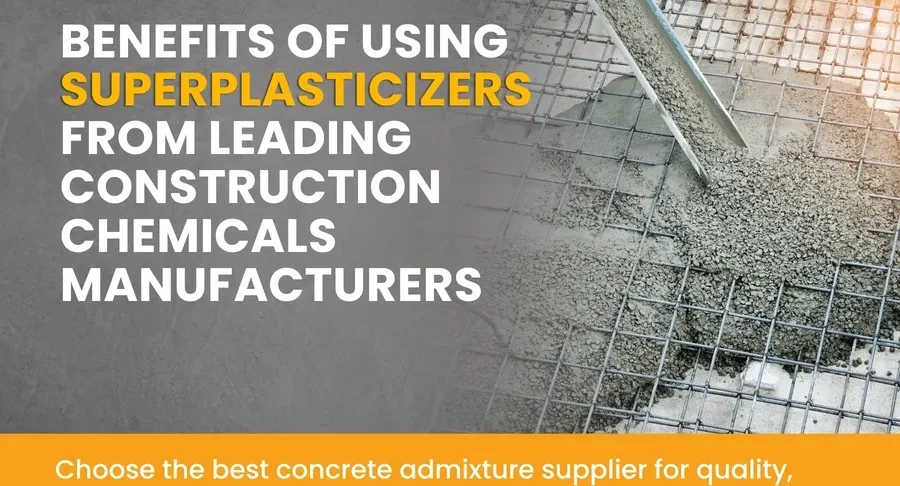
In modern construction, the quality of materials used affects the durability and strength of the structure. Superplasticizers are one of the most significant materials to enter the building industry i...
Concrete serves as the backbone of contemporary construction, being actively used in everything from highways to high-rise buildings. Consequently, there is a constant need to develop stronger, hi...
In an industrial context, the floor is much more than a walking surface. It is an important contributor to safety, durability, and efficiency in a space. The industrial floor must endure both heav...
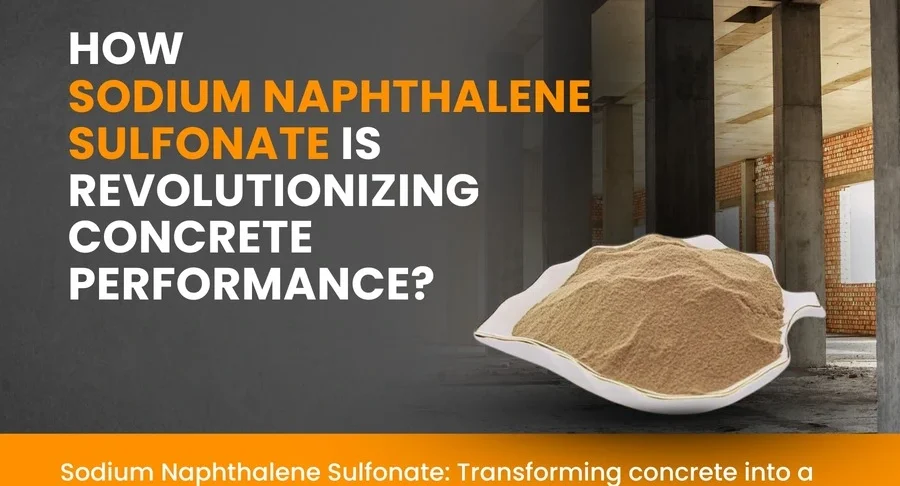
Innovation is an important part of construction – making improvements to the quality, sustainability, and efficiency of materials. An example of an evolutionary improvement in construction materials...
The construction industry is ever-changing with the development of new materials and chemical additives that improve the quality, durability, and efficiency of the build. One of the most important...
Corrosion has been a predominant issue impacting reinforced concrete schemes. With time, the steel reinforcement in concrete tends to corrode when exposed to water, salts, and other environmental fact...
The parameter one's concerned with concrete is its strength, durability, and performance. By using an appropriate concrete admixture in performing residential, commercial, and industrial projects, you...
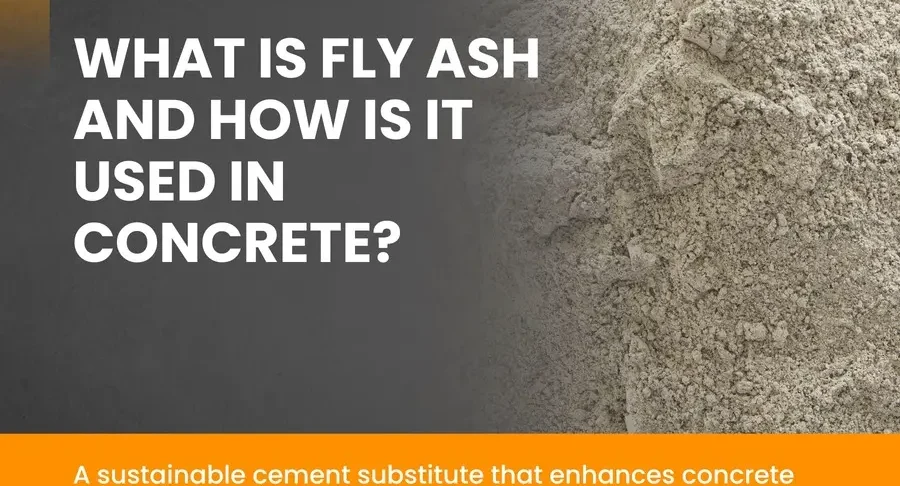
Fly ash is a fine, powdery byproduct produced from pulverized coal burned in power plants. Rather than being disposed of as waste, it is often reused in construction, particularly in concrete producti...
A construction project, whether it be residential, commercial, or industrial, is built upon a concrete foundation. It is the primary binding agent, and therefore strength and durability are important...
The strength and durability of concrete are essential to developing strong structures. Furthermore, different members of the construction field are continually searching for new techniques to improve...
The installation of tiles does not only mean having perfect tiles; the right tile grout should give that polished and lasting firm finish tile. But what is tile grout, and how will you make the right...
Concrete is the very backbone of modern construction - be it mountains of construction projects like skyscrapers, bridges, roads, or homes. Concrete has a role, and its strength, durability, and versa...
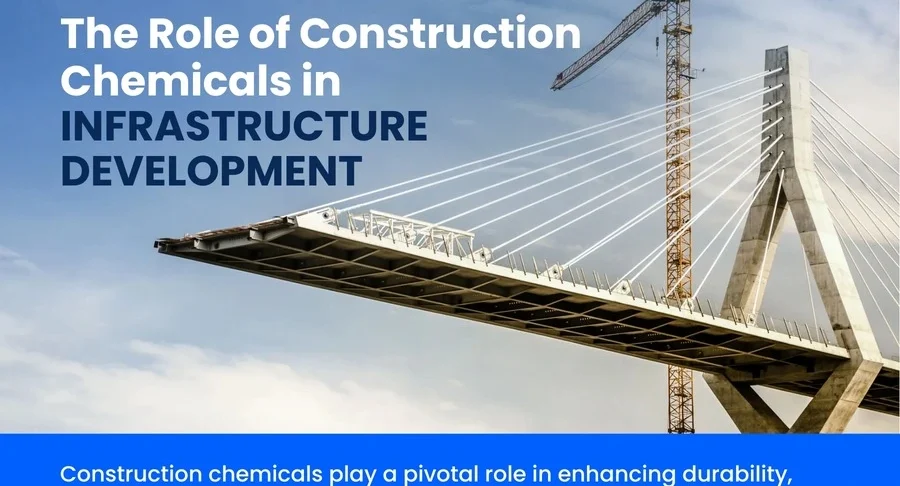
Infrastructure development is central to the state's progress and well-being of its inhabitants. Roads, bridges, highways, commercial buildings, public utility structures, and residential structures c...
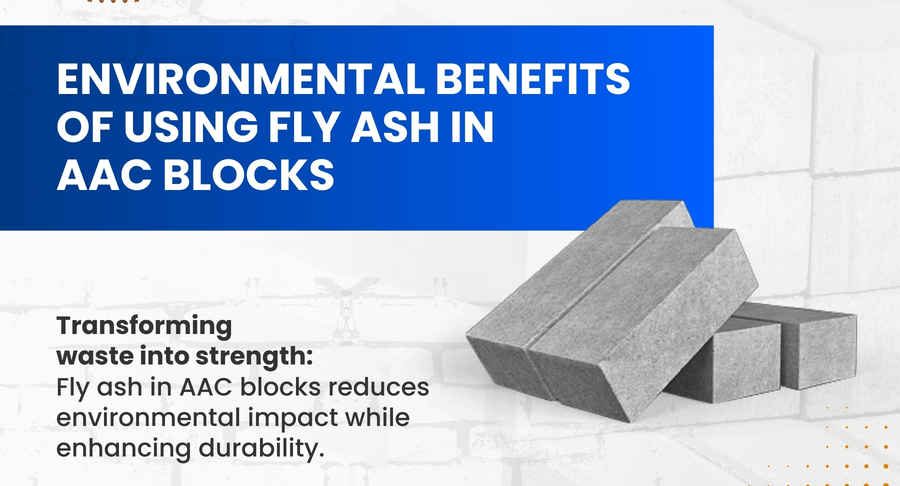
Sustainable construction is more of a contemporary concern today, and innovative building materials are leading the charge for this transformation. One such leading material is Autoclaved Aerated Conc...
Concrete requires constant protection from various abuses. The surface can develop line, slump, and crack due to wear and tear, exposure to weather conditions, or heavy loads. These damages can weaken...
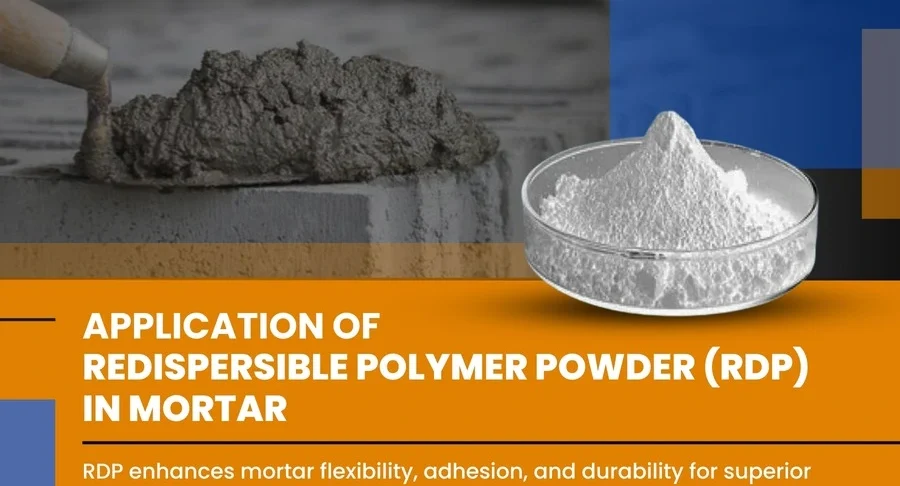
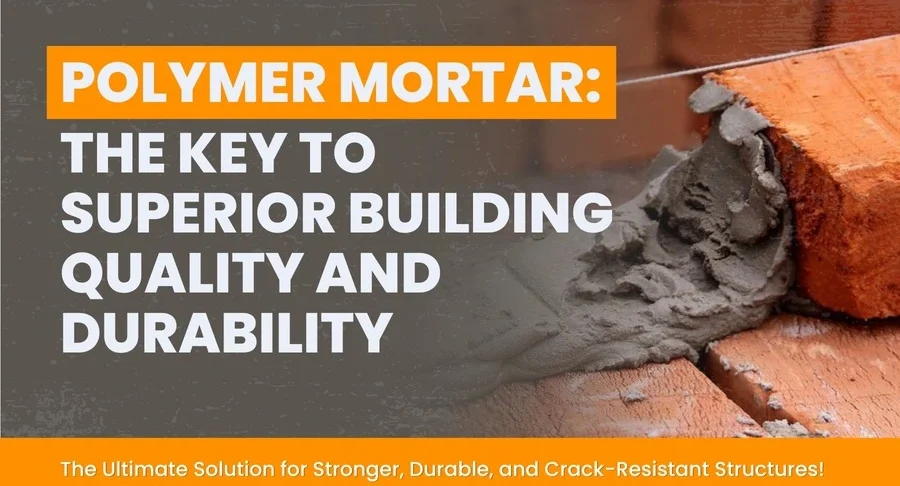
Introduction Mortars are the most essential components used in construction work; they are used in tile adhesives, plastering, and masonry. IntroductionWhat is Redispersible Polymer Powder?What...
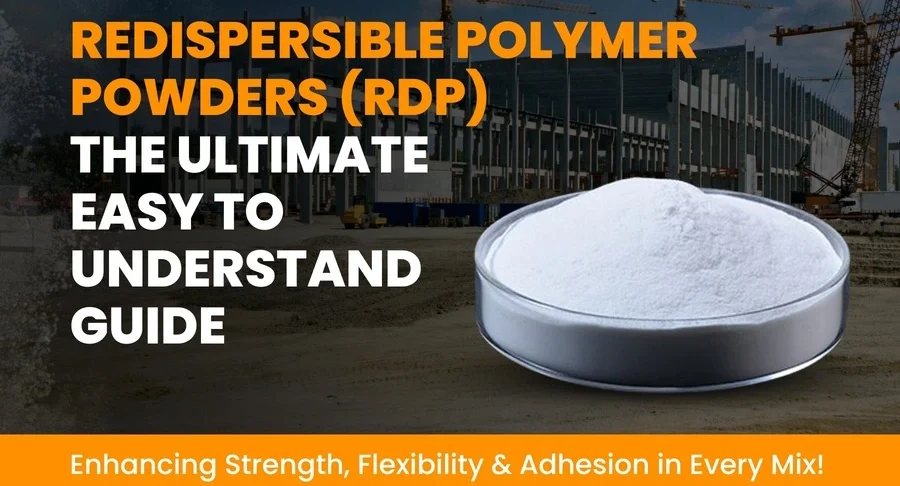
With advancements in the construction industry and material sciences. Redispersible polymer powder plays a vital role. Due to its versatility, It is widely used in cement and gypsum-based applicati...
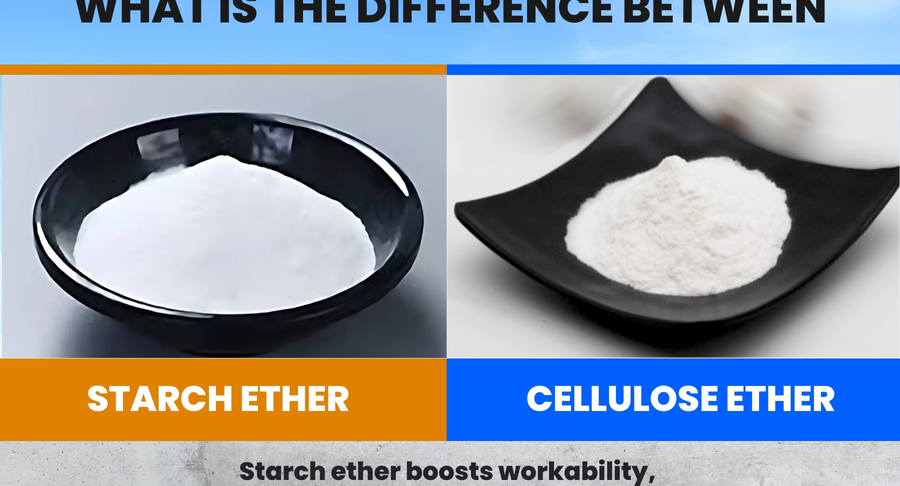
Starch ether and cellulose ether are two of the most used modified natural polymers in construction, pharmaceutical, food, and other industries. Although starch ether and cellulose ether belong to...
Hydroxypropyl Methylcellulose (HPMC) is a versatile type of cellulose either used widely in several industries, such as construction, pharmaceuticals, food, and cosmetics. Its unique abilities of...
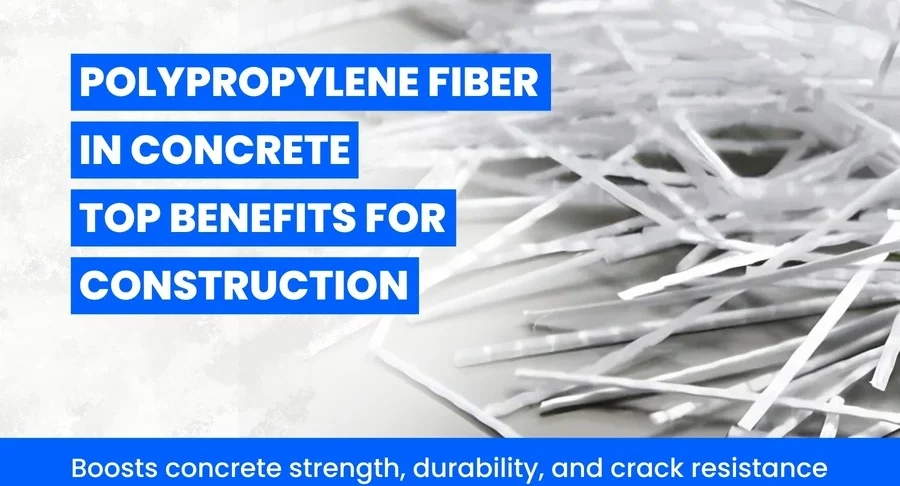
The recent years have witnessed a striking increase in the use of polypropylene fibers in concrete. The strength of polypropylene fibers to enhance the concrete properties more durable, flexible, and...
When it comes to renovation and construction of houses, the durability and longevity of walls are the biggest concern and it should be sturdy. One such great way of achieving that is through waterproo...
The construction industry has horsed on high-performance materials, leading to the creation of innovations that result in improved durability, strength, and workability for building materials. One...
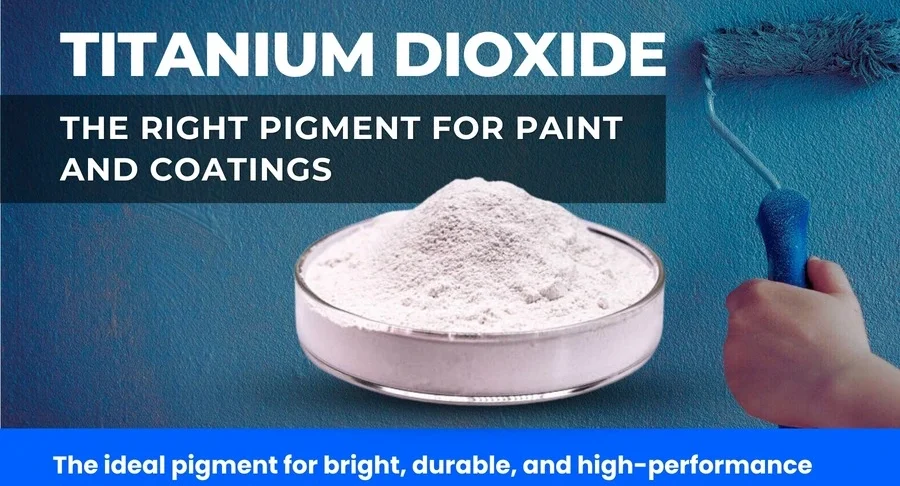
Titanium Dioxide(TiO₂) constitutes one of the most usually known and used chemicals within the paint and coatings industry. The attractive properties make it the most widely used-white pigment in th...