

In the construction industry, concrete is the bedrock—figuratively and literally! Whether for a small home renovation or a major project, having concrete that is not only strong but also workable is key to success. However, getting concrete just right can be difficult. This is where superplasticizers can help.
Table of Contents
Even though the name superplasticizer sounds like it comes from a science fiction movie (and maybe it does), they’re actually specialized chemical additive agents used in the modification of the concrete to make it better.
If you source superplasticizers through reputable construction chemicals manufacturers, you will see the results first-hand! As they say, helping illustrate the real benefits of using superplasticizers, especially when it’s obtained as high-quality material from seasoned producers.
What Are Best Superplasticizer for Concrete?
To cut through the jargon, superplasticizers are chemical agents added to concrete to enhance its flow and workability without the introduction of water, or simply increase the flexibility in terms of pouring and shaping the concrete, while being confident you still have a strong and stable final project.
They are also referred to as high-range water reducers, aka HRWRs, and have proven to be critical in modern construction.
Superplasticizers have grown in popularity because they can assist mitigate many difficulties that happen when working with the concrete mix. Builders, engineers, and contractors alike build structures of all scales with superplasticizers as a common thread.
And when these superplasticizers are manufactured by top construction chemicals suppliers, you will see another level of performance and reassurance.
1. Enhanced Workability
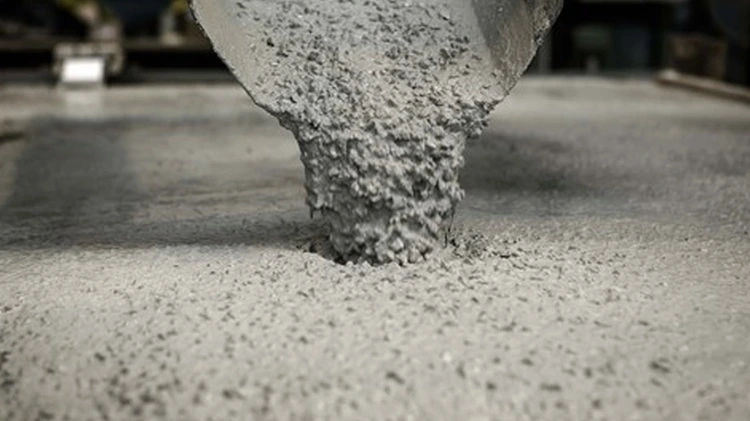
One of the biggest benefits of using superplasticizers is how much they enhance the workability of concrete.
The standard variable for increasing the flow of concrete is simply to add more water; but because more water will also be a detriment to the strength of the final product, this can become an issue.
Conversely, superplasticizers allow for concrete to stay fluid and workable without compromising on performance and strength which is especially advantageous for tight sites, complex forms, or intricate detailing.
2. Higher Strength Concrete
Less water equals denser, stronger concrete. Superplasticizers allow the reduction of the water-cement ratio, while providing the necessary workability.
This means higher early strength and final strength, which is critical for structures to carry additional loads or endure more abuse over the life cycle.
3. More Efficient Scheduling and Construction
Because superplasticizers increase setting times, and improve workability, it allows construction teams to complete concrete work faster. This means less rework, and delay; and a more quality end product.
When using recognizable chemical manufacturer products, you will be assured consistency in concrete performance; assuring reliable schedules, and smoother workflow on site.
4. Better Surface Finish
Superplasticizers assist in giving concrete a smooth, even placement. This means fewer air pockets, cracking, or defects on the surface of the concrete.
If you are working on decorative/exposed concrete finishes, such as driveways, floors, and facades, it can make a real difference visually.
5. Less Cracking and Shrinkage
Concrete with too much water has a tendency to shrink as it begins to dry, resulting in cracking. Superplasticizers minimize this risk by allowing for less water to be used, and therefore less shrinkage and fewer cracks over time.
Ultimately, this results in more durable concrete and one that ultimately requires less maintenance over time.
6. Saves Cement and Costs
Another good benefit is that superplasticizers also help reduce the amount of cement needed in a mix. Since the concrete becomes stronger with less water, the cement can be at a lower content without a loss in performance.
Again, by using superplasticizers, you can save significantly on cement costs, especially in large projects. As with anything dealing with construction, if you use reputable producers, their products should give you overall better value.
7. Compatibility with Other Additives
Leading manufacturers of construction chemicals make sure their superplasticizers are compatible with other concrete additives, like retarders, accelerators, and waterproofers. This means you can much more easily create the right concrete mix for a particular environment or project need.
8. Environmental Considerations
By permitting the use of less cement and water, superplasticizers help to reduce the environmental impact of concrete. Cement manufacturing is one of the world’s leading sources of CO₂ emissions; any gradual reduction can significantly affect the environment in the long run.
Eco-friendly superplasticizers from responsible manufacturers can positively impact the environment as well as your project.
Selecting the Right Manufacturer Matters
The superplasticizer will create the concrete mix, so a good or poor superplasticizer can make or break your mix. For this reason, you should always use products from reputable construction chemical manufacturers that follow stricter quality standards and quality assurance with a quality reputation.
Leading producers:
1. Use advanced R&D to develop safe and effective formulas
2. Provide technical support and recommendations on usage
3. Deliver dependable mix designs to enhance each batch
4. Implement worldwide safety and environmental standards
All of this guarantees that what you put into your concrete is reliable, effective, and safe.


Final Thoughts
The advantages of superplasticizers are evident—enhanced workability, higher-strength concrete, better finishing, and faster, more economical construction.
These benefits really matter when the product comes from a reputable and experienced manufacturer of construction chemicals. So, next time you plan a project, think beyond.

Sagar Telrandhe is a Construction Engineer with a B.Tech in Construction Engineering & Management. Passionate about infrastructure development, project planning, and sustainable construction, he specializes in modern construction techniques, project execution, and quality management, contributing to efficient and innovative building.