
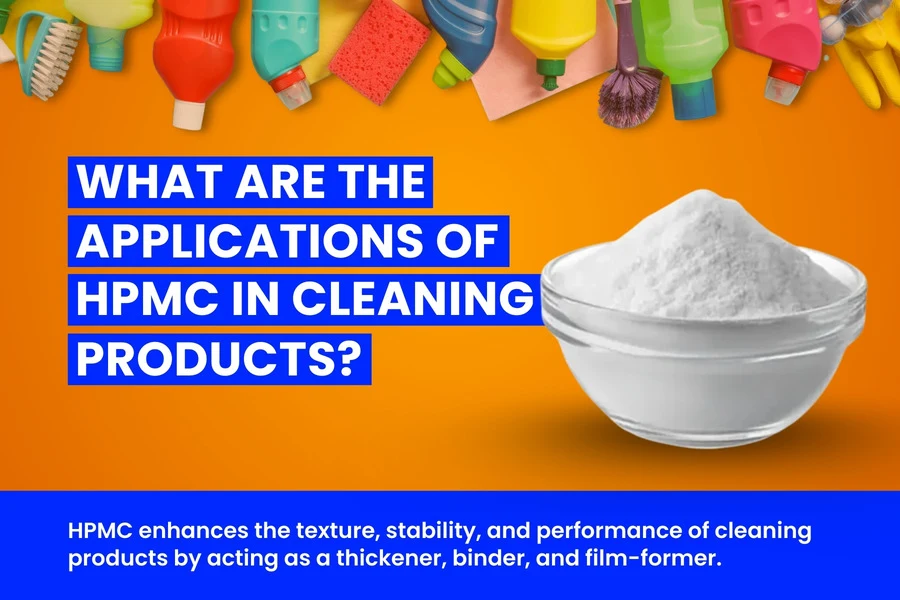
Understanding the Function of Hydroxypropyl Methylcellulose in Common Cleaning Solutions.
Table of Contents
We think of cleaning products and typically consider what they do, not what they are. Cleaning products remove stains, disinfect, and make our homes smell pleasant.
Cleaning products are often discussed regarding their performance, but what are we paying no attention to that helps them perform?
Hydroxypropyl Methylcellulose, or HPMC, is a common ingredient in cleaning products that we don’t pay much attention to, but it helps to make many household and industrial cleaning products what they are.
This multifunctional ingredient affects everything from how our dish soap pours to how our glass cleaner stays on the surface of our appliance.
In this blog, we’ll look at HPMC in cleaning products in a more meaningful, human way to understand the applications of HPMC, why it is used, and how it enhances the cleaning product experience.
What Is HPMC?
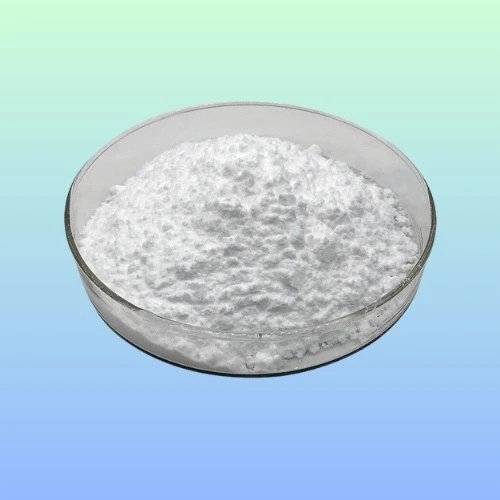
Let’s begin with the fundamentals. HPMC refers to Hydroxypropyl Methylcellulose, a semi-synthetic polymer that is water soluble and is a derivative of cellulose, the natural material found in the walls of plant cells.
HPMC has many applications in a variety of industries, including construction, food, pharmaceuticals, and cosmetics, but for our purposes, the most important industry iscleaning products due to its many (ideal) properties noted for thickening, binding, film-forming, and stabilizing.
The unique feature of HPMC is that it can perform in a water or solvent-based system. HPMC does not dissolve and disappear; it modifies the behavior of the liquid, enabling it to work better in different environments.

Why is HPMC Used in Cleaning Products?
Before unpacking specific applications, let us take a brief look at some reasons why manufacturers use HPMC in cleaning products.
- Thickening Agent: HPMC thickens water-based materials while maintaining the non-greasy, non-stick nature of ingredients. This gives gels, sprays, and other products a good, even consistency.
- Film-Forming Property: HPMC produces a thin film when applied to a surface, allowing cleaners to adhere to surfaces longer for more effective cleaning.
- Improved Spreadability: HPMC improves the overall spreadability of a product on a surface, thereby providing a more uniform coating.
- Eco-Friendly and Non-Toxic: HPMC is derived from natural cellulose, is biodegradable, is non-toxic, and is a safe ingredient for home use.
Having outlined what HPMC does, let’s review its real-world applicability in manufacturing cleaning products.
1. Surface Cleaners
The most common use of HPMC in cleaning products is in multi-surface and hard surface cleaners. Think kitchen sprays, bathroom tile cleaners, and all purpose disinfectants.
Role of HPMC:
A rheology modifier. It affects the flow and thickness of the liquid.
It helps the cleaning solution adhere to vertical or inclined surfaces, providing better contact time and cleaning effectiveness.
It reduces dripping and waste.
Real Life Implication:
For example, have you ever noticed that your kitchen spray doesn’t immediately drip down the wall? Typically, that is because of HPMC. It holds the cleaner in place long enough to dissolve grease, thus doing most of the work for you.
2. Glass and Mirror Cleaners
There is a small joy in life to see streak-free and clear windows and mirrors. Unfortunately, obtaining that effect requires chemistry and HPMC is commonly a part of that formula.
Role of HPMC:
Create a clear film on the glass surface that dries streak-free
Aids in evenly distributing a cleaning solution
Helps wet the surface so the liquid spreads uniformly
Real Life Implication:
HPMC allows you to not scrub too hard to remove residue. It reduces the film and streaks, thus providing you with sparkling glass without the elbow grease.
3. Dishwashing Liquids and Detergents
HPMC plays a role in consistency and performance in manual and automatic dishwashing products.
Role of HPMC:
Acts as a thickening and stabilizing agent that delivers that thick, rich feel in dish soap.
Suspends microbeads, fragrances, and other particulates.
In the case of automatic dishwashing powders or tabs, it helps control the release of active ingredients.
Real-World Impact:
That thick, easy-to-handle dish washing liquid that you know doesn’t run-off the sponge the first instance? HPMC probably helped achieve that smooth texture.
4. Floor and Tile Cleaners
Floor cleaners must effectively clean dirt while enabling the user to rinse. HPMC helps optimize this task.
Role of HPMC:
Improves the spreadability of the cleaner over large areas.
Controls foaming and viscosity for even mopping.
Binds ingredients and avoids settling.
Real-World Impact:
Your mop works smoothly along the floor and leaves a consistent sheen with no clumps, and no streaks. That’s HPMC working behind-the-scenes.
5. Laundry Detergents (Liquid and Pods)
Although most of us throw detergent into the machine and hit “start”, professional chemists and formulators are working behind the scenes to formulate these products. HPMC is often part of the product.
Role of HPMC:
In liquids, it provides a smooth, consistent texture.
In pods, it acts as a binder and helps create the outer film.
In liquids, it helps achieve maximum dispersion of actives in water.
Real-Life Impacts:
In essence, it prevents gelling, clumping, and uneven distribution of cleaning effectiveness by keeping all ingredients stable and uniform in dispersion.
6. Toilet Bowl Cleaners
Products that can thicken and cling to the sides of the toilet bowl where the magic happens? All that thickness likely comes from polymers like HPMC.
What does HPMC do in Borax toilet bowl cleaners?
Fasten the cleaner to the sides of the bowl rather than allowing it to run down the bowl.
It allows for increased dwell time so active ingredients have time to work.
It allows for a slow, night, and even curtain down the vertical surfaces underneath the rim.
Real-Life Impact:
This is a good or pleasant drug use feature so that the toilet is actually more clean, does not smell worse than before, and requires less scrubbing action.
7. Industrial and Institutional Cleaners
For cleaning products used in commercial environments like hospitals, hotels, and restaurants, the products should have some key aspects related to performance: they should be quick acting, have a residual effect, and be safe to use.
Function of HPMC:
Provides formulation stability during transport and storage.
Helps with the suspension of abrasive particles or disinfecting ingredients evenly in the formulation.
Provides reliability of performance in large cleaning applications.
Real Life Implications:
For a professional cleaning crew, consistency is important so HPMC guarantees that every batch of cleaner works the same way, every time.
Environmental and Safety Features
Aside from performance, there is a growing desire for sustainability and safety in cleaning products, and HPMC fits the bill.
Biodegradable – It will revert to a natural state in the environment, not harming it.
Non-Toxic – Safe for home or workplace use.
Skin safe – in a properly formulated product, no skin irritation.
In a world that is more conscious of what we use in our homes and down the drains, ingredients like HPMC can go a long way for consumers looking for piece of mind.

Conclusion
The next time you spray your window cleaner, pour dish soap on a sponge, or mop your kitchen floor, think about HPMC’s quiet, but essential role. It doesn’t just sit there in the background—it is the magic ingredient that changes the way cleaning products act, feel, and work.
In everything from thickening and stabilizing to spreading and suspending, HPMC plays a myriad of functions in cleaning products and it proves to be very useful. It allows manufacturers to make things effective, good feeling, and green.
So sure, it’s not the icon on the label—but behind every good cleaner, there’s a smart formulation. More often than not, Hydroxypropyl Methylcellulose is playing the critical role in that formulation.

Sagar Telrandhe is a Construction Engineer with a B.Tech in Construction Engineering & Management. Passionate about infrastructure development, project planning, and sustainable construction, he specializes in modern construction techniques, project execution, and quality management, contributing to efficient and innovative building.