
Many construction, industrial, and decorative applications have relied on water-based coatings for their lower VOCs, environmental safety, and easy handling.
They do have some disadvantages, such as foam formation, which has been a long-standing issue affecting both how these coatings are produced and how well the coating is applied to any surface.
Table of Contents
While at first, foam may not seem like a problem, it can significantly impact the performance, surface appearance, and quality of water-based coatings.
The use of defoamers in the manufacturing of water-based coatings allows manufacturers to develop coatings that will give them better processing capabilities as well as high-quality final products.
The Use of Defoamers in the Production of Water-Based Coatings
Water-based coatings use additives such as surfactants, dispersing agents, emulsifying agents, and thickeners. These additives improve the dispersion of pigments, stability of the coatings, and performance when using the coating.
However, by using these additives, the overall surface tension of the coating is greatly reduced, which increases the likelihood of foam forming.
The presence of foam can greatly limit how effectively a manufacturing facility produces water-based coatings. In addition to the overflow and slower production times resulting from having foam in the manufacturing process, foam can cause many defects on the coating’s surface, including, but not limited to, pinholes, craters, and fish eyes.
Furthermore, the presence of foam in the manufacturing of water-based coatings leads to losses due to an increase in rejects, making it difficult to produce consistent film thicknesses, and poses an environmental and safety hazard through spillage.
Therefore, adding a defoamer to the production of water-based coatings is not an option; it is a requirement that every manufacturer must consider.
Causes of Air Bubbles in Water-Based Coatings
The generation of foam in water-borne coating systems can arise at several different stages throughout the manufacturing and application processes.
1. Mechanical agitation
Such as high-speed mixing, grinding, dispersion, etc., creates very low viscosity conditions and therefore has the potential to introduce large amounts of air into the coating system; when air enters the system, it creates bubbles which will exist due to a decrease in the system’s free energy.
2. Surfactants and Dispersants
Wetting agents, emulsifiers, and dispersing additives lower the surface tension of the coating system, stabilising the air bubbles and making it difficult for them to break.
3. Thickening Agents
Increased viscosity around the bubbles caused by thickening agents contributes additional strength to the foamed structure, resulting in bubbles collapsing at a much slower rate than if there were no thickened liquid surrounding them.
Factors Affecting Foam Stability
The stability of foam is primarily affected by multiple interdependent factors, including:
- The viscosity of the system.
- Surface tension of the liquid phase.
- Surface viscosity of the foam film, the chemical structure of the surfactants.
- Marangoni effect (the production of surface tension gradients) and
- Elastic response of the foam films.
Other factors that affect foam stability include: the temperature, pH, rates of evaporation, bubble size, and interactions among the various components of the formulation.
Of all the factors that affect foam stability, the elasticity of the foam film appears to have the greatest influence on how long foam remains stable.
How Defoamers Work in Water-Based Coatings?
Foam is thermodynamically unstable. Given the right conditions, it naturally wants to collapse. Defoamers accelerate this process by disrupting the mechanisms that keep foam intact.
Core Defoaming Mechanisms
- Destroying foam film, making bubbles unable to sustain pressure.
- Promoting liquid drainage from the bubble wall.
- Lowering local surface tension causes film rupture.
- Displacing surfactants that stabilize the foam.
Some low-molecular defoaming agents, such as alcohols or ethers, dissolve into the surfactant layer and weaken its stabilizing effect. This causes the foam to thin and collapse rapidly.
Composition of Defoamers
A defoamer is not a single chemical—it is a carefully balanced formulation designed to work efficiently in complex coating systems.
Key Components and Their Functions
- Active Substances:
Responsible for breaking foam (e.g., silicone oils, polyethers, higher alcohols) - Carriers:
Help disperse the active ingredients uniformly throughout the system - Emulsifiers:
Allow the defoamer to spread quickly across foam surfaces - Emulsification Additives:
Improve stability and viscosity, sometimes using hydrophobic silica or polyvinyl alcohol
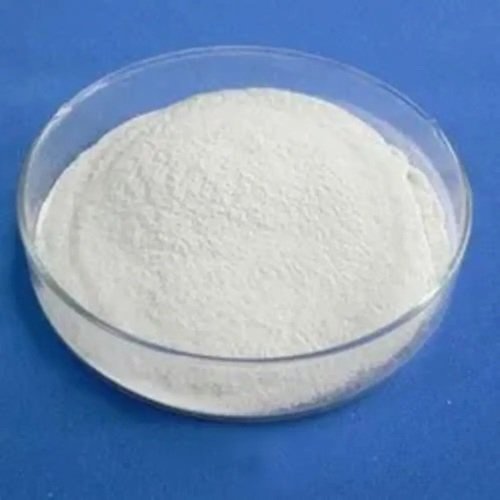
In dry systems or powdered formulations, Defoamer Powder is used, offering controlled release and long-term foam suppression in water-based coating formulations.

Reaction Mechanism of Defoamers
Once added to a coating system, the defoamer moves to the foam surface and spreads rapidly on the foam wall due to its low surface tension, disrupting the interfacial properties and weakening the foam network through an increase in the liquid drainage rate, a decrease in the viscosity of a film formed on the foam, and the existence of localized differences in surface tension causing ruptures in the bubbles.
How each defoamer works differs, as
- Some cause faster drainage of liquid while
- Others cause a lower viscosity of the surface;
- Some defoamers cause localized differences, causing rupture in the foam wall.
Each defoamer’s method of action depends on whether it can effectively match the type of defoamer used to the particular coating system.
Application of Defoamer with Water-Based Coatings
To achieve maximum performance from the defoamer when combined with water-based coatings, the manufacturer will have to plan its application carefully to ensure that the defoamer does not degrade the quality of the coating.
Types of Defoamers
1) Mineral Oil and Wax-Based Defoamers
High defoaming capability, little compatibility with other products, may interfere with clarity and gloss, used mostly in high-PVC industrial primers.
2) Silicone-Based Defoamers
Excellent foam control, high thermal stability, low use levels required, not to be used in highly acidic or alkaline environments because of the risk of demulsification.
3) Polyether-Based Defoamers
Very compatible, minimal effect on gloss, moderate to low level defoaming potential, suitable for varnishes and high-gloss finishes.
4) Blended Defoamers
Provide a balance between compatibility and defoaming capability, both eliminate defects from coatings, broad range applications, typically are not intended for use in final topcoats.
Selecting the Right Defoamer
When it comes to choosing a defoamer, the following are some key factors to consider:
1. The required strength of defoaming action.
2. Storage and processing stability.
3. Compatibility with the various resins and additives used in your product.
4. No interference with the ability to recoat or adhere to surfaces.
5. No adverse effects on the gloss finish or physical properties of the finished film. The final selection of a defoamer must be validated through laboratory and manufacturing testing.
Dosage Guidelines for Defoamers
Dosage levels for defoamers will depend on the viscosity of your coating system as well as your formulation. The following are typical dosages:
1-0.01% to 0.2% for low viscosity, water-based paints.
2-0.3% to 1.0% for high viscosity latex paints.
3- About 0.1% for other water-based coatings.
Typically, part of the defoamer will be added while grinding or dispersing the coating material, with the balance being added at the time of final mixing, allowing for continued control of foam development.
Best Practices and Application Precautions
The following are guidelines for ensuring successful results from applying defoamers:
- When determining the appropriate dosage, you should also consider how you’re applying the defoamer (Rolling the defoamer in introduces excess air compared to spraying).
- Compatibility of the defoamer with your coating system must be verified to preclude issues such as turbidity, floating, or color changes.
- DEFOAMERS: Defoamers must be thoroughly mixed before use. Defoamers can separate during storage and should be mixed this way regardless of their chemical makeup.
- Select Defoamers that have High Resistance to Temperatures during the Synthesis of Resins.
- Use DEFOAMER chemistry that is the same as the pH of the system to avoid demulsification and ensure stability.
Why Sakshi Chem Sciences Is a Trusted Partner?
Sakshi Chem Sciences has built a reputation for being a reliable partner in the coating industry by producing Defomers specifically designed to meet coating challenges. In addition to Product Quality control, Sakshi Chem Sciences has the most advanced R&D capabilities.
Sakshi Chem Sciences offers Manufacturers four essential advantages:
1. Dependable Foam Control.
2. Consistent Coating Quality.
3. Increased Production Efficiency.
4. Cost-Effective Performance.
Sakshi Chem Sciences has a strong presence on the world stage and provides manufacturers with Exceptional Technical Expertise and Reliable Products.
Conclusion
In Conclusion-Issues regarding Foam Control will create high-quality and defect-free water-based Coatings. Without Effective Control of Foam, many issues can reduce productivity and affect appearance and performance.
The Application of Defoamers to Water-Based Coating Solutions will Allow for Improved Processing Capability, Surface Finish, and Consistent Performance.
Selecting the Correct Type of Defoamer and Its Dosage and Application is Crucial to Achieving Consistent Results-whether in the case of Liquid Defoamers or Defoamer Powder for Dry Formulations.
With scientifically developed solutions and industry-focused support, Sakshi Chem Sciences continues to help coating manufacturers overcome foam-related challenges and deliver superior products with confidence.

Sandip Agrawal, Polymer Engineer and MD of Sakshi Chem Sciences Pvt. Ltd., leads innovation in construction chemicals, shuttering oils, and industrial lubricants. With expertise in polymer science and eco-friendly solutions, he drives R&D and sustainable advancements, ensuring high-performance products for India and global markets.