
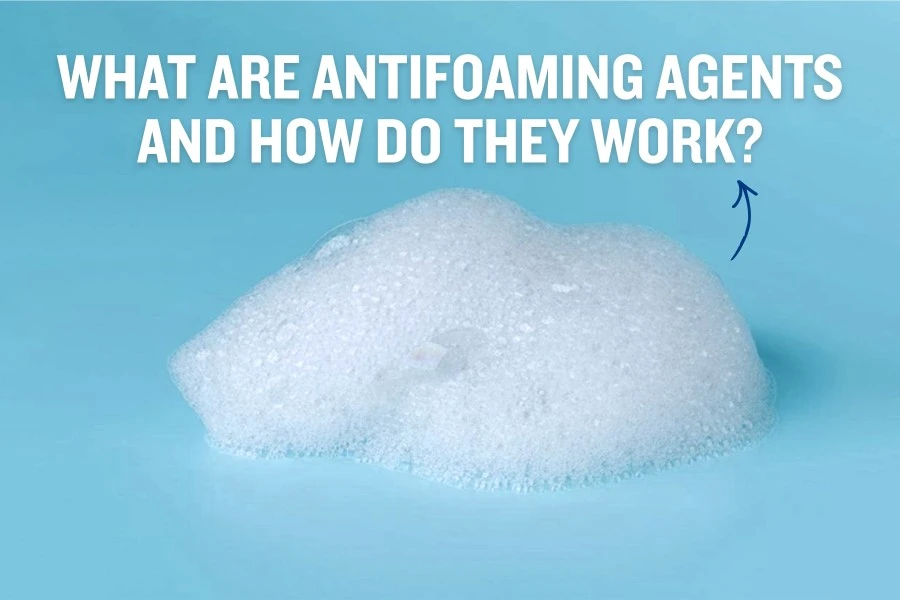
To understand the relationship between foam control and science in today’s manufacturing environment, we first have to recognize foam as one of the many issues faced by the manufacturing industry when dealing with liquids that are mixed, pumped, stirred, or processed quickly.
Foam production will hinder the overall rate of production and decrease the efficiency of the manufacturing process, which, in turn, would ultimately negatively impact product quality and handling of all products in question.
Many other things could be affected, such as damaging manufacturing equipment and creating potentially dangerous working conditions.
Table of Contents
As a result, antifoaming agents serve a fundamental role in controlling foam while also helping to keep the manufacturing process running smoothly and properly.
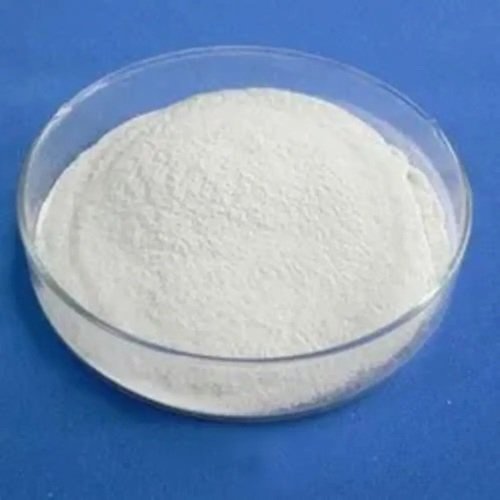
Sakshi Chem Sciences manufactures some of the highest-quality antifoaming agents, including our highly preferred ADDAGE defoamer, designed to help control and eliminate foam in a variety of industries.
What Are Antifoaming Agents?
An antifoam, or antifoaming agent, is a specialty chemical used as an additive to a liquid to control and/or eliminate foam production.
Despite their outwardly harmless appearance, foam produces an obstruction beneath itself, disrupting crucial manufacturing processes.
Antifoams serve many different functions in controlling foam production and include:
1. Diminishing surface tension.
2. Effectively collapsing all foam bubbles at once.
3. Ensuring that newly produced foam does not stabilize and/or settle down.
4. Being able to disperse evenly over the entire liquid surface.
To be effective, an antifoam should:
1. Be chemically insoluble.
2. Provide quick action.
3. Provide a quickly dispersive nature to assist in properly stabilizing new foam creation.
4. Remain stable when agitated or disturbed.
This is why industries rely on specialized formulations, everything from silicone-based defoamers to oil-based, water-based, and polymer-based systems.
How Do Antifoaming Agents Work?
When air is trapped in a liquid, a film of surfactants or impurities surrounds the trapped air to form foam, the air trapped in the bubbles is what gives foam its shape and elasticity.
This film helps keep the bubbles stacked and stable, so they can build up and create disruptions to the liquid as a whole.
Antifoams disrupt foam in two important ways:
1. Defoamers break down existing foam (defoam)
Antifoams penetrate the foam wall of existing bubbles, weakening the structure of the walls and instantly causing the bubbles to burst. That is why properly formulated defoamers collapse the foam at the moment of contact.
2. Antifoams prevent foam from forming (antifoam)
The antifoam forms a thin layer across the surface of the liquid, making it difficult for stable bubbles to form. The antifoam keeps the system calmer and cleaner longer.
Our Addage defoamer is designed to do both: to quickly knock down foam and to provide long-term foam control.
The Importance of Foam Control
Uncontrolled foam has a series of complications:
- Production delays due to overflowing tanks or blocked pipes.
- Decreased product quality for paints, food products, adhesives, and coatings.
- Filling inaccuracies in the packaging industry.
- Equipment damage caused by cavitation or fluctuating pressure levels.
- Higher maintenance fees due to corrosion or material buildup.
For industries running at high speeds and tight schedules, foam is much more than an operational inconvenience, it is a direct cost factor.
Benefits of Using Antifoaming Agents
The right choice of Antifoaming Agents will provide the following benefits:
A reduction in Operational Costs
Antifoams can help reduce the amount of wasted materials and time by avoiding ingesting overflows.
Longer Equipment Life
Foam can cause mechanical wear on pumps and vessels as well as cavitate and corrode pipelines; therefore, antifoams provide increased mechanical stress relief to pump, tank, and pipeline systems.
Improved Process Efficiency
With improved flow rates, filtration methods, and uninterrupted production, manufacturers can produce more products.
Improved Quality of the Finished Product.
Foam in manufacturing processes negatively affects the gloss of paint products, the texture of food products, and the final appearance of adhesive materials; thus, using products without the presence of foam will give you a better finished product.
Compliance and Safety
Due to regulatory requirements and sanitary conditions in food manufacturing and water treatment facilities, controlled foam level monitoring is critical.
Our formulations, manufactured at Sakshi Chem Sciences provide the best possible foam control with the lowest dosage possible, economical, reliable, and tailored for your application.

Where Are Antifoaming Agents Used?
Antifoaming Agents are utilized across many industries, and some examples include:
1. Paints and Coatings
Pigment and resin mixing causes foaming, negatively affecting the finish quality.Therefore, antifoams create smooth, uniform, and bubble-free paint products.
2. Water Treatment and Wastewater Treatment
Aeration Tanks, Biological Reactors, and Filtration Systems have significant foaming problems, and defoamers maintain a consistent flow rate and reduce foaming overflow.
3. Food Manufacturing
Beverages, Oils, Sauces, and Dairy Products naturally produce foaming during the manufacturing process; therefore, you should use food-grade antifoams to improve the texture and consistency of food products.
4. Adhesives & Sealants
Foam traps air in the mixture, weakening bond strength. Antifoams maintain a dense, uniform film.
5. Paper & Pulp
Pulp washing and bleaching generate foam that affects output quality. Defoamers streamline the entire system.
6. Chemical Manufacturing
Batch reactors, blending tanks, and polymerization units require foam control for safe and stable operations.
7. Fermentation & Ethanol Production
Foam reduces efficiency in fermentation processes. Antifoams protect the yield and equipment.
Our Addage defoamer line includes solutions tailored for each of these environments, ensuring optimal foam suppression.
Conclusion
Foam may seem harmless, but in industrial processes, it can cause serious inefficiencies and damage. Antifoaming Agents are essential tools that keep systems running smoothly by breaking down foam and preventing it from returning.
With high-performance solutions like Addage defoamer, industries can improve operational efficiency, extend equipment life, and maintain consistent product quality.
At Sakshi Chem Sciences, we combine innovation, expertise, and strict quality control to deliver antifoam additives that meet the exact demands of modern manufacturing.

Sagar Telrandhe is a Construction Engineer with a B.Tech in Construction Engineering & Management. Passionate about infrastructure development, project planning, and sustainable construction, he specializes in modern construction techniques, project execution, and quality management, contributing to efficient and innovative building.