
Concrete is a key factor in constructing many types of infrastructure. Due to these reasons, structures typically rely on concrete for both compressive strength and durability.
However, there are many other time – dependent properties that must be taken into consideration when performing analysis/assessment of concrete elements, including shrinkage, creep, etc.
All of these time – dependent properties can adversely affect the serviceability and durability of the structure if not accounted for correctly.
Table of Contents
To enhance how concrete performs, a lot of people incorporate supplementary cementitious materials (SCMs) into the concrete mix, with silica fume being the most commonly used.
As such, understanding how silica fume affects the shrinkage and creep behavior of concrete is critical for engineers and builders who are developing durable, high performance structures.
At Sakshi Chem Sciences, we develop advanced construction chemical solutions that improve the behavior of concrete while meeting international specifications for quality and durability.
The Role of Silica Fume in Concrete
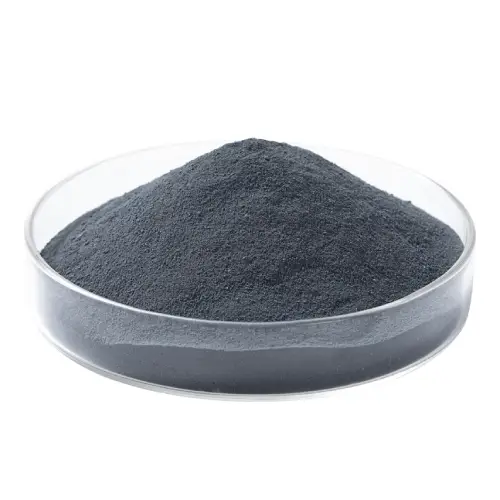
Silica fume is an extremely fine, pozzolanic material that is produced from the manufacture of silicon and ferrosilicon alloys.
Silica fume is highly reactive because of its small particle size and high silica content. The silica fume reacts with calcium hydroxide that is released during the hydration of cement.
This pozzolanic reaction results in the formation of additional calcium silicate hydrate (C-S-H), which is responsible for concrete strength and density. As a result, silica fume significantly improves:
- Compressive and tensile strength.
- Resistance to chemical attack.
- Permeability and durability.
- Microstructural density.
These improvements directly influence how concrete behaves under shrinkage and sustained loads.
What Is Concrete Shrinkage?
Concrete goes through a process of volume reduction during its curing and hardening. This is an inherent characteristic of the concrete material; however, depending on the cure and quality of consolidation, if an excessive amount of volume reduction takes place, concrete may suffer from cracking issues and durability problems in the long run.
The volume loss that occurs within concrete during the curing process occurs through the following:
- When water evaporates from hardened concrete, it leads to a decrease in volume (drying shrinkage).
- During the hydration process, concrete uses internal water and creates an additional volume loss (an “autogenous” shrinkage).
- When caCO2 (carbon dioxide gas) in the atmosphere reacts with free calcium hydroxide (Ca(OH)2) from concrete, it creates an additional amount of volume loss (carbonation).
To minimize the occurrence of excessive volume loss (shrinkage) in the concrete, the mix design used for high-strength and low water-to-cement ratio concrete must be closely monitored.
The Effect of Silica Fume on Concrete Shrinkage
Silica fume’s major influence on concrete’s volume loss (shrinkage) can be seen in its effect on overall shrinkage behavior. Several mechanisms providing this influence are listed below.
Reduced Drying Shrinkage
Silica fume has ultra-fine particles that fill the micro-voids between the cement grains, thus creating a denser cement matrix. Because of this denser matrix, the capillary pore size reduces and thus limits the movement of moisture within the concrete thus reducing the shrinkage due to drying.
Improved Internal Water Distribution
Silica fume enhances the internal distribution of water in the hardened concrete by denaturing free water in the mix through pozzolanic reactions. By reducing free water in the concrete mix, the amount of moisture loss is controlled, thus helping to minimize overall volume reduction over time.
Enhanced Microstructure Stability
By strengthening the paste-aggregate bond and reducing porosity, silica fume lowers the likelihood of microcrack formation caused by shrinkage stresses.
While high silica fume content may slightly increase autogenous shrinkage in very low water–cement ratio mixes, this effect can be effectively controlled using proper curing methods and complementary admixtures.
What Is Concrete Creep?
Creep is the gradual, long-term deformation of concrete under sustained load. Unlike shrinkage, creep occurs even when moisture conditions remain constant. Over time, creep can lead to:
- Increased deflection in beams and slabs.
- Redistribution of internal stresses.
- Long-term serviceability issues.
Creep is especially critical in tall buildings, bridges, and prestressed concrete structures.
The Effect of Silica Fume on Concrete Creep
The influence of silica fume on creep behavior is complex and depends on mix design, curing conditions, and dosage. However, most research and practical applications show positive outcomes.
Reduced Creep Due to Higher Strength
Concrete containing silica fume develops higher early and long-term strength. Higher-strength concrete typically exhibits lower creep because the denser microstructure resists deformation under load.
Improved Paste Stiffness
The additional C-S-H formed due to Micro Silica increases stiffness within the cement paste, reducing the material’s tendency to deform over time.
Enhanced Aggregate-Paste Bond
A stronger interface between aggregates and cement paste helps distribute sustained loads more efficiently, minimizing long-term deformation.
In some cases, improper curing or excessive silica fume content may increase early-age creep. This highlights the importance of balanced mix design and controlled curing practices.
Advantages and Limitations of Using Silica Fume
Advantages
- Reduces drying shrinkage and crack formation.
- Improves long-term creep resistance.
- Enhances durability and impermeability.
- Supports high-performance and high-strength concrete.
Limitations
- Increases water demand if not paired with plasticizers.
- Requires proper handling due to fine particle size.
- Higher material cost compared to ordinary cement.
When used correctly, the performance benefits far outweigh these challenges.

Real-World Applications of Silica Fume Concrete
Silica fume has been successfully used in major infrastructure projects worldwide due to its positive impact on shrinkage and creep.
- Offshore platforms: Improved resistance to marine exposure and long-term deformation.
- Long-span bridges: Reduced creep ensures better structural stability over decades.
- High-rise buildings: Controlled shrinkage minimizes cracking and deflection.
- Mass concrete structures: Lower permeability and improved durability.
These applications clearly demonstrate the value of understanding the Silica Fume on the Shrinkage and Creep of Concrete in real construction scenarios.
Conclusion
The Silica Fume on the Shrinkage and Creep of Concrete plays a vital role in improving the long-term performance of modern concrete structures. By refining the microstructure, reducing porosity, and enhancing strength, silica fume helps control shrinkage-related cracking and limits creep-induced deformation under sustained loads.
When combined with proper mix design, curing practices, and quality control, Micro Silica becomes an indispensable component in high-performance concrete systems. Through advanced research, testing, and manufacturing capabilities, Sakshi Chem Sciences continues to support the construction industry with reliable solutions that enhance durability, safety, and structural integrity worldwide.

Sagar Telrandhe is a Construction Engineer with a B.Tech in Construction Engineering & Management. Passionate about infrastructure development, project planning, and sustainable construction, he specializes in modern construction techniques, project execution, and quality management, contributing to efficient and innovative building.