Description
Hydroxypropyl Starch Ether offers numerous advantages due to its unique properties, such as thickening in solution, excellent water solubility, stability in suspensions or glue solutions, colloid protection, film-forming ability, water retention, and bonding capabilities. HPA made by Sakchi Chem Sciences Pvt Ltd is designed from nontoxic compounds which are odorless and biocompatible.
It is extensively used in a wide range of cement and gypsum-based interior and exterior wall putty powders. It also works best for tile adhesives, stone binders, facing mortars, plastering mortars, and external wall thermal insulation systems. Beyond construction, it finds applications in building materials, detergents, textiles, papermaking, food, cosmetics, coatings, and various other industries.
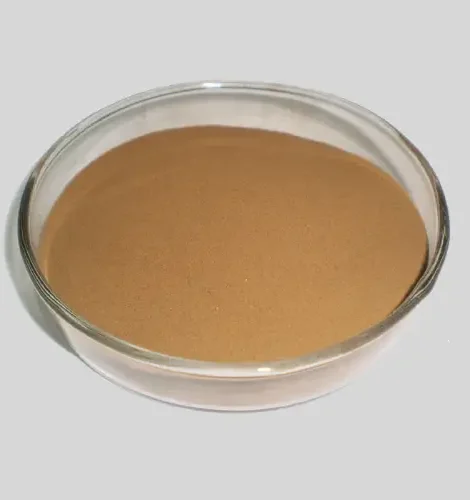
In terms of its technical specifications, Hydroxypropyl Starch Ether is available in powder form and appears white. The pH of the powder ranges between 7 to 9 and has a moisture content of a maximum of 10%. The viscosity of this product ranges from 1200 to 1600 m.Pa.s.
It is advised to add HPS within a range of 0.05% to 0.15%. Accordingly, the amount of Hydroxy Propyl Methyl Cellulose (HPMC) in the original formula should be reduced by approximately 0.1% to 0.2%.
Hydroxypropyl Starch Ether is packaged in 25 kg bags and should be stored in a dry and cool place, protected from dampness, rain, sunshine, and fire. For best results, use the product within 12 months of delivery.
Application of Hydroxypropyl Starch Ether (HPS)
Hydroxypropyl Starch Ether (HPS) is useful for:
- Interior & exterior wall putty
- Plastering mortar
- Facing mortar
- Tile binder
- External thermal insulation
Key Features
HPS (Hydroxypropyl Starch Ether) is a synthetic starch-based substance that is commonly used in combination with other additives in construction chemicals and dry mortar mixes. HPS is produced through a highly advanced method of processing and can produce many positive results when added to gypsum and/or cement-based materials.
HPS has a variety of properties similar to cellulose-based products, such as HPMC, and thus gives the same functionality and improves performance and workability in mixtures that contain cement, gypsum, or other construction chemical additives when added as an additive to those types of mixtures.
The great benefit of HPS is the ability to provide excellent thickening properties in very small quantities, so it can give stability in mortar or adhesive formulations along with good viscosity control.
The key benefits of HPS include:
- Good thickening and viscosity control;
- Good water-holding properties;
- Good suspension stability of construction mixtures;
- Good colloid protection;
- Forms a film that provides protection after drying.
- Good bonding ability between construction materials;
- Highly soluble in water for easy mixing;
- Cost efficient due to low cost of use;
- Non-toxic, odourless, biodegradable.
As a result of these positive attributes, HPS has become the additive of choice to enhance the performance of dry mix building products.
Technical Specifications
Hydroxypropyl Starch Ether is manufactured under strict quality control standards to ensure consistent performance across applications.
- Product Name: Hydroxypropyl Starch Ether (HPS)
- Form: Powder
- Appearance: White powder
- Packaging Size: 25 Kg
- Packaging Type: Bag
- pH Range: 7 – 9
- Moisture Content: Maximum 10%
- Viscosity: 1200 – 1600 mPa.s
- Water Solubility: Easily soluble in water
- Primary Applications: Wall putty, plastering mortar, tile binder, construction additives
These technical characteristics make Hydroxypropyl Starch Ether (HPS) highly effective in maintaining stability and workability in construction materials.
Dosage Guidelines
Hydroxypropyl Starch Ether (HPS) has many benefits; one of its main benefits is that only a small amount is needed to produce superior results.
Typical Dosage and Recommendations: 0.05% – 0.15% of total dry mix weight.
When Hydroxypropyl Starch Ether is added to HPMC-based formulations, the amount of HPMC may be reduced by about 0.1% – 0.2%, depending on the formulation.
Mixing Directions:
Add HPS Powder to the dry mix prior to any other materials.
Mix thoroughly with the other dry raw materials (cement, gypsum, etc.) prior to adding water for the dry to achieve the desired consistency.
A thorough mix ensures that HPS will be evenly distributed throughout the entire mix, thus maximizing HPS’s ability to thicken and stabilize.
HPS has superb water retention and thickening properties; therefore, it is utilized in many building applications.
Interior and Exterior Wall Putty:
HPS will enhance the cohesiveness and adherence of wall putty while additionally providing excellent water retention and workability.
Plastering Mortars:
HPS controls viscous behavior and limits the segregation of the dry raw materials in the formulation of plastering mortars.
PHPS improves the compatibility and bond of HPS between the finished surface of the mortar and the wall.
Tile Binder and Adhesives
In tile adhesive formulations, HPS improves workability, extends open time, and enhances bonding strength.
External Thermal Insulation Systems
It contributes to improved adhesion and stability in external insulation mortar systems.
In addition to construction materials, Hydroxypropyl Starch Ether (HPS) also finds applications in industries such as detergents, textiles, papermaking, cosmetics, and coatings.
Product Benefits
Improved Workability
Hydroxypropyl Starch Ether enhances the consistency of cement and gypsum mixtures, making them easier to apply.
Excellent Water Retention
The product retains moisture within the mixture, supporting proper hydration of cement-based materials.
Cost Efficiency
Since HPS works effectively even at low dosages, it helps reduce formulation costs while maintaining performance.
Enhanced Adhesion
It strengthens bonding between construction materials, improving durability and structural stability.
Suspension Stability
The additive stabilizes mixtures and prevents particle settling in adhesives and mortar formulations.
Film Formation
Hydroxypropyl Starch Ether forms a thin film after drying, contributing to improved surface strength and protection.
Packing
Hydroxypropyl Starch Ether (HPS) is supplied in: 25 Kg bags
The packaging ensures safe transportation, easy handling, and protection from contamination during storage.
Storage & Shelf Life
To maintain product quality, proper storage conditions should be followed.
- Store in a cool and dry environment
- Protect from moisture, rain, and humidity
- Keep away from direct sunlight and heat sources
- Ensure packaging remains tightly sealed when not in use
Under recommended storage conditions, Hydroxypropyl Starch Ether (HPS) has a shelf life of up to 12 months from the delivery date.
Safety Precautions
Although Hydroxypropyl Starch Ether (HPS) is non-toxic and safe to use, standard industrial safety practices should be followed.
- Wear gloves and protective masks while handling powder.
- Avoid inhalation of dust particles.
- Prevent direct contact with eyes and skin.
- Wash hands thoroughly after handling the product.
- Store away from moisture and heat sources.