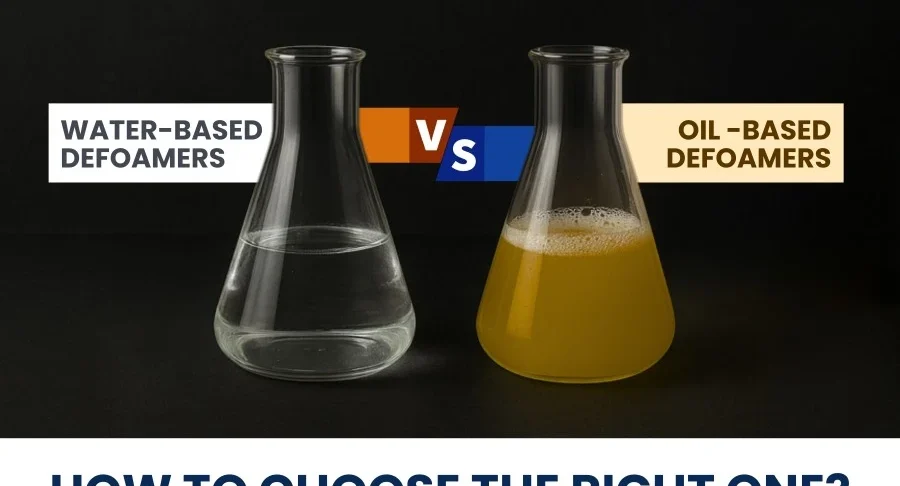
When you open a canister of paint, you expect it to be smooth and creamy. You would not expect to find any trapped air bubbles or foam. If you have recently purchased a new or reformulated water or...
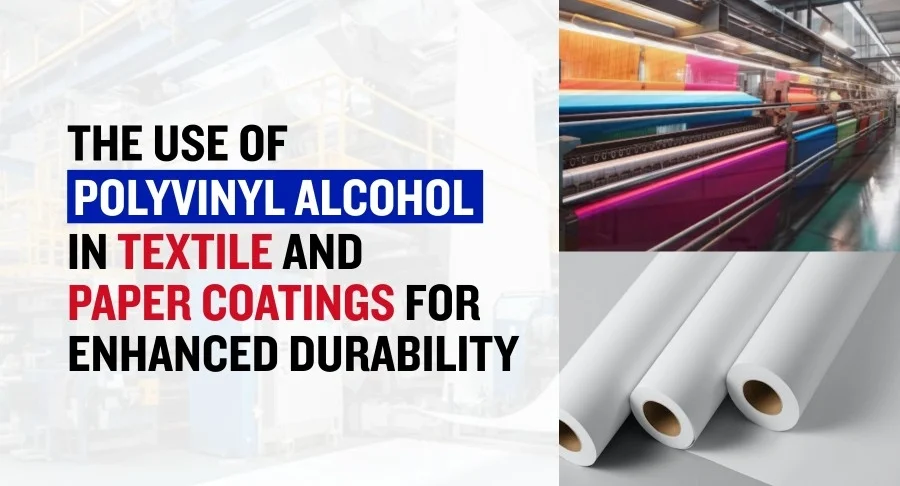
As the world continues to experience rapid changes in the Industrial Marketplace, Manufacturers are continually searching for Materials that offer increasing levels of Performance, Greater Levels of D...
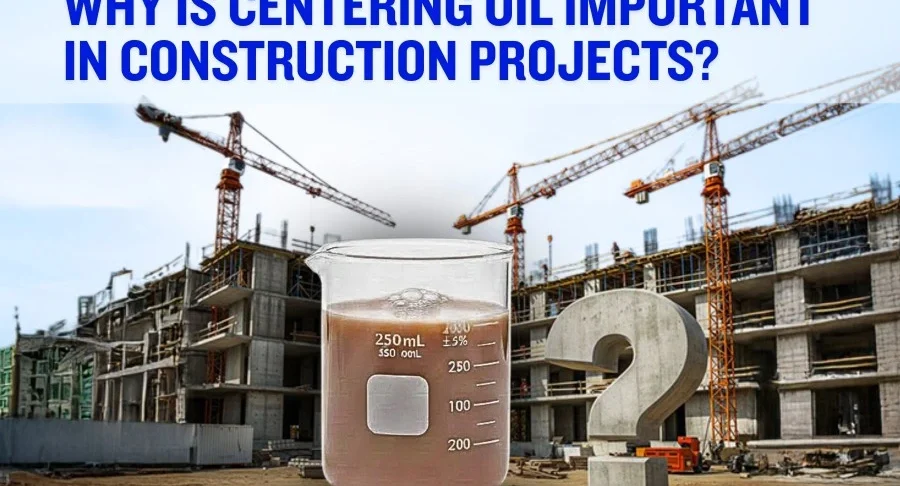
Strength and durability are often so important to the construction industry that proper use of small details will lead to a quality concrete structure. One very important part of this process, which i...
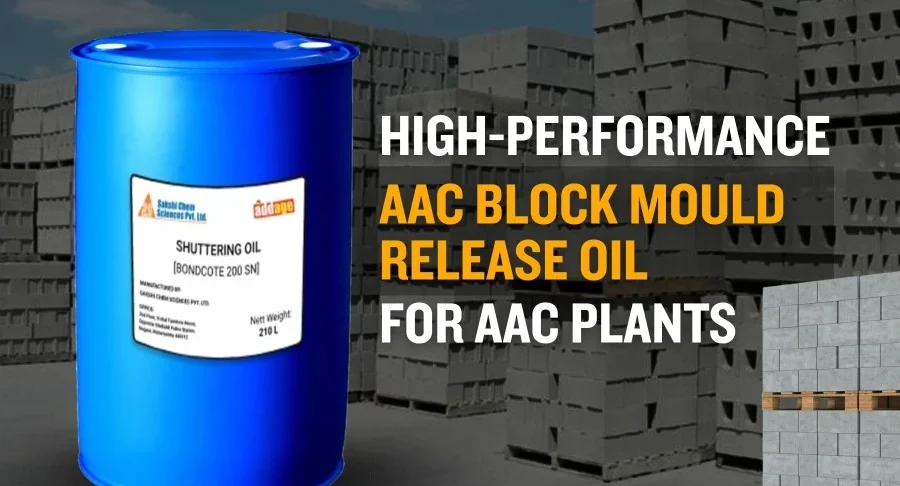
Introduction: The Importance of High-Performance AAC Mould Oils Advanced, lightweight products made from AAC (Autoclaved Aerated Concrete) have revolutionised the way we build, offering thermal ins...
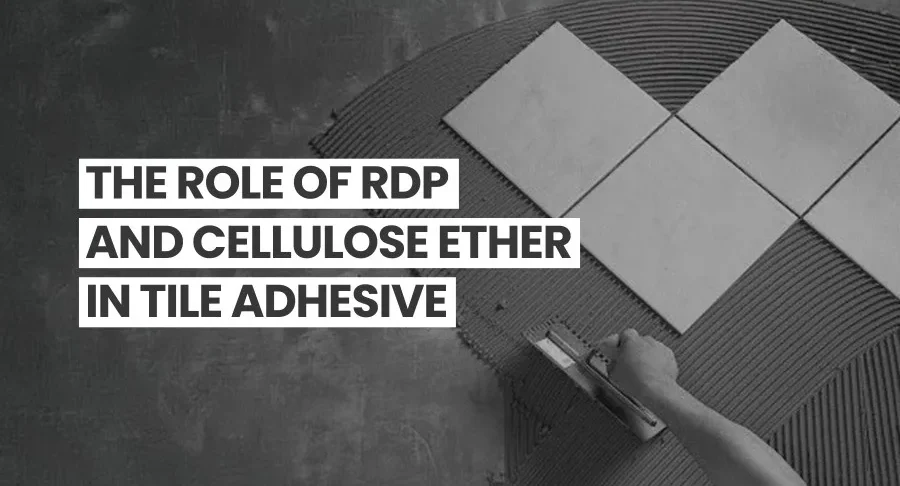
When thinking of tile installation, most people envision stunning floors, glitzy bathroom walls, or finished kitchens. But, what truly determines whether or not a tile lasts 2 years vs. 20 years is no...
Construction chemicals are the basic components of all types of building projects. Good-quality construction compounds provide durability and strength to the structure. In essence, construction chemic...
Introduction Selecting the right type of defoamer is essential for attaining the optimal performance in your foaming system. Amongst the available defoamers, not all are compatible with every appli...
In today's construction industry, we understand that aesthetics and durability go together. From residential flooring to commercial interior décor and architectural wall coverings, tiles have become...
Currently, the construction sector across Asia is entering one of the fastest growth cycles in history. From the rapidly rising skylines and the broadening metro networks, to the new industrial corrid...
Urban development has rapidly changed skylines across the world. However, with growth comes a growing burden on natural resources, energy systems, and our environment. This has resulted in a globa...
Selecting the appropriate bonding agent for industrial use and applications may warrant a lively discussion between Polyurethane Adhesives vs. Epoxy or Epoxies. Both currently used adhesive types...
Construction is modernizing with new materials that provide enhanced strength, weight, and sustainability for the structure. PP Fiber in Foam Concrete presents positive advances in enhancing the perfo...
When considering how to protect one’s property from moisture damage, a common question arises: should it be waterproofed or treated with a water-repellant treatment? These terms can sometimes...
IntroductionWhat is Sodium Naphthalene Sulfonate?How It Works in Concrete?Key Benefits of Using Sodium Naphthalene Sulfonate1. Enhanced Workability2. Increased Strength & Durability3. Cost-Efficie...
IntroductionThe Importance of WaterproofingWhy Waterproofing Should Never Be an Afterthought?Advantages of Good WaterproofingCommon Waterproofing Methods Used Today1. Cementitious Waterproofing2. Liqu...
Concrete durability is not an accidental feature. It is achieved through sound design, good quality materials, quality workmanship, and smart chemistry. One of the most powerful and least-utilized too...
A swimming pool is more than an indulgence; it’s a location for relaxation, entertainment, and family time. But beneath the facade of luscious blue water is a structure that is continually under sie...
Concrete has been a trusted building material for centuries. Its strength, versatility, and relatively lower cost are making it an important part of modern infrastructure: bridges, tunnels, high-rise,...
Concrete is a crucial part of infrastructure in the modern world. Whether for bridges and roads, buildings, to factories, concrete can provide the strength and durability construction requires to endu...
Cement is the key to contemporary construction. Its performance, regardless if it is a high-rise office tower, an expressway, or a cozy cottage, determines the structural integrity, reliability, and d...
Walls are usually one of the first things that people see when they enter a home, office, or commercial building. Having clean, smooth, and newly painted walls can dramatically change the feeling of t...
The construction sector is advancing at an unprecedented rate. As demand for sustainable, durable, and economical building solutions increases, materials that were once primarily thought of for limite...
Concrete is often considered one of the most durable materials for building things. Skyscrapers, bridges, tunnels, and basements are a few examples of how crucial concrete is to today's built environm...
Modern materials must provide a balance of speed, efficiency, and durability in a construction environment. One of the critical additives used to achieve this balance is through the use of a gypsum re...
The film-forming temperature of an Redispersible Polymer Powder (RDP) is vital in developing the optimal performance of any product being manufactured from it for the construction industry. This t...
Introduction In the food industry, Hydroxypropyl methylcellulose (HPMC) is widely used as a food additive. It is derived from plant-based natural fiber, which is a cellulose-based additive. It i...
Water is one of the most problematic aspects of construction. Seepage can lead to damp walls, and uncontrolled water penetration can lead to weak structures, expensive aesthetic repairs, and ongoing m...
Tile adhesives have become a whole new world in construction and are the answer to modern flooring and wall tiling demands. Whether you are working with ceramic, vitrified, or natural stone, the succe...
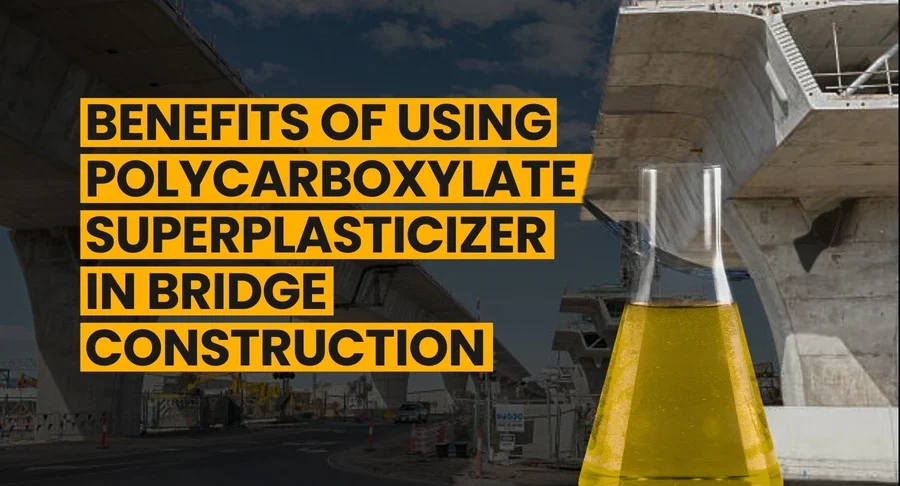
When it comes to the bridges we know of today, we tend to think of them as great engineering feats that link our cities, communities, and economies together. Ranging from iconic cable-stayed mega...
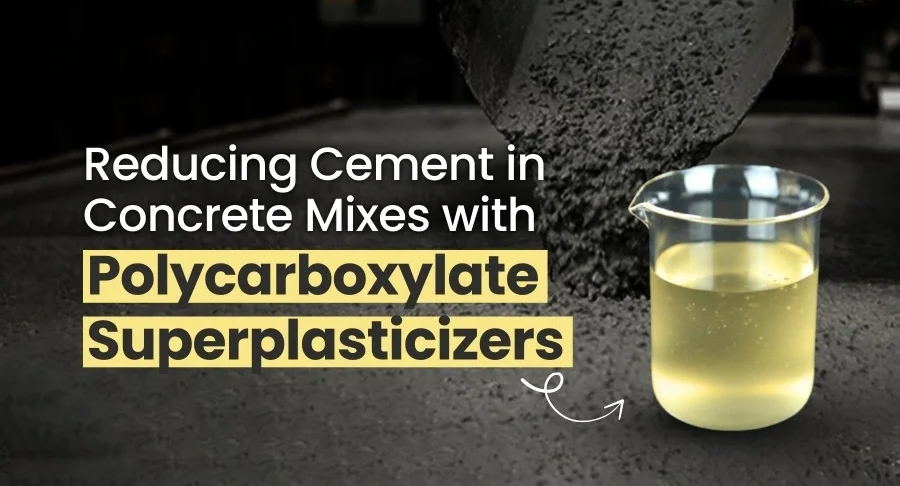
Concrete is the foundation of most of the world's infrastructure: skyscrapers, bridges, dams, highways, etc. Concrete provides the structure for almost all forms of construction. However, there is...