Sagar Telrandhe is a Construction Engineer with a B.Tech in Construction Engineering & Management. Passionate about infrastructure development, project planning, and sustainable construction, he specializes in modern construction techniques, project execution, and quality management, contributing to efficient and innovative building.
View all posts by Sagar Telrandhe
Construction has changed a lot in recent years - from mud walls to concrete skyscrapers, there's been progress. At the center of this evolution is the ability to use materials intelligently that provi...
Homeowners and businesses alike often look at the top coats of paint, textures, and design elements as the standout features of new interiors or renovations, when in fact, the one thing that makes wal...
Concrete is often considered one of the most durable materials for building things. Skyscrapers, bridges, tunnels, and basements are a few examples of how crucial concrete is to today's built environm...
Introduction In the food industry, Hydroxypropyl methylcellulose (HPMC) is widely used as a food additive. It is derived from plant-based natural fiber, which is a cellulose-based additive. It i...
Water is one of the most problematic aspects of construction. Seepage can lead to damp walls, and uncontrolled water penetration can lead to weak structures, expensive aesthetic repairs, and ongoing m...
Tile adhesives have become a whole new world in construction and are the answer to modern flooring and wall tiling demands. Whether you are working with ceramic, vitrified, or natural stone, the succe...
When it comes to the bridges we know of today, we tend to think of them as great engineering feats that link our cities, communities, and economies together. Ranging from iconic cable-stayed mega...
Concrete is the foundation of most of the world's infrastructure: skyscrapers, bridges, dams, highways, etc. Concrete provides the structure for almost all forms of construction. However, there is...
There have been incredible advancements in the construction chemical industry over the previous decades, specifically within the concrete and admixture industry. Innovations in concrete technology...
The paints and coatings industry is experiencing a great deal of change for 3 reasons. Customer expectations have shifted, and customers demand a smoother finish, respect for the environment, and dura...
Polyvinyl Alcohol (PVA) has become one of the most flexible and valuable synthetic polymers in the industries of modern construction and industrial chemistry. PVA is useful in construction, but als...
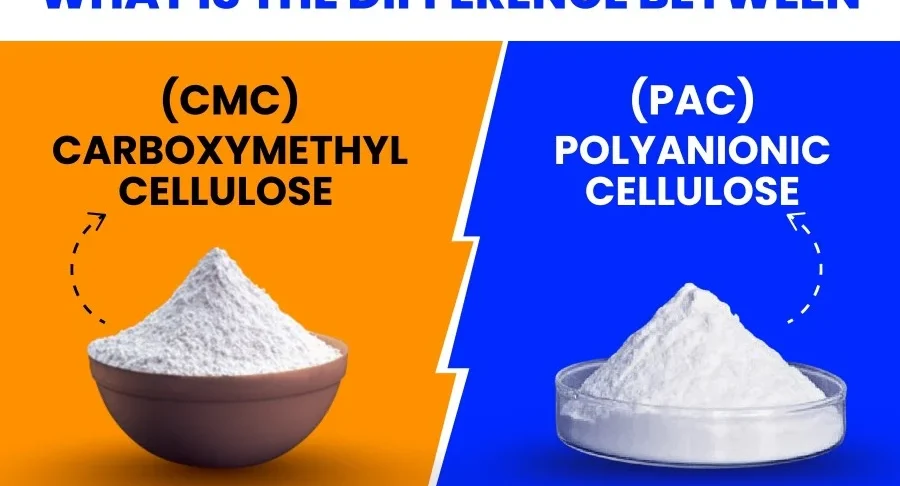
In a rapidly changing industrial and construction environment, chemical additives play an important role in improving strength, durability, and other material performance characteristics. Within t...
Hydroxypropyl methylcellulose, or HPMC, is one of those products in many types of products than most people realize. It is found in capsules, tablets, oral suspensions, and even eye drops. It seld...
In the construction industry, Hydroxypropyl Methylcellulose (HPMC) is an essential additive, widely used in dry mix mortar, tile adhesives, wall putty, plasters, and cement-based coatings. One of...
Mortar is the silent partner of construction. It holds bricks, locks down tiles, and maintains the integrity of structures for years. Unfortunately for builders and masons, one of the most common...
Introduction There has been a rapid shift in the supplement industry, largely driven by the complex and continuously evolving demands of customers, such as plant-based & cleaner choices. Int...
Gypsum plaster is a modern construction material that has increasingly gained popularity as an interior finish. It is regarded for its smooth finish, quick application, environmentally friendly nature...
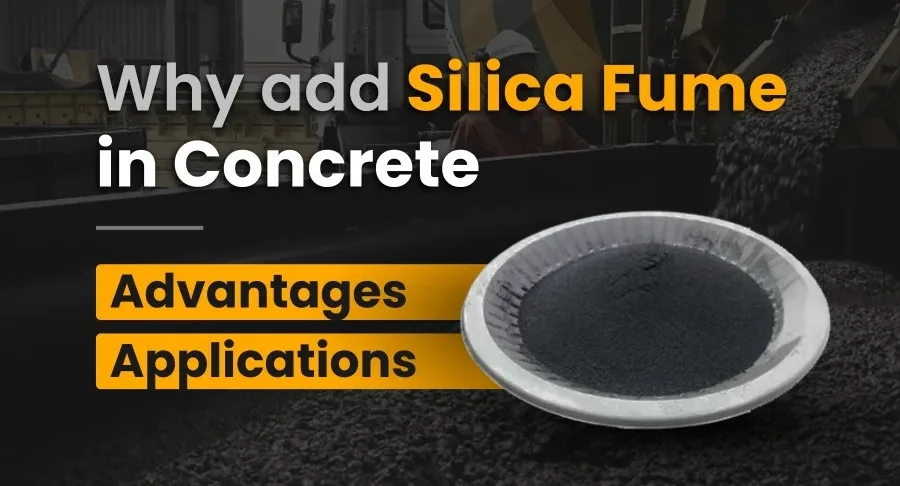
Concrete now encompasses more than its original mixture of cement, sand, and aggregate. With the expanding demands of construction, the performance of concrete required improvement. Specifically,...
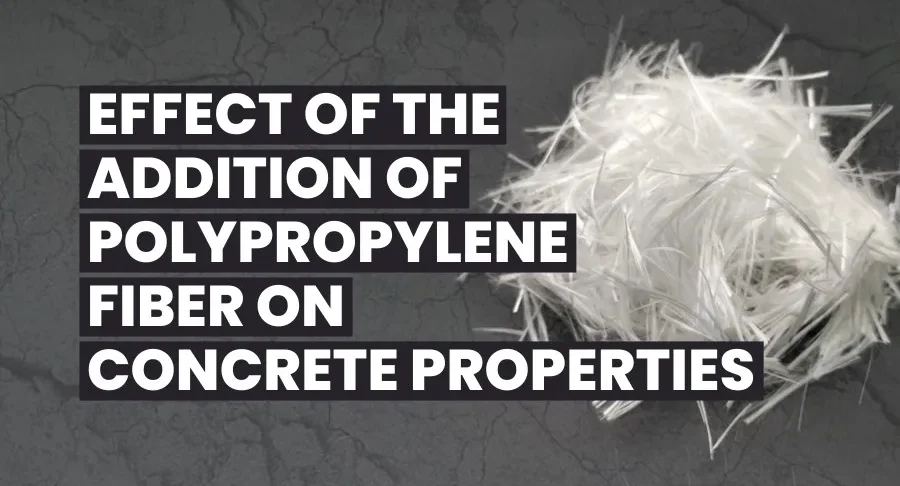
Introduction Concrete has been a foundational building material used for construction for hundreds of years. As strong as concrete is, it has its flaws (cracks, shrinkage, and overall deterioration...
In pharmaceuticals, nothing is more important than precision. From the choice of active ingredients to excipients, everything is important to the safety, efficacy, and stability of the finished produc...
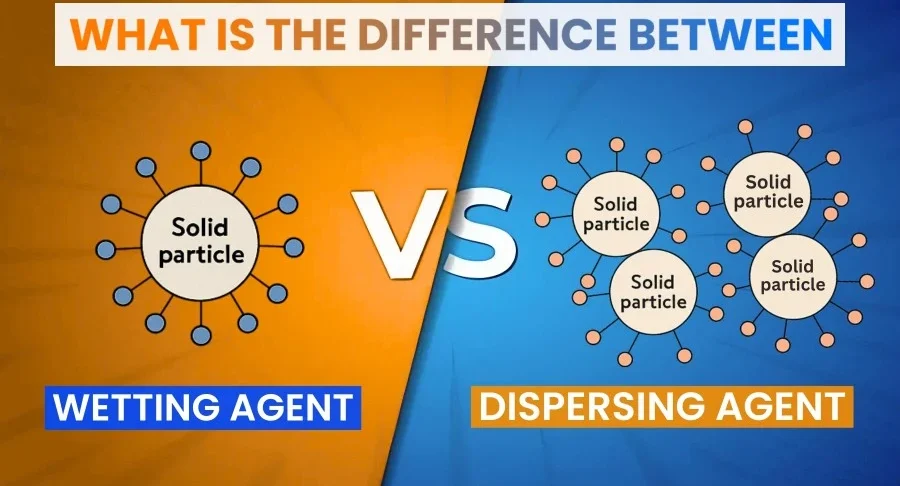
In industries such as paints, coatings, textiles, and pharmaceuticals, getting the interaction between liquid and solids precisely right can make a significant impact on product performance and qualit...
Introduction In today's industrial world of "speed" and "quality", construction projects on a major scale require speed and quality; as we all know, delay can be costly, and inconsistencies in the...
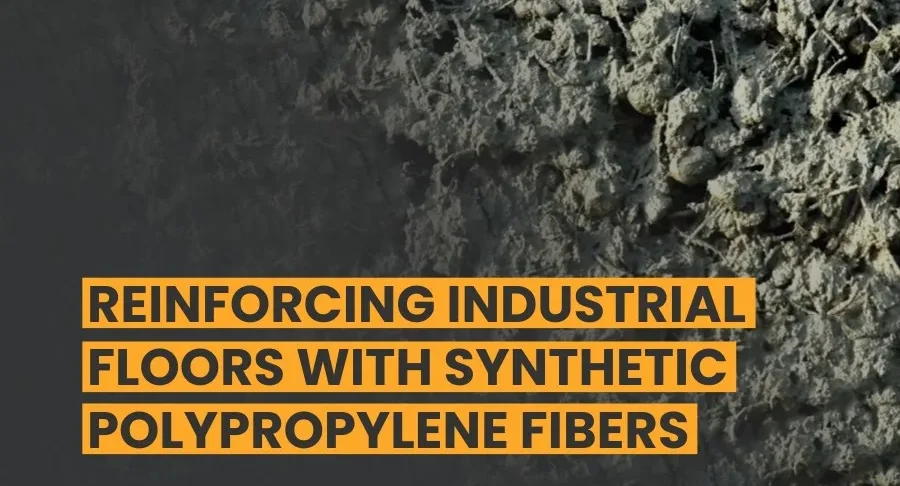
The reliability and durability of industrial flooring in high-traffic facilities (manufacturing, warehouses, and distribution centers) are of great importance. Industrial floors receive stress from he...
Concrete is already one of the most popular building materials in construction. But while regular concrete may suffice when it comes to strength, resistance to the elements, and durability, when we wa...
A building’s foundation is similar to a heartbeat in that it is invisible and its impact isn't noticed; however, it is vital to all of the structures established building surrounding it. Foundat...
Hydroxypropyl methylcellulose (HPMC) may appear as a substance only to be found in a chemist’s reference book; it is, in fact, a material that can help improve our lives quietly in a variety of day-...
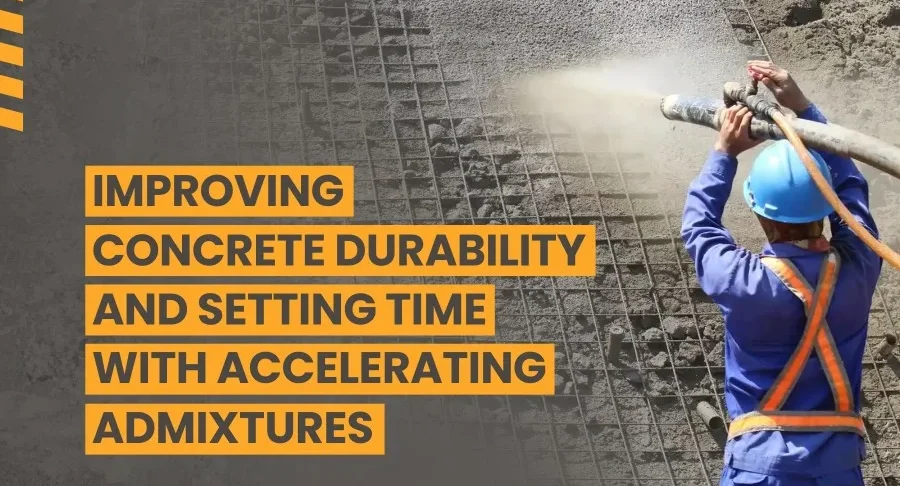
Introduction In the construction industry, where time is money and strength is king, we can agree that nothing is more important than concrete needing to set quickly and strength must last for year...
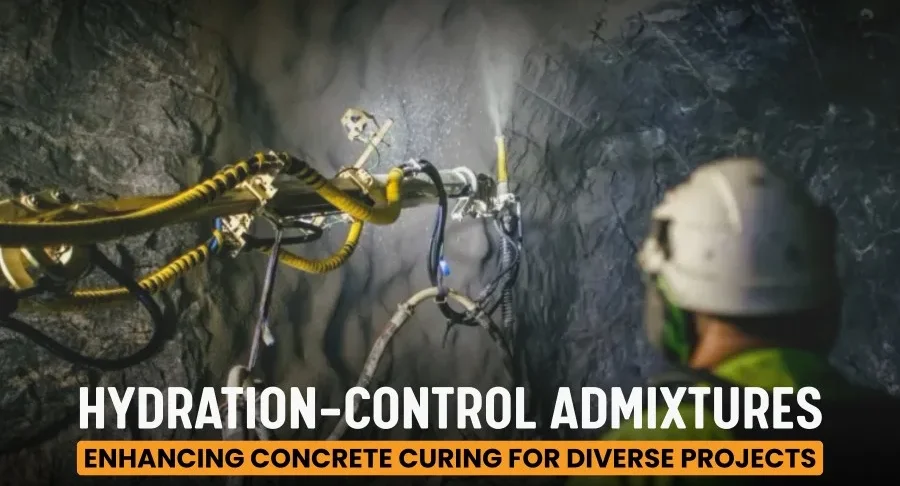
Introduction In the construction world, concrete isn't just a combination of cement and water — it's a chemical process that can be manipulated. That's where hydration-control admixtures come int...
Introduction Deciding which material to use for your construction project may be the most important initial step in creating a sustainable result for your project. There are many controversial b...
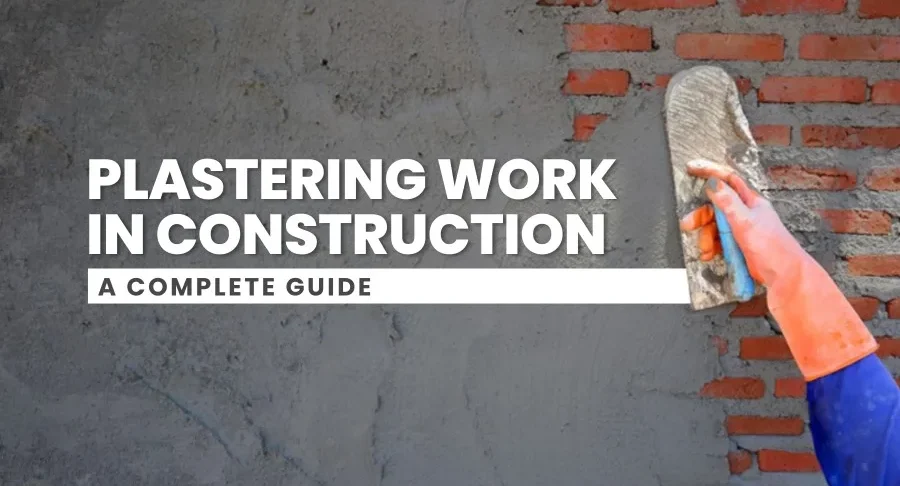
Introduction In the construction industry, plastering is not simply aesthetic, but an integral part of strengthening and protecting the build, plastering is encasing a wall or ceiling with a clean,...